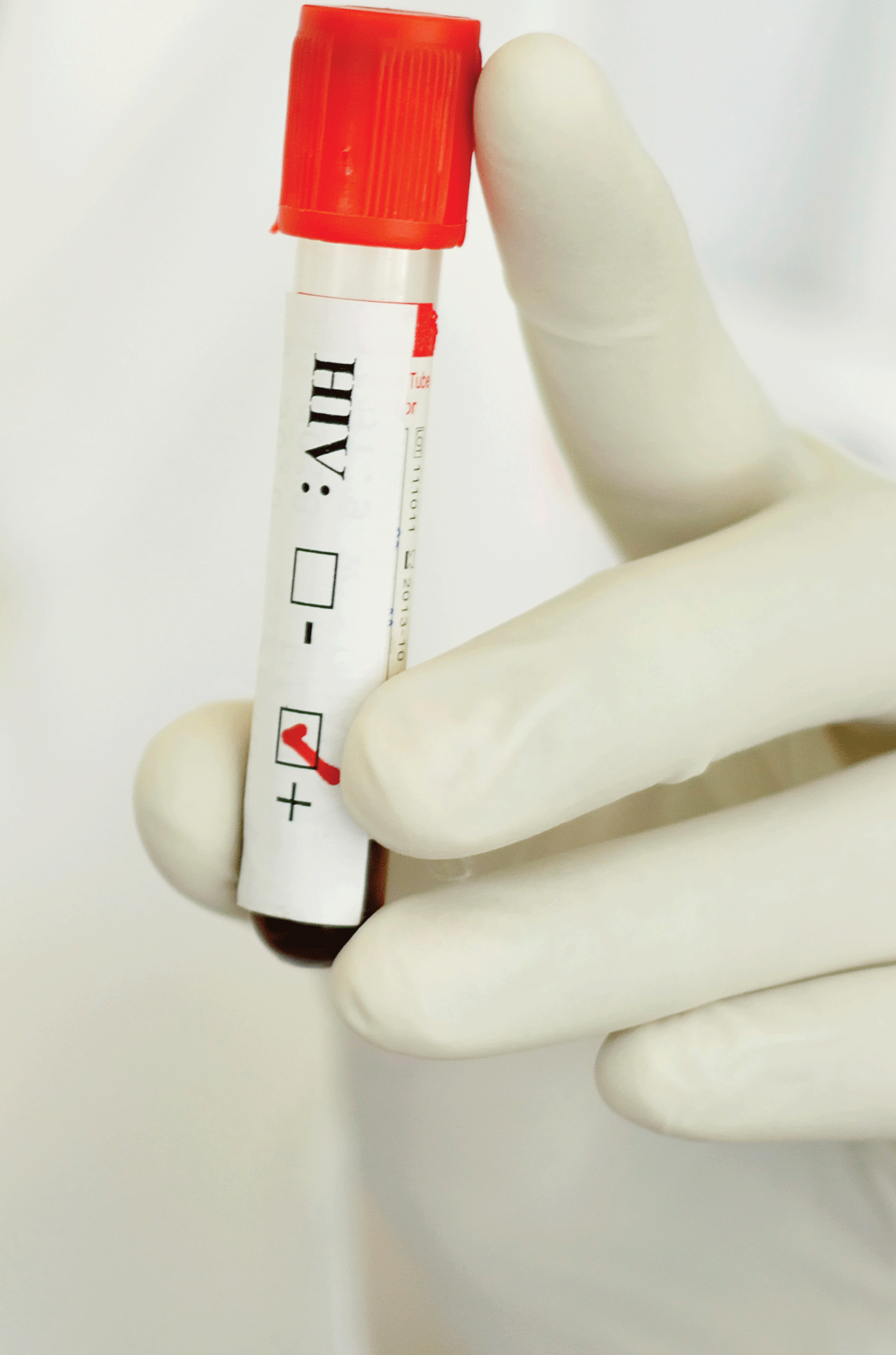
In ICD-10-CM coding, the primary code for HIV-related illnesses and AIDS is B20 (Human immunodeficiency virus [HIV] disease). This code is used once a patient has developed an HIV-related condition or has a documented diagnosis of AIDS. Proper sequencing depends on whether the patient is being treated for an HIV-related complication or an unrelated condition.
Understanding the Primary Codes: B20 vs. Z21
The distinction between symptomatic and asymptomatic HIV is the cornerstone of accurate medical coding. In the 2026 coding landscape, precision in these categories remains vital for clinical documentation improvement (CDI) and appropriate reimbursement.
When to Assign Code B20
Code B20 is assigned when a patient has a documented diagnosis of AIDS or has ever exhibited symptoms of an HIV-related illness. This code covers a broad spectrum of conditions, including AIDS-related complex (ARC), symptomatic HIV infection, and any opportunistic infections resulting from the virus.
A critical rule in HIV coding is the "once symptomatic, always symptomatic" principle. Once a patient has been diagnosed with a B20-level condition, they can never revert to an asymptomatic code (Z21) in their medical history. Even if the current opportunistic infection is resolved, or the patient’s viral load is undetectable through antiretroviral therapy (ART), the B20 code must be used for all subsequent encounters where HIV is addressed.
When to Assign Code Z21
Code Z21 (Asymptomatic human immunodeficiency virus [HIV] infection status) is reserved for patients who have tested positive for the virus but have never shown symptoms and have no history of HIV-related complications. This code is often applied to "HIV positive" status without further clinical manifestation.
If the provider’s documentation is ambiguous—for example, using terms like "HIV positive" without specifying if symptoms are present—the coder should query the provider. However, if the medical record indicates the patient has moved from an asymptomatic state to exhibiting an HIV-related condition, the code must be upgraded to B20 and remain there for the duration of the patient's life.
Fundamental Coding Guidelines and Sequencing Rules
Sequencing is often the most complex aspect of an AIDS ICD-10 coding overview. The order of codes significantly impacts the Diagnosis Related Group (DRG) assignment and reflects the primary reason for the healthcare encounter.
The Sequencing Hierarchy
The Official Guidelines for Coding and Reporting (Chapter 1, Section I.C.1.a) dictate the following hierarchy for patients with HIV:
- Patient Admitted for HIV-Related Condition: If a patient is admitted for an encounter related to an HIV-associated complication (such as Pneumocystis jirovecii pneumonia or Kaposi’s sarcoma), code B20 is sequenced as the principal diagnosis. The specific HIV-related conditions are then listed as secondary diagnoses.
- Patient Admitted for Unrelated Condition: If a patient with HIV is admitted for a reason entirely unrelated to the virus (such as a traumatic fracture or an acute appendicitis), the unrelated condition is sequenced as the principal diagnosis. In this scenario, B20 (or Z21) is coded as a secondary diagnosis to indicate the patient’s underlying status.
Coding HIV-Related vs. Unrelated Conditions
Determining whether a condition is "related" to HIV requires careful review of the physician's documentation. While ICD-10-CM does not provide an exhaustive list of HIV-related conditions within the code book itself, clinical standards generally include opportunistic infections, certain malignancies (like lymphomas and cervical cancer), and wasting syndrome. If the documentation does not clearly state a relationship between a condition and the HIV status, the coder may need to query the physician for clarification to ensure the sequencing reflects the true clinical picture.
Specialized Coding Scenarios
HIV coding extends beyond the simple B20/Z21 dichotomy. Several specialized scenarios require unique codes and sequencing logic to maintain compliance with 2026 standards.
HIV in Pregnancy, Childbirth, and the Puerperium
Pregnancy codes always take precedence over codes from other chapters. When a pregnant patient is treated for an HIV-related illness, the principal diagnosis must be from Chapter 15 (Pregnancy, Childbirth, and the Puerperium).
The correct code is O98.7- (HIV disease complicating pregnancy, childbirth and the puerperium). This code requires a sixth character to indicate the trimester. Following the O98.7- code, the coder must assign B20 (or Z21 if asymptomatic) and then the codes for the specific HIV-related conditions. This ensures that the record captures both the obstetric complication and the underlying infectious disease.
Inconclusive Lab Results (R75)
In some cases, a patient may have a laboratory report showing an "inconclusive" or "non-specific" HIV test result. In these instances, code R75 (Inconclusive laboratory evidence of human immunodeficiency virus [HIV]) is used. This code should never be used if the provider has confirmed the diagnosis; it is strictly for cases where the status is unknown and the tests are not definitive. It is also important to note that R75 is not used for infants who test positive due to maternal antibodies but have not yet been confirmed to have the virus themselves.
Screening and Counseling
In 2026, preventative medicine continues to be a priority. When a patient presents specifically for HIV screening and has no symptoms or known exposure, code Z11.4 (Encounter for screening for human immunodeficiency virus [HIV]) is used. If the patient is being seen for counseling regarding their HIV status or risk, code Z71.7 (Human immunodeficiency virus [HIV] counseling) is appropriate. If a patient is seen for screening and then tested positive during the same encounter, the screening code is still used, followed by the positive status code.
Documentation Requirements and Provider Queries
Accurate coding is entirely dependent on the quality of physician documentation. In the context of HIV and AIDS, the medical record must be explicit to avoid "unspecified" codes that can lead to claim denials or underreporting of patient complexity.
Coders should look for the following in the documentation:
- Clear linkage: Does the provider link the current infection (e.g., Candidiasis) to the HIV status?
- Status clarity: Is the patient "HIV positive" (asymptomatic) or do they have "AIDS" (symptomatic)?
- Specific complications: Are the manifestations of the HIV disease documented with enough detail to assign specific secondary codes?
If a provider writes "Patient has HIV and pneumonia," but does not link them, and the pneumonia is a common type not typically associated with HIV, the coder cannot automatically assume it is an HIV-related condition. A query may be necessary if the treatment plan suggests the HIV status is complicating the pneumonia management.
Comparison Table of ICD-10 HIV Codes
The following table summarizes the most common codes used in the management and reporting of HIV/AIDS as of 2026.
| Code | Description | Usage Note |
|---|---|---|
| B20 | HIV Disease (includes AIDS) | Principal diagnosis for any HIV-related complication. |
| Z21 | Asymptomatic HIV status | Use only if no symptoms or history of AIDS. |
| O98.7- | HIV complicating pregnancy | Must be sequenced first during pregnancy/delivery. |
| R75 | Inconclusive HIV lab | Use for non-definitive test results only. |
| Z11.4 | Screening for HIV | For asymptomatic patients seeking testing. |
| Z71.7 | HIV Counseling | For encounters focused on education/counseling. |
| Z20.6 | Contact with/exposure to HIV | For patients exposed but not yet testing positive. |
Common Pitfalls and Compliance Risks
The high sensitivity of HIV data and the complexity of the sequencing rules create several common pitfalls for medical coders.
- Inappropriate use of Z21: The most common error is using Z21 for a patient who has a historical diagnosis of B20. Once a patient has transitioned to B20, Z21 is never used again.
- Incorrect Principal Diagnosis in Pregnancy: Coders often forget that Chapter 15 codes (O98.7-) must come before B20. This is a mandatory sequencing rule that, if missed, will trigger a coding audit.
- Coding "Suspected" HIV: Unlike many other conditions, HIV is an exception to the "uncertain diagnosis" rule. According to the Official Guidelines, "suspected," "possible," or "probable" HIV should not be coded as if it exists. Only confirmed cases should be coded with B20 or Z21. For suspected cases, the coder should code the symptoms or the reason for the encounter instead.
- Failure to Code Comorbidities: Patients with HIV often have other chronic conditions, such as Hepatitis B or C, or Social Determinants of Health (SDOH) issues. Failing to capture codes from the Z55-Z65 range (SDOH) can result in an incomplete picture of the patient’s risk profile, which is increasingly important in value-based care models in 2026.
The Evolution of HIV Coding in 2026
As of 2026, the medical community has made significant strides in managing HIV as a chronic condition rather than an acute terminal illness. This shift has led to more complex medical records where patients may have HIV alongside multiple age-related comorbidities like cardiovascular disease or Type 2 diabetes.
Current coding practices emphasize the "complexity" of the patient. This means that while B20 remains the primary code for symptomatic HIV, the secondary codes for chronic conditions and the use of Z-codes for long-term drug use (e.g., Z79.899 for other long-term drug therapy) are essential to capture the resource intensity required to manage these patients. Furthermore, the integration of PrEP (Pre-Exposure Prophylaxis) and PEP (Post-Exposure Prophylaxis) into routine care has made the use of code Z20.6 (Contact with and (suspected) exposure to human immunodeficiency virus [HIV]) more frequent in outpatient settings.
Frequently Asked Questions
Can I code AIDS if the doctor only writes "HIV positive"?
No. You should only code B20 (which includes AIDS) if the provider specifically documents "AIDS," "symptomatic HIV," or an HIV-related complication. If the documentation only says "HIV positive" and there are no documented complications, Z21 is the correct code. When in doubt, a provider query is the safest path for compliance.
What is the principal diagnosis if a patient with AIDS is admitted for a broken hip?
If the hip fracture is the reason for the admission and is unrelated to the HIV status, the fracture code (e.g., from category S72) is the principal diagnosis. B20 would be coded as a secondary diagnosis.
Do I use B20 for a patient who had AIDS symptoms years ago but is currently healthy?
Yes. According to the "once symptomatic, always symptomatic" rule, once a patient has been diagnosed with an HIV-related condition, they are coded with B20 for all subsequent encounters. You do not return to Z21.
How is "HIV-related" defined for coding purposes?
While there is no exhaustive list in the ICD-10-CM manual, conditions like Kaposi’s sarcoma, lymphoma, wasting syndrome, and certain fungal or viral infections (like CMV or Candidiasis of the esophagus) are traditionally considered HIV-related. The provider must ideally document the link, or the condition must be listed as a manifestation of HIV.
Is there a specific code for HIV testing during a regular check-up?
Yes, use code Z11.4 for the screening. If counseling is provided during the same visit, Z71.7 can also be used as a secondary code to capture the full scope of the encounter.
Practical Recommendation
For medical coders and billing specialists in 2026, the best practice for HIV/AIDS coding is to maintain a rigorous query process. Because the transition from Z21 to B20 is permanent and has significant implications for the patient's medical record and the facility's reimbursement, ensuring that the provider has clearly documented a manifestation or an AIDS diagnosis is paramount. Always verify the sequencing by asking: "Is the patient here because of their HIV, or do they simply have HIV while being treated for something else?" Answering this question correctly will resolve the majority of sequencing errors.