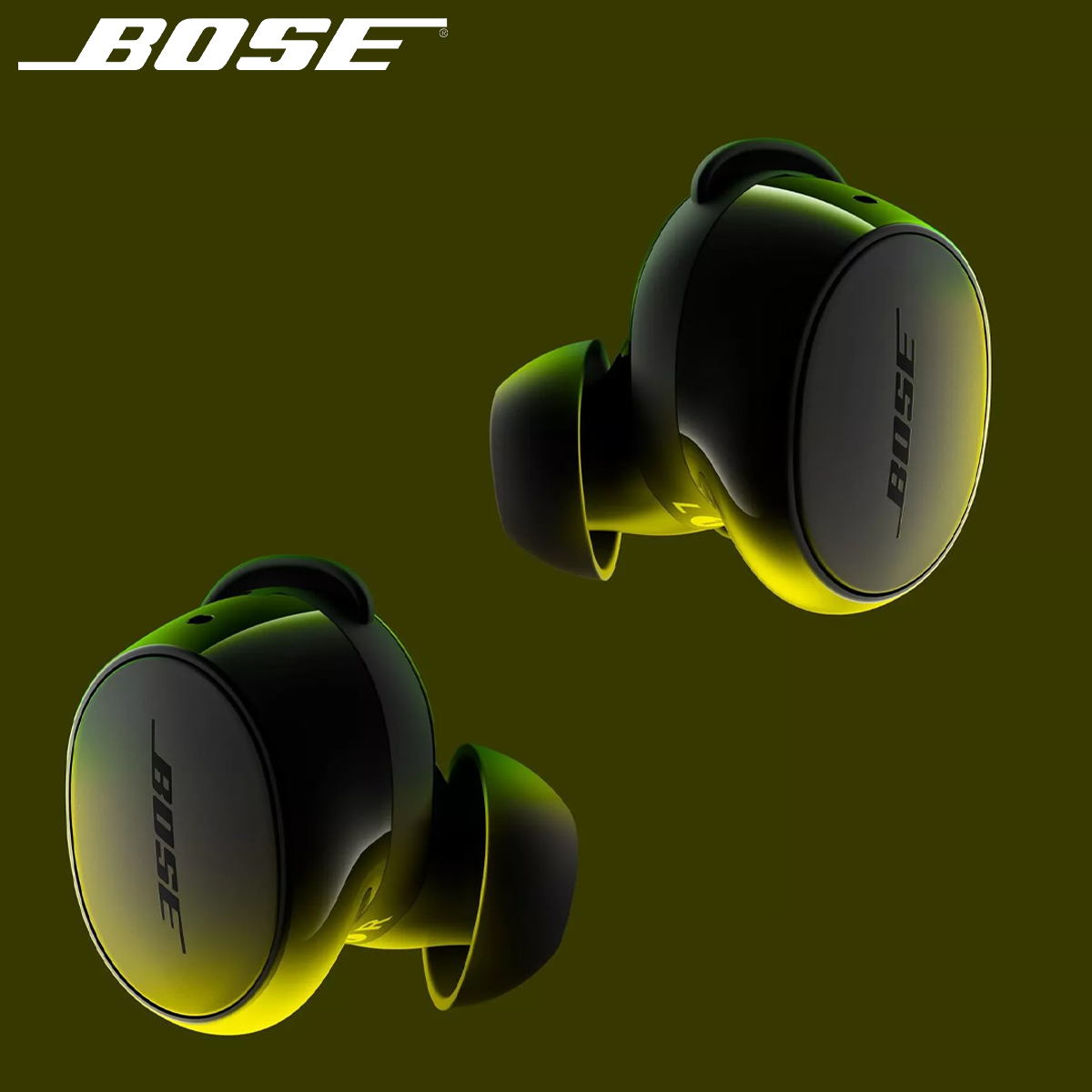
Navigating the market for active noise-cancelling (ANC) earbuds reveals a landscape filled with conflicting specifications, inflated decibel-reduction claims, and varying degrees of build quality. Discerning consumers can indeed trust several industry-standard options from established audio brands, provided they evaluate products based on independent acoustic testing, seal integrity, and hardware reliability rather than marketing hyperbole.
Understanding the ANC Landscape: Marketing Claims Versus Acoustic Reality
The consumer audio market is saturated with brands claiming near-total silence, often throwing around figures like "removes up to 99% of ambient noise" or "blocks out 45dB of sound." For the average buyer, deciphering these claims can feel like navigating a minefield. To find noise-cancelling earbuds you can trust, you must first understand how active noise cancellation actually functions and where manufacturers tend to exaggerate.
Active noise cancellation relies on tiny microphones placed on the outside (feed-forward) and inside (feedback) of the earbud housing. These microphones sample ambient sounds, and a dedicated digital signal processor (DSP) inverts the sound wave, creating an "anti-phase" wave that essentially cancels out the incoming low-frequency rumble, such as airplane engines, air conditioners, and train tracks. However, ANC struggles inherently with unpredictable, high-pitched, or sharp transient noises like sirens, crying babies, or sudden speech.
Trustworthy earbuds do not claim to silence the entire world; instead, they transparently publish their performance limitations and rely on a combination of robust passive isolation (the physical seal created by the ear tip) and advanced algorithmic processing. Brands that you can trust generally submit their hardware to independent testing laboratories and audio engineering publications for objective validation, allowing consumers to cross-reference manufacturer claims with real-world acoustic frequency response charts.
Key Criteria for Evaluating Trustworthy Noise-Cancelling Earbuds
When separating reliable audio equipment from gimmicky gadgets, several empirical benchmarks must be considered. Trust is earned through consistent performance across hardware integration, software stability, acoustic engineering, and customer support infrastructure.
1. Acoustic Engineering and Frequency Attenuation
A trustworthy pair of earbuds will show a smooth, predictable curve of decibel reduction across the low and mid-frequency spectrums. Cheaper, unverified alternatives often feature erratic attenuation curves that cancel low bass frequencies poorly while introducing an artificial, hissing white noise floor of their own—a side effect of low-quality amplification circuits and cheap microphones.
2. Physical Fit and Passive Isolation
No amount of electronic wizardry can compensate for a poor physical seal. Trustworthy manufacturers bundle multiple sizes of silicone or memory foam ear tips and frequently include software-based "ear tip fit tests" to verify that sound leakage is minimized. Passive isolation is responsible for blocking high-frequency sounds, and reliable brands prioritize ergonomic housing designs that fit a wide variety of human ear canal geometries.
3. Firmware Stability and Transparency
Modern earbuds are essentially miniature computers running complex operating systems. Bugs in firmware can ruin the ANC experience, cause audio desynchronization, or drain batteries prematurely. Brands you can trust maintain active support channels, regular over-the-air (OTA) firmware updates, and transparent release notes detailing security patches and acoustic tuning modifications.
4. Battery Longevity and Component Sustainability
Lithium-ion batteries degrade over time. Trustworthy manufacturers design products with energy-efficient Bluetooth chips, reliable charging cases, and—in some industry-leading cases—repairable or replaceable battery frameworks. Conversely, fly-by-night brands often use substandard cells that fail within six months of regular daily charging cycles.
Industry Benchmarks: Comparing Established Audio Solutions
To ground these criteria in reality, examining how leading hardware ecosystems stack up against common pitfalls provides a clear picture of what reliable engineering looks like in 2026.
| Feature / Metric | Unverified / Budget Brands | Trustworthy Industry Standards |
|---|---|---|
| Noise Reduction Claim | Vague, exaggerated ("99% silence") | Quantified decibel reduction backed by lab tests |
| ANC Type | Single-microphone feed-forward | Hybrid (feed-forward and feedback) multi-mic array |
| Ear Tip Options | 1–2 sizes of stiff, low-grade silicone | 3–4 precision sizes, optional memory foam, fit-test app |
| Transparency Mode | Sounds artificial, muffled, or delayed | Natural, low-latency pass-through with wind noise reduction |
| Firmware Support | None; abandoned after initial retail launch | Regular updates, bug fixes, and feature enhancements |
| Microphone Quality for Calls | Muffled, highly susceptible to ambient wind | Beamforming mic arrays with AI voice separation |
Navigating Common Pitfalls and Deceptive Marketing
When searching for reliable audio gear, consumers often fall victim to several common traps. Recognizing these tactics is essential for protecting your investment and your hearing health.
The Decibel Reduction Trap
Many online listings boast impressive-sounding numbers, such as "-45dB cancellation." Without context, these figures are functionally meaningless. A manufacturer might achieve -45dB at a very narrow, highly specific frequency (like 100 Hz), while performing poorly across the rest of the audible spectrum. Trustworthy brands discuss their performance across a broad bandwidth rather than leaning on a single peak specification.
Fake Reviews and Sponsored Bias
The modern review landscape is heavily saturated with incentivized content. When researching earbuds, look for reviewers who use professional acoustic measurement rigs (such as Knowles Electronic Manikin for Acoustic Research systems) rather than subjective commentary alone. If every single online review claims a product is "flawless," exercise caution. Real hardware always involves design trade-offs, such as balancing battery life against ANC intensity.
The Danger of Cheap Lithium-Ion Cells
Extremely inexpensive earbuds often cut corners on power management circuitry. This not only results in poor battery life and rapid capacity degradation, but it can also pose safety risks regarding thermal management during fast charging. Sticking to brands compliant with international electronics safety standards (such as CE, FCC, and RoHS certifications) ensures basic electrical safety.
Practical Steps to Verify and Test Your Earbuds
Once you purchase a pair of noise-cancelling earbuds, you should independently verify their performance to ensure you received a genuine, fully functional product.
- Perform the Fit Test: Use the companion mobile application (if available) to run the acoustic seal test. If the software indicates a poor seal, cycle through the included ear tip sizes until a tight, comfortable fit is achieved.
- Test in Controlled Environments: Evaluate the ANC in stages. Start in a quiet room with a low-frequency source (like a desk fan or refrigerator hum) to check baseline cancellation. Progress to challenging environments like public transit or busy coffee shops to assess how the hybrid mics handle dynamic sounds.
- Check for Floor Hiss: In a quiet room with audio paused and ANC turned on, listen closely for electronic static or white noise. While all ANC systems have a minor noise floor, high-end processors keep this artifact well below the threshold of conscious perception.
- Verify Authenticity: Counterfeiting of popular audio gear is widespread on secondary marketplaces. Only purchase from authorized dealers or direct manufacturer storefronts to guarantee access to authentic hardware, firmware updates, and valid warranties.
Frequently Asked Questions
Can noise-cancelling earbuds completely block out human speech?
No. Active noise cancellation is mathematically designed to target continuous, predictable low-frequency sound waves. Human speech is dynamic, unpredictable, and spans a broad frequency range that includes mid and high frequencies. While ANC will muffle conversational voices, turning them into a distant murmur, passive isolation from a tight ear tip seal does the heavy lifting for mid-to-high frequencies.
Do noise-cancelling earbuds damage hearing?
Active noise cancellation does not inherently damage hearing; in fact, by reducing the ambient environmental noise floor, it often allows users to listen to music and podcasts at significantly lower, safer volume levels than they would require without ANC. However, listening to high volumes for extended periods through any earphones will cause hearing damage regardless of whether ANC is enabled.
Why do my ears feel a "pressure" sensation when I turn on ANC?
The pressure sensation—sometimes described as an inner-ear vacuum—is caused by the psychoacoustic reaction to low-frequency sounds being abruptly removed while high-frequency bone conduction remains. Some users are more sensitive to this than others. Premium manufacturers include pressure-equalization vents in their acoustic chambers to alleviate this discomfort.
How do I clean and maintain noise-cancelling earbuds to preserve performance?
Ear wax, dust, and debris can easily clog the external ANC microphone grilles and speaker nozzles, severely degrading noise cancellation effectiveness and audio balance. Regularly remove the silicone tips and clean them with warm soapy water. Use a dry, soft-bristled brush or a clean toothpick to gently clear any obstructions from the metal mesh screens. Never insert sharp metal objects deep into the sound tube.
Are budget noise-cancelling earbuds worth buying?
Budget earbuds can offer decent baseline passive isolation and passable audio for casual listening, but true, high-performance active noise cancellation requires sophisticated DSP chips, precise microphone calibration, and advanced multi-core processing that are expensive to manufacture. If reliable, deep silence is your primary requirement, investing in proven mid-range or flagship models yields substantially better long-term satisfaction.
Final Recommendation
When looking for noise-cancelling earbuds you can trust, bypass unverified online storefronts pushing inflated decibel numbers and focus instead on established audio brands with verifiable acoustic testing, robust physical fit options, and reliable firmware support. Prioritize hybrid microphone arrays, check independent frequency response evaluations, and always purchase through authorized retail channels to ensure your hardware is authentic and fully backed by a manufacturer warranty.