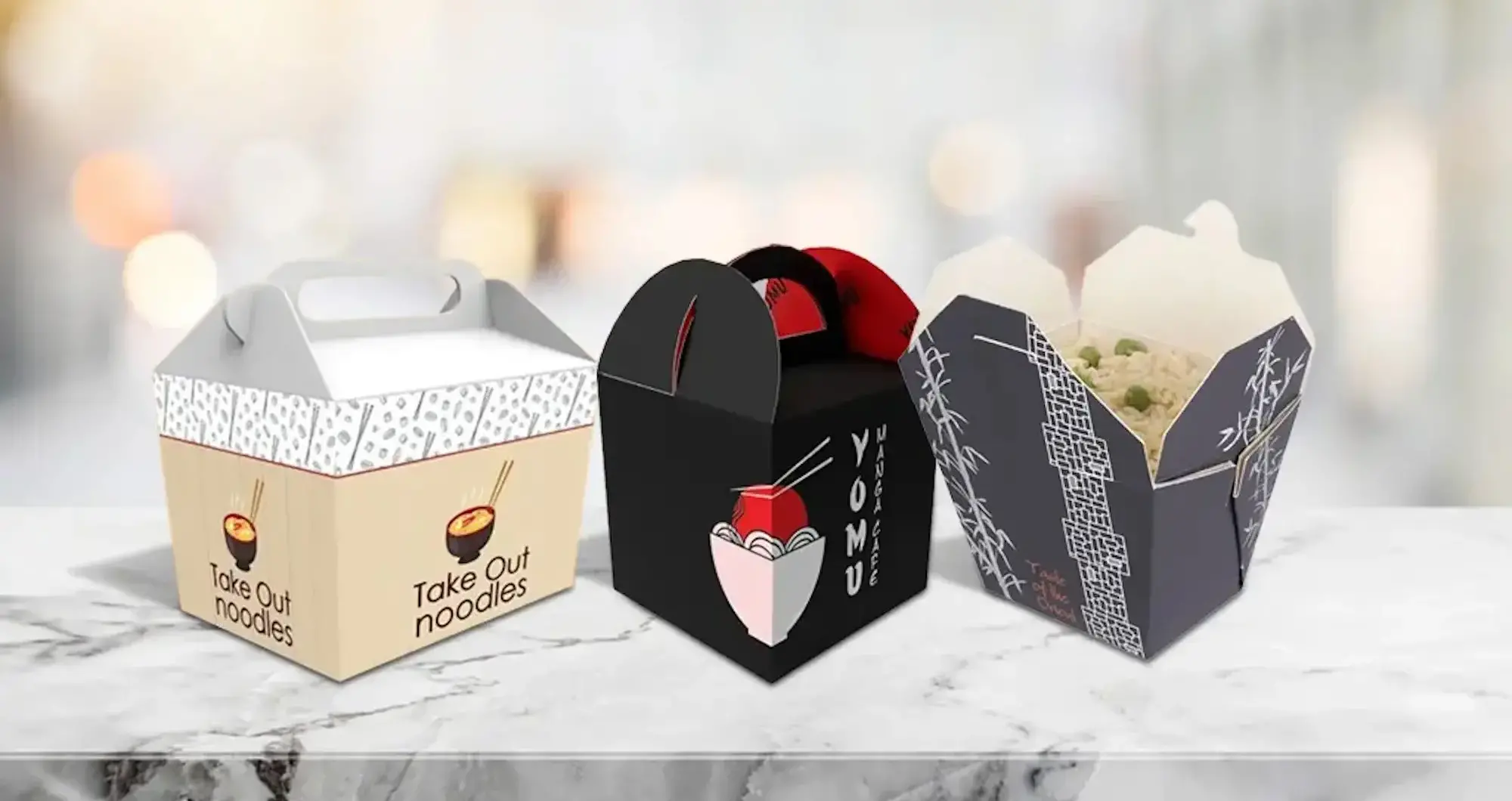
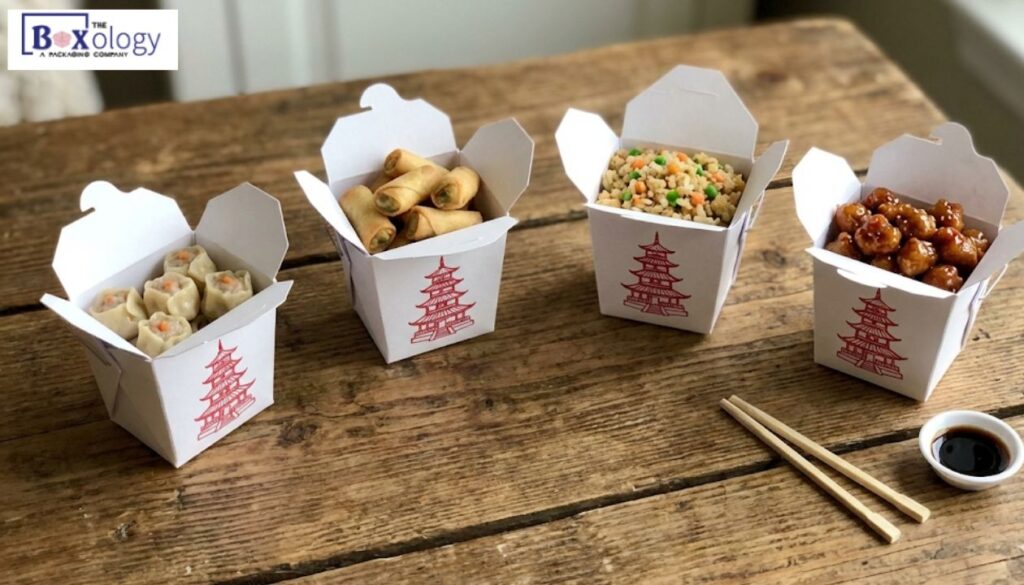
Small Chinese takeout boxes, or oyster pails, are exceptionally worth using for portion-controlled meals, event favors, and dry-heat food storage. Their unique single-piece folded construction offers superior leak resistance for saucy foods compared to standard paper containers. However, their value hinges on choosing microwave-safe, poly-coated versions over traditional wire-handled, wax-coated models.
The Engineering Behind the Small Chinese Takeout Box
To understand if these containers are worth your investment in 2026, one must first appreciate the "oyster pail" design. Originally patented in the late 19th century for transporting fresh oysters, the design has evolved into a global icon of convenience. The primary engineering feat is the use of a single sheet of paperboard, folded precisely to create a container with no seams at the bottom.
This seamless design is the "secret sauce" of its utility. Unlike flat-bottomed cardboard boxes that rely on glue or folds at the corners—where liquids often escape—the small takeout box uses geometry to keep sauces contained. In the current market, "small" typically refers to the 8-ounce (half-pint) or 16-ounce (pint) sizes. These dimensions are specifically designed to hold dense, heavy foods like rice, lo mein, or sautéed vegetables without the structural failure common in lighter-weight disposable bowls.
Comparing Sizes: 8oz vs. 16oz Utility
When determining if these boxes are worth using, the first decision is the size. Choosing the wrong volume leads to wasted space or overfilled containers that lose their structural integrity.
The 8-Ounce (Half-Pint) Specialist
The 8oz box is the smallest standard size and is often underestimated. It is not intended for full meals. Instead, its value lies in:
- Condiment and Sauce Housing: Ideal for large portions of dipping sauces or chili oils.
- Side Dish Portions: Perfect for a single serving of white rice or a small side of pickled vegetables.
- Party Favors: In 2026, these have become a staple for "candy bars" at weddings and corporate events. Their small footprint makes them ideal for guests to carry while socializing.
The 16-Ounce (Pint) Workhorse
This is what most consumers envision when they think of a "small" takeout box. It is the gold standard for individual servings. It provides enough vertical space to keep steam trapped—helping to maintain food temperature—while remaining narrow enough to be held comfortably in one hand. For meal preppers, the 16oz size is the perfect "unit of measurement" for a calorie-controlled lunch.
Material Science and Food Safety in 2026
The worth of a takeout box is dictated by its material. As of 2026, the regulatory landscape regarding food packaging has shifted significantly, particularly concerning PFAS (per- and polyfluoroalkyl substances) and plastic coatings.
Poly-Coated vs. Wax-Coated
Historically, these boxes were coated with paraffin wax to provide moisture resistance. While effective for cold storage, wax melts when exposed to high heat, potentially leaching into the food. Modern, high-quality small takeout boxes use a thin poly-coating (polyethylene). This allows the box to handle hot, greasy foods without the "soggy bottom" syndrome. If you are looking for containers that are "worth using" for hot entrees, poly-coated is the only viable option.
The Microwave Debate
A common pitfall that renders these boxes "not worth using" is the traditional wire handle. Metal handles are not microwave-safe and can cause arcing and fires. However, by 2026, many manufacturers have moved toward "microwaveable" designs that use heat-resistant glue or interlocking paper tabs instead of wire. When purchasing, always verify the "Microwave Safe" certification on the bottom of the pail.
Sustainability and BPI Certification
Environmental impact is a major factor in modern purchasing decisions. For a box to be truly worth using today, it should ideally be compostable. Look for the Biodegradable Products Institute (BPI) certification, which ensures the product will break down in a commercial composting facility. Boxes that use "aqueous coatings" (water-based) are increasingly popular in 2026 as they offer a plastic-free alternative that still resists grease.
Economic Analysis: Cost vs. Benefit for Small Businesses
For restaurant owners and caterers, the decision to use small takeout boxes is a matter of margins. In 2026, the cost of raw paperboard has stabilized, but shipping costs for bulky items remain a factor.
| Size | Avg. Cost per Unit (Bulk) | Best Use Case | Durability Rating |
|---|---|---|---|
| 8oz (Half-Pint) | $0.12 - $0.18 | Sides, Candy, Sauces | High (Compact) |
| 16oz (Pint) | $0.18 - $0.25 | Individual Meals, Rice | Moderate |
| 26oz (Tall) | $0.24 - $0.32 | Noodle Dishes, Salads | Moderate |
| 32oz (Quart) | $0.30 - $0.40 | Family Sides, Soups | Low (When Overfilled) |
From a branding perspective, these boxes are highly "worth using." They offer a large, flat surface area on four sides for custom stamping or labeling. Unlike round plastic containers, which require expensive custom molds for branding, paper boxes can be personalized with a simple rubber stamp or eco-friendly ink jet, providing a premium feel at a lower cost-of-entry for small businesses.
Practical Use Cases Beyond the Restaurant
The utility of small Chinese takeout boxes extends far beyond Kung Pao Chicken. Their unique shape and closure mechanism make them versatile for several unconventional tasks.
1. Meal Prepping for Portion Control
If you are following a strict nutritional plan, the 16oz box is a physical limit that prevents overeating. Unlike large Tupperware containers that tempt you to "fill the space," the vertical nature of the oyster pail makes a standard portion of rice and protein look and feel substantial.
2. Organizing Small Hardware
In workshops or craft rooms, these boxes are excellent for sorting screws, beads, or buttons. Because they are stackable when empty and can be folded shut, they keep dust out better than open-top bins. The paper surface also allows you to write the contents directly on the side with a marker.
3. Gift Packaging and Party Favors
The "aesthetic" of the Chinese takeout box is timeless. Many retailers sell these in various colors (gold, silver, or patterns). For small gifts like jewelry, soaps, or baked goods, they provide a sturdy, charming alternative to traditional wrapping paper.
Common Pitfalls and Limitations
To ensure these containers remain a "worthy" choice, users must be aware of their inherent limitations.
- Liquid Saturation Time: Even with a high-quality poly-coating, these are not intended for long-term storage of thin liquids like broths or soups. Over a 24-hour period, the liquid can eventually seep through the folded seams at the top or weaken the paperboard. For soup, a dedicated round plastic or heavy-duty paper soup tub is superior.
- Freezer Burn: Small takeout boxes are not airtight. If you use them to freeze leftovers, the air inside will lead to freezer burn within a few days. They are strictly short-term storage vessels.
- Vertical Stability: Because they have a smaller base than their top opening, they can be top-heavy. When filling with dense foods, ensure they are placed on a flat surface to avoid tipping.
Environmental Regulations in 2026
In 2026, several jurisdictions have enacted stricter bans on "hidden plastics." This includes the thin plastic linings found in many traditional takeout boxes. If you are a business owner in a region with strict environmental laws (such as parts of the EU or California), you must ensure your boxes are labeled as PFAS-free and Plastic-Free.
The industry has largely moved toward PLA (Polylactic Acid) linings derived from corn starch or aqueous dispersions. These materials provide the same grease resistance but are much more compatible with modern recycling and composting streams. Using these updated versions ensures your choice remains compliant with local regulations and appeals to the eco-conscious consumer base.
Frequently Asked Questions
Are small Chinese takeout boxes leak-proof?
They are highly leak-resistant but not 100% leak-proof. The folded design prevents leaks from the bottom and sides, but the top closure is not airtight. If the box is tipped over, sauces can leak out of the top flaps. For extremely "saucy" dishes, it is best to keep the box upright during transport.
Can I put a box with a metal handle in the microwave?
No. You should never put a takeout box with a metal wire handle in the microwave. The metal will cause sparks and can lead to a fire or damage your appliance. If you need to microwave the food, either transfer it to a plate or ensure you are using the modern, "microwave-safe" versions that do not use metal wires.
How long can food stay fresh in these boxes?
When refrigerated, food in a small takeout box is generally best consumed within 2 to 3 days. Because the seal is not airtight, the food will dry out faster than it would in a sealed plastic or glass container. For best results, wrap the box in a layer of reusable beeswax wrap or aluminum foil if you plan to store it longer than 48 hours.
Are these boxes recyclable after use?
This depends on your local waste management facility and the coating of the box. If the box is contaminated with heavy food grease, most recycling centers will reject it. However, if it was used for dry goods, it may be recyclable. In 2026, it is more common to compost these boxes, provided they have a BPI-certified compostable lining.
Why do some boxes have a different texture on the inside?
The internal texture is usually the result of the coating method. A glossy interior indicates a poly-coating or wax coating designed for moisture resistance. A matte interior might indicate an aqueous coating, which is a more sustainable, water-based barrier. Both are designed to prevent the paperboard from absorbing oils.
Final Recommendation: Are They Worth It?
Small Chinese takeout boxes are absolutely worth using if your primary goal is short-term convenience, portion control, or attractive presentation. Their structural design is superior to almost any other paper-based disposable for handling hot, moist foods.
For business owners, they provide a cost-effective, brandable solution that customers find nostalgic and functional. For home users, they are an excellent way to send guests home with leftovers or to organize small household items. To maximize their value, always prioritize microwave-safe, PFAS-free, and poly-coated versions to ensure safety and performance in a modern kitchen.