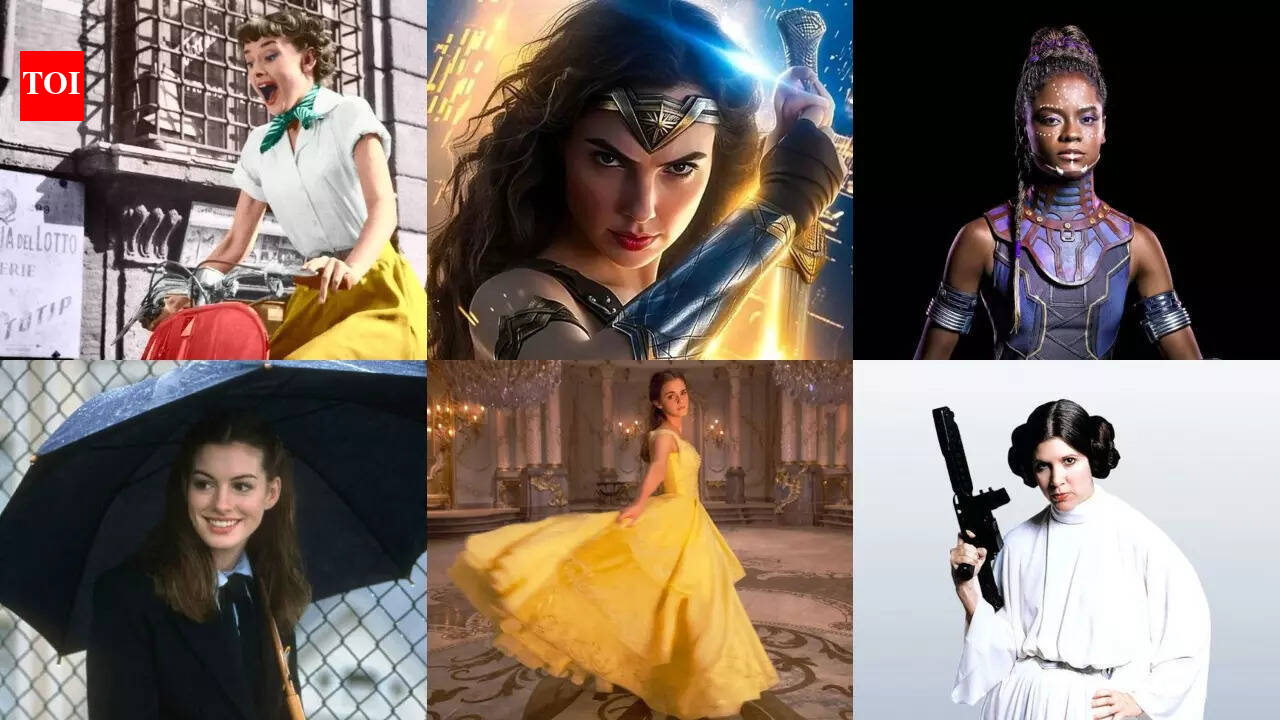
Fictional princesses have evolved from passive figures in oral folklore into complex, multi-dimensional protagonists in modern literature and cinema. These characters reflect changing societal values, transitioning from symbols of domestic virtue in the 18th century to icons of political leadership, agency, and self-discovery in the stories of 2026.
The Literary Roots: From Folk Tales to Early Literature
The archetype of the fictional princess originated long before the silver screen. In the oral traditions that preceded the printing press, royalty served as a narrative shorthand for high stakes and moral perfection. However, the versions we recognize today were largely codified by three primary sources: Charles Perrault, the Brothers Grimm, and Hans Christian Andersen.
The French Elegance of Charles Perrault
In 1697, Charles Perrault published Histoires ou contes du temps passé, which included "Cendrillon" (Cinderella) and "La Belle au bois dormant" (Sleeping Beauty). Perrault’s princesses were designed for the French aristocratic salons. They emphasized grace, patience, and beauty as the ultimate virtues. The introduction of the glass slipper and the fairy godmother were Perrault's contributions, creating a version of the princess that was refined, magical, and ultimately rewarded for her quiet endurance of suffering.
The German Grit of the Brothers Grimm
By the early 19th century, Jacob and Wilhelm Grimm sought to preserve German folklore, leading to a much darker and more visceral depiction of royalty. Characters like Snow White (Schneewittchen) lived through significantly more harrowing circumstances than their later film counterparts. In these stories, the princess often served as a focal point for themes of jealousy, family betrayal, and divine justice. Unlike the sanitized versions of the mid-20th century, the Grimm princesses existed in a world where the stakes were often life or death, and the villains faced gruesome ends.
The Melancholy of Hans Christian Andersen
Hans Christian Andersen brought a different texture to the princess archetype in the mid-1800s. With The Little Mermaid and The Princess and the Pea, Andersen moved away from simple moral triumphs toward existential longing and social commentary. His "princesses" were often defined by their sensitivity and their willingness to sacrifice everything for a soul or a higher purpose. This literary shift allowed for a deeper exploration of a character's internal world, setting the stage for the psychological depth seen in modern cinema.
The Disney Era: Defining the Visual Archetype
No entity has influenced the public perception of fictional princesses more than the Walt Disney Company. Since 1937, Disney has categorized its royalty into distinct eras that mirror the cultural shifts of the United States and the global audience.
The Golden Age (1937–1959)
The "Golden Age" began with Snow White and the Seven Dwarfs (1937), the first full-length cel-animated feature film. Snow White, followed later by Cinderella (1950) and Aurora (1959), represented the "Damsel in Distress" trope. These characters were products of their time, focusing on domesticity and the hope of being rescued by a prince. While modern critics often point to their lack of agency, these films were technical milestones that established the visual grammar of the princess: the signature gown, the connection with nature, and the "I Wish" song.
The Renaissance (1989–1999)
After a long hiatus, the Disney Princess brand was revitalized starting with Ariel in The Little Mermaid (1989). This era introduced princesses with distinct personal goals that went beyond marriage. Belle (Beauty and the Beast) valued intellect; Jasmine (Aladdin) sought political freedom; Mulan challenged gender roles in the military. This decade shifted the narrative focus from "being rescued" to "finding one's place in the world," even if the romantic subplot remained a central pillar of the story.
The Modern and Revival Era (2009–2026)
In the 21st century, the definition of a princess expanded significantly. Tiana (The Princess and the Frog, 2009) was an entrepreneur; Rapunzel (Tangled, 2010) was an artist seeking independence. Most notably, Frozen (2013) subverted the "True Love's Kiss" trope by focusing on the bond between sisters Elsa and Anna. By 2026, the archetype has moved toward "The Hero Princess," where characters like Moana and Raya are portrayed as leaders and warriors whose stories do not require a romantic interest to reach a satisfying conclusion.
Princesses Beyond the Disney Canon
While Disney dominates the market, literature and film are rich with other famous princesses who break the traditional mold. These characters often serve as deconstructions of the archetype or exist within different genre frameworks like science fiction and satire.
Princess Leia Organa (Star Wars)
Introduced in 1977, Leia Organa redefined what a princess could be in popular culture. She was a diplomat, a spy, and a military general. While she held the title of Princess of Alderaan, her narrative role was that of a revolutionary leader. Leia’s legacy is monumental because she proved that the title of "princess" was compatible with grit, sarcasm, and high-level strategic command.
Princess Buttercup (The Princess Bride)
William Goldman’s 1973 novel and the 1987 film adaptation introduced Princess Buttercup. She serves as both a parody and a tribute to the "fair maiden" trope. While the story revolves around her rescue, the narrative's self-aware tone highlights the absurdity of royal expectations and the true nature of devotion. Buttercup remains an icon of 1980s cinema, representing the enduring appeal of the romantic epic.
Princess Mononoke (San)
Studio Ghibli’s Princess Mononoke (1997) offers a stark contrast to Western royalty. San, the "Wolf Princess," is a feral protector of the forest who rejects human civilization. She is not a princess by birthright or marriage in the traditional sense, but a leader by merit and spiritual connection to the environment. This character expanded the global understanding of the "princess" title, stripping away the gowns and palaces in favor of raw environmental and social conflict.
Fiona (Shrek)
DreamWorks' Shrek (2001) provided one of the most successful subversions of the princess trope. Princess Fiona begins as a classic "damsel" but is revealed to have a "curse" that makes her an ogre at night. Her ultimate choice to remain an ogre and live in a swamp—rather than becoming a conventionally beautiful human in a castle—was a watershed moment in animation that challenged traditional beauty standards.
Evolution of Key Traits and Narratives
To understand the trajectory of these characters, it is helpful to compare their origins, motivations, and the problems they were designed to solve within their respective stories.
| Character | Origin | Primary Medium | Key Narrative Role |
|---|---|---|---|
| Cinderella | Charles Perrault | Literature / Film | The "Patience Rewarded" archetype; focus on kindness. |
| Ariel | H.C. Andersen | Film (Disney) | The "Rebellious Teenager"; seeks a life outside her culture. |
| Leia Organa | George Lucas | Film (Star Wars) | The "Warrior-Diplomat"; leader of a political resistance. |
| Fiona | William Steig | Film (Shrek) | The "Subversive Princess"; rejects traditional beauty. |
| Elsa | H.C. Andersen (basis) | Film (Frozen) | The "Misunderstood Queen"; explores self-acceptance. |
| Eowyn | J.R.R. Tolkien | Literature | The "Shield-maiden"; noblewoman who seeks honor in battle. |
The Role of Modern Literature in Reimagining Royalty
As we look at the landscape in 2026, literature continues to push the boundaries of the princess narrative more aggressively than film. "Fractured fairy tales" and "Young Adult" (YA) fantasy have allowed authors to explore the darker or more political sides of being a royal.
In books like The Paper Bag Princess by Robert Munsch, children are taught that a princess doesn't need a prince or expensive clothes to be brave and smart. In the YA space, series like The Selection by Kiera Cass or The Cruel Prince by Holly Black treat royalty as a high-stakes game of political intrigue rather than a fairy tale ending. These stories often focus on the "cost" of the crown—the loss of privacy, the burden of duty, and the necessity of making morally grey choices for the good of a kingdom.
Furthermore, 2026 has seen a continued rise in diverse representations. Authors are increasingly drawing from non-European mythologies to introduce princesses from African, South Asian, and Indigenous-inspired cultures. This ensures that the "fictional princess" is no longer a monolith of Western European aesthetics but a global archetype that resonates with a wider variety of experiences.
FAQs About Fictional Princesses
Who was the very first fictional princess?
While ancient mythology is full of royal figures (like Andromeda or Sita), the "fictional princess" as a specific literary trope began to take shape in the Middle Ages with Arthurian legends and Italian folk tales. However, the modern version is most directly traced back to Giambattista Basile’s Pentamerone (1634), which contained early versions of Cinderella and Rapunzel.
Why is the "Disney Princess" brand so influential?
Disney didn't just make movies; they created a unified marketing franchise. By grouping characters from disparate stories into a single "lineup," they created a set of recognizable archetypes that define childhood play and consumer products. This branding solidified certain traits—like talking animals and specific color palettes—as "essential" to the princess experience in the public consciousness.
Are there any famous princesses in "hard" science fiction?
Yes. Aside from Princess Leia, characters like Princess Irulan from Frank Herbert's Dune serve as vital political figures. In science fiction, the title of "princess" is often used to denote a person who is a genetic or political "key" to an empire, focusing more on the burden of lineage than on romantic pursuits.
How has the "Prince Charming" role changed over time?
As princesses became more independent, the "Prince" evolved from a generic savior to a supporting partner or even a foil. In early films, the prince had very few lines and no distinct personality. In modern films like Tangled (Flynn Rider) or Frozen (Kristoff), the male leads have their own character arcs and often learn from the princess rather than just rescuing her.
Is "The Little Mermaid" in the book the same as the movie?
No, the Hans Christian Andersen original is much darker. In the book, every step the mermaid takes feels like walking on knives, she does not marry the prince (he marries someone else), and she eventually dissolves into sea foam before becoming a daughter of the air. The 1989 film changed the ending to a happy marriage to suit a family audience.
Practical Recommendations for Readers and Viewers
If you are looking to explore this subject further, consider a "comparative" approach. Watch a classic film like Snow White alongside a modern subversion like Shrek or Princess Mononoke. Read the original Brothers Grimm tales to see how much has been changed for modern audiences.
For those interested in the craft of storytelling, analyzing these characters provides an excellent window into how tropes are built, subverted, and rebuilt for new generations. The fictional princess remains one of the most resilient archetypes in human history precisely because she can be adapted to fit the aspirations and anxieties of any era.