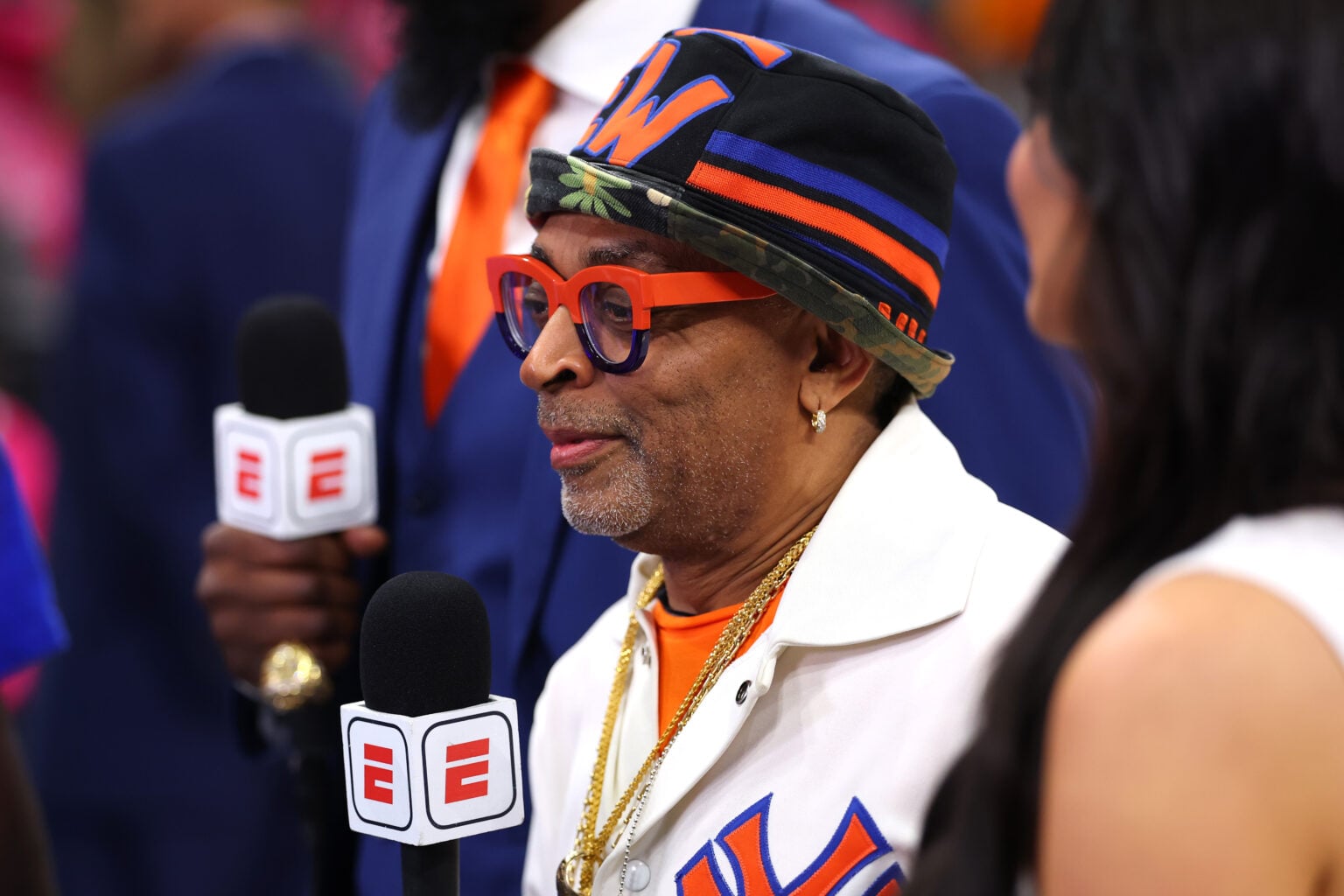
Spike Lee is the definitive famous Knicks fan, having occupied his courtside seat at Madison Square Garden for over four decades. His presence has shaped the intersection of basketball and pop culture, creating a legacy marked by intense loyalty, legendary rivalries with opposing stars, and occasional public friction with team ownership.
The Evolution of a Superfan: The Spike Lee Era at Madison Square Garden
The history of the New York Knicks is inextricably linked with the presence of director Spike Lee. While Madison Square Garden (MSG) has always attracted a "who’s who" of New York elite, Lee transitioned from a standard celebrity attendee to a cultural fixture of the franchise. His journey began long before he became an Academy Award-winning filmmaker; it started in the late 1970s when he began attending games as a passionate New Yorker.
By the mid-1980s, Lee was no longer just a face in the crowd. As his cinematic career took off with films like She's Gotta Have It and Do the Right Thing, his public persona became synonymous with the blue and orange of the Knicks. Unlike many celebrity fans who occupy luxury suites or arrive late, Lee’s commitment was characterized by his front-row seat—right on the floor, mere inches from the hardwood—and his tendency to wear full team regalia, including customized jerseys and his trademark Knicks-colored glasses.
In 2026, looking back at nearly half a century of his attendance, Lee’s status represents more than just fandom. He serves as a living archive of the team's highs and lows, from the physical, defensive-minded dominance of the 1990s to the lean years of the early 21st century. His longevity in that specific seat (Section 2, Row AA, Seat 11) has made him a human landmark within the "Mecca of Basketball."
From Brooklyn Roots to Courtside Legend
Lee’s fandom is rooted in the identity of New York City itself. Growing up in Brooklyn, he viewed the Knicks as the heartbeat of the city’s sports culture. When he began purchasing season tickets, he wasn't just buying access to a game; he was investing in a platform. This platform allowed him to represent the "voice" of the average New York fan, albeit from the most expensive seat in the building. His influence grew as he began incorporating the Knicks into his film work, most notably in He Got Game, which featured the Knicks' practice facilities and highlighted the cultural weight of basketball in urban life.
Establishing the "Uniform": The Cultural Impact of Spike Lee’s Gear
One cannot discuss Lee’s influence without mentioning his sartorial choices. He popularized the concept of the "Superfan Uniform." Whether it was a customized jersey honoring a legendary player like Willis Reed or contemporary stars, Lee’s wardrobe became a narrative of the team’s current state. His collaboration with brands like Nike and Jordan Brand further blurred the lines between fan and fashion icon, often debuting exclusive "Knicks colorway" sneakers that would later become highly sought-after collectibles.
Defining Moments: When Fandom Influenced the Outcome
The debate surrounding the influence of a famous fan often centers on whether their presence can actually affect the game's outcome. In the case of Spike Lee, there are documented instances where his interactions with players became a central plot point of NBA history.
The 1994 Eastern Conference Finals and the Reggie Miller Rivalry
The most famous example of a fan influencing a game occurred during the 1994 Eastern Conference Finals. During Game 5, Spike Lee engaged in relentless trash-talking with Indiana Pacers star Reggie Miller. This interaction "poked the bear," leading Miller to score 25 points in the fourth quarter alone. Miller famously turned to Lee, making a "choke" gesture that became one of the most iconic images in sports history.
This moment sparked a massive debate in New York: Had Spike Lee’s fandom actually cost the Knicks the game? The New York tabloids were ruthless, with headlines suggesting that Lee should "shut up" and let the players play. However, this moment also cemented the idea that a fan could be an active participant in the psychological warfare of professional sports.
The 8-Point Play and the 1999 Cinderella Run
Conversely, during the Knicks' improbable run to the 1999 NBA Finals, Lee was seen as a source of energy. As the 8th-seeded Knicks battled through the playoffs, Lee’s vocal support and visible passion at MSG served to galvanize the home crowd. During Larry Johnson’s famous "four-point play" against the Pacers, Lee’s reaction was broadcast globally, symbolizing the raw emotion of the New York faithful. In these moments, his influence was viewed as a positive "sixth man" effect, providing a psychological boost to a team that was perpetually the underdog.
The Economics and Psychology of Celebrity Fandom
The presence of a high-profile fan like Spike Lee provides a unique value proposition for a sports franchise. It elevates the brand's prestige and ensures that the team remains relevant in pop culture conversations, even during losing seasons.
| Metric | Impact of High-Profile Celebrity Fandom | Influence on Franchise Value |
|---|---|---|
| Media Exposure | Constant "cutaway" shots during broadcasts increase brand visibility. | High: Provides "free" marketing during national telecasts. |
| Recruitment | Celebrity presence makes a city/team feel like a "big stage" for stars. | Moderate: Players often enjoy the "glitz" of New York sports. |
| Ticket Demand | Creates a "see and be seen" atmosphere, driving up courtside pricing. | High: MSG courtside seats are among the most expensive in the world. |
| Fan Engagement | Acts as a relatable (though wealthy) avatar for the broader fan base. | Moderate: Bridges the gap between the team and the community. |
The Debate: Is the Famous Fan a Blessing or a Distraction?
The presence of an outspoken celebrity fan is not without controversy. For decades, analysts and fans have debated whether Spike Lee’s antics are a net positive for the New York Knicks.
The "Sixth Man" Argument
Proponents of the "Superfan" model argue that Lee brings a level of intensity that defines the New York experience. His presence ensures that opposing players know they are in for a hostile environment. Many former Knicks, including Patrick Ewing and Charles Oakley, have spoken about how Lee’s energy contributed to the atmosphere of the Garden during the 1990s. From this perspective, he is an asset—a cultural ambassador who keeps the arena's energy at a fever pitch.
The "Spike Lee vs. James Dolan" Power Struggle
The debate took a dark turn in March 2020, revealing the friction that can exist between a famous fan and team ownership. Lee was involved in a public dispute with Knicks owner James Dolan regarding which entrance he was allowed to use at MSG. Lee was stopped from using the employee entrance, which he claimed he had used for 20 years.
This incident led to Lee publicly stating he was "being harassed" by the owner and that he would not attend any more games for the remainder of that season. The debate then shifted from his behavior to the team's treatment of its most loyal supporters. Many fans sided with Lee, viewing him as a symbol of the "real" Knicks culture being suppressed by corporate mismanagement. This event highlighted the precarious nature of celebrity fandom: the fan is a customer, but when that fan is Spike Lee, they are also a part of the product.
Beyond Spike: The Broader Landscape of Famous Knicks Fans
While Lee is the most prominent, the Knicks boast a roster of famous fans that rivals any team in professional sports. This collective "celebrity row" influences the team's global perception.
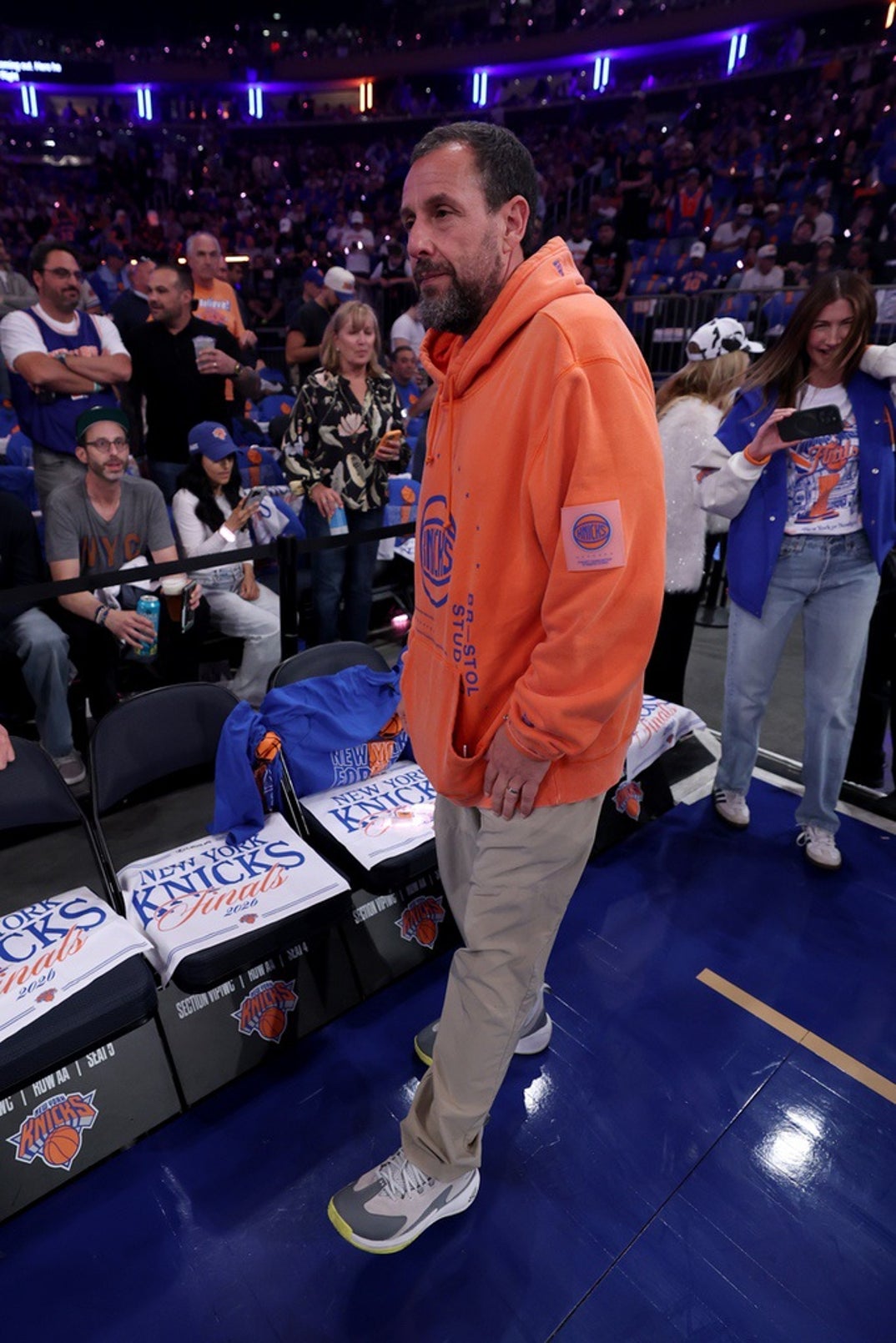
- Tracy Morgan: Known for his boisterous presence and frequent appearances on the jumbotron, Morgan represents the comedic, everyman soul of the Bronx.
- Ben Stiller: A more reserved but equally consistent fan, Stiller represents the lifelong, multi-generational New York fan.
- Chris Rock: Frequently seen courtside, often engaging in the same type of banter Lee popularized, though usually with more restraint.
- Jerry Ferrara: The Entourage star has parlayed his Knicks fandom into sports media roles, demonstrating how being a "famous fan" can become a career extension.
This "celebrity row" creates a feedback loop. Because famous people go to Knicks games, the games become a premier destination, which in turn attracts more famous people. This cycle has helped the Knicks remain the most valuable franchise in the NBA (or near the top) for years, despite lengthy championship droughts.
Requirements for Becoming a Knicks Superfan in the Modern Era
As of 2026, the landscape of fandom has changed due to social media and the "influencer" economy. However, the core requirements for achieving the status of a "Famous Knicks Fan" remain rooted in traditional values:
- Extreme Longevity: One cannot become a "legendary" fan overnight. Lee’s status is built on four decades of attendance. Consistency through losing seasons is the primary metric of respect.
- Financial Commitment: Courtside seats at MSG are a massive financial undertaking. In 2026, a full-season courtside package can cost upwards of $1 million, depending on the specific row and amenities.
- Vocal Presence: A famous fan who sits silently is merely an attendee. To be a "superfan," one must engage with the game, the players, and the officials.
- Cultural Contribution: The most influential fans contribute something back to the team's culture—whether it’s fashion, media coverage, or community activism.
Frequently Asked Questions
Has Spike Lee ever been banned from Madison Square Garden?
While there was significant tension during the 2020 "entrance gate" incident, Spike Lee was never officially banned. He chose to stop attending games for a period in protest of his treatment by security and ownership. He eventually returned to his courtside seat, and his relationship with the organization remains a complex mix of mutual necessity and historical friction.
Why do players like Reggie Miller focus on Spike Lee specifically?
Players often target Lee because he is the most visible and vocal representative of the New York fan base. By engaging with Lee, opposing stars can "silence" the Garden. It is a psychological tactic; if you can get the team's most famous supporter to look frustrated, it sends a message to the entire arena and the home team.
How much has Spike Lee spent on Knicks tickets over the years?
While exact figures are private, Lee famously stated during the 2020 dispute that he had spent nearly $10 million on tickets over the course of his life. Given the rising costs of courtside seating at Madison Square Garden, that figure is likely significantly higher by 2026.
Does the "celebrity row" at MSG actually help the Knicks win?
There is no statistical evidence that celebrity fans increase a team's winning percentage. However, the "Mecca" atmosphere they help create is a significant factor in attracting free agents. Players often cite the energy and high-profile nature of playing in New York as a primary reason for signing with the team, suggesting an indirect influence on the roster's quality.
Who is the "next" Spike Lee for the Knicks?
While several celebrities are regulars, few have shown the four-decade commitment required to match Lee. Fans like Jerry Ferrara and Jon Stewart are often mentioned, but Lee’s unique combination of cinematic influence and courtside longevity makes him an almost irreplaceable figure in the franchise's history.
Practical Recommendation for Fans and Collectors
If you are looking to study the history of famous Knicks fans or start a collection based on this niche, focus on the 1990s era. This was the peak of "Superfan" influence. Original "Spike Lee" branded Knicks gear from the 1990s, particularly the starter jackets and specific Nike "Knicks" colorways, remains highly valuable. For those interested in the debate of fan influence, viewing the "Winning Time: Reggie Miller vs. The New York Knicks" documentary provides the most comprehensive look at how a fan's voice can alter the course of an NBA playoff series.