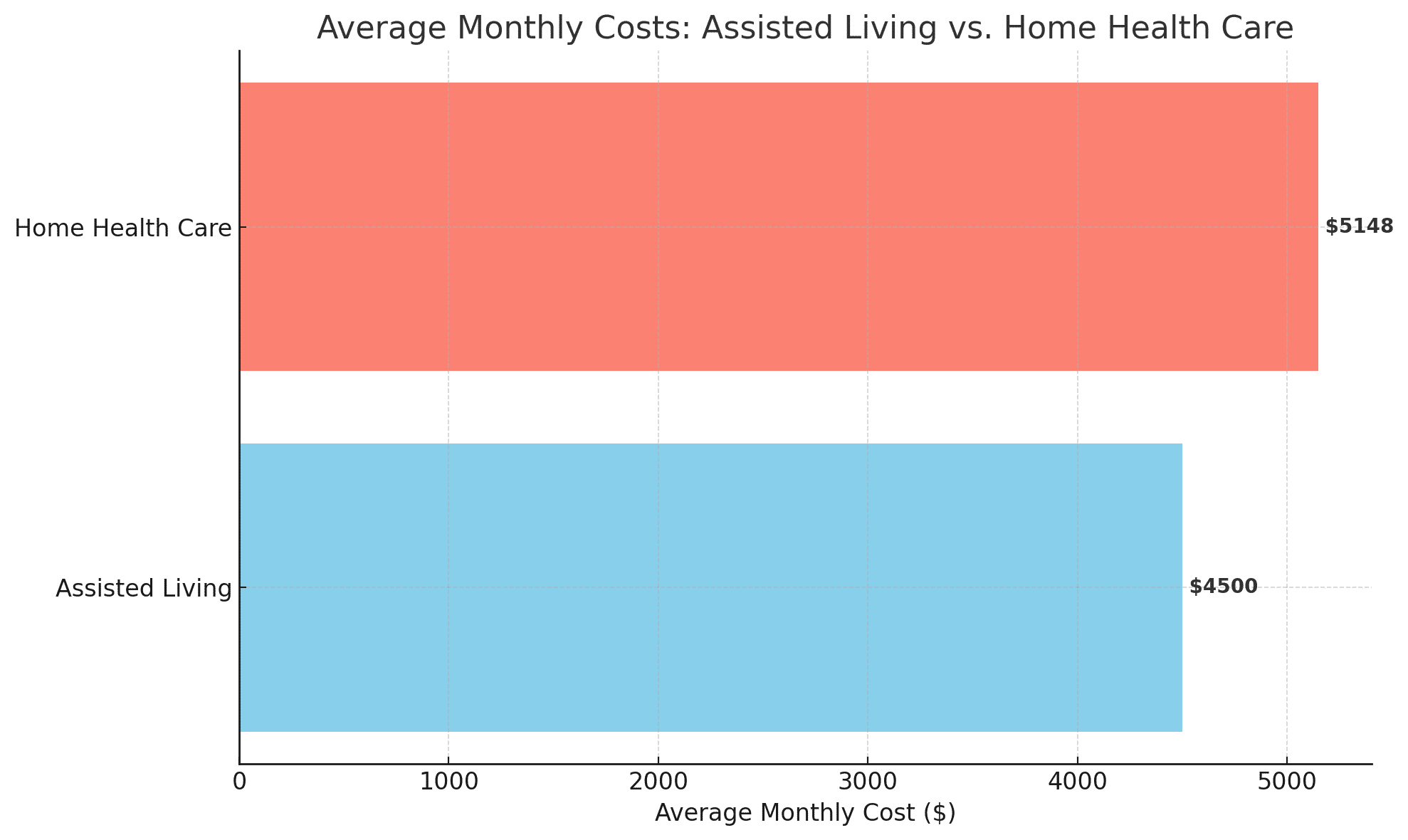
Navigating assisted living in Albuquerque involves balancing regional pricing trends, understanding what base rates actually cover, and preparing for future care needs as personal health circumstances evolve. Average monthly costs typically range from $3,500 to $5,000, though specialized memory care or high-acuity assistance requires significant additional financial planning.
Selecting a senior residential community requires examining a complex web of pricing structures, care tiers, regulatory frameworks, and long-term financial viability. For families exploring options within the Duke City, the decision rarely comes down to a single monthly sticker price. Instead, it involves unpacking how communities structure their fees, what services remain excluded from base rates, and how future medical needs will impact a senior's monthly budget. This examination details the financial realities of assisted living in Albuquerque as of 2026, explores the underlying cost drivers, addresses ongoing questions families frequently face, and offers a structured framework for evaluating regional options.
Understanding the True Cost of Assisted Living in Albuquerque
When examining senior living options, the advertised monthly base rate is frequently misunderstood. In Albuquerque, baseline assisted living typically covers room and board, utilities, housekeeping, basic maintenance, social programming, and general property amenities. However, these base rates rarely tell the complete story of a resident's monthly financial obligation.
Care fees are almost universally unbundled from the room rate. Communities utilize a tiered assessment model or point-based system to evaluate an incoming resident's activities of daily living (ADLs)—such as bathing, dressing, medication management, and mobility support. If a resident requires minimal intervention, their care fee remains low. If that same resident develops progressive mobility issues or cognitive decline, their care tier steps up automatically, triggering higher monthly invoices.
Average Regional Price Points
While national averages often skew higher, Albuquerque historically tracks slightly below the national median for assisted living, making it an attractive destination for retirees seeking affordability without sacrificing climate or culture.
- Base Assisted Living: Generally ranges between $3,800 and $5,200 per month, depending on the square footage of the apartment (e.g., studio versus one-bedroom) and the luxury level of the community amenities.
- Memory Care Units: Secured environments tailored for Alzheimer's disease and other forms of dementia command a premium due to higher staff-to-resident ratios and specialized programming. These rates typically span from $5,500 to $7,500 per month.
- Community Fee / Community Buy-In: Most facilities charge a one-time, non-refundable community fee upon move-in, ranging from $1,500 to $3,500, which covers apartment refurbishment, administrative onboarding, and initial assessments.
Cost Breakdown Comparison
To better understand how financial resources are allocated, the following table outlines the structural components of typical monthly expenses in Albuquerque facilities.
| Expense Category | Typical Monthly Range | What It Covers |
|---|---|---|
| Base Rent | $2,500 – $3,800 | Apartment occupancy, utilities (excluding extended phone/cable), dining plan, security, and general maintenance. |
| Tiered Care Fees | $800 – $2,500+ | Direct assistance with ADLs, medication administration, vital signs monitoring, and nursing oversight. |
| Community Fees | One-time ($1,500 – $3,500) | Administrative processing, apartment turnover, and initial nursing evaluation (non-refundable). |
| ** Ancillary Services** | Variable ($50 – $300) | Guest meals, specialized transportation, beauty salon services, and personal laundry upgrades. |
The Impact of Care Levels and Tiered Pricing
The most common point of friction for families is the shifting nature of care costs. A resident entering a facility in Albuquerque at a Tier 1 care level may experience an unexpected financial jump within twelve to eighteen months as normal aging progresses.
Tiered pricing structures require careful scrutiny during the initial tour and contract review phase. Families must ask administrators specific questions regarding how care assessments are conducted. For instance, if a resident temporarily needs assistance following a fall, does the facility automatically bump them up a tier, or is short-term rehabilitation care managed separately?
Furthermore, families must determine whether the facility offers a continuum of care—spanning independent living, assisted living, memory care, and skilled nursing on a single campus (often referred to as a Continuing Care Retirement Community or Life Plan Community). Choosing a continuum campus prevents stressful, disruptive physical relocations when health needs escalate, though these campuses often require higher upfront buy-in or community fees.
Funding Sources and Financial Assistance Options
Because Medicare does not cover long-term custodial care in an assisted living setting, families must explore alternative funding mechanisms to bridge the gap between private income and monthly facility bills.
Medicaid Waivers and New Mexico Programs
In New Mexico, the Centennial Care program manages Medicaid benefits, including home and community-based services waivers designed to help eligible low-income seniors avoid institutional nursing home placement. However, securing a waiver slot for assisted living can involve significant wait times, and not all licensed assisted living facilities accept Medicaid waiver payments for room and board, even if they accept them for the service component. Prospective residents must verify whether a facility holds a valid agreement with the New Mexico Human Services Department and Centennial Care managed care organizations.
Veterans Benefits
The Department of Veterans Affairs offers the Aid and Attendance pension benefit, which provides a monthly stipend added to standard VA pensions for qualifying wartime veterans and their surviving spouses who require the aid of another person to perform daily activities. This benefit can provide critical financial relief, though the application process requires detailed medical documentation and proof of financial eligibility, often taking several months to process.
Long-Term Care Insurance and Life Settlements
Policyholders holding traditional long-term care insurance policies must review their elimination periods (the waiting period before benefits kick in) and daily maximum benefit caps. Additionally, some families utilize life insurance policy conversions or life settlements to generate immediate liquidity for senior care expenses.
Evaluating Legal, Regulatory, and Consumer Protection Realities
Assisted living facilities in New Mexico are licensed and regulated by the New Mexico Department of Health (NMDOH) Health Facility Licensing and Certification Bureau. Regulatory oversight ensures that facilities maintain minimum standards regarding staff background checks, medication administration protocols, physical plant safety, and resident rights.
Before signing any contract, families should utilize public state databases to investigate a facility's compliance history. Look specifically for:
- Unresolved health and safety citations.
- Staffing ratio violations.
- Corrective action plans filed in response to state inspections.
Independent consumer advocacy groups and the New Mexico Aging and Long-Term Services Department offer resources and guidance to help families evaluate provider quality and understand resident rights under state law.
Ongoing Questions Every Family Should Ask
When touring facilities across Albuquerque, families should move beyond the marketing brochures and press hard on operational specifics. Asking the right questions prevents financial surprises down the road.
1. How frequently are care assessments conducted, and who performs them?
Facilities should re-evaluate residents periodically (typically every six months or immediately following a significant change in condition). Knowing who conducts these assessments—whether an RN, a licensed practical nurse, or an administrative director—ensures that care tier adjustments are clinically justified rather than driven by revenue targets.
2. What is the policy on rent and care fee increases?
Annual inflation adjustments are standard across the industry, but families must check the historical rate of increase over the past three to five years. Are increases capped by contract, or can management raise rates at their discretion with a 30-day notice?
3. Under what conditions is a resident asked to move out?
Every facility has a threshold beyond which they can no longer legally or practically care for a resident. This threshold typically involves severe behavioral symptoms associated with advanced dementia, bed-bound status requiring two-person assists, or complex medical interventions (such as continuous IV therapy or heavy wound care) that require skilled nursing facilities. Understanding these thresholds early prevents sudden relocation crises.
4. What happens if a resident exhausts their private funds?
Some nonprofit or mission-driven facilities have benevolent care funds or accept Medicaid after a resident has privately paid for a specified number of years (often referred to as a private-pay requirement). Most for-profit corporate chains, however, require discharge if private funds run out.
Practical Next Actions for Families
Navigating the financial and logistical landscape of senior care requires a methodical, step-by-step approach.
- Conduct a Comprehensive Financial Audit: Calculate all reliable monthly income sources (Social Security, pensions, retirement distributions) and catalog liquid versus illiquid assets. Consult with a certified elder law attorney or a financial planner specializing in senior care before liquidating major assets.
- Obtain Professional Medical Evaluations: Have a primary care physician document the senior's exact functional limitations (ADL dependencies) to provide a clear baseline when requesting accurate care quotes from prospective facilities.
- Tour a Diverse Cross-Section of Facilities: Visit at least three distinct locations in Albuquerque—ranging from smaller residential board-and-care homes to large corporate campuses—to compare atmosphere, staff engagement, and hidden cost structures.
- Review Contracts with Legal Scrutiny: Never sign an admission agreement on the day of a tour. Take the contract home, read the arbitration clauses, fee schedules, and discharge policies thoroughly, and clarify any ambiguous language in writing before execution.
By approaching the cost realities of assisted living in Albuquerque with clear-eyed preparation and rigorous questioning, families can secure stable, dignified residential care while protecting their long-term financial security.