Aquafis smart water temperature monitoring represents a sophisticated approach to maintaining domestic and commercial water systems by providing real-time data, automated alerts, and detailed historical analytics. These systems are designed to bridge the gap between static plumbing infrastructure and modern digital monitoring, allowing users to track thermal fluctuations, prevent energy waste, and mitigate risks associated with water systems, such as Legionella prevention or pipe freezing protection.
Understanding the Core Components of Aquafis Systems
At its fundamental level, an Aquafis-style smart water temperature monitoring solution consists of three primary layers: the physical sensing hardware, the data transmission gateway, and the software interface (usually a cloud-based dashboard or mobile application).
Physical Sensing Hardware
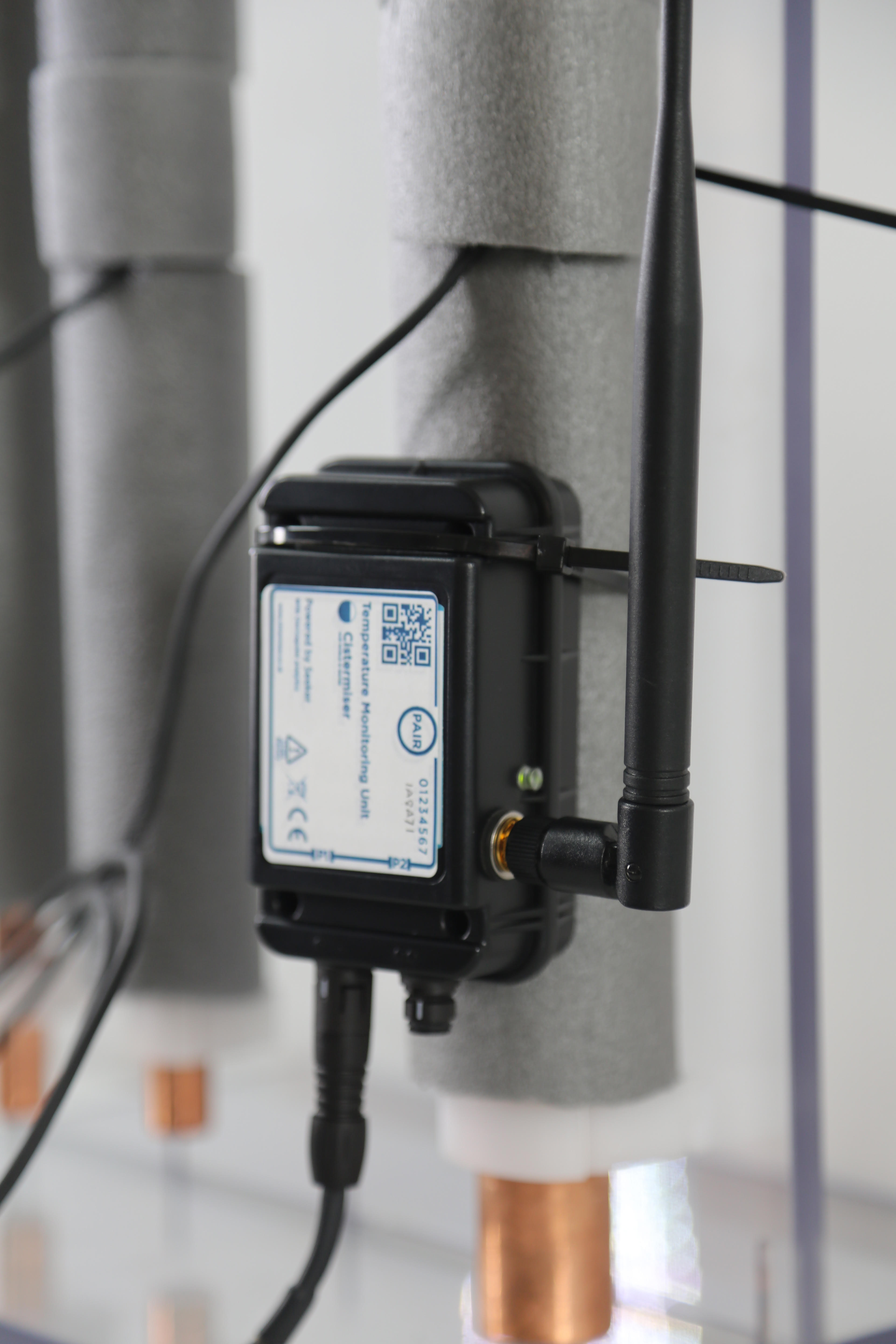
The sensors are typically non-invasive or inline thermistors. In most residential and light commercial configurations, these sensors are strapped to the external pipework, usually near the water heater outlet or at points of distribution. By measuring the surface temperature of the pipe, the system can infer the internal water temperature with high accuracy, provided the pipe material—typically copper or PEX—has a known thermal conductivity profile.
Data Transmission and Connectivity
Data does not remain trapped at the pipe. Once the sensor captures a reading, the information is processed by a local node and sent via Wi-Fi, LoRaWAN, or cellular signals to a central hub. In 2026, the reliance on low-power, wide-area network (LPWAN) protocols has become the industry standard for these devices, as they allow for battery-operated sensors that can function for years without requiring a battery change.
Digital Analytics and User Interfaces
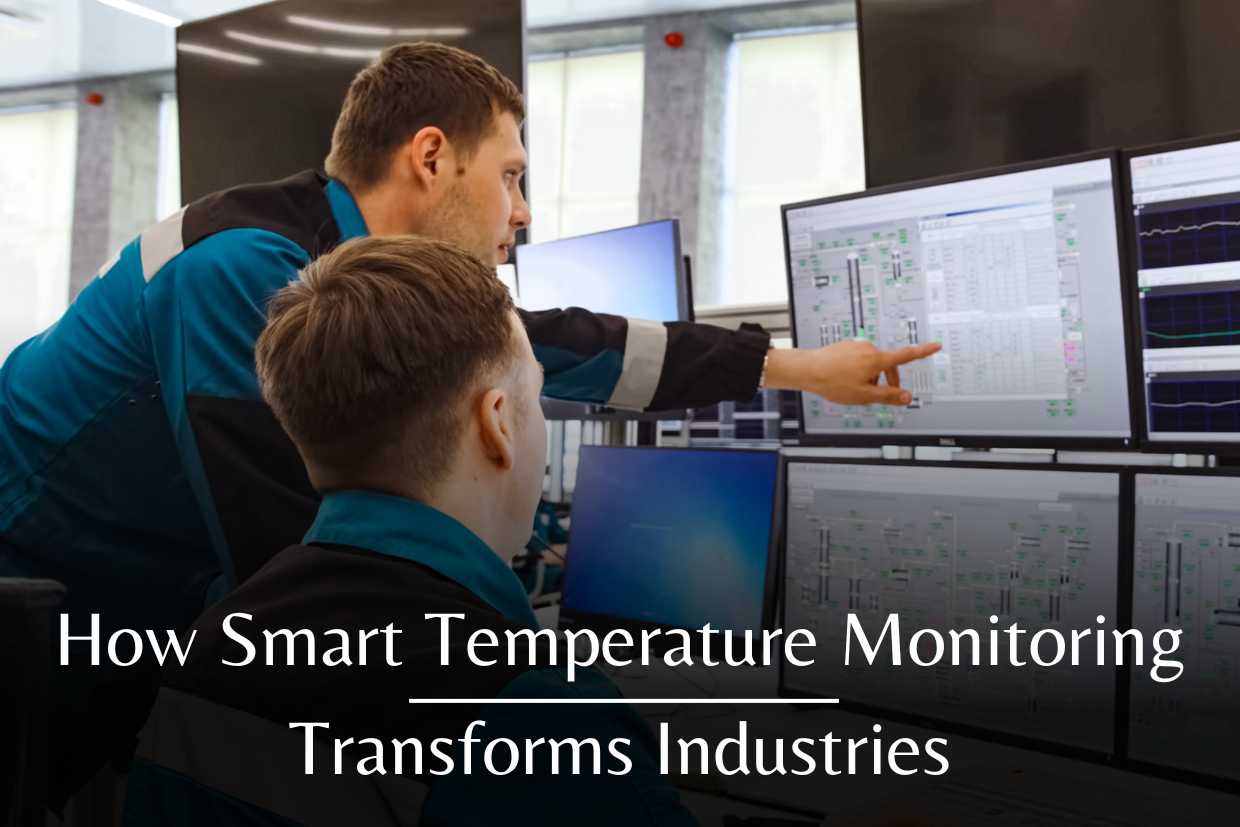
The user-facing side of the monitoring system is where actionable intelligence occurs. Users view their water temperature data in real-time, set up "if-this-then-that" (IFTTT) protocols, and receive push notifications if temperatures fall outside of a user-defined safety window. This interface is the primary tool for diagnostic decision-making.
Why Temperature Monitoring is Critical in 2026
Modern water systems are becoming increasingly complex. Integrating a smart monitoring system is no longer just a luxury for the data-obsessed; it is a vital tool for property management and system longevity.
Energy Efficiency and Cost Optimization
Water heating accounts for a significant percentage of a property’s total energy consumption. By monitoring the actual water temperature at the tap versus the setting on the boiler, users can identify "heat loss" occurring in distribution lines. In many cases, homes are set to unnecessarily high temperatures. Real-time data allows users to dial in their water heaters to the exact efficient temperature needed, saving costs while maintaining comfort.
Safety and Compliance
In both residential and commercial settings, temperature plays a massive role in safety.
- Legionella Control: Maintaining hot water above 60°C (140°F) and cold water below 20°C (68°F) is a standard guideline for preventing the growth of Legionella bacteria. Smart monitoring provides an automated, verifiable log of these temperatures, which is often required for commercial compliance.
- Pipe Burst Prevention: During extreme weather, smart monitoring can act as an early warning system. By detecting a drop in temperature within plumbing lines before water actually freezes, the system can trigger automated alerts, giving homeowners time to open cabinets or adjust heating to prevent catastrophic pipe bursts.
Installation Prerequisites and Implementation Steps
Implementing a smart monitoring system is a systematic process. Before purchasing, it is essential to verify your environmental constraints.
1. Site Assessment
Determine how many monitoring points are required. For a standard home, one sensor at the main outlet of the water heater and one at the furthest point in the plumbing loop (the "point of use") is the minimum recommended configuration. This allows the user to see the "delta"—the temperature lost while water travels through the pipes.
2. Connectivity Verification
Ensure your chosen location for the sensors has adequate signal reach. If your basement water heater is in a concrete enclosure, standard Wi-Fi may struggle. In such cases, consider systems that use Zigbee or Z-Wave, which utilize mesh networking to extend signal range through walls and floors.
3. Installation Sequence
- Prepare the pipe: Ensure the pipe surface is clean and free of insulation or corrosion at the sensor contact point.
- Mount the sensor: Apply thermal paste if recommended by the manufacturer to ensure a consistent thermal bridge between the pipe and the sensor.
- Calibrate: Most modern systems come with a digital calibration wizard. Use an infrared (IR) thermometer as a secondary, manual check during the initial setup to ensure your digital dashboard aligns with the actual physical pipe temperature.
- Network Pairing: Connect the system to your mobile application, label the sensors according to their location (e.g., "Main Heater Output," "Second Floor Bath"), and set your threshold alerts.
Comparative Overview of Monitoring Technologies
The market for water monitoring technology has expanded significantly. Understanding the trade-offs between different sensor types is essential for selecting the right setup.
| Feature | Surface-Mount Sensors | Inline Immersion Sensors |
|---|---|---|
| Ease of Install | High (No plumbing required) | Low (Requires pipe cutting) |
| Accuracy | Good (Subject to ambient air) | Excellent (Direct contact) |
| Cost | Budget-friendly | Higher (Parts + labor) |
| Longevity | Moderate | High |
| Best For | DIY / Retrofitting | New construction / Industrial |
Troubleshooting Common Issues
Even the most robust smart water systems may encounter technical hiccups. Most issues in 2026 are related to connectivity or environmental interference rather than the sensor hardware itself.
Signal Drops
If your dashboard shows "offline" status, the primary culprit is usually a gateway that has been moved or obstructed. Ensure that any Wi-Fi routers or hubs are situated in a central location. If using a mesh system, add a secondary node closer to the utility room.
Inaccurate Readings
If your readings seem lower than the physical water temperature, check the insulation. Heat loss between the pipe and the ambient air in a basement can artificially deflate readings. Most smart systems allow for a "calibrated offset" in the software settings, where you can add a fixed number of degrees to account for this natural pipe-to-air loss.
False Alert Fatigue
If the system sends too many notifications, your alert thresholds are likely too sensitive. Adjust the "trigger delay"—a setting that prevents the system from alerting you if the temperature dips for only a few seconds (e.g., while you are actively using water). Set the alert to trigger only after the temperature stays below the target for five or more minutes.
Important Considerations for Privacy and Security
Because smart home data is sensitive, it is important to choose manufacturers that prioritize data encryption. Ensure that your monitoring system utilizes end-to-end encryption for the data transmitted from your hub to the cloud. Furthermore, avoid systems that require an open port on your home router for operation, as this can introduce security vulnerabilities into your local network.
Frequently Asked Questions (FAQ)
Does smart water temperature monitoring save money on utility bills? Yes. By identifying that water heaters are set too high or that circulation pumps are running unnecessarily, users often find they can adjust their settings to match actual usage patterns, directly reducing energy consumption.
Can these systems automatically shut off water during a freeze event? Most current-generation monitoring systems are focused on data collection and alerting rather than mechanical intervention. To automate shutoffs, you would need to integrate the monitoring system with a secondary "smart water valve" that receives commands via your home automation platform.
How accurate are external pipe-strap sensors? When properly installed with a thin layer of thermal conductive paste and wrapped in pipe insulation, these sensors can reach an accuracy within 0.5°C to 1°C of the internal water temperature, which is sufficient for almost all residential use cases.
Do I need a professional plumber to install these systems? In most cases, no. Surface-mount sensors are designed for DIY installation. If you opt for an inline immersion sensor that requires breaking the pipe seal, professional plumbing assistance is strongly recommended to prevent leaks.
What is the battery life for wireless water temperature sensors? Using modern low-power protocols like BLE or LoRaWAN, most sensors are designed to run for 24 to 36 months on a single coin-cell or AA lithium battery.
Will this work if I have a tankless water heater? Yes, though the monitoring profile changes. Tankless systems have different thermal characteristics than tank-based heaters. Look for a monitor that supports "high-sampling rate" modes to capture the fast temperature rise associated with tankless heating cycles.
Next Steps for Home Optimization
To begin your transition to a smarter water system, start by purchasing a single-point monitor and installing it on your primary water heater output. Observe the data for at least one full billing cycle (30 days). This initial "data gathering" phase will reveal the current thermal efficiency of your system. Once you have a baseline, you can make informed decisions about whether to add secondary sensors to your plumbing loops or to integrate automated shutoff valves. Focus first on visibility; you cannot optimize what you cannot measure.