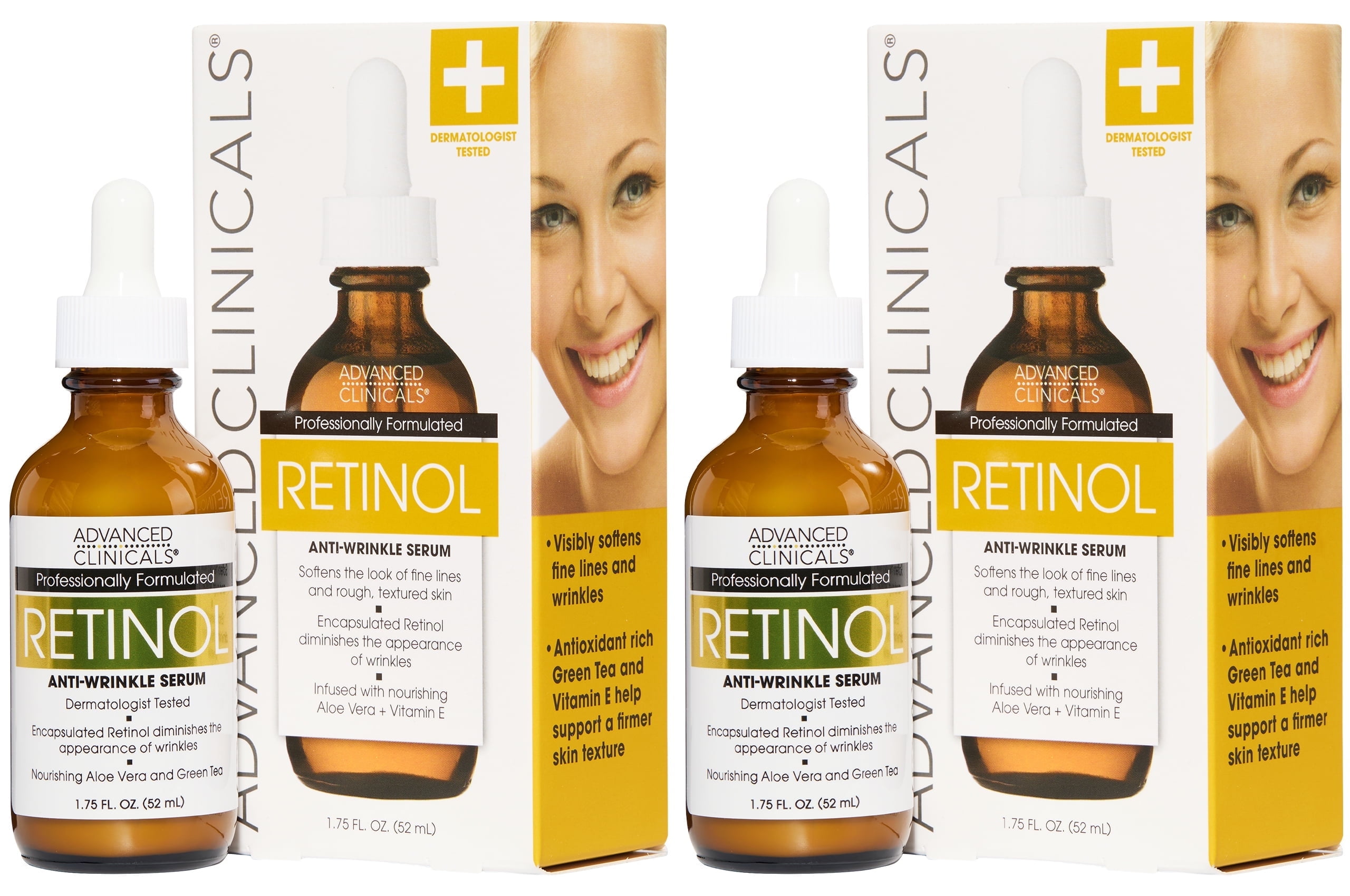
Anti-wrinkle retinol is a Vitamin A derivative that serves as the gold standard in non-invasive anti-aging. It functions by accelerating cellular turnover and stimulating collagen synthesis within the dermis. This biological process smooths fine lines, fades hyperpigmentation, and improves skin texture, though it requires consistent application and proper sun protection to be effective.
For decades, dermatologists have heralded retinol as the most evidence-based topical solution for reversing the signs of photoaging. As we navigate the skincare landscape of 2026, the technology behind these formulations has evolved significantly, moving from unstable, irritating liquids to sophisticated, encapsulated delivery systems that maximize efficacy while minimizing the "retinoid burn" historically associated with the ingredient. Understanding how to integrate this powerhouse into a routine requires a grasp of its biological mechanisms, the various concentrations available, and the strategic patience necessary for cellular transformation.
The Biological Mechanism: How Retinol Reverses Wrinkles
To understand why retinol is effective, one must look at the cellular structure of the skin. Retinol belongs to a family of compounds known as retinoids. When applied topically, retinol is not immediately active. It undergoes a two-step conversion process within the skin: first into retinaldehyde (retinal) and then into retinoic acid. Retinoic acid is the biologically active form that communicates directly with skin cell receptors.
Once converted, retinoic acid binds to Retinoic Acid Receptors (RAR) and Retinoid X Receptors (RXR) located in the cell nucleus. This binding triggers a series of beneficial actions:
- Proliferation of Keratinocytes: It speeds up the rate at which new skin cells are produced in the basal layer. This pushes older, damaged cells to the surface where they are eventually shed, resulting in a smoother, more radiant complexion.
- Collagen Synthesis: Retinol inhibits the expression of matrix metalloproteinases (MMPs), which are enzymes responsible for breaking down collagen. Simultaneously, it stimulates fibroblasts to produce new collagen and elastin fibers, which provide the structural "scaffolding" that prevents the skin from sagging or creasing.
- Angiogenesis: It promotes the formation of new blood vessels in the skin, which improves circulation and gives the skin a healthier, more youthful "glow."
- Melanin Regulation: By interfering with the transfer of pigment, retinol helps fade age spots and post-inflammatory hyperpigmentation, creating a more even skin tone.
This complex biological intervention is why retinol remains the benchmark for anti-aging. Unlike moisturizers that simply plump the skin temporarily by adding hydration, retinol fundamentally changes how the skin functions at a cellular level.
Navigating the Retinoid Hierarchy
Not all anti-wrinkle retinol products are created equal. The "retinoid ladder" describes the potency of various Vitamin A derivatives based on how many conversion steps they require to become retinoic acid. Generally, the fewer the steps, the more potent (and potentially irritating) the ingredient.
Over-the-Counter (OTC) Retinoids
Most consumers begin with OTC products. These are regulated as cosmetics and are designed for gradual results with manageable side effects.
- Retinyl Esters (e.g., Retinyl Palmitate): These require three conversion steps. They are the weakest and least irritating, making them suitable for extremely sensitive skin or the eye area, though they take much longer to show results.
- Retinol: This is the most common form found in high-quality serums and creams. It requires two conversion steps. Modern formulations in 2026 often use encapsulated retinol, where the molecule is housed in a lipid or polymer shell. This protects the retinol from light and air and allows for a slow-release delivery, reducing the risk of irritation.
- Retinaldehyde (Retinal): This requires only one conversion step. It is significantly more potent than standard retinol and has been shown to work up to 11 times faster. It also possesses antibacterial properties, making it an excellent choice for individuals dealing with both wrinkles and adult acne.
Prescription Retinoids
Prescription-strength retinoids are classified as drugs and provide the fastest results but carry a higher risk of redness and peeling.
- Tretinoin (Retin-A): Pure retinoic acid. It requires zero conversion steps and is the most researched anti-aging ingredient in existence.
- Adapalene: A synthetic retinoid often used for acne but with proven anti-aging benefits. It is available over-the-counter in some jurisdictions at lower concentrations (e.g., 0.1%).
- Tazarotene: One of the most potent prescription retinoids, often reserved for severe photoaging or psoriasis.
Comparison of Retinoid Types and Efficacy
| Ingredient Type | Conversion Steps | Potency | Common Use Case | Typical Results Timeline |
|---|---|---|---|---|
| Retinyl Palmitate | 3 Steps | Low | Sensitive skin / Beginners | 6–9 Months |
| Retinol | 2 Steps | Moderate | General anti-aging / Fine lines | 3–6 Months |
| Retinaldehyde | 1 Step | High | Advanced aging / Acne-prone skin | 2–4 Months |
| Tretinoin (Rx) | 0 Steps | Very High | Deep wrinkles / Severe sun damage | 1–3 Months |
The Art of Application: The "Low and Slow" Method
The most common reason users abandon anti-wrinkle retinol is the "retinization" period. This is the 2-to-4-week window where the skin adjusts to the increased cell turnover, often resulting in dryness, redness, and flaking. To bypass these issues, dermatologists recommend the "Low and Slow" approach.
Frequency and Timing
Retinol should almost always be applied at night. Vitamin A is highly sensitive to UV light (photolabile), which can degrade the ingredient and render it ineffective. Furthermore, the skin’s natural repair processes peak during sleep, making it the ideal time for cellular intervention.
- Phase 1 (Weeks 1-2): Apply a pea-sized amount every third night.
- Phase 2 (Weeks 3-4): Increase to every other night if no significant irritation occurs.
- Phase 3 (Month 2+): Move to nightly application as tolerated.
The "Sandwich Technique"
For those with dry or reactive skin, the sandwich technique is a highly effective mitigation strategy. This involves applying a layer of moisturizer, followed by the retinol, and then another layer of moisturizer. This creates a buffer that slows down the penetration of the retinol without neutralizing its long-term benefits.
Strategic Product Placement
A "pea-sized" amount is sufficient for the entire face. Divide this small amount into four dots: forehead, chin, and both cheeks. Gently spread outward, avoiding the immediate corners of the nose, the mouth, and the eyelids, where the skin is thinnest and most prone to cracking.
Synergistic Ingredients and Critical Contraindications
While retinol is a powerhouse, it does not work in a vacuum. Its efficacy can be enhanced—or its side effects exacerbated—by the other ingredients in your 2026 skincare regimen.
Positive Synergies
- Ceramides and Fatty Acids: These help repair the skin barrier, which can be temporarily compromised by retinol use.
- Hyaluronic Acid: Since retinol can be drying, a humectant like hyaluronic acid is essential for drawing moisture back into the skin.
- Niacinamide (Vitamin B3): Niacinamide helps stabilize the skin barrier and reduces the redness associated with retinization. Many modern serums combine these two into a single formulation.
- Sunscreen (SPF 30+): This is non-negotiable. Retinol makes your skin more susceptible to UV damage. Using retinol without daily SPF is counterproductive, as the sun will destroy the very collagen you are trying to build.
Ingredients to Avoid Simultaneously
- Vitamin C (L-Ascorbic Acid): These two ingredients operate at different pH levels. Using them at the same time can cause irritation and decrease the efficacy of both. Use Vitamin C in the morning and retinol at night.
- AHAs and BHAs (Glycolic, Salicylic Acid): Using chemical exfoliants on the same night as retinol often leads to over-exfoliation and a damaged skin barrier. If you must use both, alternate nights (skin cycling).
- Benzoyl Peroxide: This can oxidize certain formulations of retinol, making them less effective.
Managing the Side Effects of Retinization
If you experience significant peeling or stinging, it is a sign that your skin barrier is compromised. In such cases, the best course of action is to "short-contact" the product or take a "barrier break."
Short-contact therapy involves applying the retinol for 30 to 60 minutes and then washing it off. This allows the skin to be exposed to the active ingredient briefly, building tolerance without the prolonged irritation of overnight wear. If redness persists, stop all actives for 72 hours and focus exclusively on hydration and occlusive balms (like those containing cica or petrolatum) until the skin feels comfortable again.
FAQ: Common Concerns Regarding Anti-Wrinkle Retinol
At what age should I start using retinol for wrinkles? Most dermatologists suggest starting in your mid-20s to early 30s. This is the period when natural collagen production begins to slow by approximately 1% each year. Starting early acts as a preventative measure, maintaining skin density before deep wrinkles have the chance to form.
Can I use retinol if I have sensitive skin or rosacea? Yes, but you must be cautious. Opt for encapsulated retinol or retinyl esters, which provide a more controlled delivery. Many people with sensitive skin find success with "bakuchiol," a plant-based alternative that offers similar gene-expression pathways to retinol without the irritation.
How long does it take to see visible results? Retinol is not an overnight fix. While you may notice a "glow" within a few weeks due to exfoliation, the actual reduction of fine lines and wrinkles typically takes 12 to 24 weeks of consistent use. This is the time required for new collagen to be synthesized and reorganized within the dermis.
Is it safe to use retinol during pregnancy? Standard medical advice from organizations like the American College of Obstetricians and Gynecologists (ACOG) is to avoid topical retinoids during pregnancy and breastfeeding. While systemic absorption from creams is low, the potential risk of birth defects associated with high-dose Vitamin A (Isotretinoin) leads doctors to recommend safer alternatives like Glycolic Acid or Bakuchiol during this time.
Does retinol thin the skin? This is a common myth. While retinol thins the stratum corneum (the outermost layer of dead skin cells), it actually thickens the deeper layers of the dermis by stimulating collagen production. This results in firmer, more resilient skin over time, rather than thinner skin.
Can I use retinol on my neck and chest? Yes, but be aware that the skin on the neck and chest has fewer oil glands and is much thinner than facial skin. It is highly prone to irritation. Start by mixing your retinol with a neck cream or moisturizer and apply it only once or twice a week to gauge sensitivity.
Practical Recommendation: Starting Your Journey
For those new to anti-wrinkle retinol in 2026, the most effective path forward is to select a stabilized, encapsulated 0.3% to 0.5% retinol serum. Begin by using it twice a week on non-consecutive nights. Always apply to dry skin, as damp skin can increase absorption and potential irritation. Pair your evening application with a rich ceramide cream and never skip a high-SPF sunscreen the following morning. If your skin shows no signs of distress after four weeks, gradually increase the frequency. Consistency, rather than intensity, is the key to achieving long-term structural changes in the skin.