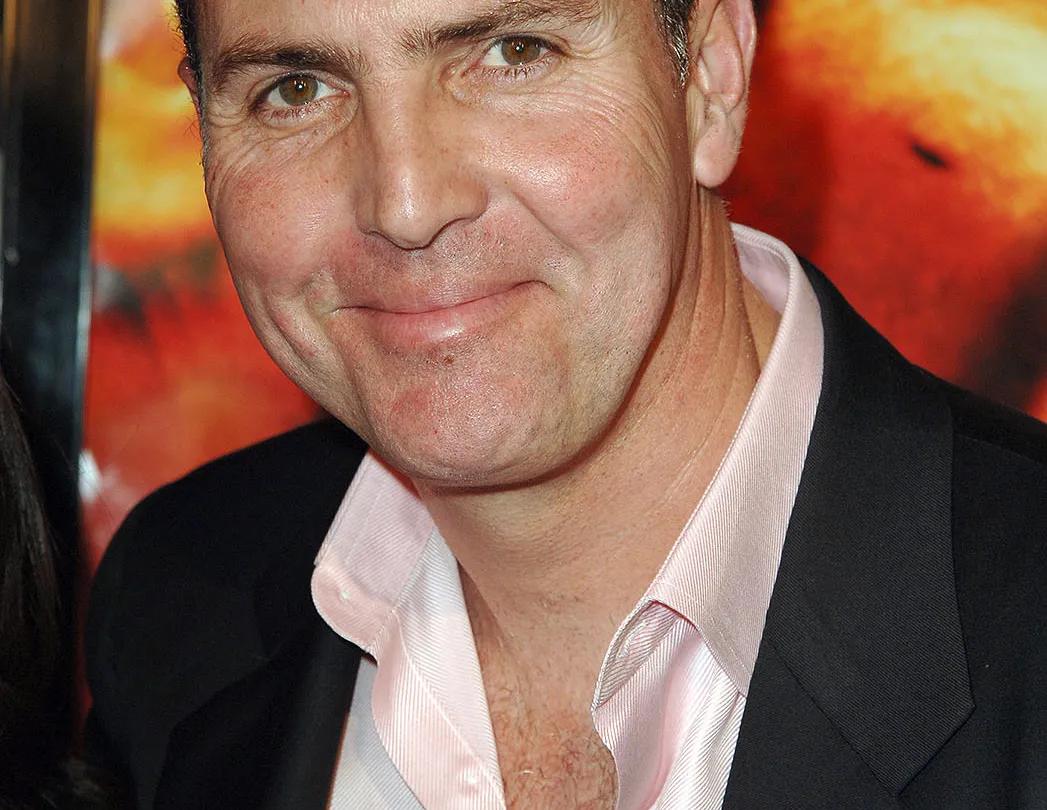
Independent Connecticut rapper Anoyd carries an estimated net worth between $100,000 and $500,000. Because independent recording artists do not publicly file annual financial statements, this net worth range reflects cumulative earnings from streaming royalties, live performances, merchandise sales, feature guest verses, music publishing, and direct-to-fan commerce after accounting for independent production costs.
| Metric | Detail |
|---|---|
| Estimated Net Worth Range | $100,000 - $500,000 |
| Primary Revenue Driver | Digital Streaming & Live Shows |
| Catalog Ownership Model | Independent / Master Control |
| Primary Geographic Market | United States (Northeast) |
Who Is Anoyd? Career Background and Business Model
Anoyd, born Chaz Brooks, is an American hip-hop artist hailing from Connecticut. Known for his dense lyrical delivery, intricate rhyme schemes, and sharp storytelling, Anoyd built his reputation through high-impact mixtapes, viral radio freestyles, and relentless touring across the independent hip-hop circuit.
Unlike mainstream artists who secure multi-million-dollar advances from major record labels in exchange for giving up copyright ownership, Anoyd operates primarily within an independent business framework. His discography includes standout projects such as Once In A While, Blame It On Brando, YNN (Young N' Nasty), The Feeling Is Real, and Anoyd vs. Brando.
Understanding Anoyd’s net worth requires examining how an independent rap artist generates cash flow without traditional major label backing. Major label signees often receive large upfront advances that function as recoupable loans against future earnings. Independent artists retain their master recording rights, earning significantly higher royalty percentages per stream or sale, though they bear full responsibility for production, marketing, and distribution costs.
Deconstructing Anoyd's Primary Revenue Streams
An independent musical artist's net worth is built upon multiple revenue channels. For Anoyd, earnings stream from several core operational areas in the modern music ecosystem.
- ANOYD REVENUE STREAMS
- Digital Streaming
- Live Shows & Touring
- Merch & Direct Sales
- Publishing & Licensing
1. Digital Streaming Platforms (DSPs)
Digital streaming accounts for a baseline portion of Anoyd's annual revenue. Platforms like Spotify, Apple Music, YouTube Music, and Amazon Music compensate rights holders using a pro-rata payout model based on overall platform stream share.
- Spotify Payout Dynamics: On average, Spotify pays rightsholders between $0.003 and $0.005 per stream. An independent track accumulating 1,000,000 streams on Spotify yields roughly $3,000 to $5,000 in gross master royalties.
- Apple Music Payout Dynamics: Apple Music typically pays a slightly higher rate, averaging around $0.007 to $0.01 per stream, generating approximately $7,000 to $10,000 per million plays.
- Master Royalty Retention: Because Anoyd releases music independently through digital distribution platforms like DistroKid or TuneCore, he retains up to 100% of his master royalties after small annual distribution fees, compared to major label signees who often retain only 15% to 20% after advance recoupment.
Across a catalog spanning dozens of singles, mixtapes, and albums, cumulative streams across all platforms convert into a steady passive revenue stream that supports his ongoing net worth.
2. Live Performances, Touring, and Booking Fees
Live music performance historically represents the largest source of liquid cash flow for independent hip-hop artists. Anoyd's income in this sector stems from several venue tiers:
- Headlining Local & Regional Shows: Performing at mid-capacity music halls across the East Coast generates direct ticket revenue split with venues or flat booking fees.
- Support Slots on Major Tours: Opening for established national acts (such as Chris Webby, Statik Selektah events, or regional hip-hop showcases) provides guaranteed performance fees and exposure to new fanbases.
- Festival Performances & Club Appearances: Special event bookings pay fixed appearance fees ranging from several hundred to several thousand dollars per set, depending on venue size and event sponsorship.
3. Merchandise and Direct-to-Fan Sales
Merchandise represents high-margin revenue for independent rappers. Anoyd leverages custom apparel, physical media, and limited-edition items sold online and at concert venues.
- Physical Apparel: T-shirts, hoodies, hats, and outerwear sold directly via dedicated artist webstores or platforms like Bandcamp routinely yield net profit margins of 40% to 60%.
- Physical Media & Collectibles: Limited vinyl pressings, CDs, and exclusive physical items carry premium pricing for dedicated fans, generating immediate cash injection during project launch windows.
4. Songwriting, Guest Features, and Performance Rights (PROs)
Anoyd earns income through song composition and guest feature verses for other recording artists.
- Guest Feature Verses: Established independent lyrical artists often charge external artists fixed rates (typically $500 to $2,500+ per verse) to contribute guest verses to third-party projects.
- Performance Rights Organizations (PROs): As a composer, Anoyd registers his songwriting catalog with organizations like ASCAP or BMI. Whenever his compositions are played on satellite radio, terrestrial radio, television broadcasts, or public venues, PROs collect and distribute songwriter performance royalties.
5. Sync Licensing and Digital Content Monetization
Sync licensing involves placement of musical compositions and sound recordings in television shows, films, video games, commercials, and digital video content.
- Sync Licenses: Securing a single song placement in a television series or independent film can yield upfront license fees ranging from $1,000 to over $10,000, alongside ongoing backend royalties.
- YouTube Content ID & Social Media Audio: Monetizing official music videos, visualizers, and user-generated content utilizing his sound recordings generates continuous ad-revenue splits via digital distributors.
Financial Economics of Independent Music: Gross vs. Net Income
Gross revenue in the music industry does not directly equal net worth. Independent artists act as small business entities, taking on operating expenses that reduce gross income before calculating personal net worth.
| Expense Category | Typical Costs & Operational Scope |
|---|---|
| Beat Production & Mixing | Beat licensing, custom production, studio engineering |
| Mastering & Audio Tech | Professional audio mastering per track or album |
| Marketing & Promotion | PR campaigns, digital ad spend, playlist submission |
| Visual Content Creation | Music video production, graphic design, photography |
| Travel & Tour Logistics | Transportation, lodging, session musicians, tour sound |
Production and Audio Engineering Costs
While home studios have reduced baseline recording costs, professional mixing and mastering remain essential for commercial-quality audio. Producing a high-quality 10-track project often costs between $3,000 and $15,000 in beat licensing, production, vocal editing, mixing, and mastering.
Visual Content and Digital Marketing
Independent hip-hop relies heavily on video content for discovery. High-definition music video productions cost anywhere from $1,000 for DIY visuals to $10,000+ for cinematic concepts. Additionally, direct-to-consumer ad campaigns on Instagram, TikTok, and YouTube require dedicated ad spend to maintain audience engagement.
Touring and Operational Overhead
Touring generates cash, but expenses like fuel, vehicle rentals, hotel accommodations, sound technicians, and merchandise manufacturing cut into gross ticket sales. An independent artist typically clears 30% to 50% of total tour gross as net profit.
Detailed Matrix: Revenue Channels Impacting Anoyd's Net Worth
The breakdown below outlines how each revenue stream operates, its typical net margin percentage, and its overall contribution to an independent rap artist's asset base.
| Revenue Stream | Monetization Model | Estimated Net Margin % | Primary Overhead Costs | Valuation Impact |
|---|---|---|---|---|
| Digital Streaming (DSPs) | Per-stream pro-rata payouts | 85% – 100% | Distribution platform fees, initial audio production | High (Provides stable monthly baseline cash flow) |
| Live Shows & Touring | Ticket splits, door guarantees, festival fees | 30% – 50% | Travel, lodging, venue cuts, crew compensation | High (Generates immediate liquid cash) |
| Merchandise Sales | E-commerce and direct venue sales | 40% – 65% | Manufacturing, inventory storage, shipping, venue cuts | Medium (High margin, scales with tour attendance) |
| Feature Verses & Writing | Upfront flat fees per track | 80% – 95% | Minimal (Studio time if not recorded at home) | Medium (Immediate cash boost without long-term risk) |
| Publishing / PRO Royalties | Backend quarterly PRO distributions | 85% – 95% | PRO membership administrative fees | Medium (Long-term passive catalog asset) |
| Sync Licensing | Upfront sync fee + performance royalties | 70% – 90% | Licensing agent commissions (typically 20-50%) | Variable (Highly lucrative when placements land) |
Analyzing Online Net Worth Estimates vs. Reality
Internet net worth aggregators often present figures for underground and independent music figures ranging anywhere from $100,000 to over $1,000,000. These figures should be evaluated with proper context.
- PUBLIC NET WORTH AGGREGATORS
- Based on gross stream estimates
- Ignores production overhead
- Uses generic revenue multipliers
- ACTUAL INDEPENDENT FINANCIAL BALANCE
- Accounts for master ownership value
- Factored for real expense structures
- Evaluates liquid vs. catalog asset
- Lack of Public Corporate Filings: Unlike publicly traded companies or high-ranking executives, musicians operate privately. Tax filings, private bank balances, and asset holdings are not matters of public record.
- Gross Stream Multipliers Are Flawed: Many online calculators multiply total Spotify stream counts by a fixed rate without factoring in stream origins (which vary in payout by geographic country), platform splits, or production expenses.
- Catalog Valuation as an Asset Class: Anoyd's net worth is not merely liquid cash in a bank account. In modern corporate finance, an artist's catalog is valued as an income-generating asset. Independent music catalogs are often valued at multiples of 3x to 10x net annual royalty earnings. If an artist's catalog yields $30,000 annually in passive streaming, that catalog represents a standalone financial asset worth $90,000 to $300,000 on the open music acquisition market.
Key Drivers for Future Wealth Growth
Moving forward in 2026 and beyond, several financial mechanisms determine how Anoyd's net worth and overall financial footprint will scale:
- Catalog Accumulation: As an independent catalog grows larger, baseline passive streaming revenue increases cumulatively, creating a higher floor for annual baseline earnings.
- Direct Fan Subscriptions: Implementing direct-to-consumer models like Patreon, fan clubs, or exclusive community apps allows artists to generate monthly recurring revenue (MRR) independent of third-party platform algorithms.
- Expanding Regional Footprint: Expanding show bookings beyond core Northeast markets into broader national or European independent hip-hop circuits increases live performance guarantees.
- Owned Intellectual Property (IP): Retaining master rights allows an artist to license music directly to film, television, or gaming without needing label approval or sharing master proceeds with a parent company.
Frequently Asked Questions
What is Anoyd's actual net worth?
Anoyd's estimated net worth falls between $100,000 and $500,000. This estimate accounts for streaming earnings, live performance revenues, merchandise profit, and the financial valuation of his independent music catalog.
How does Anoyd make money as an independent artist?
Anoyd generates income across multiple channels, including digital streaming royalties (Spotify, Apple Music), live performance fees, direct-to-fan merchandise sales, paid feature verses, songwriting royalties collected via PROs (ASCAP/BMI), and sync licensing.
Does Anoyd own his master recordings?
Yes. As an independent artist releasing music through independent distribution platforms, Anoyd retains ownership of his master recordings. This allows him to keep up to 100% of master streaming royalties after platform distribution fees, rather than splitting earnings with a major record label.
How much do streaming plays contribute to an independent rapper's net worth?
Streaming plays provide continuous baseline income, earning roughly $3,000 to $5,000 per million streams on Spotify and $7,000 to $10,000 per million on Apple Music. While streaming alone rarely accounts for an artist's total wealth, it forms a reliable recurring revenue stream that increases overall catalog asset value.
Why do net worth estimates for independent rappers vary so much?
Independent artists do not publish tax returns or private financial disclosures. Online estimates rely on public streaming statistics, estimated show booking fees, and standard music industry valuation multiples, which can cause public estimates to fluctuate depending on the methodology used.
Summary Recommendation & Financial Takeaway
For music industry analysts, aspiring artists, and fans examining Anoyd's financial trajectory, the primary takeaway is the power of independent equity. While major label artists may showcase higher gross advance figures, an independent artist with a net worth between $100,000 and $500,000 who owns 100% of their master recordings and intellectual property often maintains far greater long-term financial stability, cash retention, and catalog enterprise value than signees burdened by unrecouped major label debt.