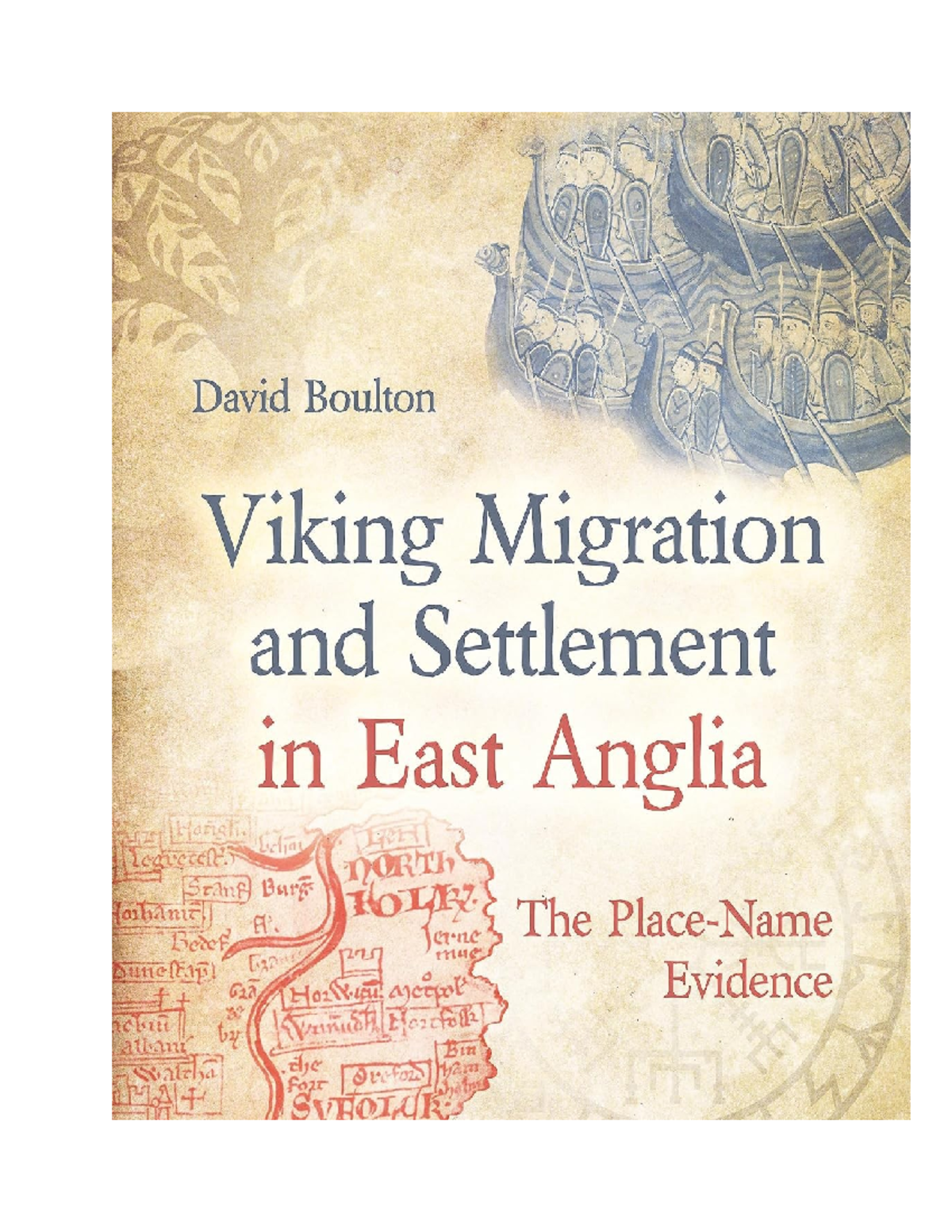
The name Angli is an ancient Latin ethnonym that historically identified the Angles, a West Germanic tribe originating from the southern Jutland peninsula. As the foundational root of terms like Anglia, England, and English, the name carries profound historical, etymological, and geographical significance across centuries of Western history.
Etymology and Linguistic Origins of "Angli"
To understand the name Angli, one must trace its journey through Classical Latin, Old Germanic dialects, and early medieval historical records. The term first appeared in Roman scholarly writing during the first century AD, serving as an exonym used by classical historians to designate a specific tribal federation in northern Europe.
The Germanic Root: Narrow Waters and Coastal Hooks
Linguists and philologists generally trace the ethnonym Angli back to the reconstructed Proto-Germanic root *ang-, derived from the Proto-Indo-European root *ang- or *ank-, meaning "corner," "angle," or "hook."
This linguistic root directly relates to the geographical features of the tribe’s ancestral homeland: the Angeln peninsula, situated in the modern German state of Schleswig-Holstein near the Flensburg Fjord. The coastal geography of Angeln features narrow fjords, hooked inlet shapes, and tight marine passages—most notably the Schlei inlet. Ancient inhabitants were named after the landscape they occupied, making Angli mean, effectively, "people of the narrow land" or "inhabitants of the hook."
- Proto-Indo-European (*ank- / "hook, angle")
- Proto-Germanic (*anguz / "narrow")
- Classical Latin (Angli)
- Modern Latin (Anglia)
- Old English (Engle)
- Modern English (England / English)
- Classical Latin (Angli)
- Proto-Germanic (*anguz / "narrow")
Classical Latin Attestation: Tacitus, Ptolemy, and Bede
The earliest documented record of the name appears in the work of the Roman historian Publius Cornelius Tacitus. In his ethnographic treatise Germania (written around 98 AD), Tacitus recorded the tribe as the Anglii, listing them among the Suebic tribes located beyond the Elbe River. Tacitus described them as worshippers of Nerthus, Earth Mother, noting their remote geographical isolation amidst rivers and forests.
In the second century AD, the Greco-Roman geographer Claudius Ptolemy listed the tribe in his Geography as the Angeiloi (Άγγειλοι in Ancient Greek), placing them south of the Cimbric peninsula.
By the eighth century, the Venerable Bede recorded the definitive Latin history of the Anglo-Saxon settlement in his monumental work, Historia ecclesiastica gentis Anglorum (Ecclesiastical History of the English People), written in 731 AD. Bede used Angli not only to designate the specific Germanic tribe from Angeln, but increasingly as an overarching term for the Germanic peoples who established kingdoms across Britain.
Phonetic Shift from "Angli" to "English"
A common point of inquiry among historical linguists is how Angli evolved into Engle and eventually English. This transformation occurred due to a natural sound change in early West Germanic dialects known as i-mutation (or Umlaut).
When the suffix -isc or -i was appended to the root Ang-, the high front vowel sound (i) caused the preceding back vowel (a) to shift forward into an e sound. Consequently:
- The Latin term Angli adapted into West Germanic as Engle.
- The adjective Anglisc transformed into Englisc.
- The geographical reference evolved into Engla-land ("Land of the Angles"), which eventually simplified into the modern name England.
Historical Context: The Angli and the Migration Era
The historical context of Angli is inseparable from the Migration Period (also known as the Völkerwanderung), which spanned the 4th through 6th centuries AD. During this era of profound geopolitical restructuring in Europe, demographic shifts permanently reshaped the cultural and linguistic landscape of Great Britain.
Homeland in Angeln
Before migrating across the North Sea, the Angli inhabited a specific territory in what is today the region between the Bay of Kiel and the Flensburg Fjord in Schleswig-Holstein, Germany. Archaeological investigations in Angeln—such as digs at Thorsberg Moor—have yielded weapons, Roman coins, jewelry, and textile fragments dating from the 1st century BC through the 5th century AD. These finds confirm that the Angli were an active maritime culture with extensive trade connections throughout Northern Europe and the Roman frontier.
The Migration to Sub-Roman Britain
Following the decline of Roman imperial control over Britain in the early 5th century (around 410 AD), sub-Roman British leaders recruited Germanic mercenaries to assist in defense against northern Picts and western Scots. Over the subsequent decades, large populations of Angli, Saxons, Jutes, and Frisians migrated permanently across the North Sea.
According to Bede's account, the Angli completely migrated from their continental homeland, leaving the region of Angeln virtually depopulated for decades. While modern historical consensus views this transition as a mixture of migration, cultural assimilation, and regional movement rather than total abandonment, the demographic impact of the Angli on eastern Britain was profound.
- Angeln Peninsula (Schleswig-Holstein)
- Maritime Migration (5th Century AD)
- Northumbria (Northern England & Lowland Scotland)
- Mercia (Central Midlands)
- East Anglia (Eastern Peninsula)
- Maritime Migration (5th Century AD)
Tribal Settlement and Kingdom Building
Upon settling in Britain, the Angli established three dominant early Anglo-Saxon kingdoms:
- East Anglia: Encompassing the modern counties of Norfolk and Suffolk.
- Mercia: Occupying the central Midlands, stretching from the Welsh border to the eastern coast.
- Northumbria: Extending from the River Humber northwards to the Firth of Forth in modern Scotland.
Because the Angli controlled the vast majority of territory in northern, central, and eastern Britain, late continental writers and internal chroniclers began referring to all Germanic inhabitants of the island collectively as Angli or Anglo-Saxons, distinguishing them from continental Saxons.
The Name "Angli" in Anthroponymic and Personal Contexts
Beyond its primary function as a historical ethnonym, Angli and its related variants appear across European anthroponymy (the study of personal names). Understanding how Angli functions as a personal name requires examining Scandinavian literary traditions, Latinized record-keeping, and modern cross-cultural transliterations.
Old Norse Literature and Legendary Names
In Old Norse and early Scandinavian traditions, names sharing the root Ang- or Angli appear frequently in heroic sagas and historical genealogies.
- Angantýr: A recurring heroic name in Norse sagas, including the Hervarar saga ok Heiðreks, borne by several legendary Berserkers and kings.
- Angli / Öngull: In Scandinavian saga literature, Angli occasionally appears as a personal name or epithet derived from Old Norse öngull (meaning "fishhook" or "angle"), reflecting shared North Germanic vocabulary.
In early medieval Scandinavian contexts, personal names incorporating Angli did not necessarily denote English origin; instead, they often referenced physical traits (such as sharpness or stealth) or regional origins tied to the South Jutland boundary lands.
Latinized Personal Identifiers in Medieval Records
During the Middle Ages, official record-keeping throughout Europe was conducted primarily in Latin. Consequently, scribes frequently appended Angli or Anglicus as a Latinized personal descriptor, surname, or locative epithet to distinguish individuals of English origin residing in continental Europe.
For instance, a scholar named John from England working at the University of Paris would be recorded in official charters as Johannes Anglicus (or Johannes Angli). Over generations, these Latin descriptors evolved into modern family surnames across Europe, including:
- Anglais or Langlais (French)
- Inglese or Inglesi (Italian)
- Inglés (Spanish)
- English or Inglis (English and Lowland Scots)
Cross-Cultural Homonyms and Transliterations
In modern international contexts, confusion occasionally arises regarding the name "Angli" or "Ang Li" in non-European cultures:
- Chinese Transliterations: "Ang Li" can occur as a Romanized spelling of Chinese given names or surnames (such as 昂立 or 昂力). This usage is etymologically independent of the Germanic/Latin root Angli, representing a homophone arising from phonetic transcription into the Roman alphabet.
- Nordic Modern Given Name: In modern Nordic countries, Angli remains an officially recognized, though rare, masculine given name registered in national name registries (such as the Icelandic and Danish name registers).
Historical Terminology and Variations Matrix
To clarify the complex relationships between historical terms, geographical names, and modern linguistic equivalents related to Angli, the following table provides a direct comparative breakdown:
| Historical Term | Linguistic Origin | Primary Historical Period | Geographic / Contextual Meaning | Modern Equivalent / Successor |
|---|---|---|---|---|
| Angli | Classical Latin | 1st – 8th Century AD | Ethnonym for the Germanic tribe of Angeln; later collective term for settlers in Britain. | Angles / English |
| Angeln | Proto-Germanic (Anguz) | Antiquity – Present | Peninsula in Schleswig-Holstein, Germany; original tribal homeland of the Angli. | Angeln (Region in Germany) |
| Angeiloi (Άγγειλοι) | Ancient Greek | 2nd Century AD | Greek geographic designation used by Ptolemy for the Angles. | Historical Greek reference |
| Anglia | Medieval Latin | 9th Century – Present | Latinized geographic name for the land inhabited by the Angli; later used for all of England. | England / East Anglia |
| Engle | Old English | 5th – 11th Century AD | Native West Germanic name used by the tribe to refer to themselves. | Angles |
| Englisc | Old English | 7th – 11th Century AD | Adjective describing the language and culture of the Engle. | English |
| Anglicus | Medieval Latin | Middle Ages | Adjective or surname indicator meaning "of English origin" or "pertaining to England." | Anglican / Surname English |
| Anglosphere | Neologism (20th C.) | Contemporary | Modern cultural-linguistic term referring to English-speaking nations worldwide. | English-speaking world |
Contextual Usage: Institutional, Academic, and Modern Applications
While Angli began as an ancient tribal identifier, its Latinized root Anglia and derivative terms remain active across professional, academic, legal, and institutional domains worldwide.
Academic and Historical Studies
In academic contexts—specifically within medieval history, archaeology, and historical linguistics—the term Angli is strictly preserved to differentiate the original Germanic tribe from the broader, later concept of Anglo-Saxons.
When scholars analyze early migrations or continental sites in Schleswig-Holstein, using Angli ensures precision, distinguishing continental population groups from post-migration insular developments in Britain.
Institutional Names and Regional Identity
The Latin root Anglia continues to serve as an official designation for numerous public institutions, corporations, and geographic areas:
- East Anglia: An official administrative and geographic region of eastern England, encompassing Norfolk, Suffolk, Cambridgeshire, and Essex.
- Anglia Ruskin University: A major public university located in Cambridge and Chelmsford, taking its name from the regional designation.
- Anglican Communion: The worldwide affiliation of Christian churches in communion with the Archbishop of Canterbury, directly derived from Anglicanus (the medieval Latin adjective formed from Angli).
- Neo-Latin Cartography and Official Seals: Diplomatic documents, papal bulls, and university charters traditionally write "England" as Anglia, maintaining centuries of continuous Latin legal tradition.
Common Misconceptions Regarding the Name "Angli"
Given the long linguistic evolution of the term, several common misunderstandings arise in research and general inquiries.
Misconception 1: "Angli" Originally Referred to All Inhabitants of Britain
It is a common error to assume Angli historically encompassed the indigenous Celtic inhabitants of Britain (such as the Britons, Picts, or Gaels).
Originally, classical authors used Angli exclusively for the Germanic tribe residing in continental Europe. Even after migration, early writers like Gildas and Bede carefully distinguished the Angli from the indigenous Celtic Britons (Britones), the Irish (Scoti), and the Picts (Picti). Only after centuries of unification under kings like Athelstan did the term evolve into a national identity covering the combined population of England.
Misconception 2: The Name Is Derived from the English Word "Angle" (Geometric Shape)
While the geometric word "angle" (a corner formed by two lines) and the name Angli share an ultimate Proto-Indo-European ancestor (ank- meaning "to bend"), the tribe was not named after a geometric angle.
Instead, the name was derived directly from the physical geography of the sea inlet or coastal landform of Angeln. The geometric term entered the English language much later via Old French and Latin (angulus), whereas Angli entered English directly through North Sea Germanic migration.
Misconception 3: "Angli" and "Anglo-Saxon" Are Identical Terms
Though frequently used interchangeably in informal writing, Angli and Anglo-Saxon are distinct terms:
- Angli refers specifically to the Angles as an individual tribe or early Latin designation.
- Anglo-Saxon (Angul-Seaxan) is a compound term that emerged around the 8th century on the European continent (used by writers like Paul the Deacon) to distinguish the English Saxons (Angli Saxones) from the continental Old Saxons (Antiqui Saxones).
Practical Guidance for Researchers, Genealogists, and Etymologists
For researchers examining historical records, manuscripts, or genealogical data where the term Angli or its variants appear, applying the correct methodological approach ensures accurate interpretation.
Step 1: Establish the Date and Language of the Document
- Classical & Early Medieval Latin (Before 1000 AD): If Angli appears in texts by Tacitus, Bede, or continental charters, it almost certainly refers to the tribal ethnonym or collective Anglo-Saxon population.
- High & Late Medieval Latin (1000–1500 AD): In feudal rolls, tax documents, or university registers, Angli or Anglicus usually serves as a locative descriptor indicating an individual born in England.
- Modern Records (1600 AD–Present): If encountered in modern census data, determine whether the entry represents a Latinized academic register, a Scandinavian personal name, or a Romanized transliteration of a non-European name.
Step 2: Cross-Reference Geographic and Contextual Indicators
When analyzing Latin charters or parish registers:
- Verify if Angli is paired with a specific region (e.g., East-Angli or Anglia Orientalis).
- Check for surrounding terms: if written as natione Angli, it designates nationality ("of the English nation").
- Inspect spelling variations: early medieval manuscripts often interchange vowelling between Angli, Engli, and Anglii.
Frequently Asked Questions
What is the exact origin of the name Angli?
The name Angli is a Latinized ethnonym derived from the Proto-Germanic root *ang-, meaning "narrow" or "hooked." It originally referred to the Germanic tribe living on the Angeln peninsula in modern Schleswig-Holstein, Germany, a region characterized by narrow coastal fjords and hooked waterways.
How does Angli relate to the modern word "English"?
Angli is the Latin root of "English." Through West Germanic phonetic changes (specifically i-mutation), the initial A in Angli shifted to E, resulting in Old English Engle (the people) and Englisc (the language). Over centuries, Englisc evolved into modern "English."
Is Angli used as a given personal name today?
Yes, though rare. Angli exists as a masculine given name in Scandinavian countries, carrying historical ties to Old Norse naming traditions. Additionally, "Ang Li" appears in international contexts as a Romanized transcription of Chinese personal names, though it shares no etymological connection with the Latin ethnonym.
Where was the original homeland of the Angli?
The original homeland of the Angli was the Angeln peninsula, located in northern Germany within the state of Schleswig-Holstein, situated between the Flensburg Fjord and the Schlei inlet, near the border of modern Denmark.
What is the difference between Anglia and Angli?
Angli is the nominative plural noun referring to the people (the Angles), whereas Anglia is the Latin geographic noun referring to the land or country inhabited by them (England or East Anglia).
Recommended Next Steps for Further Research
To deepen your understanding of Angli and its historical, linguistic, and geographic context, consider exploring the following authoritative sources:
- Primary Historical Texts: Read Bede’s Historia ecclesiastical gentis Anglorum (available through the British Library) to see how early medieval chroniclers applied Angli during the formation of early England.
- Archaeological Records: Examine research publications from the State Archaeological Museum of Schleswig-Holstein (Schloss Gottorf) regarding Migration Period artifacts recovered from the Angeln region.
- Etymological Dictionaries: Consult the Oxford English Dictionary or the Oxford Dictionary of English Etymology under entries for "Angle," "England," and "English" to trace the precise phonetic shifts from Proto-Germanic roots to modern usage.