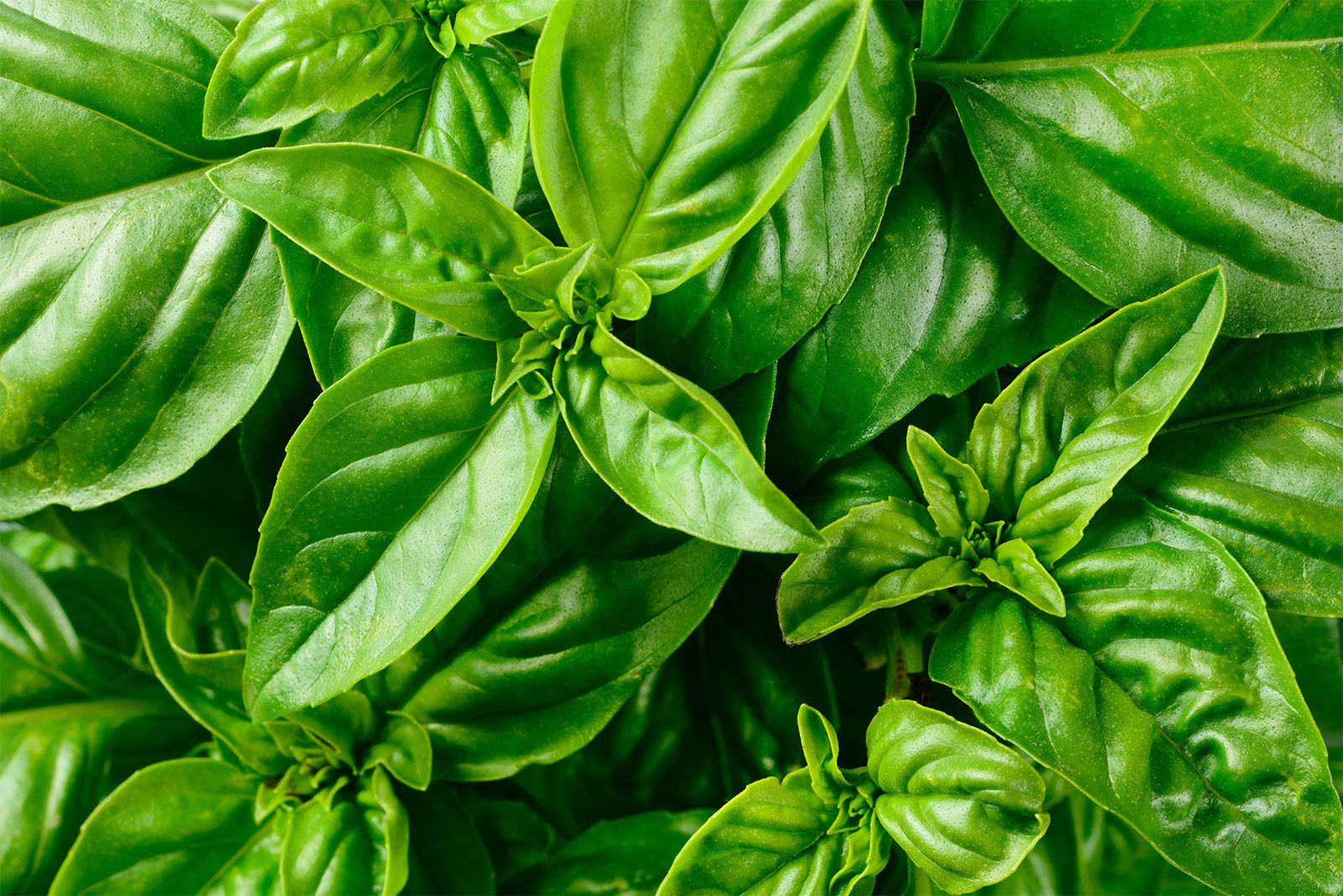
Angiosperms, commonly known as flowering plants, constitute the largest and most diverse clade within the plant kingdom, comprising over 300,000 living species. Defined by their seed-enclosing ovaries, floral reproductive structures, and unique process of double fertilization, angiosperms dominate terrestrial ecosystems and form the biological foundation of human agriculture, forestry, and global food production.
What Are Angiosperms? Defining the Flowering Plants
The term "angiosperm" derives from the Greek words angeion (meaning vessel or container) and sperma (meaning seed). Botanically classified under the division Magnoliophyta (or Angiospermae), angiosperms are vascular plants that produce seeds enclosed within a protective ovary. This ovary eventually matures into a fruit, protecting the developing seeds and facilitating their distribution through wind, water, or animal vectors.
Angiosperms represent the dominant form of terrestrial plant life on Earth today, accounting for approximately 80 to 90 percent of all land plant species. Their habitats range from tropical rainforests and arid deserts to alpine tundras and shallow aquatic environments. Unlike their seed-bearing relatives, the gymnosperms (such as conifers, cycads, and ginkgos), angiosperms evolved complex floral structures that attract pollinators and optimize genetic exchange.
The evolutionary success of angiosperms stems from several key evolutionary innovations:
- Flowers: Specialized reproductive shoots that aggregate reproductive organs and attract animal vectors.
- Carpels: Modified leaves that enclose the ovules, protecting them from physical damage and herbivores.
- Fruits: Structures derived from the ovary wall that aid seed dispersal and provide initial protection.
- Refined Vascular Tissues: High-efficiency xylem vessel elements and phloem companion cells that streamline water and nutrient transport.
Core Biological Features of Angiosperms
To understand why angiosperms have colonized almost every ecosystem on Earth, it is essential to examine their internal anatomy, specialized vascular tissue, and reproductive mechanisms.
- Angiosperm Flower
- Stamen (Male)
- Anther
- Filament
- Pollen Grains
- Carpel (Female)
- Stigma
- Style
- Ovary
- Ovule
- Double Fertilization
- Embryo (2n)
- Endosperm (3n)
- Stamen (Male)
1. Flower Structure and Functional Anatomy
The flower is the defining reproductive unit of angiosperms. A complete flower consists of four concentric whorls of modified leaves attached to a central receptacle:
- Calyx (Sepals): The outermost whorl, usually green, which protects the inner floral structures during the bud stage.
- Corolla (Petals): The second whorl, often brightly colored or scented, designed to attract visual and olfactory pollinators.
- Androecium (Stamens): The male reproductive organs. Each stamen consists of a slender filament supporting an anther, where pollen grains (microgametophytes) are produced via meiosis.
- Gynoecium (Carpels or Pistil): The female reproductive organ located at the center of the flower. It includes the stigma (a sticky terminal surface that receives pollen), the style (a neck-like tube through which pollen tubes grow), and the ovary (the enlarged base containing one or more ovules).
2. Double Fertilization: A Unique Reproductive Mechanism
One of the most complex angiosperm facts is their rely on a reproductive process called double fertilization, a mechanism absent in gymnosperms and lower vascular plants.
When a pollen grain lands on a compatible stigma, it germinates and extends a pollen tube down the style to enter the ovule through an opening called the micropyle. The pollen grain releases two haploid sperm cells into the female gametophyte (embryo sac):
- First Fertilization: One sperm cell fuses with the haploid egg cell to create a diploid (2n) zygote, which develops into the plant embryo.
- Second Fertilization: The second sperm cell fuses with two central polar nuclei within the embryo sac, forming a triploid (3n) cell. This cell divides rapidly to create the endosperm, a nutrient-rich tissue that nourishes the growing embryo during seed development and germination.
This dual process ensures that energy is invested in nutritive tissue only after fertilization has successfully occurred, preventing resource waste on unfertilized ovules.
3. Vessel Elements and Specialized Phloem
The vascular tissue of angiosperms is substantially more advanced than that of non-flowering vascular plants. In gymnosperms, water transport relies almost entirely on narrow, elongated cells called tracheids. Angiosperms possess both tracheids and larger, hollow tube-like cells known as vessel elements.
Vessel elements have open perforations at their end walls, enabling faster, low-resistance water flow from roots to leaves. Combined with specialized sieve tube elements and associated companion cells in the phloem for sugar transport, this vascular layout allows angiosperms to support higher transpiration rates, rapid growth cycles, and efficient metabolic activity.
Evolutionary History: Darwin's "Abominable Mystery"
The geological record indicates that angiosperms appeared relatively late in Earth's history. The earliest unambiguous fossilized pollen and floral remnants date back to the Early Cretaceous period, approximately 130 to 140 million years ago.
Charles Darwin famously referred to the rapid diversification and sudden dominance of angiosperms during the Mid-to-Late Cretaceous as an "abominable mystery." In a short geological timeframe, angiosperms expanded from modest understory plants to dominate terrestrial biomes, largely displacing conifers, cycads, and ferns.
Modern phylogenomics and palaeobotanical research suggest that this rapid diversification was driven by several key factors:
- Co-evolution with Insect Pollinators: As angiosperms evolved, bees, beetles, butterflies, and flies evolved alongside them. Insect-mediated pollination is far more precise than wind pollination, allowing plant populations to remain genetically viable even at low spatial densities.
- Genome Duplication Events: Whole-genome duplications (polyploidy) occurred early in angiosperm lineage history, giving these plants redundant gene sets that could mutate and adapt to environmental shifts.
- Ecological Plasticity: Fast vegetative growth, annual lifecycles, and diverse fruit dispersal mechanisms allowed angiosperms to colonize disturbed landscapes faster than slower-growing gymnosperms.
The basal angiosperms—the earliest diverging lineages—are often grouped under the ANITA grade, which includes Amborella trichopoda (a primitive shrub endemic to New Caledonia), Nymphaeales (water lilies), and Austrobaileyales (star anise and relatives). Amborella trichopoda is widely recognized as the sister group to all remaining living angiosperms, lacking xylem vessel elements and serving as a crucial living model for ancestral floral traits.
Major Groups: Monocots, Eudicots, and Basal Lineages
Angiosperms were historically divided into two primary classes based on the number of embryonic seed leaves (cotyledons): Monocotyledons (Monocots) and Dicotyledons (Dicots). However, molecular phylogenetics established by the Angiosperm Phylogeny Group (APG) revealed that traditional dicots formed a paraphyletic group.
Today, angiosperms are categorized into Basal Angiosperms, Magnoliids, Monocots, and Eudicots (true dicots). The vast majority of species fall into either the Monocot or Eudicot clades.
Monocots vs. Eudicots Structural Comparison
The structural differences between Monocots and Eudicots manifest in their seeds, leaves, stems, flowers, and root systems:
| Anatomical Feature | Monocots | Eudicots (True Dicots) |
|---|---|---|
| Cotyledons in Seed | Single cotyledon | Two cotyledons |
| Leaf Venation | Typically parallel | Typically reticulate (net-like) |
| Vascular Bundles in Stem | Scattered randomly throughout ground tissue | Arranged in a organized ring |
| Root System | Fibrous root system (adventitious roots) | Taproot system with lateral branching |
| Floral Organs | Parts usually in multiples of three | Parts usually in multiples of four or five |
| Pollen Structure | Single pore or furrow (monosulcate) | Three pores or furrows (tricolpate) |
| Woody Growth | Rare; secondary growth usually absent | Common; true secondary vascular cambium present |
| Representative Examples | Orchids, grasses, corn, palms, lilies | Roses, oaks, sunflowers, legumes, apples |
Surprising and Extreme Facts About Angiosperms
The vast diversity of angiosperms includes extreme biological adaptations, massive size variations, and unusual nutritional strategies.
| Smallest Angiosperm | Largest Individual Flower |
|---|---|
| Wolffia spp. | Rafflesia arnoldii |
| Size: 0.5 to 1.5 mm | Diameter: Up to 1 meter (3.3 ft) |
| Weight: Fraction of a milligram | Weight: Up to 11 kilograms (24 lbs) |
| Floating aquatic plant without roots | Parasitic plant lacking leaves/stems |
1. The Microscopic and the Gigantic
- The Smallest Flowering Plant: Species belonging to the genus Wolffia (commonly called duckweed or watermeal) are the smallest known angiosperms. A single Wolffia plant measures between 0.5 and 1.5 millimeters in length—about the size of a grain of rice—and floats on static freshwater bodies.
- The Largest Individual Flower: Rafflesia arnoldii, native to the rainforests of Sumatra and Borneo, produces the largest single flower in the world. It can reach up to 1 meter (3.3 feet) in diameter and weigh more than 10 kilograms (22 pounds). The plant is obligately parasitic, possessing no true leaves, roots, or photosynthetic tissue, and emits a scent of decaying flesh to attract carrion flies for pollination.
- The Tallest Angiosperm: While giant sequoias (gymnosperms) are the most massive trees, the mountain ash (Eucalyptus regnans) of southeastern Australia is the tallest angiosperm, capable of reaching heights over 90 meters (295 feet).
2. Carnivorous Adaptations
In nutrient-poor soils, such as acidic bogs and sandy substrates lacking nitrogen and phosphorus, several angiosperm lineages independently evolved carnivory. Plants such as Venus flytraps (Dionaea muscipula), sundews (Drosera), and pitcher plants (Nepenthes and Sarracenia) modify their leaves into active or passive traps to capture insects and small animals, digesting them via secreted enzymes or microbial symbionts.
3. Epiphytic Lifestyle and Orchid Diversity
The orchid family (Orchidaceae) is one of the two largest families of angiosperms, containing over 28,000 species. A substantial portion of orchids are epiphytes—plants that grow harmlessly upon other trees to access higher light levels in dense forest canopies. Orchids frequently employ extreme pollination strategies, including pseudo-copulation, where the flower mimics the appearance and pheromones of female insects to trick males into carrying pollen.
4. Extreme Longevity via Clonal Colonies
While individual angiosperm stems may live for centuries, clonal angiosperm networks can persist for millennia. A male quaking aspen (Populus tremuloides) clone named Pando, located in Utah, United States, shares a single massive underground root system covering over 100 acres. Estimated to weigh roughly 6,000 metric tons, Pando is considered one of the oldest and heaviest living organisms on Earth, with root systems established thousands of years ago.
Ecological and Economic Significance
Human civilization depends heavily on angiosperms. Virtually all primary food crops, livestock feed, floral industries, and plant-based pharmaceuticals stem from flowering species.
| Human Nutrition & Food Crops | Ecosystem Services |
|---|---|
| - Poaceae: Wheat, Rice, Corn, Oats | - Primary Oxygen Production |
| - Fabaceae: Beans, Soybeans, Peas | - Carbon Sequestration |
| - Solanaceae: Potatoes, Tomatoes | - Soil Erosion Prevention |
| Industrial Products | Ecosystem Interactions |
| - Hardwood Timber (Oak, Maple) | - Obligate Insect Pollination |
| - Fibers (Cotton, Linen) | - Mycorrhizal Root Associations |
| - Pharmaceuticals (Aspirin precursor) | - Habitat for Terrestrial Fauna |
Human Agriculture and Nutrition
The human diet relies almost entirely on angiosperms. The grass family (Poaceae) serves as the global staple, providing wheat, rice, corn, barley, sorghum, and sugarcane. The legume family (Fabaceae) supplies essential plant-based proteins through soybeans, lentils, beans, and peanuts.
Additionally, fruits, vegetables, oilseeds, culinary spices, beverages (coffee, tea, cocoa), and natural fibers like cotton (Gossypium) and linen (Linum usitatissimum) derive entirely from angiosperms.
Medicinal and Chemical Contributions
A vast collection of modern pharmaceuticals originates from angiosperm secondary metabolites:
- Aspirin (Acetylsalicylic acid): Derived historically from salicin found in the bark of willow trees (Salix spp.).
- Morphine and Codeine: Extracted from the opium poppy (Papaver somniferum).
- Taxol (Paclitaxel): Although originally isolated from yew trees (gymnosperms), modern synthesis relies on structural analogues from various angiosperm species and plant tissue culture.
- Quinine: Extracted from the bark of Cinchona trees to treat malaria.
Ecosystem Functioning
Angiosperms drive terrestrial nutrient cycles and carbon storage. Their deep root networks stabilize topsoil against erosion, while their foliage converts solar energy into chemical energy through photosynthesis, driving food webs globally. Forests composed of hardwood angiosperms (such as oaks, maples, and rainforest trees) act as critical carbon sinks that regulate regional and global climates.
Frequently Asked Questions
What is the main difference between an angiosperm and a gymnosperm?
The fundamental difference lies in seed protection. Angiosperms produce seeds enclosed within an ovary that matures into a fruit, and they bear true flowers. Gymnosperms (such as pines, firs, and ginkgos) produce "naked" seeds exposed on the surfaces of scales or cones, lacking both flowers and true fruits.
Why is double fertilization beneficial to angiosperms?
Double fertilization prevents plants from wasting energy and resources. By forming the nutrient-dense endosperm tissue only after a sperm cell successfully fertilizes the egg, angiosperms ensure that nutritive tissue develops exclusively in seeds that contain a viable embryo.
Are all trees angiosperms?
No. Trees fall into two biological categories: hardwood trees (angiosperms, such as oak, maple, birch, and mahogany) and softwood trees (gymnosperms, such as pine, spruce, cedar, and redwood). Broadleaf trees that bear flowers and fruit are angiosperms, whereas cone-bearing conifers are gymnosperms.
What is Darwin's "abominable mystery" regarding angiosperms?
Darwin's "abominable mystery" refers to the sudden appearance and extraordinarily rapid evolutionary diversification of flowering plants in the geological record during the Cretaceous period. The speed at which angiosperms displaced gymnosperms across global environments without clear, abundant early fossil precursors puzzled Darwin and remaining paleobotanists for decades.
Do all angiosperms rely on insect pollinators?
No. While many angiosperms rely on insects, birds, or bats for pollination, many species are wind-pollinated (anemophilous). Key examples include grasses, sedges, oaks, maples, and birches, which produce lightweight, non-sticky pollen that travels on air currents, usually lacking showy petals or sweet nectars.
Practical Next Actions for Botanical Study
To expand your understanding of angiosperms and plant taxonomy:
- Examine Floral Structures Firsthand: Dissect a large, complete flower (such as a lily or tulip) using a hand lens. Identify the four primary whorls: sepals, petals, stamens (anther and filament), and pistil (stigma, style, and ovary).
- Compare Leaf Venation: Practice field identification by looking at local foliage. Note the parallel venation of monocots (e.g., lawn grass, iris, hostas) compared to the net-like reticulate venation of eudicots (e.g., maple leaves, dandelion, sunflowers).
- Consult Taxonomic Frameworks: Explore updated plant classifications through resources such as the Angiosperm Phylogeny Website maintained by the Missouri Botanical Garden, which details evolutionary relationships among plant families according to current molecular data.