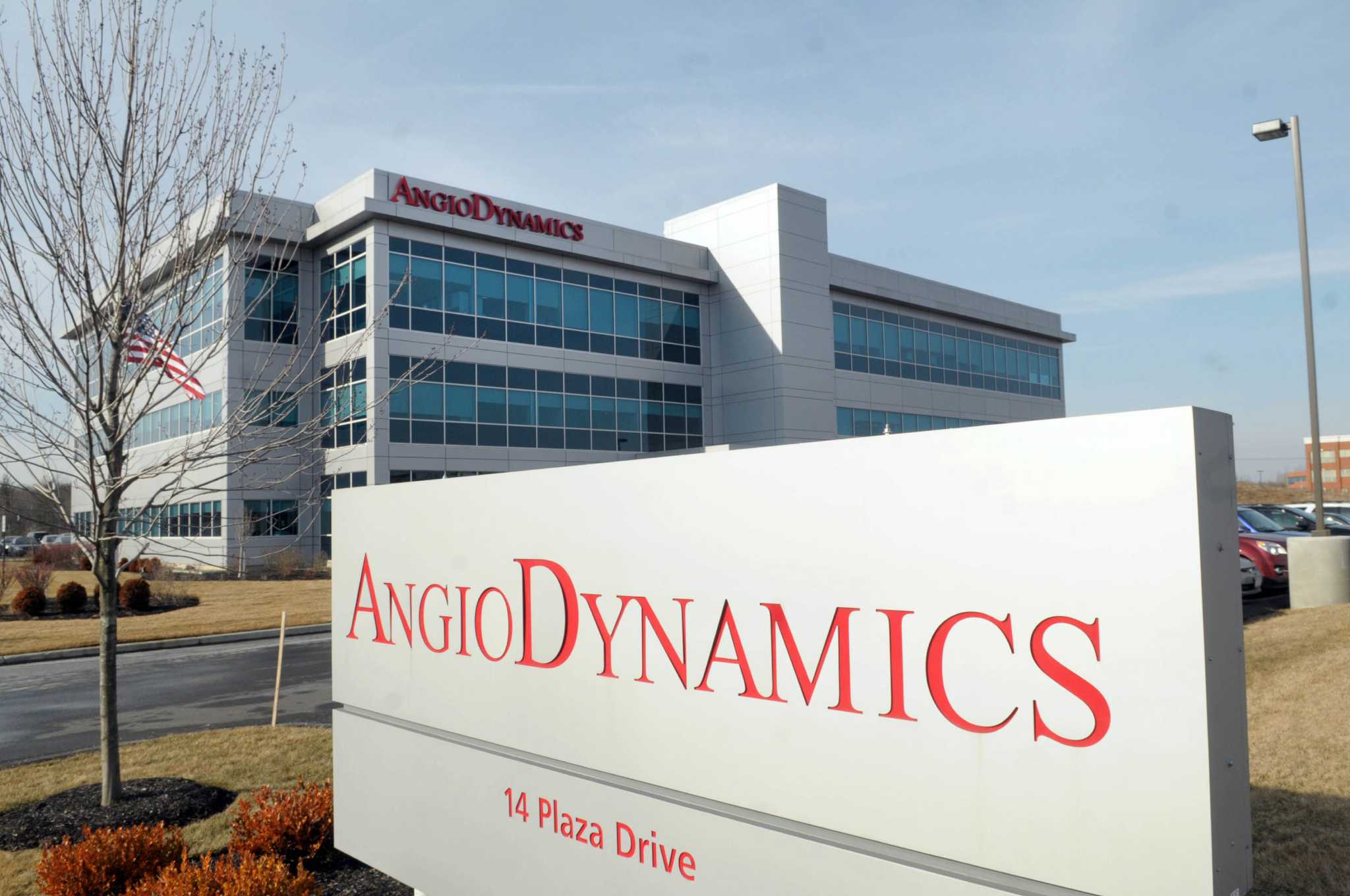
AngioDynamics, Inc. occupies a specialized position in the global medical device market, providing minimally invasive medtech solutions for vascular access, peripheral vascular disease, and interventional oncology. Through strategic divestitures of legacy lines and focused investment in high-margin platforms like Auryon, AlphaVac, and NanoKnife, AngioDynamics has transitioned toward advanced, technology-driven interventional care.
The Evolution of AngioDynamics within the MedTech Sector
Founded in 1988 in Latham, New York, AngioDynamics originally established its commercial presence through vascular access devices, including peripherally inserted central catheters (PICCs), midlines, and dialysis catheters. Over decades of clinical usage, the company expanded its footprint across interventional radiology, vascular surgery, and surgical oncology. However, the dynamics of the medical device industry—marked by price erosion in commoditized disposables, shifting hospital purchasing models, and strict regulatory hurdles—prompted a major strategic pivot.
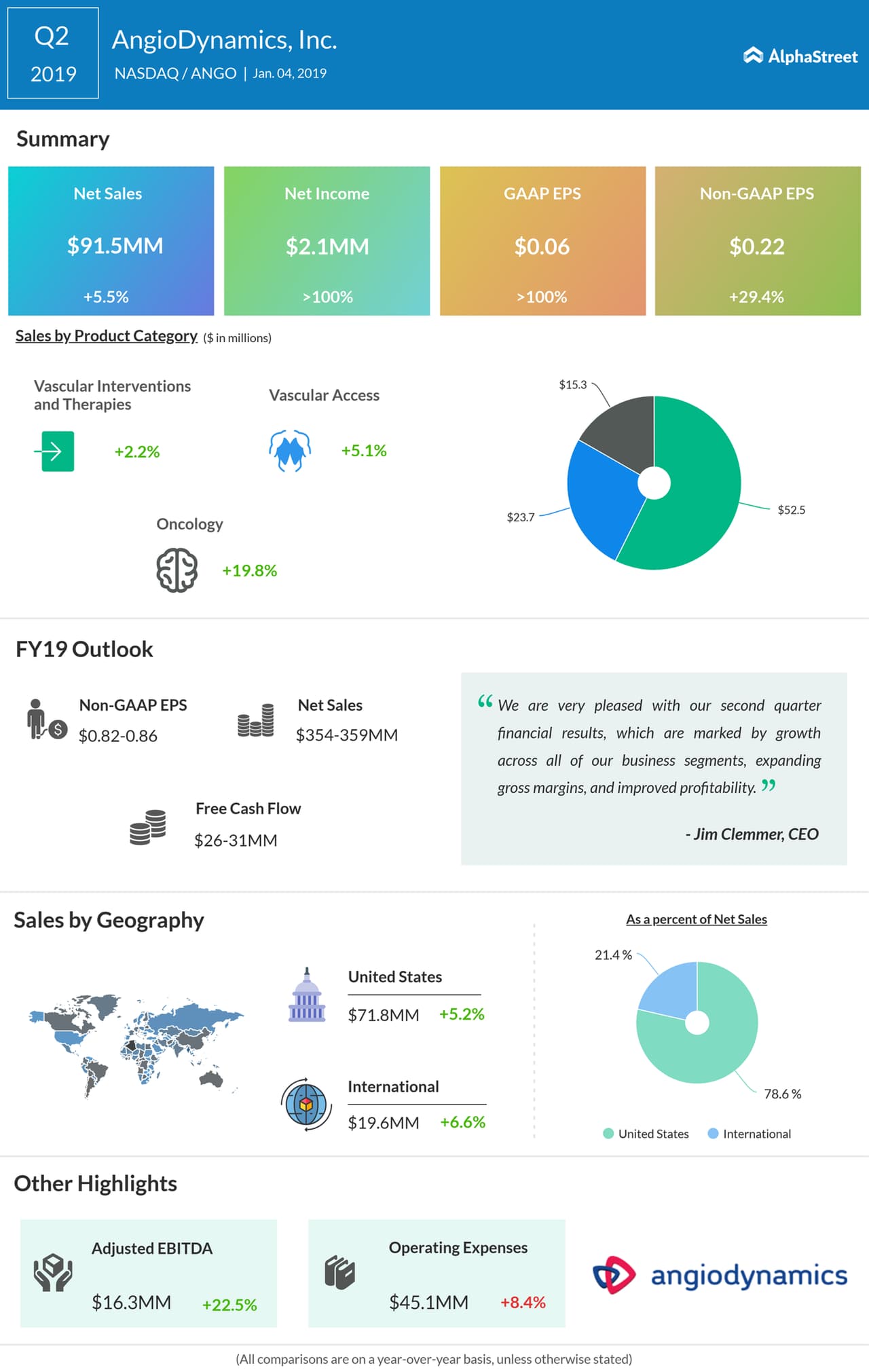
In recent years, the company executed a portfolio transformation designed to shed lower-margin, high-volume disposables and reallocate capital toward proprietary, clinically differentiated platforms. A key milestone occurred in mid-2023 when AngioDynamics sold its core Dialysis and BioFlo vascular access lines to Merit Medical Systems for approximately $100 million. This divestiture streamlined the company's operational profile, shifting primary revenue drivers toward three high-growth verticals:
- Peripheral Vascular (PV) Therapies: Advanced atherectomy and mechanical thrombectomy systems targeting peripheral artery disease (PAD), deep vein thrombosis (DVT), and pulmonary embolism (PE).
- Interventional Oncology: Non-thermal focal ablation technology designed to treat solid tumors near delicate critical structures.
- Targeted Vascular Access: Specialized port products retained for oncology and complex infusion therapies.
- Legacy AngioDynamics (Vascular Access & Disposables)
- Strategic Divestitures
- High-Growth MedTech Pivot
- Auryon: Atherectomy (PAD)
- AlphaVac: Thrombectomy (PE / DVT)
- NanoKnife: Focal Ablation (Pancreas/Prostate)
- High-Growth MedTech Pivot
- Strategic Divestitures
By concentrating research and development on high-yield interventions, AngioDynamics aligned its business model with broad healthcare shifts toward outpatient interventional suites, Ambulatory Surgical Centers (ASCs), and value-based clinical outcomes.
Core Technological Platforms and Product Portfolios
Understanding the market standing of AngioDynamics requires an evaluation of its key technological engines. These proprietary platforms address distinct therapeutic challenges across vascular and surgical specialties.
1. Auryon Laser Atherectomy System
The Auryon system is an advanced laser atherectomy platform engineered to treat Peripheral Artery Disease (PAD), including In-Stent Restenosis (ISR) and Below-the-Knee (BTK) lesions.
- Mechanism of Action: Unlike traditional mechanical or directional atherectomy tools that rely on physical cutting, shaving, or sanding, Auryon utilizes a 355nm wavelength solid-state laser. This short pulse-width laser delivers high-energy light pulses that break molecular bonds in target plaque without generating excessive thermal energy.
- Clinical Advantage: The 355nm wavelength interacts predictably with all lesion types—calcified, fibrotic, and atheromatous tissue—while demonstrating low perforation rates and minimal disruption to the arterial media. The system's integrated aspiration technology actively manages embolic risk by removing particulate debris during photoablation.
- Market Relevance: As the prevalence of peripheral artery disease rises globally alongside diabetes and cardiovascular comorbidities, Auryon provides interventionalists with a versatile tool suitable for both above-the-knee (ATK) and challenging below-the-knee interventions.
2. AlphaVac and AngioVac Mechanical Thrombectomy Platforms
Thromboembolic diseases, including Deep Vein Thrombosis (DVT) and Pulmonary Embolism (PE), represent major systemic health risks. AngioDynamics addresses these conditions through dual mechanical aspiration platforms:
- AlphaVac Multipurpose Mechanical Aspirator: Designed as an off-pump, manual aspiration system, AlphaVac features an expandable handle and an ergonomic design for targeted blood clot removal in the peripheral vasculature. Its expandable funnel tip promotes optimal wall contact and clot capture, minimizing fluid loss while maximizing aspiration force.
- AngioVac Cannula and Circuit System: Engineered for large-bore venous thrombus clearance, AngioVac utilizes an extracorporeal bypass circuit equipped with a suction cannula and reinfusion line. The system allows interventionalists to evacuate large clot burdens, soft thrombi, or emboli from the central venous system (such as the vena cava and right atrium) while continuously filtering and reinfusing the patient's blood.
- Clinical positioning: Together, these systems compete in the rapidly expanding mechanical thrombectomy landscape, offering physicians alternatives to prolonged systemic thrombolytic infusions, which carry elevated bleeding risks.
3. NanoKnife System (Irreversible Electroporation - IRE)
The NanoKnife system represents AngioDynamics' flagship asset in interventional oncology, utilizing an ablative modality known as Irreversible Electroporation (IRE).
- Mechanism of Action: NanoKnife delivers low-energy, high-voltage electrical pulses between localized needle electrodes inserted directly into a tumor. These electrical fields induce nanometer-scale pores in the cellular membranes, disrupting cellular homeostasis and triggering programmed cell death (apoptosis).
- Thermal vs. Non-Thermal Ablation: Traditional thermal ablation techniques (such as radiofrequency ablation, microwave ablation, and cryoablation) rely on heat or extreme cold to destroy tissue. However, thermal energy can damage adjacent extracellular matrix structures, nerves, and major blood vessels—a phenomenon known as the "heat-sink effect." Because NanoKnife relies on an electrical mechanism rather than thermal destruction, it spares structural proteins, collagen scaffolding, critical bile ducts, and major vascular walls.
- Key Indications and Clinical Focus: NanoKnife is frequently evaluated for treating unresectable stage III pancreatic ductal adenocarcinoma (PDAC), prostate cancer, and liver lesions located adjacent to delicate structures. Clinical trials, including pivotal IDE studies and real-world registries, continue to evaluate NanoKnife's role in extending progression-free survival in complex oncologic cases.
| Platform | Primary Indication | Mechanism of Action | Differentiator |
|---|---|---|---|
| Auryon | Peripheral Artery Disease (PAD), In-Stent Restenosis | 355nm Solid-State Laser Ablation | Photothermal/mechanical efficacy across calcified and soft plaque types |
| AlphaVac System | Venous Thromboembolism, DVT, Pulmonary Embolism | Ergonomic Mechanical Aspiration | Off-pump clot retrieval with expandable funnel |
| AngioVac System | Right Heart / Central Venous Thrombus | Extracorporeal Circuit Continuous Aspiration | High-volume filtration with blood reinfusion |
| NanoKnife (IRE) | Solid Tumors (Pancreas, Prostate, Liver) | Non-Thermal Electroporation | Spares ECM scaffolding, nerves, and vessels |
Market Drivers, Regulatory Environment, and Reimbursement Pathways
The financial and operational growth of AngioDynamics within the global medical device ecosystem depends heavily on external clinical, regulatory, and economic factors.
1. Clinical Evidence and FDA Pathways
Medical technology adoption relies on rigorous clinical trials and clear clearance pathways from regulatory authorities like the U.S. Food and Drug Administration (FDA) and the European Medicines Agency (EMA).
- 510(k) Clearances vs. De Novo/PMA: The majority of AngioDynamics’ mechanical thrombectomy tools and laser catheters utilize the FDA 510(k) pathway, leveraging substantial equivalence to established predicate devices. Conversely, novel indications—such as expanding NanoKnife for specific organ-targeted cancer therapies—require investigational device exemptions (IDE), prospective clinical trials (e.g., the DIRECT trial for pancreatic cancer), and rigorous safety monitoring.
- Post-Market Surveillance: Regulatory agencies demand robust real-world evidence (RWE). AngioDynamics invests in ongoing clinical registries (such as the APEX study for AlphaVac in PE) to substantiate clinical safety, long-term patency rates, and reduced readmission metrics.
2. Healthcare Reimbursement and CPT Coding
Reimbursement frameworks heavily dictate how rapidly physicians and hospital systems adopt medtech innovations.
- Category I CPT Codes: Established procedures, such as conventional peripheral atherectomy, benefit from existing Category I Current Procedural Terminology (CPT) codes. This provides predictable physician fee schedules and hospital outpatient payment classifications (OPPS).
- Category III CPT Codes & Local Coverage Determinations (LCDs): Emerging technologies like Irreversible Electroporation often navigate Category III CPT codes (tracking codes for emerging technologies) or rely on specific Medicare Administrative Contractor (MAC) coverage policies. Securing widespread, positive coverage decisions remains a critical priority for AngioDynamics to achieve consistent clinical pull-through.
3. Transition to Outpatient and ASC Settings
Healthcare delivery in North America and Western Europe continues to shift away from traditional inpatient stays toward outpatient care settings, including Ambulatory Surgical Centers (ASCs) and Office-Based Labs (OBLs).
- Mechanical thrombectomy systems and laser atherectomy platforms engineered for fast setup, low complication profiles, and single-session clearance (such as AlphaVac and Auryon) fit the operational constraints of outpatient facilities.
- This transition improves facility efficiency, lowers systemic healthcare costs, and allows interventional radiologists and vascular surgeons to operate in physician-owned environments.
Competitive Landscape Analysis
The interventional device market is highly competitive, dominated by large, multinational medical technology conglomerates alongside agile, specialized medtech firms. AngioDynamics navigates this landscape by targeting specific clinical niches where its technologies offer distinct mechanical or physiological advantage.
- MedTech Market Positioning
- Large Diversified Conglomerates (Boston Scientific, Medtronic, BD)
- High scale & portfolio bundling
- Global hospital contracting networks
- Specialized Innovators (AngioDynamics, Inari, Penumbra)
- Targeted clinical niches
- Rapid tech iteration in ablation/thrombectomy
- Large Diversified Conglomerates (Boston Scientific, Medtronic, BD)
1. Peripheral Vascular Competitors
In the atherectomy and arterial intervention space, AngioDynamics competes directly with major players:
- Boston Scientific: Offers the Jetstream and Jet-Atherectomy technologies, along with extensive peripheral stent and balloon portfolios.
- Medtronic: Controls significant market share through directional atherectomy (HawkOne and TurboHawk platforms).
- Philips Healthcare: Produces laser atherectomy systems (Eimer/Spectranetics technology), representing Auryon's primary direct competitor in laser photoablation.
AngioDynamics Differentiator: Auryon's 355nm solid-state laser technology differentiates itself from traditional excimer lasers by providing a stable, solid-state light source that effectively ablates both calcified and soft plaque with low microembolization risks.
2. Thrombectomy Competitors
The mechanical aspiration market has seen rapid growth and innovation over the past decade:
- Inari Medical: Holds substantial market presence in deep vein thrombosis and pulmonary embolism treatment through dedicated aspiration catheters (FlowTriever and ClotTriever).
- Penumbra, Inc.: Commands strong market share across neurovascular and peripheral thrombectomy using continuous computer-assisted aspiration engines (Indigo System).
AngioDynamics Differentiator: The AlphaVac platform provides interventionalists with a modular, off-pump solution featuring dynamic tip expansion. For central venous applications, AngioVac offers a continuous flow-reinfusion loop designed to treat large, hard-to-reach clot burdens without causing significant hemodilution or blood loss.
3. Ablation and Interventional Oncology Competitors
In tumor ablation, AngioDynamics competes against both conventional thermal technologies and modern localized therapies:
- Thermal Ablation Vendors: Companies manufacturing radiofrequency ablation (RFA) and microwave ablation (MWA) systems (such as NeuWave Medical, a Johnson & Johnson company, and Medtronic).
- Prostate-Specific Modalities: Focal therapy technologies including High-Intensity Focused Ultrasound (HIFU) and cryotherapy platforms.
AngioDynamics Differentiator: NanoKnife’s non-thermal mechanism provides a distinct clinical advantage for lesions adjacent to critical structures—such as the pancreatic duct, common bile duct, or major arterial structures—where thermal modalities risk severe complications or tissue necrosis.
Technical Considerations and Protocol Optimization
Successful integration of AngioDynamics platforms requires adherence to clinical protocols, technical setup requirements, and facility infrastructure considerations.
- Patient Selection & Mapping (CT/MR Angiography, Sonography)
- Access & System Assembly (Sheath Sizing, System Priming)
- Interventional Execution
- Auryon Laser: Photoablation & Aspiration
- AlphaVac: Controlled Aspiration
- NanoKnife: Electroporation Pulse Delivery
- Post-Procedure Assessment (Angiography, Hemostasis)
Protocol Execution for Vascular Interventions
When utilizing the Auryon or AlphaVac platforms in catheterization labs or ASC settings, clinical teams follow structured procedural workflows:
- Vascular Access and Diagnostics: Establish arterial or venous access via ultrasound-guided micropuncture. Pre-procedural imaging (angiography or duplex ultrasound) defines lesion length, vessel diameter, and clot burden.
- Device Sizing and Selection: Select catheter sizes matched precisely to target vessel dimensions. For Auryon, catheter diameters range from specialized 0.9mm units (ideal for below-the-knee vessels) up to larger aspiration-enabled catheters for above-the-knee vessels.
- Execution and Monitoring: Perform deliberate, controlled passes under fluoroscopic guidance. During atherectomy, continuous irrigation and integrated aspiration lower the risk of distal embolization. For mechanical thrombectomy using AlphaVac, dynamic handle manipulation allows fine control over suction pressure, preventing vascular collapse.
- Post-Intervention Assessment: Run completion angiography to confirm luminal gain, evaluate distal runoff, and verify complete clot removal before achieving hemostasis.
Procedural Mechanics of NanoKnife IRE
The application of Irreversible Electroporation involves multi-step preparation:
- Electrode Placement: Under CT or ultrasound guidance, interventional radiologists position multiple monopolar probe needles around the tumor boundary, maintaining precise parallel spacing (typically 1.0 to 2.0 cm apart).
- ECG Synchronization: Because high-voltage electrical pulses can trigger cardiac arrhythmias if delivered during the vulnerable period of ventricular repolarization, the NanoKnife system integrates directly with a cardiac synchronizer. Pulses are timed strictly to fire during the absolute refractory period (R-wave peak).
- Neuromuscular Blockade: Patients receive deep neuromuscular blockade during anesthesia to prevent muscle contractions during electrical pulse delivery.
Regulatory and Safety Disclaimers
Disclaimer: Medical device approvals, clinical indications, and reimbursement rules vary significantly by geographical region, regional health authority, and individual insurance carrier. Healthcare professionals must consult official product labeling, instructions for use (IFU), and regional regulatory statements before utilizing any medical device. This article is published for educational and industry analytical purposes only and does not constitute formal medical or financial investment advice.
Frequently Asked Questions
What is the primary strategic focus of AngioDynamics in today's medical device market?
AngioDynamics has restructured its business to focus on high-margin, high-growth interventional medtech solutions. By divesting its legacy dialysis and standard vascular access lines, the company concentrates its operational resources on three key pillars: Auryon (laser atherectomy for PAD), AlphaVac/AngioVac (mechanical thrombectomy for blood clots), and NanoKnife (non-thermal irreversible electroporation for focal tumor ablation).
How does NanoKnife technology differ from standard thermal tumor ablation?
Standard thermal ablation platforms rely on heat (microwave/radiofrequency) or extreme cold (cryoablation) to destroy cancer cells. This heat can inadvertently damage surrounding extracellular matrix scaffolds, nerves, and blood vessels, while also being vulnerable to the "heat-sink effect" near large vessels. NanoKnife uses electrical pulses (Irreversible Electroporation) to create microscopic pores in cell membranes, killing cancer cells via programmed cell death while preserving surrounding tissue architecture, bile ducts, and major blood vessels.
What clinical conditions does the Auryon Laser System treat?
The Auryon Laser System is FDA-cleared for treating Peripheral Artery Disease (PAD), including stenotic and occlusive lesions in native peripheral arteries, In-Stent Restenosis (ISR), and below-the-knee (BTK) arterial lesions. Its 355nm laser wavelength processes various tissue types—including soft plaque, fibrotic tissue, and heavy calcification—with minimal thermal damage to surrounding arterial walls.
Is AngioDynamics technology suitable for outpatient and ASC settings?
Yes. Modern interventional medicine continues to transition toward Ambulatory Surgical Centers (ASCs) and Office-Based Labs (OBLs). Platforms like Auryon and AlphaVac feature portable footprints, rapid setup times, and predictable safety profiles that fit within the operational workflows of outpatient facilities.
What are the key market challenges facing AngioDynamics?
Key operational and market challenges include navigating complex clinical trials required for expanded PMA/IDE indications, securing broad Category I CPT reimbursement coverage for emerging procedures, and competing against larger, highly diversified medical technology conglomerates that possess deep commercial distribution networks and broad product bundle offerings.
Recommendations and Strategic Next Actions
For hospital administrators, procurement teams, clinical leaders, and industry analysts assessing AngioDynamics within the medical technology ecosystem, the following strategic actions are recommended:
- For Clinical and Procurement Teams: Evaluate facility procedure volume across peripheral arterial interventions, deep vein thrombosis cases, and non-thermal focal ablation. Assess whether adopting targeted platforms like Auryon or AlphaVac offers operational efficiencies, reduced procedure times, or lower complication rates compared to existing legacy systems.
- For Health Economics and Value-Based Care Committees: Review regional coverage policies, MAC determinations, and facility reimbursement profiles for Category III CPT codes associated with Irreversible Electroporation. Conduct local cost-effectiveness studies comparing single-session mechanical thrombectomy against prolonged ICU stays required for thrombolytic infusions.
- For Industry Analysts and Investors: Track key quarterly metrics, focusing on gross margin expansions resulting from legacy product divestitures, unit volume pull-through across ASC channels, and trial enrollment milestones for ongoing NanoKnife pivotal studies (such as pancreatic and prostate clinical trials).