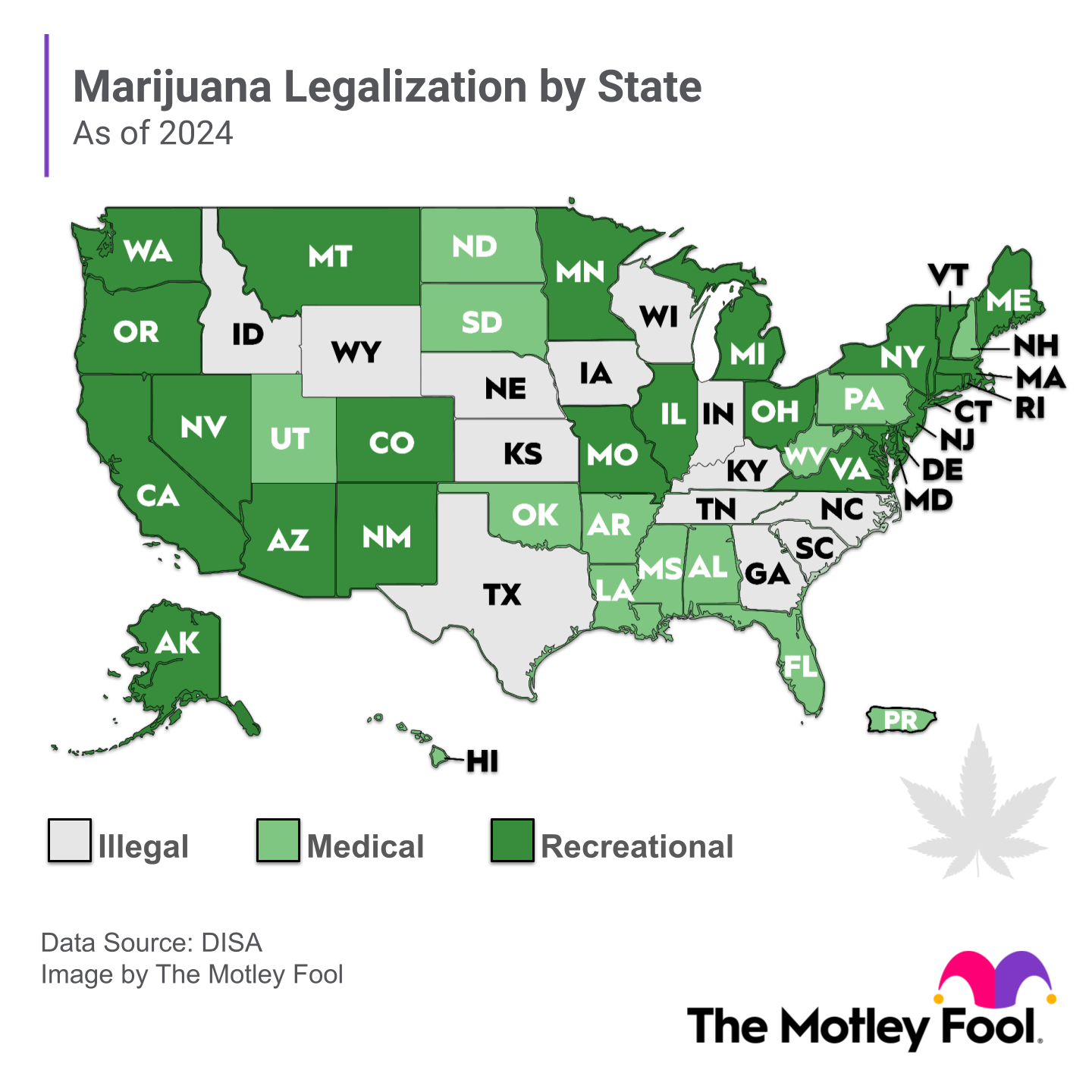
Investors seeking exposure to the U.S. cannabis market in 2026 find themselves at a historic crossroads where regulatory reform meets institutional adoption. To succeed, investors must focus on Multi-State Operators (MSOs) that demonstrate positive cash flow, navigate the transition of cannabis to Schedule III of the Controlled Substances Act, and understand the technical nuances of trading on over-the-counter (OTC) markets.
For over a decade, the American cannabis industry operated in a paradoxical environment of state-level legality and federal prohibition. However, as we move through 2026, the landscape has fundamentally shifted. The speculative "hype cycles" of the early 2020s have been replaced by a focus on fundamental valuation, operational efficiency, and the long-awaited normalization of tax treatments. This guide provides a detailed analysis of how to navigate American pot stocks, the impact of federal rescheduling, and the metrics that distinguish market leaders from laggards.
The Regulatory Framework in 2026: Rescheduling and Its Impact
The most significant catalyst for American pot stocks in recent years has been the formal movement of cannabis from Schedule I to Schedule III under the Controlled Substances Act. This administrative action, initiated by the Department of Justice and the DEA, has profound implications for the financial health of cannabis corporations.
The End of Section 280E
Historically, the primary anchor on the profitability of U.S. cannabis companies was Section 280E of the Internal Revenue Code. This provision prevented businesses "trafficking" in Schedule I or II substances from deducting ordinary business expenses—such as rent, payroll, and marketing—from their gross income. In effect, cannabis companies were taxed on gross profit rather than net income, often leading to effective tax rates exceeding 70%.
With the transition to Schedule III, Section 280E no longer applies to state-legal cannabis businesses. This shift has unlocked billions of dollars in free cash flow across the industry. For investors, this means that companies previously reporting net losses despite strong revenue growth are now showing significant bottom-line profitability. When evaluating American pot stocks in 2026, the primary metric has shifted from "Adjusted EBITDA" to true Net Income and Free Cash Flow (FCF).
The SAFER Banking Environment
While full federal legalization remains a subject of legislative debate, the implementation of the SAFER Banking Act (or equivalent regulatory safe harbors) has improved the "plumbing" of the industry. Most major U.S. banks now provide basic commercial services to MSOs, and custodial hurdles that once prevented institutional investors from holding these stocks have begun to dissipate. However, many U.S. cannabis companies still trade on the OTC markets or the Canadian Securities Exchange (CSE) because the major U.S. exchanges (NYSE and Nasdaq) generally require federal legality for uplisting.
Understanding Multi-State Operators (MSOs)
The dominant players in the American market are Multi-State Operators. Unlike Canadian Licensed Producers (LPs), which can ship products across provincial borders, U.S. federal law still prohibits the interstate transport of cannabis. This has forced American companies to build redundant, vertically integrated infrastructures in every state where they operate.
Vertical Integration as a Competitive Moat
In states like Florida, Pennsylvania, and Illinois, MSOs control the entire value chain: cultivation, processing, and retail dispensing. This model requires massive capital expenditure but creates significant barriers to entry. In 2026, the most successful MSOs are those that have optimized these supply chains to maintain margins despite price compression in mature markets like Colorado or California.
Tier 1 vs. Tier 2 Operators
Investors typically categorize American pot stocks into "Tiers" based on their market capitalization and geographic footprint:
- Tier 1 MSOs: These are the "Big Five"—Curaleaf, Trulieve, Green Thumb Industries (GTI), Verano Holdings, and Cresco Labs. They possess the largest retail footprints and the most robust balance sheets.
- Tier 2 and 3 Operators: Smaller companies like TerrAscend, Cannabist Company (formerly Columbia Care), or Jushi Holdings. These firms often focus on specific high-growth regions or niche product segments and are frequently viewed as acquisition targets for larger Tier 1 players.
Key Financial Metrics for 2026 Investors
Analyzing cannabis stocks requires a specialized lens due to the unique accounting and regulatory environment. Investors should prioritize the following metrics when conducting due diligence:
- Free Cash Flow (FCF): In a high-interest-rate environment, the ability to fund operations and expansion without issuing new shares or taking on expensive debt is paramount.
- Biological Asset Fair Value Adjustments: Under IFRS (International Financial Reporting Standards), cannabis companies must estimate the value of their "crops in progress." This can artificially inflate or deflate earnings. Investors should look at "Gross Margin before fair value adjustments" for a clearer picture of operational performance.
- Debt Maturity Profiles: Many MSOs took on high-interest debt between 2020 and 2022. It is critical to examine when this debt matures and whether the company has the cash flow to refinance at the lower rates now available post-rescheduling.
- Revenue per Square Foot: For retail-heavy MSOs, this metric indicates brand loyalty and the efficiency of their dispensary locations.
Comparison of Major American MSOs (2026 Data)
| Company | Ticker (OTC) | Primary Markets | 2025 Revenue (Est.) | Profitability Status |
|---|---|---|---|---|
| Green Thumb (GTI) | GTBIF | IL, PA, NJ, FL | $1.2B+ | Consistently GAAP Profitable |
| Trulieve | TCNNF | FL, AZ, PA | $1.1B+ | Strong FCF; Florida Leader |
| Curaleaf | CURLF | Global (NJ, NY, AZ) | $1.4B+ | High Revenue; Strategic Growth |
| Verano | VRNOF | FL, IL, NJ | $950M+ | High Margins; Efficient Ops |
| Cresco Labs | CRLBF | IL, PA, OH | $850M+ | Wholesale/Branding Leader |
Note: Figures are based on trailing twelve-month projections for the 2025-2026 fiscal cycle.
Strategic Investment Approaches
Investors typically choose between three main strategies when entering the American cannabis sector in 2026.
1. The "Basket" Approach (ETFs)
For those who wish to avoid the volatility of individual stocks, Exchange-Traded Funds (ETFs) offer diversified exposure. The AdvisorShares Pure US Cannabis ETF (MSOS) remains the flagship vehicle for U.S. exposure. Because it uses total return swaps to gain exposure to OTC-listed MSOs, it allows investors to trade the U.S. market on a major exchange (NYSE Arca).
2. Focus on "Tier 1" Dominance
Concentrating capital in the 2-3 strongest MSOs is a strategy for those who believe the market will eventually consolidate into an oligopoly. Green Thumb Industries (GTBIF), for example, has historically been the favorite of institutional analysts due to its conservative management and early focus on GAAP profitability.
3. Ancillary Plays (Pick-and-Shovel)
Not all "pot stocks" grow the plant. Ancillary companies provide the technology, packaging, and real estate the industry needs.
- Innovative Industrial Properties (IIPR): A Real Estate Investment Trust (REIT) that owns the facilities used by MSOs for cultivation.
- Dutchie or Akerna: Software providers that manage point-of-sale (POS) and seed-to-sale tracking.
- Scotts Miracle-Gro (SMG): Through its Hawthorne Gardening subsidiary, it provides hydroponic equipment, though its core business remains traditional lawn care.
Risks and Operational Challenges
Despite the positive momentum of 2026, significant risks remain. Investors must balance the potential for high returns with the following realities:
- Interstate Commerce: If federal law eventually allows cannabis to be shipped across state lines, the massive investments MSOs have made in local cultivation facilities could become "stranded assets." Low-cost production in states like Oregon or Colombia could undercut the high-cost indoor grows in the Northeast.
- Price Compression: As more states legalize and supply increases, the wholesale price per pound of cannabis tends to drop. Companies must continuously lower their "Cost to Produce" to maintain margins.
- Regulatory Backslides: While rescheduling to Schedule III is a major step, it does not make cannabis "legal" in the same way as alcohol. It remains a highly regulated controlled substance, and changes in political administration can lead to shifts in enforcement priorities.
- Custody and Liquidity: Many major brokerages (such as Vanguard) still restrict the purchase of OTC cannabis stocks. This limits the pool of buyers and can lead to extreme price volatility.
Step-by-Step: How to Invest in 2026
If you are ready to allocate capital to American pot stocks, follow these steps to ensure a secure and informed process:
- Verify Brokerage Access: Ensure your broker allows trading of OTCQX or OTCQB securities. Fidelity and Charles Schwab are currently the most common choices for U.S. investors looking to buy MSOs directly.
- Determine Your Vehicle: Decide if you want the diversification of an ETF like MSOS or the targeted potential of individual stocks like GTBIF or TCNNF.
- Analyze the Tax Implications: Consult a tax professional regarding the "wash-sale rule" and how the recent changes to 280E affect the dividends (if any) or capital gains from these holdings.
- Monitor State Catalysts: Keep a close watch on states moving toward adult-use legalization (e.g., Florida or Pennsylvania in 2026). The transition from a medical-only market to an adult-use market typically results in a 2x to 3x increase in revenue for the MSOs already established there.
- Utilize Official Disclosures: Always review the SEC EDGAR filings or the SEDAR+ filings (for Canadian-listed MSOs) to verify debt levels and insider selling activity.
Frequently Asked Questions
Is cannabis federally legal in the U.S. as of 2026?
No, cannabis is not federally legal for recreational use. However, it has been moved to Schedule III of the Controlled Substances Act. This recognizes its medical utility and significantly reduces the tax and research burdens on the industry, but it does not equate to the "de-scheduling" or "legalization" seen with tobacco or alcohol.
Why do most U.S. pot stocks trade on the OTC markets?
Because cannabis remains federally illegal, major exchanges like the NYSE and Nasdaq generally do not allow companies that "touch the plant" in the U.S. to list on their platforms. They fear violating federal money laundering and drug trafficking laws. Most MSOs list on the Canadian Securities Exchange (CSE) and have their shares "cross-traded" on the U.S. OTC markets.
What is the significance of "280E" for investors?
IRS Section 280E was the single largest obstacle to profitability for American pot stocks. Its removal (via rescheduling) allows companies to deduct normal business expenses. For an investor, this means a company's bottom-line profit can increase by millions of dollars overnight without any change in actual sales volume.
Should I invest in Canadian or American pot stocks?
As of 2026, most analysts favor American MSOs. The U.S. market is significantly larger (valued at over $35 billion) and has higher barriers to entry, which protects the margins of established players. Canadian companies often face a saturated domestic market and limited paths to profitability, although some have made strategic investments in U.S. entities to prepare for future legalization.
What happens to MSOs if interstate commerce is legalized?
If interstate commerce is allowed, the industry will likely move toward a "hub and spoke" model. Low-cost cultivation hubs (like the Emerald Triangle in California) would supply the rest of the country. This would benefit brands and retailers but could hurt companies that have invested heavily in expensive indoor cultivation in high-cost states like New York or Massachusetts.
Final Recommendation
Investing in American pot stocks in 2026 requires a transition from a "growth-at-all-costs" mindset to a "value-and-cash-flow" approach. The "Easy Money" phase of the industry is over; the "Fundamental Phase" has begun. For most individual investors, a core position in a diversified ETF like MSOS, supplemented by small allocations to high-performing Tier 1 MSOs like Green Thumb Industries, offers the best balance of risk and reward. Always verify the current regulatory status in specific target states, as local laws remain the primary driver of quarter-over-quarter revenue growth.