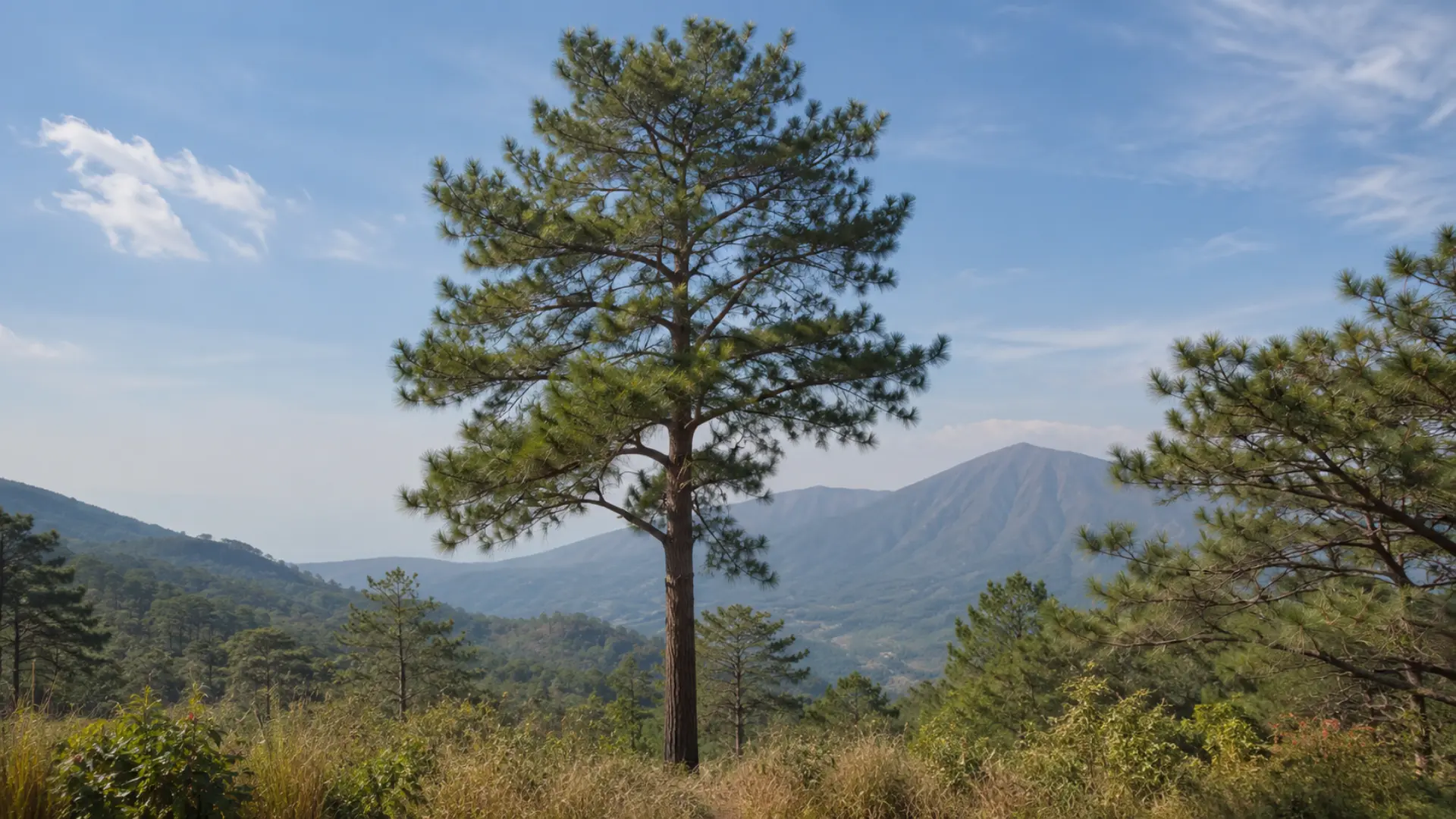
North America is home to an extraordinary array of pine species within the Pinus genus, serving as the backbone of both industrial timber production and critical forest ecosystems. From the towering Sugar Pines of the Pacific Northwest to the commercially vital Loblolly Pines of the Southeast, American pine trees are identified by their bundled needles (fascicles), woody cones, and resinous bark.
Understanding the Genus Pinus in North America
As of 2026, the study and management of American pine trees have become central to climate resilience strategies. Pines are gymnosperms, meaning they produce "naked seeds" within cones rather than flowers. While the term "pine" is often used colloquially to describe any evergreen, true pines belong exclusively to the genus Pinus. North America hosts approximately 35 to 40 native species, each adapted to specific microclimates, ranging from the arid mountains of the Southwest to the boggy lowlands of the Atlantic coast.
The botanical structure of a pine tree is its first identifying characteristic. Unlike spruces or firs, which have single needles attached directly to the branch, pines produce needles in clusters called fascicles. These bundles typically contain two, three, or five needles, depending on the species. This grouping is the primary tool used by arborists and enthusiasts to categorize trees in the field. Furthermore, pines are generally divided into two subgenera: Strobus (soft or white pines) and Pinus (hard or yellow pines). Soft pines usually feature needles in bundles of five and have relatively soft wood, while hard pines often have bundles of two or three and possess denser, more resinous timber.
Major Species of the Eastern United States
The Eastern United States features some of the most historically significant pine species in North American history. These trees fueled the early American economy and continue to define the landscape of the Appalachian and Atlantic regions.
The Eastern White Pine (Pinus strobus)
Often called the "monarch of the North," the Eastern White Pine is the tallest conifer in the eastern U.S. Historically, these trees were so prized for ship masts that the British Crown claimed all large specimens for the Royal Navy, a grievance that contributed to colonial unrest.
In 2026, the Eastern White Pine remains a favorite for large-scale landscaping and reforestation. It is characterized by its soft, bluish-green needles in bundles of five and its long, slender, curved cones. Because it grows rapidly—often adding two feet of height per year in ideal conditions—it is an excellent choice for windbreaks and privacy screens, provided the soil is well-drained and slightly acidic.
The Loblolly Pine (Pinus taeda)
If the Eastern White Pine is the monarch of the North, the Loblolly Pine is the workhorse of the South. It is the most commercially important tree in the United States, making up the vast majority of timber plantations in the Southeast. Loblolly pines are "hard pines," featuring stiff needles in bundles of three.
Loblollies are remarkably adaptable, capable of growing in a variety of soil types, including the heavy clays of the Piedmont and the sandy soils of the coastal plains. In current 2026 forestry practices, genetically improved Loblolly varieties are utilized to maximize carbon sequestration and timber yield, helping the U.S. meet its domestic lumber demands while maintaining massive "carbon sinks."
The Longleaf Pine (Pinus palustris)
Once covering over 90 million acres across the South, the Longleaf Pine ecosystem was nearly decimated by over-harvesting and fire suppression. However, as of 2026, intensive restoration efforts by the U.S. Forest Service and private conservation groups have successfully stabilized many populations.
The Longleaf Pine is unique for its "grass stage," where the young seedling resembles a clump of grass for several years while it develops a deep taproot. This species is highly fire-resistant and produces the largest cones of any eastern pine, which are frequently used in holiday decorations and crafts.
Iconic Pine Species of the American West
The geography of the American West, characterized by high altitudes and varying moisture levels, has birthed some of the most resilient and visually striking pines in the world.
The Ponderosa Pine (Pinus ponderosa)
Spanning from the mountains of British Columbia down to Mexico, the Ponderosa Pine is the quintessential tree of the Western interior. Known for its thick, orange-red bark that smells of vanilla or butterscotch on warm days, the Ponderosa is a massive tree that can live for centuries.
Its needles are long (up to 10 inches) and usually grow in bundles of three. In the context of 2026 forest management, the Ponderosa is at the center of "fire-wise" landscaping. Because it evolved with frequent, low-intensity ground fires, its thick bark protects it from heat, making it a critical component of resilient western forests in an era of increasing wildfire activity.
The Sugar Pine (Pinus lambertiana)
The Sugar Pine holds the title of the tallest and largest of all pines. John Muir famously called it the "Queen of the Sierras." It is easily identified by its massive, woody cones, which can reach lengths of nearly 20 inches. Found primarily in the Sierra Nevada and Cascade ranges, it prefers moist, well-drained mountain soils. Its wood is highly valued for its fine grain and stability, used historically for organ pipes and window sashes.
The Lodgepole Pine (Pinus contorta)
Named for its use by Native American tribes to support lodges and tepees, the Lodgepole Pine is a slender, straight-growing tree common in the Rocky Mountains. It is a "pioneer species," often the first to reclaim land after a fire. Many subspecies of Lodgepole have serotinous cones, which are sealed with resin and only open to release seeds when exposed to the high heat of a forest fire.
Comparison of Common American Pine Species
The following table provides a technical comparison of five dominant American pine species to assist in identification and selection for planting.
| Common Name | Botanical Name | Needle Count | Typical Height (ft) | USDA Hardiness Zones |
|---|---|---|---|---|
| Eastern White Pine | Pinus strobus | 5 | 80–150 | 3–8 |
| Loblolly Pine | Pinus taeda | 3 | 60–100 | 6–9 |
| Ponderosa Pine | Pinus ponderosa | 2 or 3 | 60–130 | 3–7 |
| Longleaf Pine | Pinus palustris | 3 | 80–110 | 7–9 |
| Sugar Pine | Pinus lambertiana | 5 | 130–200 | 6–8 |
Growth Requirements and Cultivation in 2026
Successfully growing American pine trees requires an understanding of their specific environmental needs. While pines are generally considered "tough" trees, they are sensitive to soil compaction and improper drainage.
Soil and Sunlight
Most American pines require full sun, meaning at least six to eight hours of direct sunlight daily. In shaded conditions, pines often become leggy, lose their lower branches, and become more susceptible to fungal infections. Regarding soil, most species prefer a pH between 4.5 and 6.0. In areas with highly alkaline soil (common in the Midwest and parts of the West), pines may develop chlorosis, a condition where the needles turn yellow due to an inability to absorb iron.
Water and Drainage
Pines are generally drought-tolerant once established because of their deep taproots. However, newly planted saplings require consistent moisture for the first two to three growing seasons. It is vital to avoid "wet feet"—standing water around the root ball—as this leads to root rot. Species like the Loblolly can tolerate wetter soils, while the Ponderosa and Bristlecone require exceptionally sharp drainage.
2026 Pest and Disease Monitoring
In 2026, the primary threats to American pine health are the Mountain Pine Beetle and Pine Wilt Disease.
- Bark Beetles: These insects tunnel under the bark to lay eggs, disrupting the tree’s nutrient flow. Healthy trees can often "pitch out" the beetles with resin, but drought-stressed trees are vulnerable.
- Pine Wilt: Caused by the pine wood nematode, this is particularly devastating to non-native pines, but native species like the Eastern White Pine can be affected if stressed.
Integrated Pest Management (IPM) strategies now emphasize maintaining tree vigor through proper mulching and irrigation rather than relying solely on chemical injections.
The Ecological and Economic Importance of Pines
The value of American pine trees extends far beyond their aesthetic appeal. They are the cornerstones of multi-billion dollar industries and complex biological webs.
Timber and Paper Industry
The "pine belt" of the Southern U.S. is often referred to as the woodbasket of the world. Pine wood is favored for construction because it is strong, relatively lightweight, and accepts pressure treatment well. In 2026, cross-laminated timber (CLT) made from pine is increasingly used in mid-rise urban architecture as a sustainable alternative to steel and concrete.
Habitat and Biodiversity
Pines provide critical habitat for numerous species. The endangered Red-cockaded Woodpecker, for instance, relies exclusively on old-growth Longleaf Pines for nesting. The seeds within pine cones are a vital food source for crossbills, nuthatches, and squirrels. Furthermore, the thick canopy of a pine forest provides essential thermal cover for deer and other mammals during harsh winters.
Carbon Sequestration
As carbon pricing and environmental credits have evolved into 2026, pine forests are recognized as some of the most efficient terrestrial carbon sinks. A fast-growing pine plantation can sequester significant amounts of atmospheric CO2 within its first 25 years, making pine reforestation a primary tool for corporate and governmental carbon-neutrality goals.
Common Mistakes in Pine Tree Management
When homeowners or land managers integrate pines into their landscapes, several common errors can lead to tree failure:
- Over-Pruning: Unlike deciduous trees, pines do not easily sprout new growth from old wood. Removing too many lower branches (often called "lion-tailing") can permanently disfigure the tree and stress its vascular system.
- Improper Planting Depth: Planting a pine too deep can suffocate the roots. The "root flare"—where the trunk widens at the base—should always be slightly visible at the soil surface.
- Ignoring Spacing: A sapling that looks small in 2026 may have a 30-foot spread by 2050. Planting pines too close to structures or power lines leads to expensive removal costs later.
Frequently Asked Questions
How can I tell the difference between a pine, a spruce, and a fir?
The easiest way to identify a pine is by the needles. Pines have needles attached in bundles (fascicles) of two, three, or five. Spruce needles are individual, four-sided, and roll easily between your fingers. Fir needles are flat and soft, often described as "friendly" because they aren't prickly to the touch. Additionally, pine cones have thick, woody scales, whereas spruce cones have thinner, papery scales.
What is the fastest-growing American pine tree?
The Loblolly Pine (Pinus taeda) is widely considered the fastest-growing pine native to the U.S., especially in the Southeast. Under optimal conditions, it can grow three feet or more per year. The Eastern White Pine is also a rapid grower in northern climates, often exceeding two feet of annual growth once established.
Are pine needles bad for the soil?
There is a common myth that pine needles make the soil too acidic for other plants to grow. While pine needles themselves are acidic, as they decompose, they are neutralized by soil microbes. The reason grass often doesn't grow under pine trees is usually due to heavy shade and competition for water, not the acidity of the fallen needles. In fact, pine straw is one of the best mulches available for moisture retention and weed suppression.
How long do American pine trees live?
Lifespans vary wildly by species. A Loblolly Pine may live for 150 years, while an Eastern White Pine can reach 200 to 400 years. The record-holder is the Great Basin Bristlecone Pine (Pinus longaeva) of the Western U.S., with some individuals confirmed to be over 4,800 years old, making them among the oldest living organisms on Earth.
Can I grow a pine tree from a cone?
Yes, but the process requires patience. You must collect a "closed" cone that hasn't released its seeds yet. Once the cone dries and opens, you can shake out the winged seeds. Most American pines require a period of "stratification" (cold treatment) to mimic winter before they will germinate. It is often more practical for home gardeners to purchase a container-grown sapling from a reputable nursery.
Practical Recommendation for 2026
For those looking to plant an American pine in 2026, the Eastern White Pine remains the most versatile choice for Northern and Midwestern landscapes, while the Ponderosa Pine is the gold standard for Western mountain and plains regions. Before planting, always conduct a soil test to ensure your pH is below 7.0. If you are in a high-density urban area, consider the Lacebark Pine (though not native to America, it is often used for its pollution tolerance) or stick with a hardy native like the Pitch Pine (Pinus rigida) if your soil is poor or sandy. For maximum ecological benefit, choose a species that is native to your specific county to support local pollinators and bird populations.