Navigating American auto insurance in Hawaii requires compliance with state-specific mandatory liability minimums, an understanding of unique island driving dynamics, and familiarity with national carriers licensed to operate in the Aloha State. Drivers must maintain personal injury protection alongside standard liability coverages, balancing local regulatory mandates with protection against severe weather, high vehicle density in urban Honolulu, and unique freight shipping risks.
The Regulatory Framework of Hawaii Auto Insurance
Purchasing auto insurance in Hawaii differs fundamentally from many mainland jurisdictions due to the state's unique insurance statutes. Hawaii is a no-fault state, meaning that regardless of who causes a motor vehicle collision, each driver's own insurance policy pays for medical and rehabilitation expenses up to specified limits through Personal Injury Protection (PIP).
Understanding this legal framework is essential for every motorist operating a vehicle across Oahu, Maui, Kauai, Hawaii Island, and the smaller inhabited islands. The state's insurance division, operating under the Department of Commerce and Consumer Affairs (DCCA), closely regulates policy forms, rate filings, and consumer protections. Because of these regulations, national carriers doing business in Hawaii must adapt their standard policies to comply with local statutes governing tort thresholds, mandatory coverages, and cancellation notice periods.
Mandatory Coverage Minimums
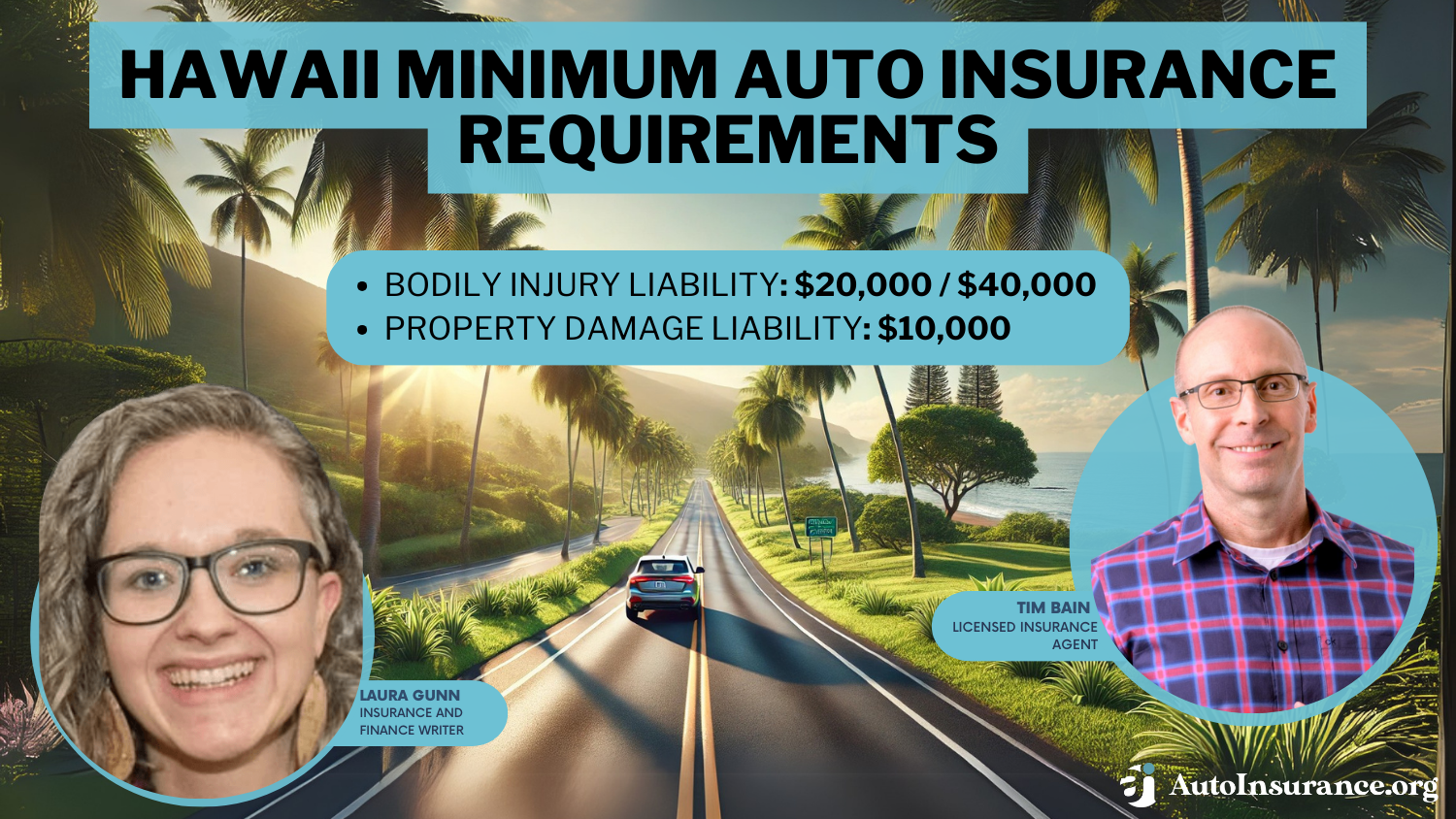
State law mandates that every registered motor vehicle must carry specific minimum limits of liability and personal injury protection. Operating a vehicle without this baseline coverage can result in severe financial penalties, license suspension, and registration revocation.
- Personal Injury Protection (PIP): A minimum of $10,000 per person is required. This coverage pays for medical, hospital, and rehabilitative services incurred by the insured and eligible passengers, regardless of fault.
- Bodily Injury Liability: A minimum of $20,000 per person and $40,000 per accident. This covers injuries or death caused to other drivers or pedestrians when the insured is at fault and the injury exceeds the state's verbal tort threshold.
- Property Damage Liability: A minimum of $10,000 per accident. This pays for damage to another person's property, such as their vehicle, guardrails, or utility poles, resulting from an accident caused by the policyholder.
While these statutory minimums satisfy the legal requirements to drive on public roads, financial advisors and insurance professionals frequently recommend higher limits. Given the high cost of medical care and vehicle replacement in the islands, purchasing higher liability limits helps protect personal assets from catastrophic lawsuits following a major collision.
Key Coverage Types Available from American Insurers
When securing an auto insurance policy from providers licensed in Hawaii, policyholders can select from a robust suite of primary coverages and optional endorsements. Major American insurance companies—such as State Farm, GEICO, Progressive, and Allstate—offer localized policies that integrate these options.
Uninsured and Underinsured Motorist Coverage
Despite mandatory insurance laws, a percentage of motorists on Hawaii roadways drive without valid insurance or carry only the state minimums. Uninsured Motorist (UM) and Underinsured Motorist (UIM) coverages protect you if you are involved in a collision caused by a driver who lacks sufficient insurance to pay for your medical bills and property repairs.
Comprehensive and Collision Coverages
While liability insurance covers damage you cause to others, physical damage coverages protect your own vehicle:
- Collision Coverage: Pays for repairs to your car if it collides with another vehicle or object, such as a tree or a guardrail, or if it rolls over.
- Comprehensive Coverage: Protects against non-collision incidents, including theft, vandalism, fire, falling objects, windstorms, and flood damage. Given Hawaii's tropical climate, comprehensive coverage is vital for protection against heavy rainstorms and localized flooding.
Optional Endorsements and Specialized Protections
Insurers operating in Hawaii frequently offer additional policy add-ons tailored to island driving conditions:
- Roadside Assistance: Essential for drivers traveling along remote stretches of highway, such as the Hana Highway on Maui or the windward coasts of the Big Island, where towing services can be costly and distant.
- Rental Car Reimbursement: Covers the daily cost of a rental vehicle while your primary car is being repaired following a covered claim.
- Custom Parts and Equipment (CPE) Coverage: Frequently utilized by owners of lifted trucks and custom vehicles who want to protect aftermarket modifications.
Comparison of Major Insurance Providers in Hawaii
Choosing the right insurer involves evaluating financial strength, customer satisfaction, digital tools, and local agent availability. The table below outlines key characteristics of prominent national carriers operating within the Hawaiian market.
| Insurance Carrier | Primary Strengths | Local Presence | Key Digital Features |
|---|---|---|---|
| State Farm | Extensive network of captive local agents; strong customer satisfaction ratings. | High physical agency presence across all major islands. | Robust mobile app for claims, policy management, and safe-driving programs. |
| GEICO | Competitive rate structures; streamlined digital quoting and policy management. | Primarily digital and phone-based support, supplemented by select local offices. | Highly rated mobile application; 24/7 virtual assistant and claims tracking. |
| Progressive | Flexible deductible savings plans; comprehensive coverage for specialized vehicles. | Regional independent agents and direct-to-consumer digital platforms. | Name Your Price tool; comparison options for varying budgets. |
| Allstate | Rewards programs for accident-free driving; customizable add-on coverages. | Moderate network of exclusive local agents throughout the state. | Drivewise telematics tracking; digital wallet integration for proof of insurance. |
Factors Influencing Auto Insurance Rates in Hawaii
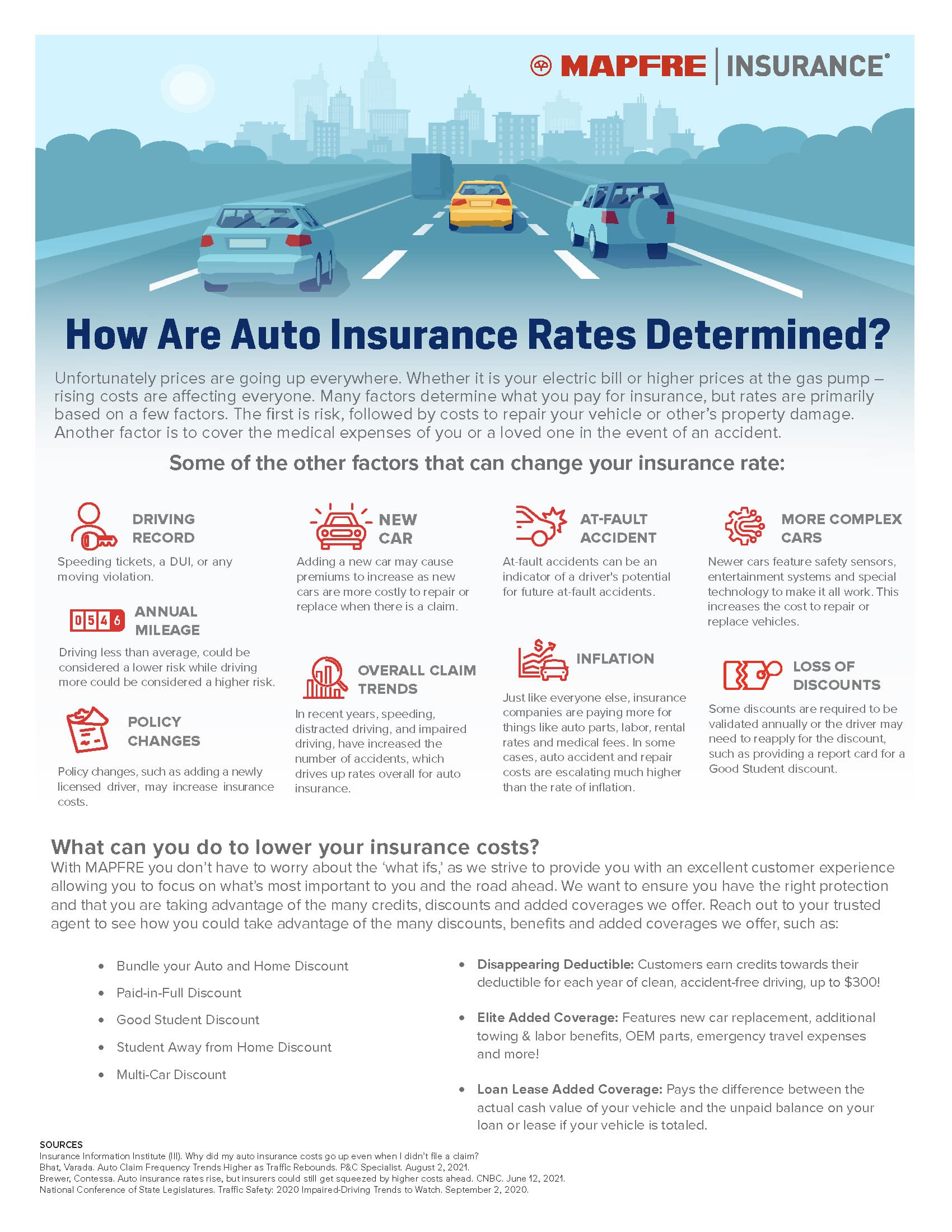
Insurance underwriting involves complex actuarial calculations. Several distinct variables influence the final premium charged by American auto insurance providers operating in Hawaii:
Geographic Location and Garaging Address
Where your vehicle is parked overnight significantly impacts your rate. Urban areas with high traffic density, such as Honolulu and parts of central Oahu, generally experience higher rates of minor collisions and vehicle thefts, leading to elevated premiums. Conversely, more rural zip codes on Kauai or the Big Island may see lower rates for collision and theft, though high-speed rural highways can carry a different risk profile for severe accidents.
Driving Record and Claims History
An individual's motor vehicle record (MVR) remains one of the most heavily weighted rating factors. Clean driving records free of at-fault accidents, speeding tickets, and moving violations qualify drivers for preferred tier rates. Conversely, major infractions, driving under the influence (DUI) convictions, and multiple recent claims will increase premiums or require placement in a non-standard insurance market.
Vehicle Make, Model, and Safety Rating
The cost to repair or replace your vehicle directly affects your comprehensive and collision premiums. Vehicles equipped with advanced driver-assistance systems (ADAS), such as automatic emergency braking and lane-keep assist, often qualify for safety discounts. Additionally, the availability of replacement parts on the islands can influence repair costs and, by extension, insurance pricing.
Coverage Limits and Deductibles
Choosing higher liability limits and comprehensive or collision coverages increases the baseline premium. However, policyholders can manage these costs by selecting higher deductibles—the amount paid out-of-pocket before insurance coverage applies.
Step-by-Step Guide to Purchasing and Maintaining Coverage
Securing and maintaining compliant auto insurance in Hawaii requires following an orderly process, from initial quote comparison to ongoing policy renewal.
- Gather Necessary Information: Collect your driver's license numbers for all household drivers, vehicle identification numbers (VINs), current mileage estimates, and details of your driving history for the past three to five years.
- Determine Coverage Needs: Evaluate whether statutory minimums suffice or if higher liability limits, collision, and comprehensive coverages are necessary based on your financial assets and vehicle financing status.
- Compare Multiple Quotes: Obtain quotes from at least three different insurers. Ensure each quote uses identical coverage limits and deductibles to allow for an accurate apples-to-apples price comparison.
- Verify Licensing and Admitted Status: Confirm that the insurance company is authorized and admitted to write policies in the State of Hawaii through the Insurance Division of the DCCA.
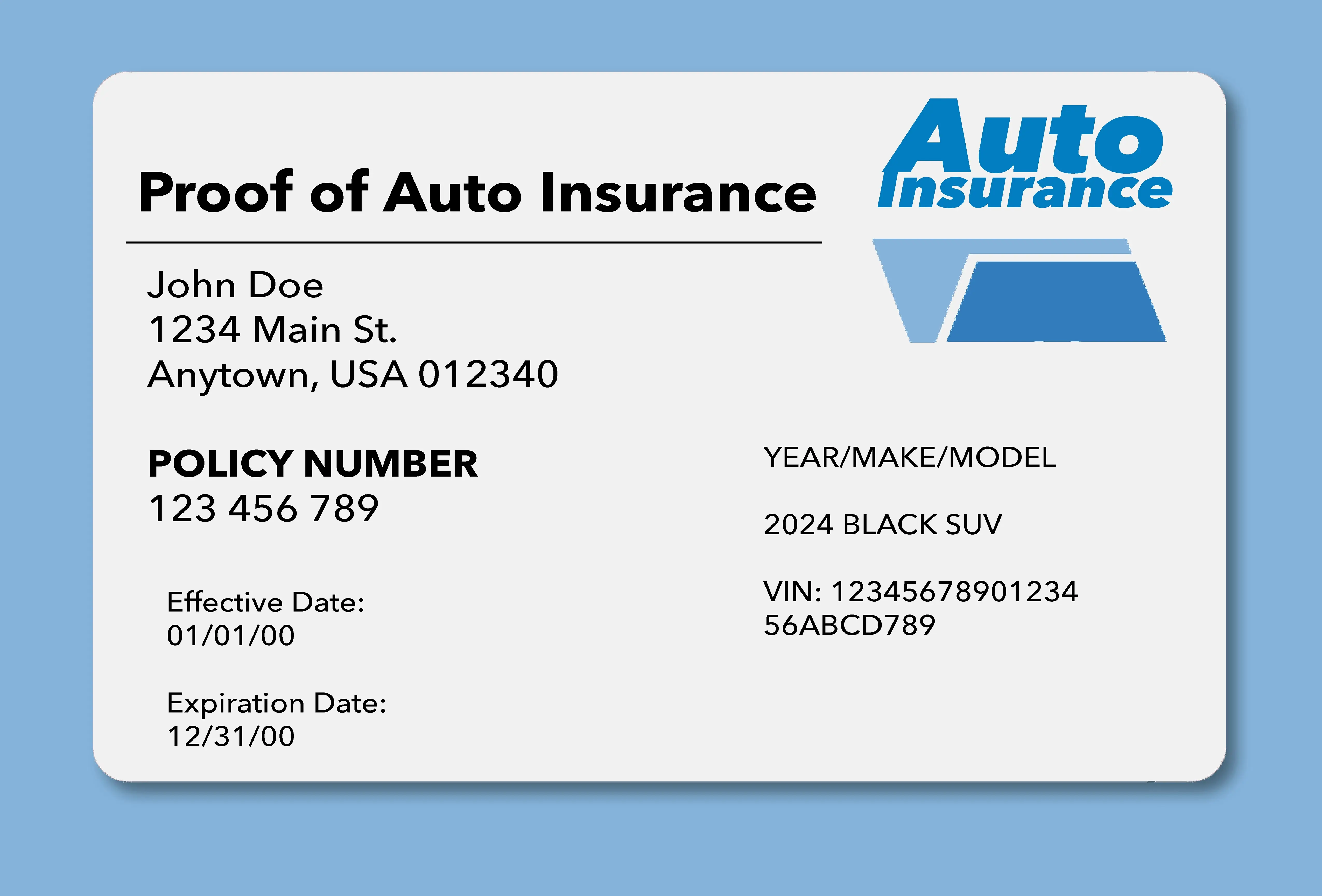
- Finalize the Policy and Print Proof: Once you select a carrier and pay the initial premium, download your electronic insurance card or print the physical proof of insurance. Hawaii law requires valid proof of insurance to be kept inside the vehicle at all times.
Frequently Asked Questions
Is auto insurance mandatory for all vehicles driven in Hawaii?
Yes. Every motor vehicle operated or parked on public roadways in Hawaii must maintain continuous liability insurance and personal injury protection that meets or exceeds state statutory minimums.
How does Hawaii's no-fault law affect my claim after an accident?
Under Hawaii's no-fault system, your own Personal Injury Protection (PIP) insurance pays for your initial medical expenses up to your policy limit, regardless of who caused the accident. You generally cannot sue the at-fault driver for minor injuries unless your medical expenses exceed a specific statutory threshold or result in certain permanent injuries.
Can mainland auto insurance policies be transferred to Hawaii?
If you move from the mainland to Hawaii, your existing national insurer can typically transfer your policy, but you must update your garaging address and vehicle registration within the state's mandated timeframe. Rates will be recalculated based on Hawaii's unique rating factors and statutory requirements.
What happens if I am caught driving without insurance in Hawaii?
Driving without valid insurance in Hawaii carries strict penalties, including substantial monetary fines, mandatory community service, potential license suspension, and the requirement to file an SR-22 certificate of financial responsibility for up to three years.
How can I lower my auto insurance premium in Hawaii?
You can reduce your premium by maintaining a clean driving record, bundling your auto policy with renters or homeowners insurance, completing an approved defensive driving course, and choosing vehicles with high safety ratings and anti-theft devices.
Conclusion and Next Actions
Securing the correct auto insurance policy in Hawaii safeguards both your personal finances and your legal compliance while driving on island roads. Begin by auditing your current coverage limits against Hawaii’s statutory minimums, and request quotes from multiple licensed carriers to evaluate cost and policy features. Review your deductible choices annually to ensure they align with your financial preparedness, and keep your digital or physical proof of insurance current within your vehicle at all times.