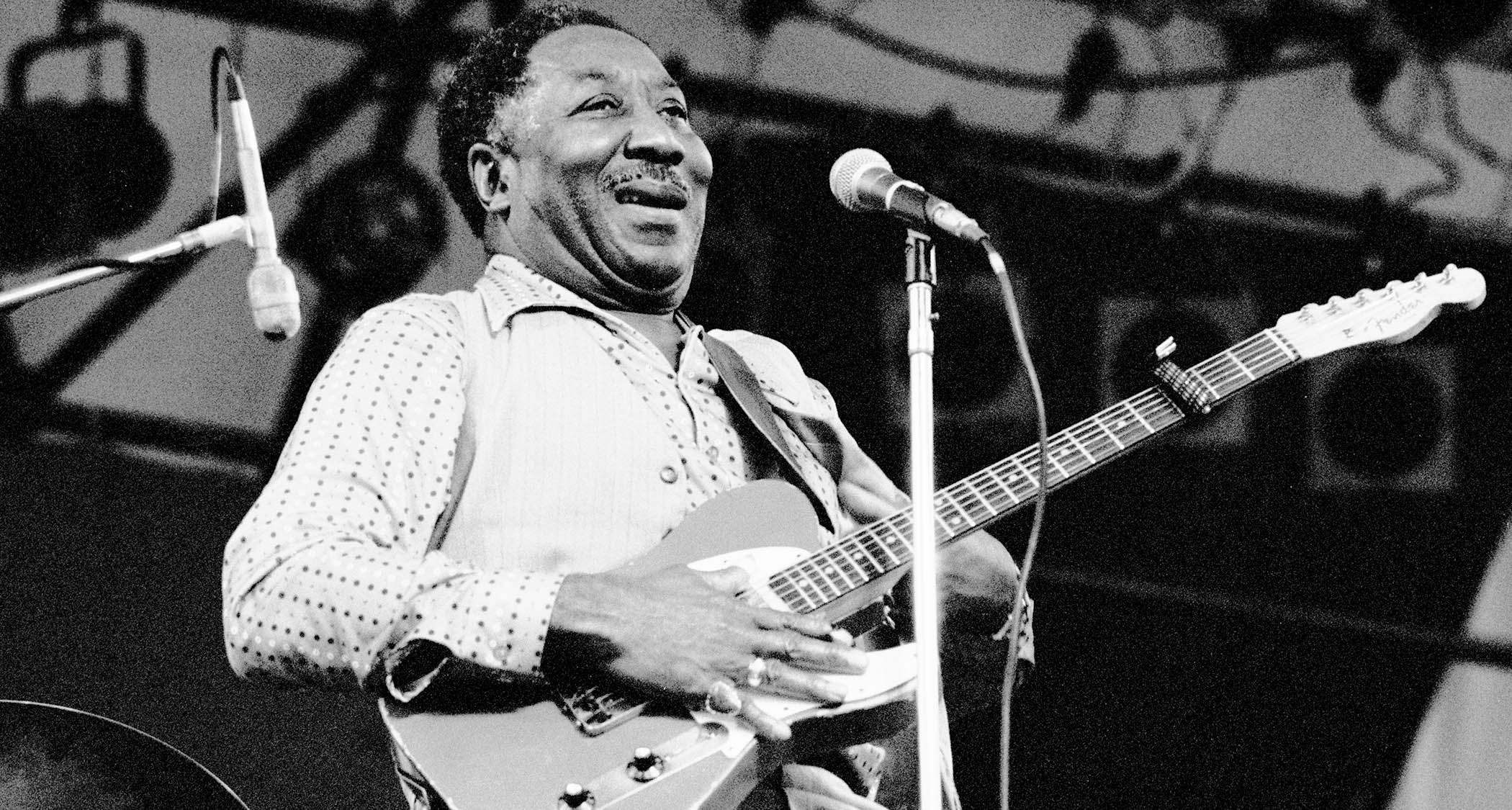
Alto Blues is a seminal Argentine rock and blues band founded in the late 1980s, led by the iconic guitarist and vocalist Miguel "Micky" Ruffa. Emerging from the gritty "barrio" culture of Buenos Aires, the band is celebrated for blending traditional Chicago blues structures with the lyrical sensibilities of Argentine "Rock Nacional," creating a distinctive urban sound that has persisted for over nearly four decades.
The Origins and Cultural Foundation of Alto Blues
To understand Alto Blues, one must first understand the landscape of the Argentine music scene in the late 1980s. Following the return to democracy in 1983, Argentina experienced an explosion of artistic expression. While the "Rock Nacional" movement of the 70s had been poetic and often progressive, the late 80s saw a shift toward more visceral, street-level genres. This was the era when the "blues local" (local blues) began to take root in the working-class neighborhoods of Buenos Aires.
Alto Blues was born in this crucible. Founded by Miguel "Micky" Ruffa, the band represented the heartbeat of the western suburbs of Buenos Aires—specifically areas like Mataderos and Liniers. These neighborhoods, characterized by their industrial history and tight-knit communities, provided the perfect backdrop for a genre of music that deals with hardship, daily life, and the pursuit of freedom.
The band’s formation wasn't merely about mimicking American blues legends like Muddy Waters or B.B. King; it was about translation. Alto Blues took the twelve-bar blues structure and infused it with "lunfardo" (the slang of Buenos Aires) and the melancholy of the city. As we look at the band's status in 2026, they remain a bridge between the foundational years of Argentine blues and the modern era of independent rock.
The Influence of Miguel "Micky" Ruffa
At the center of Alto Blues is Miguel "Micky" Ruffa. In the hierarchy of Argentine guitarists, Ruffa occupies a space defined by "feeling" rather than pure technical shredding. His approach to the instrument is deeply rooted in the Albert Collins and Buddy Guy school of thought—sharp, stinging notes followed by wide, emotive vibratos.
Ruffa’s role as a frontman is equally critical. His voice, characterized by a natural rasp and a conversational delivery, makes the band's stories feel personal. In the early 90s, Ruffa became a fixture of the Buenos Aires blues circuit, frequently appearing at legendary venues such as El Samovar de Rasputín in La Boca, where he shared stages with other titans like Pappo and Claudio Gabis.
His leadership has steered the band through numerous lineup changes while maintaining a consistent sonic identity. In 2026, Ruffa is viewed as a "maestro" of the genre, an elder statesman who continues to mentor younger musicians while keeping the traditional flame of the "blues de barrio" alive.
Musical Style and the "Barrio" Identity
The "Barrio" (neighborhood) identity is the defining characteristic of Alto Blues. While many blues bands worldwide focus on the rural aesthetics of the Mississippi Delta, Argentine blues—and Alto Blues in particular—is decidedly urban.
The band's music is often described as "Blues Porteño." This style incorporates:
- Urban Lyrical Themes: Songs about the neighborhood corners, the local cafe, failed romances under the city lights, and the struggle of the working man.
- The Shuffle Rhythm: A heavy emphasis on the "swing" or shuffle feel, which resonates with the rhythmic pulse of the city.
- Rock Integration: Unlike "purist" blues bands, Alto Blues never shies away from the "Rock" in Rock Blues. Their sound often features overdriven guitars and more aggressive drumming than traditional acoustic blues.
This identity allowed them to connect with a demographic that felt alienated by the more polished pop-rock that dominated the airwaves in the late 90s and early 2000s. For the fans of Alto Blues, the music wasn't just a performance; it was a reflection of their own lives.
Comprehensive Discography and Critical Releases
Throughout their career, Alto Blues has maintained a discography that prioritizes quality and authenticity over commercial trends. Their albums serve as a chronological map of the evolution of the Argentine blues scene.
'Alto Blues' (Self-Titled, 1994)
This debut established the band's presence. At a time when the "Nuevo Rock Argentino" was leaning toward sonic experimentation, Alto Blues doubled down on the fundamentals. The album features raw production and high-energy performances that captured the essence of their live shows.
'Desde el Barrio' (2000)
Widely considered their magnum opus, Desde el Barrio (From the Neighborhood) solidified their thematic focus. The tracklist is a masterclass in how to adapt the blues to the Spanish language without losing the genre's inherent "soul." The production is cleaner than the debut, allowing Ruffa’s guitar work to shine with more clarity.
'En el Aire' (Later Works)
In their subsequent releases, the band explored more varied textures, occasionally incorporating brass sections and keyboards to broaden the sound. En el Aire showcased a band that was comfortable in its skin, moving away from the need to prove its "toughness" and instead focusing on intricate arrangements and more nuanced songwriting.
Comparing Alto Blues to Their Contemporaries
In the Argentine blues ecosystem, several bands rose to prominence during the same era. To understand the specific niche occupied by Alto Blues, it is helpful to compare them to their peers.
| Band | Primary Style | Lyrical Focus | Key Figure |
|---|---|---|---|
| Alto Blues | Urban Rock Blues | Neighborhood life, street stories | Micky Ruffa |
| Memphis La Blusera | Big Band / Jazz Blues | Bohemian life, nightlife, romance | Adrián Otero |
| La Mississippi | Classic Blues / Soul | Social issues, traditional blues | Ricardo Tapia |
| Pappo's Blues | Hard Rock / Heavy Blues | Freedom, cars, classic rock | Norberto "Pappo" Napolitano |
While Memphis La Blusera leaned into the sophisticated "night owl" aesthetic and La Mississippi explored the broader roots of American soul and R&B, Alto Blues remained the most stubbornly "rock" and "local" of the group. They didn't seek the radio-friendly polish of Memphis; they sought the grit of the local pub.
Technical Setup and Instrumentation
The sound of Alto Blues is built on a specific technical foundation that defines the "Argentine Rock Blues" aesthetic. For those looking to replicate or understand their sonic profile, several elements are key.
Guitar Rig
Micky Ruffa’s sound typically revolves around Fender Stratocasters and Telecasters. Unlike the high-gain sounds of modern rock, his tone is "on the edge of breakup"—achieved by pushing tube amplifiers (often Fender Twin Reverbs or locally made vintage boutique amps) to the point where the notes compress naturally.
The Role of the Harmonica
No Alto Blues performance is complete without the harmonica. In the Argentine tradition, the harmonica is treated not just as a rhythmic accompaniment but as a lead instrument that "duels" with the guitar. The band has worked with several talented harp players over the years who utilize a "cupped" microphone technique (using vintage Shure Green Bullet mics) to get that distorted, "honking" Chicago sound.
Rhythm Section
The bass and drums in Alto Blues provide a "behind the beat" feel. This is a technical nuance where the rhythm section plays slightly late relative to the metronome, creating a relaxed, "swinging" sensation that is essential for authentic blues.
Performance Legacy and the Live Circuit
Alto Blues has always been, first and foremost, a live band. In the world of blues, a studio recording is merely a postcard; the "real" music happens on stage. The band’s performance legacy is built on their residency-style appearances at iconic Buenos Aires venues.
- La Trastienda: Known for hosting the elite of the blues world, Alto Blues has performed here numerous times, often recording live tracks that would later appear on compilations.
- The Suburbs (GBA): The band is legendary for playing the "GBA" (Gran Buenos Aires) circuit—small clubs in Avellaneda, Lanús, and Ramos Mejía. These shows are often high-energy marathons where sets can last over two hours.
- Festivals: They have been a staple of the "B.A. Blues Festival," sharing the bill with international acts. Their ability to hold their own against US-based bluesmen has earned them immense respect within the global blues community.
The State of Alto Blues in 2026
As of 2026, Alto Blues continues to perform and record, representing the endurance of the independent spirit in Argentine music. While the music industry has shifted toward digital streaming and algorithmic trends, Alto Blues maintains a dedicated following through:
- Vinyl Reissues: There has been a significant resurgence in interest in their early 90s catalog, with several albums being remastered for vinyl for a new generation of collectors.
- Cultural Mentorship: Micky Ruffa is frequently involved in workshops and "clinics," teaching the nuances of blues phrasing to younger guitarists.
- Continued Relevance: Their themes of neighborhood solidarity and urban struggle remain resonant in the socio-economic climate of 2026 Argentina.
The band’s longevity is a testament to the timelessness of the blues. By never chasing a specific "fad," they have avoided becoming dated. An Alto Blues song from 1994 sounds just as vital today because the emotions it taps into—loneliness, hope, and the joy of a loud guitar—are universal.
Common Misconceptions About the Band
When discussing Alto Blues, a few misconceptions often arise among international listeners or new fans:
"Are they just a cover band?" No. While they occasionally perform blues standards as a tribute to the roots, the vast majority of their celebrated work consists of original compositions written by Micky Ruffa and the band.
"Is their music only for blues purists?" Actually, Alto Blues has a significant crossover appeal with the "Rolling Stones-style" rock fans in Argentina (locally known as "Rocanrol" or "Rollingas"). Their heavy guitar riffs and street-wise lyrics make them accessible to general rock fans.
"Do they only play in Argentina?" While their base is firmly in Buenos Aires, their influence has reached neighboring countries like Uruguay and Chile, and they are recognized by blues scholars worldwide as a key part of the Latin American blues movement.
Frequently Asked Questions
Who is the lead singer of Alto Blues?
The primary vocalist and frontman is Miguel "Micky" Ruffa. His distinctive, gravelly voice and emotive delivery are central to the band's identity. While the lineup of supporting musicians has changed over the decades, Ruffa remains the constant creative force.
What are the most famous songs by Alto Blues?
Some of their most recognized tracks include "Desde el Barrio," "Sigo en la Vía," and "Blues del Regreso." These songs are considered staples of the Argentine blues songbook and are frequently played in blues jams across the country.
Is Alto Blues still active in 2026?
Yes, Alto Blues remains an active touring and recording entity in 2026. They continue to play at major blues festivals in South America and maintain a regular schedule of club dates in the Buenos Aires metropolitan area.
What makes the "Argentine Blues" sound different from American blues?
The main difference lies in the lyrics and the cultural context. Argentine blues uses Spanish lyrics and often incorporates "lunfardo" slang. Musically, it tends to have a slightly harder "rock" edge, influenced by the 1970s Argentine rock movement (Pappo’s Blues, Manal), distinguishing it from the more jazz-inflected or purely acoustic American styles.
Where can I find Alto Blues' music?
Their discography is available on major streaming platforms like Spotify and YouTube. Additionally, for collectors, their vintage CDs and newer vinyl reissues can be found in specialized record stores in Buenos Aires or through international distributors like Discogs.
Next Steps for New Listeners
If you are new to the world of Alto Blues, the best way to experience them is chronologically. Start with the album 'Desde el Barrio' to get a sense of their peak creative output and their cultural significance. For those who enjoy live music, searching for their live performance videos from the early 2000s provides the best insight into the energy and technical skill of Micky Ruffa.
For researchers or musicians, studying Ruffa’s guitar techniques offers a unique perspective on how to adapt the pentatonic scale to the cadences of the Spanish language. Whether you are a fan of traditional blues or gritty urban rock, Alto Blues offers a rich, authentic experience that captures the soul of Buenos Aires.