Current clinical evidence suggests that Aloe vera supplements may assist in managing blood glucose levels in individuals with type 2 diabetes by improving glycemic control and insulin sensitivity. However, these effects are inconsistent across clinical trials, and aloe is not a substitute for prescribed diabetes medications, insulin therapy, or lifestyle interventions like medical nutrition therapy and regular physical activity.
The Intersection of Aloe Vera and Metabolic Health
The use of Aloe vera—a succulent plant species of the genus Aloe—has a history spanning thousands of years in traditional medicine. In the context of modern metabolic health, researchers have investigated both the gel (the inner leaf pulp) and the latex (the yellow exudate found just beneath the plant's skin) for their potential to influence glucose metabolism.
When discussing "aloe and diabetes for blood sugar control," it is critical to distinguish between these two parts of the plant. The gel is primarily composed of water, polysaccharides (including acemannan), and various plant sterols, while the latex contains anthraquinones like aloin, which are potent laxatives and carry significant safety warnings. Most clinical research targeting blood sugar regulation focuses on concentrated extracts derived from the inner leaf gel.
The proposed mechanism by which aloe might support glycemic control involves several pathways. Preclinical studies suggest that specific compounds in the gel may increase glucose uptake in muscle cells and improve the function of pancreatic beta cells, which are responsible for insulin production. Despite these theoretical pathways, human clinical trials have produced mixed results, leading many endocrinologists to view aloe as an experimental supplement rather than a standard of care.
Examining the Clinical Evidence
Scientific literature regarding aloe and diabetes has expanded over the last two decades, yet the findings remain heterogenous. A significant limitation in existing research is the variability in supplement composition. Because there is no standardized "aloe extract" for diabetes, different studies utilize different concentrations, processing methods, and dosages.
Meta-Analyses and Trends
Several systematic reviews have evaluated the effect of oral Aloe vera supplementation on glycemic markers, specifically fasting blood glucose (FBG) and glycated hemoglobin (HbA1c). Some meta-analyses have observed modest, statistically significant reductions in these markers in patients with type 2 diabetes or prediabetes. However, these reviews frequently highlight "high heterogeneity," meaning the results vary drastically between individual trials.
Limitations in Research
- Sample Sizes: Many studies involve small cohorts, making it difficult to extrapolate the data to the general population.
- Standardization: The concentration of bioactive compounds, such as phytosterols, is rarely consistent across the commercial products used in studies.
- Publication Bias: Positive findings are more likely to be published than null results, potentially skewing the perceived efficacy of the plant.
Practical Considerations and Safety Guidelines
Before incorporating any herbal supplement into a diabetes management plan, individuals must prioritize safety and professional medical consultation. Diabetes is a complex, progressive condition that requires precise management to avoid acute complications like hypoglycemia or chronic issues like neuropathy and cardiovascular disease.
Drug Interactions
Aloe vera is known to interact with several classes of medication. Because it may possess hypoglycemic properties, there is a legitimate risk of drug-supplement interactions when taken alongside prescribed glucose-lowering agents. Combining aloe with drugs like metformin or insulin could theoretically increase the risk of hypoglycemia—a state of dangerously low blood sugar that requires immediate medical attention.
Gastrointestinal and Renal Risks
The most common side effect of aloe ingestion is gastrointestinal distress, including cramping and diarrhea, especially if the product contains remnants of the latex (aloin). Long-term use of anthraquinones is discouraged due to potential toxicity. Furthermore, individuals with existing kidney concerns should exercise caution, as electrolyte imbalances can occur with significant bowel stimulation.
Comparison of Blood Sugar Management Strategies
Integrating supplements requires a clear understanding of where they fall on the spectrum of efficacy compared to established clinical practices.
| Strategy | Primary Mechanism | Clinical Evidence Level | Regulatory Status |
|---|---|---|---|
| Insulin Therapy | Direct exogenous replacement | High | FDA-Approved |
| Metformin | Decreases liver glucose output | High | FDA-Approved |
| Medical Nutrition | Carb management/Fiber intake | High | Established Standard |
| Aloe Vera Supplement | Potential insulin sensitization | Emerging/Mixed | Dietary Supplement (Not FDA-evaluated) |
Note: This table is for informational purposes. Consult a primary care physician before altering any prescribed treatment protocol.
Determining Quality: What to Look For
If an individual decides to test an Aloe vera supplement under the guidance of their healthcare provider, they must be aware of the "Wild West" nature of the supplement industry. In the United States, the Food and Drug Administration (FDA) does not approve dietary supplements for safety and effectiveness before they are marketed.
- Third-Party Testing: Look for products that carry the seal of independent testing organizations such as USP (United States Pharmacopeia) or NSF International. These organizations verify that the label accurately reflects the contents and that the product is free from heavy metal contamination.
- Latex-Free Certification: Ensure the product is explicitly labeled as "latex-free" or "inner leaf only" to minimize the risk of digestive irritation.
- Clear Ingredient Lists: Avoid "proprietary blends" where the dosage of the active aloe ingredient is hidden. You need to know exactly how many milligrams of the extract are in each dose to monitor your body's reaction consistently.
Frequently Asked Questions
Can aloe vera cure type 2 diabetes?
No. There is no known cure for type 2 diabetes. While some studies show that Aloe vera may help lower blood glucose levels, it does not address the underlying pathology of the disease in a way that allows patients to discontinue other treatments. Never stop prescribed medication without consulting your doctor.
Is it better to use fresh aloe gel from the plant or commercial supplements?
Using fresh gel from a plant at home is generally discouraged for internal use. It is nearly impossible to guarantee that the gel is entirely free of latex, and the dosage of bioactive compounds varies wildly between plants based on soil, sunlight, and age. Commercial supplements, while imperfect, are typically processed to remove the hazardous latex component.
How do I monitor the effects of aloe on my glucose?
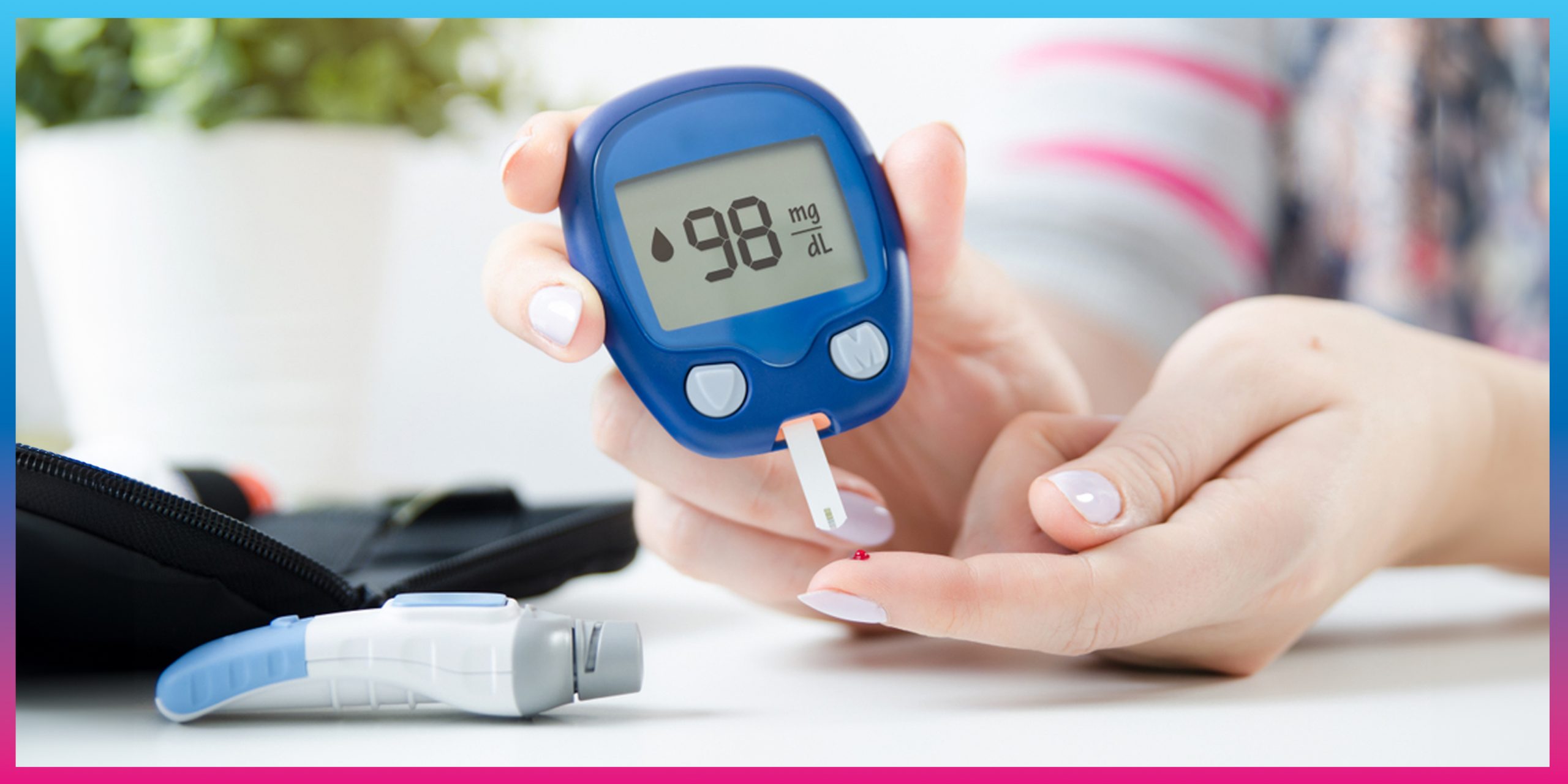
If your doctor approves a trial of aloe, you should maintain a meticulous log of your blood glucose levels using a glucometer or continuous glucose monitor (CGM). Note the time of day, your dietary intake, physical activity, and the timing of your supplement dose. This data is essential for your doctor to evaluate whether the supplement is providing any benefit or contributing to unstable blood sugar.
Are there specific people who should avoid aloe?
Yes. Pregnant and breastfeeding women, individuals with history of intestinal obstruction, appendicitis, or inflammatory bowel disease (like Crohn's or ulcerative colitis), and those taking diuretics or heart medications should avoid oral aloe products unless explicitly directed by a specialist.
Next Steps for Patients and Caregivers
The management of diabetes is highly individualized. If you are interested in exploring Aloe vera as a complementary approach, do not introduce it as an autonomous decision.
- Consult Your Healthcare Team: Schedule an appointment with your endocrinologist or primary care physician. Bring a list of all your current medications, including over-the-counter vitamins and supplements.
- Set Specific Goals: Define what you hope to achieve. Are you looking to stabilize morning fasting glucose levels? Are you seeking to improve your post-meal spikes? Having clear objectives helps your doctor determine if the supplement is working.
- Monitor and Review: Start with the lowest recommended dose. Continue your prescribed lifestyle and medication regimen exactly as ordered. Schedule a follow-up assessment in 4 to 6 weeks to review your glucose logs and discuss any side effects.
By approaching the use of Aloe vera with caution, skepticism, and clear medical supervision, you ensure that any attempt to improve blood sugar control remains safe and evidence-based.