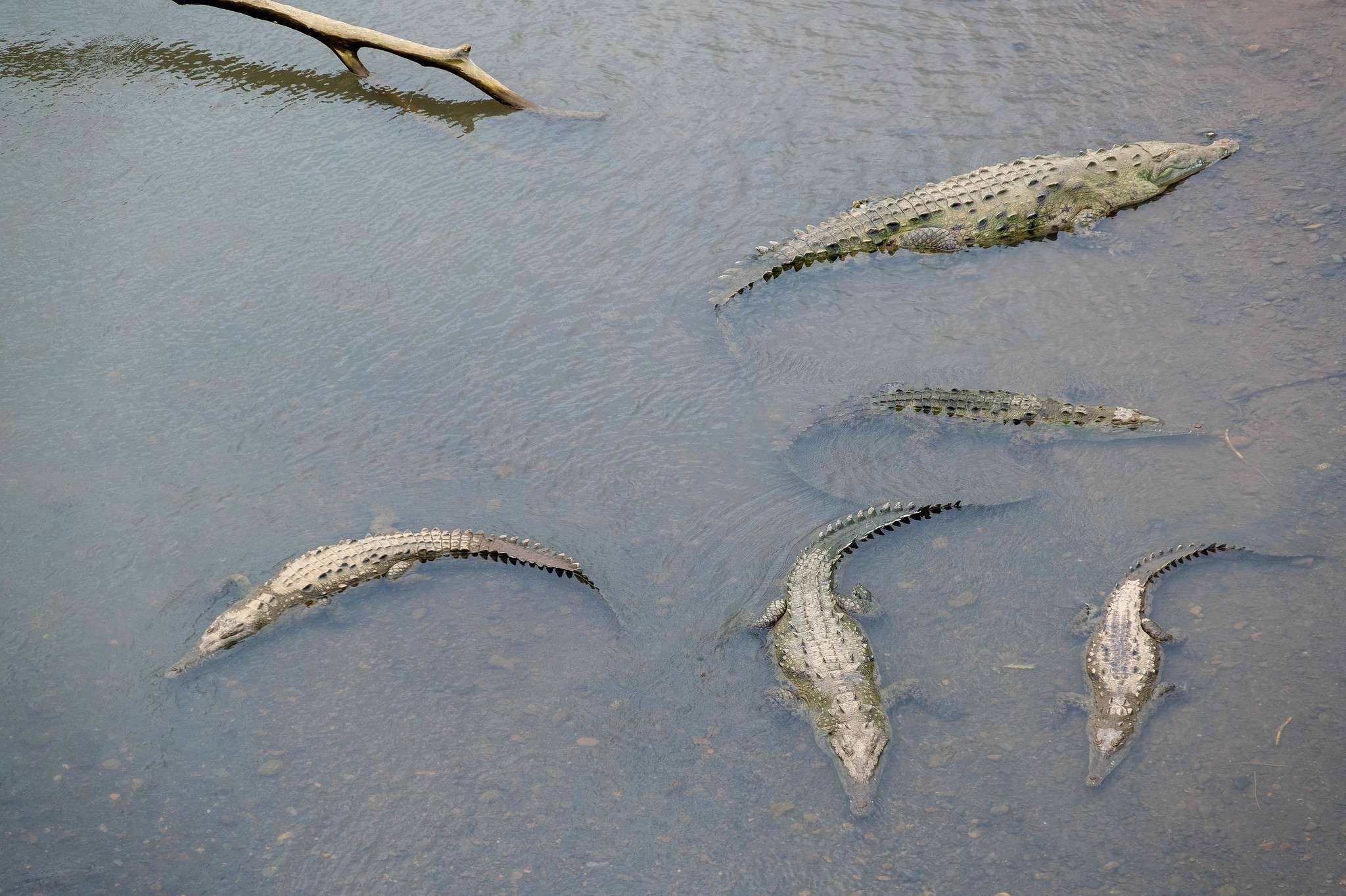
While the American alligator is not native to the mountainous Ozark Plateau, occasional sightings occur in the region’s waterways. These instances usually involve individual alligators that have traveled upriver from southern habitats, survived mild winters, or were illegally released as pets. There is currently no evidence of a self-sustaining breeding population within the high-elevation Ozark highlands.
The presence of the American alligator (Alligator mississippiensis) in the Ozarks is a topic that frequently blends local folklore with biological reality. To understand why alligators are occasionally found in parts of the Ozarks, one must examine the intersection of reptile biology, regional geography, and human intervention. As of 2026, wildlife agencies in Missouri and Arkansas continue to monitor these occurrences, though the primary habitat for these apex predators remains the warmer, slower-moving waters of the Gulf Coastal Plain and the Mississippi Alluvial Plain.
The Native Range of the American Alligator
To address the presence of alligators in the Ozarks, we must first define their natural boundaries. Historically, the American alligator is a creature of the Southeast. Its range extends from the North Carolina coast down through Florida and along the Gulf Coast into South Texas. Inland, the range pushes north into the southern and eastern halves of Arkansas and the extreme southeastern corner of Oklahoma.
The Ozarks, or the Ozark Plateau, represent a significantly different ecosystem. Characterized by high elevations, karst topography, and spring-fed, cold-water rivers, the Ozarks are generally considered too cool and too fast-moving for alligators. However, the southern "edge" of the Ozarks—where the mountains transition into the Arkansas River Valley—presents a geographical grey area where sightings are more frequent and biologically plausible.
The Biological Limits of the Species
Alligators are ectothermic, meaning they rely on external heat sources to regulate their body temperature. For a population to thrive, the environment must provide a "thermal window" long enough for the reptiles to hunt, digest food, and successfully incubate eggs. Ozark winters, while varying in intensity, often produce sustained freezing temperatures that can be lethal to alligators if they cannot find deep, still water or burrows that remain above freezing.
In the southern reaches of the species' range, alligators engage in brumation—a state of dormancy similar to hibernation. They can survive brief periods of ice by keeping their snouts above the water’s surface as it freezes. However, the deep, prolonged freezes of the Missouri and Northern Arkansas Ozarks typically exceed the survival threshold for hatchlings and juveniles, preventing the establishment of long-term colonies.
Documented Sightings in the Ozark Region
In recent years leading up to 2026, sightings in the Ozarks have been documented in specific corridors. These are rarely "invasions" and more often "isolated incidents." Understanding where these sightings occur helps distinguish between transient individuals and resident populations.
The Arkansas Ozarks and River Valley
The Arkansas Game and Fish Commission (AGFC) manages alligators as a protected game species in the state. While the bulk of the population resides in the wetlands of southern and eastern Arkansas, alligators are frequently found in the Arkansas River, which flows along the southern boundary of the Ozark National Forest.
Because the Arkansas River is a major navigation channel with slower-moving "pools" created by locks and dams, it serves as a highway for alligators. It is not uncommon for an individual to wander into the tributaries that feed into the river from the Ozark foothills. These alligators are often categorized as "nuisance" animals if they move too close to human boat ramps or residential docks, but they are technically within a range that allows for seasonal survival.
The Missouri Ozarks: A Different Scenario
In Missouri, the situation is more distinct. The Missouri Department of Conservation (MDC) maintains that there is no native, breeding population of alligators in the state. However, the "Missouri Bootheel"—the flat, swampy southeastern corner—is adjacent to known alligator habitats in Arkansas.
When an alligator is found further north in the Missouri Ozarks—such as in the Current River, the Eleven Point River, or Table Rock Lake—the cause is almost always human intervention. For decades, individuals have illegally brought juvenile alligators back from vacations in Florida or Louisiana. Once the alligator grows from a manageable twelve inches to a dangerous four feet, owners often release them into local lakes or rivers.
Why the Ozarks Are Not Ideal Alligator Habitat
Even if an alligator is released into the Ozarks, its long-term survival is statistically unlikely. Several ecological factors work against the species in this specific geography.
1. Water Temperature and Chemistry
The Ozarks are famous for their springs. These springs provide a massive volume of water at a consistent 55 to 58 degrees Fahrenheit year-round. While this is perfect for trout, it is functionally a "cold trap" for alligators. Alligators require water temperatures above 70 degrees to effectively digest their food. A reptile living in a spring-fed river like the Jacks Fork or the North Fork of the White River would eventually starve, as its metabolism would slow to the point where it could not process nutrients.
2. Terrain and Flow
Alligators prefer lentic (still) water environments like swamps, marshes, and oxbow lakes. The Ozarks are dominated by lotic (flowing) water. High-gradient streams with rocky bottoms do not provide the muddy banks or dense aquatic vegetation (such as lily pads and reeds) that alligators use for stalking prey and nesting. Furthermore, the flash-flood nature of Ozark streams can wash away nests or drown hatchlings.
3. Food Competition and Availability
While the Ozarks have plenty of fish, turtles, and small mammals, the sheer density of prey in a southern swamp is much higher. In the Ozarks, an alligator must compete with established apex predators of a different variety—primarily large snapping turtles and, increasingly, black bears and river otters that might prey on smaller alligators.
| Feature | Southern Swamp (Native Habitat) | Ozark Highlands (Non-Native) |
|---|---|---|
| Water Movement | Stagnant or slow-moving | Fast-flowing, high-gradient |
| Substrate | Mud, silt, and peat | Rock, gravel, and sand |
| Primary Vegetation | Cypress, lilies, marsh grass | Oak-Hickory forest, mosses |
| Average Water Temp | 75°F - 85°F (Summer) | 55°F - 72°F (Spring-fed) |
| Winter Severity | Mild; rare freezes | Frequent snow and deep freezes |
| Breeding Potential | High; stable nesting sites | Low; flood-prone and cold |
The Role of the Illegal Pet Trade
The most common reason a resident of the Ozarks might encounter an alligator is the illegal pet trade. Despite strict state and federal laws—including the Lacey Act, which regulates the interstate transport of wildlife—alligators continue to be sold as novelty pets in some jurisdictions.
When these animals are "dumped" into Ozark lakes like Lake of the Ozarks or Bull Shoals, they often survive the summer quite well. These large reservoirs have warmer surface temperatures and abundant food sources (like carp and sunfish). However, once the "lake turnover" occurs in the fall and temperatures drop, these released pets usually succumb to the elements or are captured by wildlife officials.
In 2026, the MDC and AGFC continue to remind the public that releasing any non-native species into the wild is not only a death sentence for the animal but also a significant ecological risk and a criminal offense.
Identifying Alligators vs. Lookalikes
Mistaken identity is a major factor in "alligator sightings" reported in the Ozark region. Several native species can mimic the appearance of a surfacing alligator to the untrained eye.
- Common Snapping Turtles: A large snapping turtle swimming near the surface can show a ridged back and a triangular head that resembles a small alligator.
- River Otters: While their swimming motion is different, a group of otters or a single large male seen from a distance can be mistaken for a reptilian predator.
- Beavers: At twilight, the flat tail and head of a beaver can create a silhouette that leads to "alligator" phone calls to local sheriffs.
- Submerged Logs: The "alligator log" is a classic phenomenon where a waterlogged branch with knots or bark textures looks remarkably like a reptile's back in low light.
Safety and Public Protocol
If you genuinely encounter an alligator in the Ozarks, it is important to remember that they are naturally wary of humans. Unlike crocodiles, which can be highly aggressive, American alligators typically flee when approached. However, an alligator that has been raised in captivity and released may have lost its fear of humans, making it significantly more dangerous.
Guidelines for Encounters:
- Maintain Distance: Stay at least 60 feet away from any alligator. If it hisses or lunges, you are too close.
- Do Not Feed: Feeding an alligator is the quickest way to turn a shy animal into a "nuisance" animal that must be euthanized. It associates humans with food.
- Keep Pets Leashed: Most alligator attacks on humans occur because the alligator was actually targeting a dog near the water’s edge.
- Report the Sighting: If you see an alligator in a part of the Ozarks where they are not native (such as Central Missouri or Northwest Arkansas), contact the state's wildlife department immediately. They will assess whether the animal is a released pet that needs to be relocated to a sanctuary.
The Future of Alligators in the Ozarks (2026 and Beyond)
As of 2026, the conversation around alligators in the Ozarks is increasingly tied to climate trends. While long-term warming could theoretically push the alligator's range further north, the geological constraints of the Ozark Plateau remain. The rocky, spring-fed nature of the highlands serves as a natural barrier that climate alone cannot easily overcome.
We may see more "transient" alligators—young males looking for new territory—pushing into the fringes of the Ozarks via the Arkansas and Mississippi River systems. However, the heart of the Ozarks will likely remain a land of cold clear water, far better suited for smallmouth bass and hellbenders than for the ancient American alligator.
Frequently Asked Questions
Are there alligators in the Lake of the Ozarks?
There is no native population of alligators in the Lake of the Ozarks. Any alligators found there are almost certainly released pets. While the lake's large size and summer warmth could support an alligator temporarily, the winter temperatures and lack of suitable nesting habitat prevent a population from establishing.
Can alligators survive the winter in Missouri?
Generally, no. While alligators in the deep south can survive short freezes, the sustained sub-zero temperatures often seen in Missouri winters are lethal to them. Only in the extreme southeastern Bootheel region, which is geologically part of the Mississippi floodplain, is there even a marginal chance for survival, and even there, sightings are rare.
Is it legal to own an alligator in the Ozarks?
In Missouri and Arkansas, regulations regarding the possession of "dangerous" or "exotic" wildlife are strict. In Missouri, you must have a permit for "Large Carnivores" or "Dangerous Wild Animals," and local municipal codes often ban them entirely. Arkansas has similar restrictions, requiring specific permits that are rarely granted to private individuals for pet purposes.
What should I do if I see an alligator while floating an Ozark river?
Do not attempt to catch, harass, or move the animal. Take a photo from a safe distance to verify the species and note your exact location (GPS coordinates or river mile marker). Report the sighting to the Missouri Department of Conservation or the Arkansas Game and Fish Commission.
Why are alligators moving further north?
Wildlife biologists note that milder winters over the last decade have allowed some alligators to expand their range slightly northward within existing river systems. However, this expansion is mostly limited to lowland areas and hasn't resulted in a significant move into high-elevation regions like the Ozark Plateau.
Practical Recommendation
If you live in or are visiting the Ozark region, there is no need for "alligator anxiety." The probability of encountering one is extremely low—lower than the probability of encountering a bear or a venomous snake. Enjoy the waterways, keep your pets on a leash near the water for general safety, and report any unusual wildlife sightings to professional conservation agents. If you are interested in seeing alligators in their natural, native habitat, a trip to the Arkansas Post National Memorial or the wetlands of Southern Arkansas is a much more reliable and safer option.