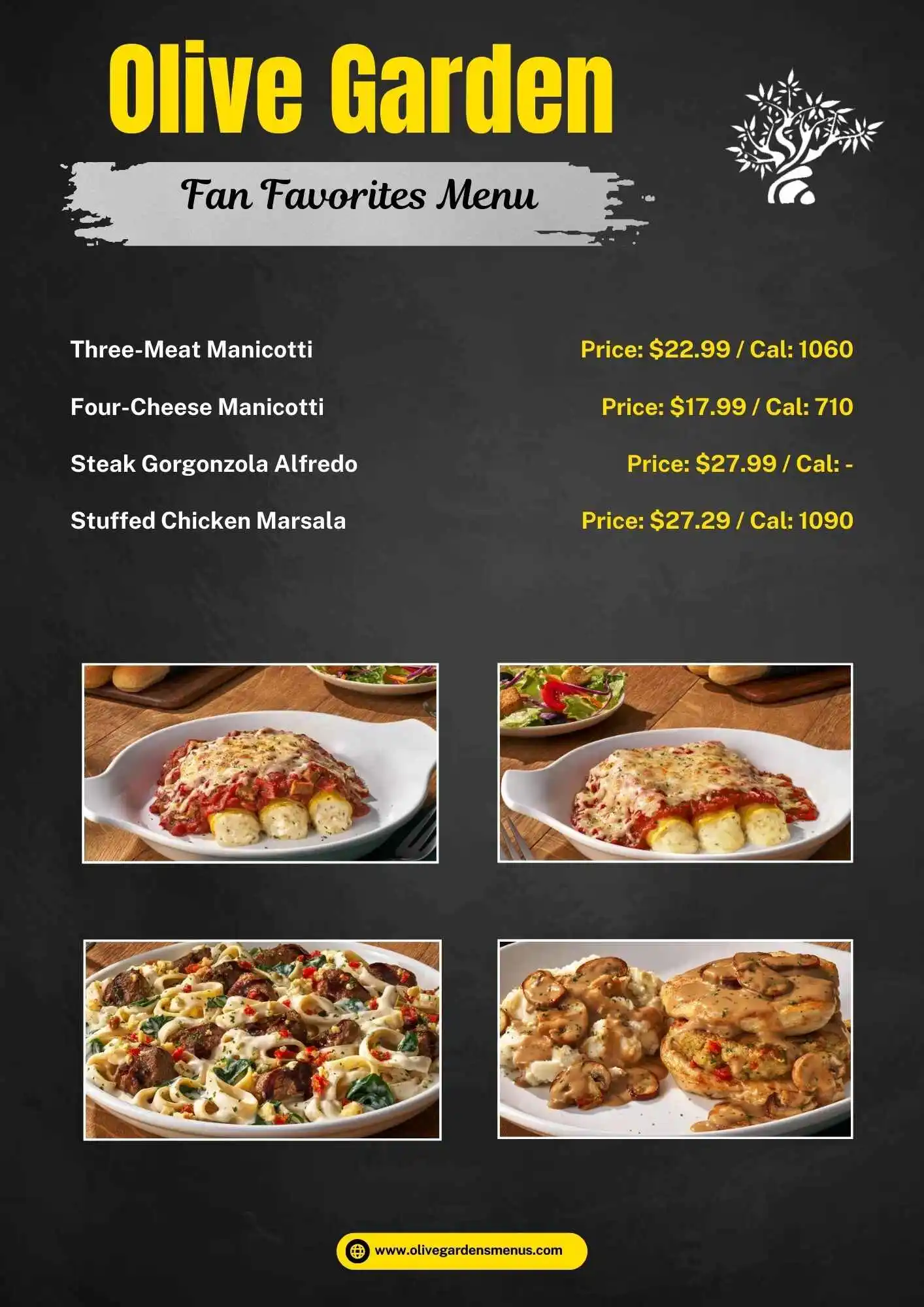
The "All You Can Pasta" promotion—historically known as the Olive Garden Never Ending Pasta Bowl—allows diners to customize various pasta types, sauces, and toppings for a single flat price, though availability is limited to periodic promotional windows rather than being a permanent menu fixture.
Understanding the Olive Garden Never Ending Pasta Bowl Phenomenon
For decades, the American casual dining landscape has been shaped by promotional events designed to drive foot traffic during traditionally slower business quarters. Among these promotions, Olive Garden’s signature unlimited pasta event stands out as one of the most culturally recognized and heavily debated culinary offerings in chain restaurant history. Known formally as the Never Ending Pasta Bowl (NEPB), the promotion invites patrons to consume as much pasta as their appetites allow, mixing and matching foundational ingredients to create thousands of unique combinations.
Understanding this menu requires looking beyond a standard restaurant card. Because the promotion appears only during specific promotional windows throughout the year, navigating the options requires familiarity with the structural components of the deal, historical pricing shifts, and the mechanics of how the kitchen handles unlimited ordering. Whether you are planning a visit during an active promotion or researching the mechanics of this famous marketing campaign, analyzing the menu structure provides insight into how casual dining brands maximize value and customer engagement.
Historical Context and Evolution of the Promotion
The concept of unlimited pasta at Olive Garden did not appear overnight. It evolved from localized marketing trials into a nationwide phenomenon that eventually spawned digital loyalty variants, such as the famous, highly coveted "Pasta Passes."
From Local Special to National Staple
Introduced in the late 20th century as a seasonal value driver, the Never Ending Pasta Bowl was designed to boost sales during the late summer and early autumn months—a historically sluggish period for the restaurant industry between the summer travel peak and the winter holidays. By offering an accessible flat rate for customizable carbohydrate-heavy meals, the brand successfully attracted budget-conscious families and college students.
The Digital Era and the Pasta Pass Craze
In the 2010s, Olive Garden elevated the promotion's cultural footprint by introducing limited-release digital passes. The "Never Ending Pasta Pass" and later the "Lifetime Pasta Pass" allowed select purchasers to eat unlimited pasta for a set number of weeks or, in very rare instances, for life. These digital assets sold out in fractions of a second, generating massive media coverage, viral social media discourse, and cementing the promotion as a masterclass in scarcity marketing. Over time, logistical shifts and changing consumer digital strategies led the brand to scale back these specific passes, pivoting back to traditional, widely available in-restaurant promotional windows.
Anatomy of the All You Can Pasta Menu Structure
When the promotion is active, the menu operates on a systematic matrix. Diners do not simply order a dish; they build one through a multi-step selection process. Each phase of the build requires choosing components from structured categories, ensuring that every refill can either mirror the previous plate or introduce entirely new flavor profiles.
- [Start Order]
- [Step 1: Choose Pasta]
- [Step 2: Choose Sauce]
- [Step 3: Add Toppings (Extra Fee)]
- [Repeat/Refill]
Step 1: Selecting the Base Pasta
The foundation of any plate is the noodle. The menu typically features a rotating or standard lineup of classic Italian pasta shapes engineered to hold varying thicknesses of sauce. Standard options historically include:
- Fettuccine: Wide, flat ribbons ideal for heavy, cream-based sauces.
- Spaghetti: Traditional round strands suited for smooth tomato-based sauces.
- Rigatoni: Large, ridged tubes that trap meat sauces and heavier broths inside their cavities.
- Angel Hair: Delicate, thin strands best paired with lighter, oil- or broth-based toppings.
- Gluten-Free Rotini: An alternative option introduced to accommodate dietary restrictions, ensuring inclusivity during the nationwide event.
Step 2: Choosing the Sauce
Once the pasta shape is locked in, guests select a sauce. Olive Garden’s culinary team maintains several signature sauces that remain staples of both the permanent and promotional menus:
- Alfredo: A rich, butter-and-parmesan cream sauce.
- Traditional Marinara: A simple, savory tomato sauce seasoned with garlic, onion, and herbs.
- Meat Sauce: A heartier iteration of marinara infused with seasoned ground beef and Italian sausage.
- Five Cheese Marinara: Marinara blended with mozzarella, parmesan, romano, ricotta, and fontina cheeses for a thicker, creamier consistency.
- Creamy Mushroom: An earthy, savory sauce featuring sliced mushrooms and rich dairy components.
Step 3: Optional Protein Toppings
While the base price covers unlimited pasta and sauce, protein additions traditionally incur an additional per-serving fee. These enhancements transform a simple carbohydrate dish into a more substantial meal:
- Meatballs (usually beef or Italian sausage links)
- Crispy chicken fritta
- Grilled chicken strips
- Sauteed shrimp
Menu Component Comparison Matrix
To better understand how the customizable elements interact during a promotional visit, examine the following matrix of standard options, their culinary characteristics, and their functional pairings:
| Pasta Type | Best Paired Sauce | Ideal Flavor Profile | Dietary Notes |
|---|---|---|---|
| Fettuccine | Alfredo / Five Cheese | Rich, heavy, velvety | Standard wheat-based |
| Spaghetti | Marinara / Meat Sauce | Savory, acidic, meaty | Standard wheat-based |
| Rigatoni | Meat Sauce / Creamy Mushroom | Robust, textured, earthy | Standard wheat-based |
| Angel Hair | Marinara / Light Broths | Delicate, subtle, clean | Standard wheat-based |
| Gluten-Free Rotini | Any available sauce | Versatile | Certified gluten-free formulation |
Operational Guidelines, Pricing, and Rules
Participating in the promotion involves navigating specific structural rules established by corporate guidelines. Understanding these parameters prevents misunderstandings at the table and ensures a smooth dining experience.
Pricing Models and Inclusions
The baseline price for the promotion is set nationally, though minor regional variations can occur based on local operating costs and state taxes. This flat fee consistently includes:
- Unlimited refills of soup or salad (a signature Olive Garden hallmark).
- Unlimited warm breadsticks.
- Endless pasta bowls, allowing guests to switch pasta types and sauces with every single refill.
Operational Restrictions and Policies
Because the promotion offers unlimited food at a steep discount relative to standard a la carte ordering, specific rules govern its execution:
- No Sharing: The unlimited pricing applies strictly to the individual who ordered the promotion. Sharing pasta bowls across the table violates the terms of service, though sharing the communal breadsticks, soup, and salad bowls is generally handled according to standard restaurant sharing policies.
- Refill Pacing: Kitchens manage ticket times closely during peak hours. Guests must finish their current plate before requesting a refill, preventing excessive food waste and ensuring kitchen lines maintain consistent ticket pacing.
- Takeout Limitations: Historically, the Never Ending Pasta Bowl has been an dine-in only experience. Packaging endless refills into takeout containers presents logistical and food safety challenges, meaning delivery and to-go orders typically rely on standard, single-portion menu items.
Nutritional Considerations and Dietary Adaptations
Consuming a meal centered on refined carbohydrates and heavy dairy sauces requires careful consideration for diners monitoring their caloric intake, sodium consumption, or specific health parameters.
Caloric Density of Custom Combinations
A single plate of fettuccine paired with standard Alfredo sauce can easily exceed 1,000 calories before factoring in the complimentary breadsticks, dressing-laden salad, and buttery toppings. When guests take advantage of multiple refills, the total caloric and sodium load multiplies rapidly.
Navigating Dietary Restrictions
For patrons with specific dietary needs, the promotion requires cautious navigation:
- Gluten Intolerance: The inclusion of gluten-free rotini is a welcome accommodation, but diners must communicate cross-contamination concerns clearly to their server, as pasta cookers in high-volume commercial kitchens are often shared.
- Dairy-Free and Vegan Options: Pairing angel hair or spaghetti with standard marinara sauce provides a naturally dairy-free and plant-based pathway, though guests must decline the complimentary breadsticks (which contain dairy ingredients in the butter brush topping) and request modifications to the standard salad.
Frequently Asked Questions
Is the Olive Garden Never Ending Pasta Bowl available year-round?
No. The promotion is seasonal and runs for limited promotional windows—typically lasting several weeks during the late summer or fall. Outside of these official windows, the standard menu applies, and pasta dishes are priced individually.
Can I mix and match different pastas and sauces on my refills?
Yes. Every refill allows you to change both your pasta shape and your sauce. For example, your first bowl might be spaghetti with meat sauce, while your second refill can switch entirely to fettuccine with Alfredo.
Are breadsticks and salad included in the flat price?
Yes. The promotional price includes Olive Garden's famous unlimited soup or salad, alongside endless warm breadsticks, making it a complete multi-course meal.
Can I order the unlimited pasta promotion for takeout or delivery?
Historically, the Never Ending Pasta Bowl is restricted to dine-in customers only. To-go orders are limited to standard, single-serving pasta menu items to manage kitchen volume and packaging constraints.
Do protein toppings like chicken or meatballs cost extra?
Yes. While the base price covers unlimited pasta, sauce, and the standard accompaniments (soup/salad and breadsticks), adding proteins such as crispy chicken fritta, grilled chicken, meatballs, or shrimp incurs an additional charge per serving.
Conclusion and Practical Next Actions
Navigating the culinary landscape of Olive Garden's signature pasta promotion requires timing your visit to match active promotional periods, understanding how to customize your plate through the step-by-step menu matrix, and keeping operational rules such as dine-in restrictions in mind. If you are planning a visit, check the restaurant's official website or local advertisements to verify current promotional dates, and prepare your appetite for a fully customizable, high-volume dining experience.