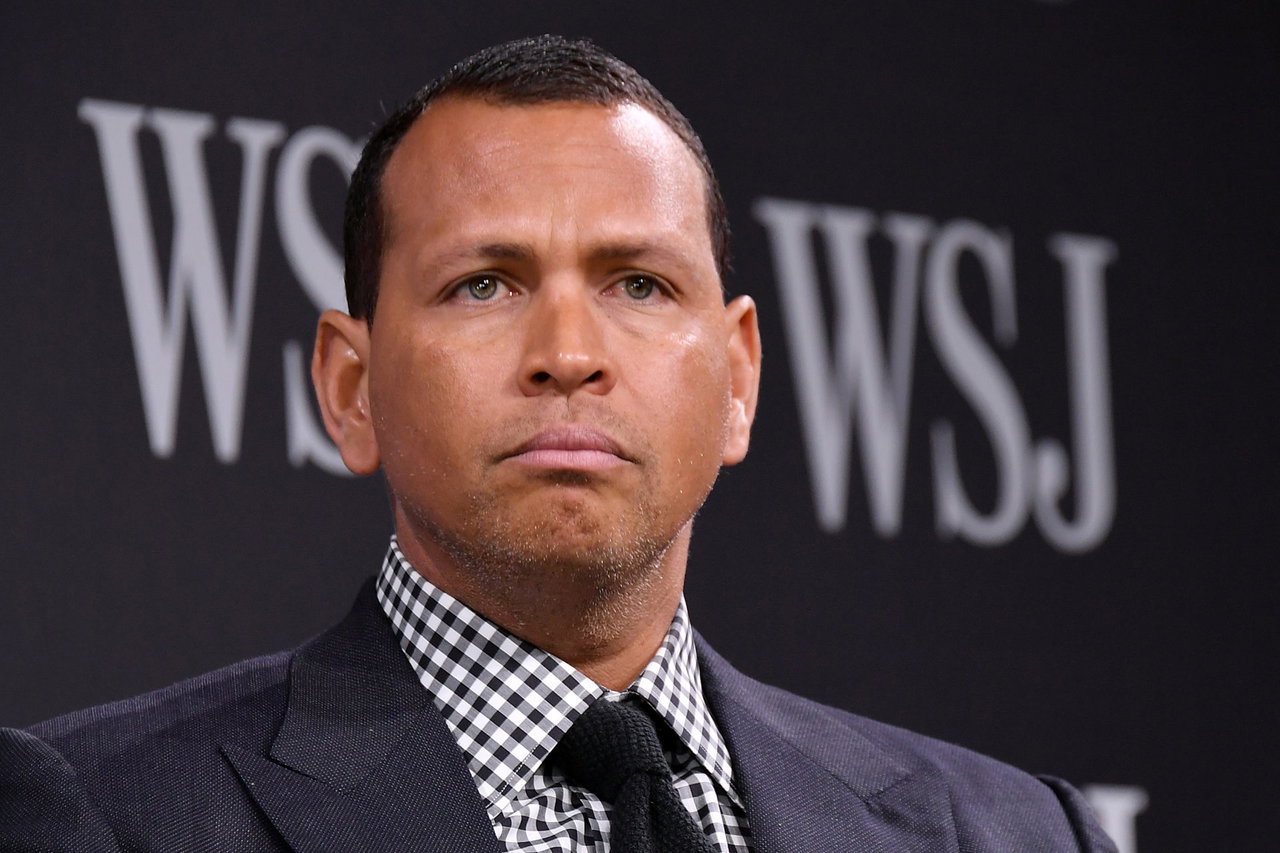
Alex Rodriguez has officially transitioned from a polarizing baseball icon to a preeminent titan of American business. By 2026, his diversified portfolio—led by A-Rod Corp, substantial real estate holdings, and a majority stake in the Minnesota Timberwolves—has propelled his net worth into the billionaire tier, making him one of the wealthiest former athletes in history.
The journey of Alex Rodriguez, widely known as "A-Rod," is a masterclass in professional reinvention. While his career on the diamond was defined by historic statistics and high-profile controversies, his second act in the boardroom has been defined by strategic discipline, high-leverage partnerships, and a keen eye for undervalued assets. Understanding how Rodriguez achieved billionaire status requires an analysis of both his unprecedented MLB earnings and his sophisticated approach to private equity and sports ownership.
The Foundation: A Hall of Fame Career and Historic Earnings
Before he was a business mogul, Alex Rodriguez was arguably the most talented shortstop to ever play the game. His career spans 22 seasons, during which he amassed 696 home runs, 3,115 hits, and three American League MVP awards. However, it was his ability to command record-breaking contracts that provided the "seed money" for his eventual billionaire status.
In 2000, Rodriguez signed a 10-year, $252 million contract with the Texas Rangers, which at the time was the largest in sports history. He later opted out of that deal to sign a 10-year, $275 million contract with the New York Yankees in 2007. By the time he retired in 2016, his cumulative on-field earnings exceeded $450 million. After taxes, fees, and lifestyle expenses, this capital served as the foundation for his investment vehicle, A-Rod Corp.
Despite the accolades, his baseball legacy remains complicated by his admission of using performance-enhancing drugs (PEDs) and his subsequent season-long suspension in 2014. Yet, interestingly, the suspension proved to be a turning point for his business acumen. During his year away from the game, Rodriguez reportedly spent time studying business at the University of Miami and shadowing prominent figures like Warren Buffett and Magic Johnson, preparing for a life beyond the dugout.
A-Rod Corp: The Engine of Wealth Creation
A-Rod Corp is not a passive investment firm; it is a fully integrated holding company that manages a vast array of interests across real estate, venture capital, and media. Unlike many athletes who delegate their wealth to third-party managers, Rodriguez serves as the active Chairman and CEO, often involving himself in the granular details of due diligence and deal structure.
Monument Capital Management and Real Estate
The cornerstone of Rodriguez's wealth is real estate. Through Monument Capital Management, a subsidiary of A-Rod Corp, he has acquired over 15,000 multi-family units across 13 states. His strategy focuses on "value-add" properties—apartment complexes in secondary markets that require renovation or better management to increase yield.
Real estate offers two distinct advantages for a high-net-worth individual like Rodriguez:
- Tax Efficiency: Depreciation and 1031 exchanges allow for significant tax deferral, preserving capital for further reinvestment.
- Cash Flow: While tech investments are speculative, rental income provides a steady "dividend" that funds the operational costs of his other ventures.
Venture Capital and Brand Partnerships
Rodriguez has also been an early investor in several high-growth companies. His venture arm has seen successful exits and growth in sectors ranging from fitness to fintech. Notable investments include:
- UFC Gyms: Rodriguez owns the rights to develop numerous UFC-branded fitness centers.
- Snapchat and VitaCoco: Early-stage investments that yielded high returns.
- TruFusion: A boutique fitness chain where he serves as a major stakeholder and brand ambassador.
The Minnesota Timberwolves Acquisition
The definitive move that solidified Rodriguez’s billionaire status was the acquisition of the Minnesota Timberwolves (NBA) and the Minnesota Lynx (WNBA). In 2021, Rodriguez partnered with e-commerce mogul Marc Lore to purchase the franchises from Glen Taylor for approximately $1.5 billion.
The deal was structured in phases, allowing Rodriguez and Lore to increase their equity over several years. By 2026, the valuation of NBA franchises has skyrocketed due to new national media rights deals and the league's global expansion. The Timberwolves' valuation has nearly doubled since their initial purchase, making Rodriguez's personal stake worth several hundred million dollars alone.
This acquisition changed the perception of Rodriguez from a celebrity investor to a "Governor" in one of the most exclusive clubs in the world: professional sports ownership. It also provided him with a platform to influence the business side of basketball, from arena renovations to regional sports network (RSN) negotiations.
Media Presence and Personal Branding
Wealth is often as much about influence as it is about liquid assets. Rodriguez has meticulously rehabilitated his public image through a prolific media career. By serving as a lead analyst for Fox Sports and a recurring "shark" on ABC’s Shark Tank, he has branded himself as a savvy, articulate expert on both sports and finance.
His media presence serves a dual purpose:
- Deal Flow: Being a visible "Shark" and commentator puts him in the path of entrepreneurs and co-investors who want his endorsement or capital.
- Enterprise Value: The "A-Rod" brand itself is an intangible asset that increases the value of every project he touches, from luxury real estate developments to podcasting deals.
Analyzing the Billionaire Math
To understand how a player with $450 million in career earnings becomes a billionaire, one must look at the compounding effect of his investments. Assuming a conservative post-tax liquid pool of $200 million at the end of his career, a 10-15% annualized return through private equity and real estate, combined with the massive appreciation of his NBA team stake, the math supports his billionaire status.
| Asset Category | Key Holdings | Estimated Influence on Net Worth |
|---|---|---|
| Sports Ownership | Minnesota Timberwolves & Lynx | Primary Driver (High Appreciation) |
| Real Estate | 15,000+ Units (Monument Capital) | Secondary Driver (Equity & Cash Flow) |
| Private Equity | A-Rod Corp Venture Portfolio | Growth Driver (High-Risk/High-Reward) |
| Media & Brand | Fox Sports, Shark Tank, Endorsements | Income Driver (Liquid Capital) |
By 2026, the rise in "alternative assets" (like sports teams and private real estate) has outpaced the traditional stock market, disproportionately benefiting investors like Rodriguez who moved heavily into these sectors a decade ago.
Challenges and Controversies in the Business World
The path to billionaire status has not been without friction. Rodriguez has faced legal battles with former business partners, most notably a multi-million dollar lawsuit involving his former brother-in-law regarding their real estate empire. Furthermore, the multi-step closing process for the Timberwolves acquisition led to public speculation and occasional friction with the previous owner, Glen Taylor, regarding the timing of payments.
However, Rodriguez has consistently navigated these hurdles with a high-powered legal and PR team. His ability to move past "unforced errors"—both on and off the field—is a defining characteristic of his career. He has successfully shifted the narrative from "disgraced athlete" to "visionary entrepreneur."
Summary of Investment Principles
Alex Rodriguez’s transition to billionaire status is rooted in three core principles that other high-earning professionals often emulate:
- Vertical Integration: He doesn’t just invest in industries; he tries to control the ecosystem (e.g., owning the gym, the equipment, and the media platform that promotes it).
- Strategic Partnership: Recognizing he didn't have an MBA, he partnered with experts like Marc Lore and hired seasoned executives from the private equity world to run A-Rod Corp.
- Patience and Long-Term Horizon: Unlike many athletes who seek "get rich quick" schemes, Rodriguez focused on multi-family real estate, a sector known for slow but steady compounding.
Frequently Asked Questions
Is Alex Rodriguez a billionaire in 2026?
Yes. Based on the appreciation of his ownership stake in the Minnesota Timberwolves and the growth of A-Rod Corp's real estate and private equity holdings, his net worth has surpassed the $1 billion threshold as of 2026.
How much did Alex Rodriguez make from baseball?
Alex Rodriguez earned approximately $455 million in total salary during his 22-year MLB career. This does not include his numerous endorsement deals with brands like Nike, Louisville Slugger, and Rawlings.
What is A-Rod Corp?
A-Rod Corp is the private holding company founded by Alex Rodriguez in 2003. It serves as the parent organization for his various business ventures, including Monument Capital Management (real estate), A-Rod Racing, and his venture capital investments.
Does Alex Rodriguez still own the Minnesota Timberwolves?
Yes. Rodriguez and his partner Marc Lore completed their staged buyout of the Minnesota Timberwolves and Minnesota Lynx, becoming the majority owners and taking over full control of the franchises' operations.
How did the 2014 suspension affect his business?
While the 2014 suspension was a low point for his baseball career, Rodriguez has frequently cited it as the period where he became a serious student of business. He used the time away from the field to network with elite investors and refine the strategy for A-Rod Corp.
Final Recommendation for Aspiring Investors
For those looking to follow the "A-Rod blueprint," the most critical lesson is diversification through education. Rodriguez did not simply throw money at projects; he spent years learning the mechanics of real estate and team valuations. For modern investors, focusing on tax-advantaged assets like real estate and looking for "moats"—such as the scarcity of professional sports teams—remains a proven path to long-term wealth preservation and growth.
For further information on athlete wealth management and sports valuations, consult resources such as the Forbes Sports Money Index or Bloomberg Billionaires Index.