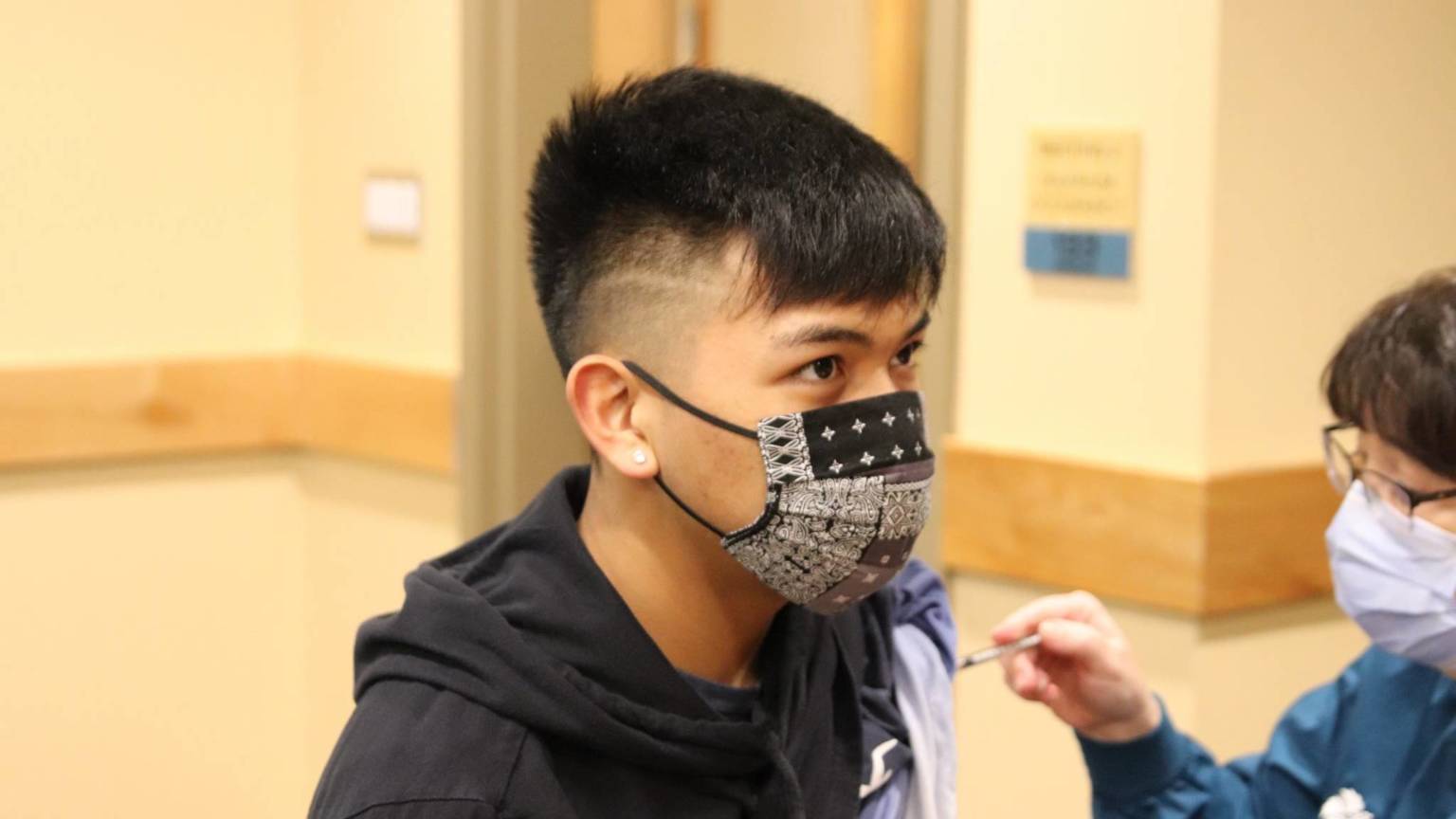
In 2026, vaccine eligibility in Alaska is primarily determined by age, health status, and residency. Most Alaskans aged 6 months and older are eligible for routine respiratory vaccines, including COVID-19 and influenza. Specific eligibility for RSV and specialized immunizations depends on clinical risk factors and current guidance from the Alaska Department of Health.
Vaccination remains a cornerstone of public health in the Last Frontier, where geographic isolation and seasonal shifts create unique challenges for disease management. Navigating the eligibility landscape requires an understanding of state-funded programs, the role of Tribal Health Organizations, and the specific requirements for school-aged children. Whether you are a lifelong resident of Anchorage or living in a remote "Bush" community, the following guide explains who can get vaccinated, where to go, and how the state manages these essential health resources in 2026.
The Framework of Alaska’s Vaccine Distribution
Alaska operates under a hybrid model of vaccine distribution that blends federal oversight from the Centers for Disease Control and Prevention (CDC) with state-specific initiatives managed by the Alaska Department of Health (DOH). The state’s primary goal is to minimize barriers to access, especially in regions where medical infrastructure is limited.
The core of Alaska's system is the Alaska State Vaccine Program (ASVP). This program provides vaccines at no cost to healthcare providers for all children (under age 19) and certain eligible adults. In 2026, the state continues to utilize the Alaska Vaccine Assessment Program (AVAP), a unique public-private partnership that helps fund the purchase of vaccines for privately insured adults, ensuring that the cost of the vaccine itself is covered before it even reaches the clinic.
Residency and Geographic Eligibility
Generally, anyone physically present in Alaska is eligible for emergency-use or broadly recommended public health vaccines (like the annual flu shot or COVID-19 boosters). However, long-term eligibility for state-funded programs often requires residency. For those living in rural areas, eligibility is often facilitated through Tribal Health Organizations (THOs), which serve Alaska Native and American Indian populations but frequently act as the primary point of care for all residents in remote villages.
COVID-19 Vaccine Eligibility in 2026
As of 2026, COVID-19 vaccination has transitioned into a routine preventative health measure, similar to the annual flu shot. Eligibility is no longer based on the "tier" system used during the initial pandemic years.
General Population Eligibility
- Infants and Children (6 Months – 4 Years): Eligible for a multi-dose primary series and subsequent seasonal updates.
- Children and Adolescents (5 Years – 17 Years): Eligible for a single updated dose annually, unless they are immunocompromised.
- Adults (18 Years – 64 Years): Eligible for the most recent seasonal formulation. In 2026, health officials recommend one dose per year, typically administered in the autumn.
- Seniors (65 Years and Older): This group remains at higher risk. Eligibility includes the annual seasonal update, with the option for an additional dose six months later based on clinical guidance.
Immunocompromised Individuals
For Alaskans with weakened immune systems due to cancer treatment, organ transplants, or advanced HIV, eligibility is more flexible. These individuals are often eligible for additional doses beyond the annual update to maintain a protective level of antibodies. Clinical consultation is recommended to determine the exact timing of these doses.
Seasonal Influenza and RSV Eligibility
In Alaska, the influenza season can start earlier and last longer than in the Lower 48. Consequently, eligibility and outreach efforts begin as early as August.
Influenza (Flu) Shots
Eligibility for the flu vaccine is universal for everyone 6 months of age and older. In 2026, the Alaska DOH emphasizes the use of high-dose flu vaccines for those over age 65, as these provide a more robust immune response. Alaskans living in communal settings, such as assisted living homes or correctional facilities, are prioritized during the initial distribution phase each September.
RSV (Respiratory Syncytial Virus)
RSV eligibility has seen significant updates by 2026.
- Older Adults: Adults aged 60 and older are eligible for the RSV vaccine based on "shared clinical decision-making." This means if you have underlying heart or lung disease, you are strongly encouraged to seek the vaccine.
- Pregnant Individuals: To protect newborns, individuals who are 32 through 36 weeks pregnant are eligible for the RSV vaccine during the peak season (September through January in most of Alaska).
- Infants: Monoclonal antibody treatments (which act like a vaccine) are eligible for infants under 8 months old entering their first RSV season.
Mandatory School and Childcare Immunizations
Alaska law (specifically 4 AAC 06.055) requires children in public, private, and religious schools, as well as licensed childcare facilities, to be immunized against specific diseases. Eligibility for these vaccines is standard for all children residing in the state.
Required Immunizations for Alaska Students
- Diphtheria, Tetanus, and Pertussis (DTaP/Tdap): Required for all students.
- Polio: Required for all students.
- Measles, Mumps, and Rubella (MMR): Two doses required for all students.
- Hepatitis A and B: Required for entry into school.
- Varicella (Chickenpox): Required, or proof of immunity through disease history.
- Meningococcal: Often required for students entering the 7th grade.
Alaska allows for two types of exemptions: medical and religious. Medical exemptions must be signed by a licensed physician (MD or DO) or an advanced nurse practitioner. Religious exemptions must be notarized and submitted annually. Philosophical exemptions are not recognized under current Alaska state law in 2026.
Tribal Health and Rural Eligibility
One of the most critical components of vaccine eligibility in Alaska is the Tribal Health System. Managed by entities like the Alaska Native Tribal Health Consortium (ANTHC) and regional hubs like the Yukon-Kuskokwim Health Corporation (YKHC), these systems have their own eligibility protocols.
If you are a beneficiary of the Indian Health Service (IHS), you are eligible for vaccines at any Tribal clinic or hospital. In many rural "Bush" communities, the Tribal clinic is the only healthcare provider. In these instances, the clinic often serves the entire community, regardless of tribal status, under state-funded programs. This ensures that a "ring of immunity" is maintained in small, isolated populations where a single outbreak could overwhelm local resources.
Summary of Vaccine Eligibility by Category (2026)
The following table summarizes the current eligibility and frequency for the most common vaccines requested by Alaskans in 2026.
| Vaccine Type | Eligible Age Group | Primary Eligibility Criteria | Recommended Frequency |
|---|---|---|---|
| COVID-19 | 6 Months+ | All residents | Annual update (Fall) |
| Influenza | 6 Months+ | All residents | Annual (Late Summer/Fall) |
| RSV (Adults) | 60 Years+ | Chronic health conditions or age | Single dose (per current 2026 data) |
| RSV (Maternal) | 32-36 Weeks Pregnant | Protection of newborn | Once per pregnancy |
| Pneumococcal | 65 Years+ | Also eligible if 19-64 with risk factors | Varies by previous history |
| Shingles | 50 Years+ | All adults | Two-dose series (lifetime) |
| Tdap | 11 Years+ | Boosters for adults | Every 10 years |
Costs, Insurance, and Financial Eligibility
In 2026, the cost of the vaccine itself is rarely a barrier in Alaska, but administration fees can vary.
For Insured Alaskans
Under the Affordable Care Act and subsequent state regulations, most private insurance plans are required to cover ACIP-recommended vaccines (Advisory Committee on Immunization Practices) at no cost to the patient, provided you see an in-network provider. This includes COVID-19, flu, and standard childhood shots.
For Uninsured or Underinsured Adults
The Alaska Vaccine Assessment Program (AVAP) ensures that vaccines are available to healthcare providers. However, uninsured adults may still be charged an administration fee. If you cannot afford this fee, many public health centers and Federally Qualified Health Centers (FQHCs) offer sliding scale fees or waive the cost entirely.
For Children
The federal Vaccines for Children (VFC) program covers all children who are Medicaid-eligible, uninsured, underinsured, or Alaska Native/American Indian. In Alaska, this program is integrated into the state's universal distribution system, meaning almost any pediatrician in the state can provide these vaccines regardless of the family’s ability to pay.
How to Verify Eligibility and Find a Provider
Determining your specific eligibility in 2026 is best handled through a combination of digital tools and clinical consultation.
- VacTrAK: Alaska’s Immunization Information System (IIS), known as VacTrAK, allows providers to see your entire vaccination history. You can request your records through the Alaska Department of Health to see which vaccines you are currently eligible for based on your history.
- Pharmacies: Retail pharmacies like Walgreens, CVS, and Fred Meyer (Kroger) remain the primary access points for adult respiratory vaccines. Most allow for online eligibility screening and appointment booking.
- Public Health Centers: For those in remote areas or those without a regular doctor, the Alaska Section of Public Health Nursing operates clinics across the state. They specialize in managing eligibility for complex cases and travel vaccines.
- Community Health Centers: Facilities like the Anchorage Neighborhood Health Center provide comprehensive services for those whose eligibility might be complicated by a lack of insurance.
Common Mistakes and Misconceptions
- Waiting for Tiers: Many Alaskans still believe they must wait for an "invitation" or a specific "tier" to open up for COVID-19 or flu shots. In 2026, these vaccines are "open-access," meaning if you meet the age requirement, you are eligible.
- The "Six Month" Rule: For boosters, many residents mistakenly believe they must wait exactly six months to the day. While this is a common interval, eligibility is often broader; always check the specific "latest formulation" guidance rather than just counting months.
- Residency Proof: There is a common misconception that you need an Alaska Real ID to get vaccinated. While ID is helpful for insurance billing, public health clinics prioritize community safety over administrative paperwork and will often work with individuals lacking traditional documentation.
Frequently Asked Questions
Do I need a doctor’s prescription to be eligible for a vaccine in Alaska?
For most routine vaccines like the flu shot, COVID-19, or Shingrix (Shingles), you do not need a prescription. In Alaska, "Standing Orders" allow pharmacists and nurses to dispense these vaccines to anyone meeting the age and health criteria. However, for certain specialized vaccines like those for international travel (e.g., Yellow Fever), a consultation with a travel medicine specialist is required.
Is the RSV vaccine mandatory for seniors in Alaska?
No, the RSV vaccine is not mandatory. Eligibility is based on a "shared clinical decision-making" recommendation. This means that while it is available and recommended for those over 60, especially those with heart or lung conditions, it is not a requirement for residency or social services.
Can out-of-state workers or tourists get vaccinated in Alaska?
Yes. During the summer tourist season and the winter fishing or oil seasons, Alaska often sees a surge in temporary residents. These individuals are eligible for vaccines, especially those that protect against community spread (like the flu or COVID-19). While the state-funded AVAP program focuses on residents, private pharmacies can bill out-of-state insurance plans for these services.
How do I prove my child is eligible for a school exemption?
To be eligible for a religious exemption, you must submit the state-approved "Religious Exemption Form," which must be signed by a parent or guardian and notarized. This must be redone every school year. For a medical exemption, a permanent or temporary form must be signed by a healthcare provider licensed in Alaska, stating the specific medical contraindication.
Are there mobile vaccine units for rural Alaska in 2026?
Yes, the Alaska Department of Health often partners with the Section of Public Health Nursing to fly "strike teams" into villages that do not have a permanent clinic. Eligibility in these cases is usually universal for all community members to maximize the efficiency of the visit.
Next Actions for Alaskans
If you are looking to update your vaccinations or verify your eligibility, follow these steps:
- Check your records: Access your immunization history through the Alaska VacTrAK portal or your primary care provider.
- Consult the 2026 Schedule: Visit the CDC or Alaska DOH website to see the current year's seasonal respiratory vaccine formulations.
- Find a Clinic: Use the "Vaccine Finder" tool or contact your local Tribal Health Organization to schedule an appointment.
- Prepare Documentation: If you have insurance, bring your card; if you are an Alaska Native/American Indian beneficiary, bring your tribal enrollment or IHS information to ensure seamless billing.
By staying informed about the evolving eligibility standards, Alaskans can ensure they are protected against preventable diseases, contributing to the overall health and resilience of the state’s diverse communities.