The Alaska Air inflight experience is defined by its "West Coast-inspired" hospitality, featuring premium regional food and beverage partnerships, high-speed satellite WiFi, and a sophisticated "bring your own device" entertainment system. Passengers choose between First Class, Premium Class, and the Main Cabin, with each tier offering industry-leading legroom and a focus on sustainable, plastic-free service.
As of 2026, Alaska Airlines has solidified its position as a premier carrier for travelers seeking a balance between high-tech amenities and genuine human service. Whether you are flying a short hop from Seattle to Portland or a long-haul journey to Hawaii or the East Coast, understanding the nuances of the onboard environment is essential for a comfortable trip. This guide analyzes the current state of Alaska’s cabins, connectivity, and culinary offerings.
Cabin Classes and Seating Configurations
Alaska Airlines operates a fleet primarily composed of Boeing 737 aircraft, supplemented by Embraer 175 jets for regional routes. Unlike many international carriers, Alaska does not offer a lie-flat business class product. Instead, it focuses on a highly refined recliner-style First Class and an expansive Premium Class section.
First Class: The Premium Standard
The First Class cabin remains the pinnacle of the Alaska Air inflight experience. Configured in a 2-2 layout, these seats offer a generous pitch of 40 to 41 inches, significantly more than the industry average for domestic premium cabins. In 2026, the seats feature custom-designed Recaro leather upholstery with integrated footrests on many newer Boeing 737 MAX 9 aircraft.
Passengers in First Class receive dedicated flight attendant service, priority boarding, and access to the Alaska Lounge (subject to mileage or fare class requirements). Every seat is equipped with a dedicated 110V power outlet and a USB-A/USB-C port, ensuring devices remain charged throughout the flight. The lack of seatback screens is compensated for by a specialized tablet holder built into the seatback at eye level.
Premium Class: The Value Proposition
Premium Class is Alaska’s version of "extra legroom" economy, situated in the first few rows of the Main Cabin and the exit rows. With 35 inches of legroom, it provides approximately 4 inches of additional space compared to standard seating. The primary draw of Premium Class in 2026 is the inclusion of complimentary alcoholic beverages—including West Coast craft beers, regional wines, and spirits—along with early boarding. For many travelers, the modest upgrade fee or the ability to upgrade using frequent flyer status makes this the "sweet spot" of the inflight experience.
Main Cabin: Efficiency and Comfort
The Main Cabin is the standard economy offering, but Alaska has taken steps to ensure it does not feel "basic." Most seats provide 31 to 32 inches of pitch. A critical feature across the entire fleet is the presence of power at every seat. Even in the last row of the Main Cabin, passengers have access to USB ports and traditional power outlets, a rarity among low-cost competitors. The seats are designed with a slimline profile to maximize knee room while maintaining sufficient padding for longer transcontinental flights.
Connectivity and the "Beyond Entertainment" Platform
Alaska Airlines has famously doubled down on its "Bring Your Own Device" (BYOD) philosophy. While other airlines have returned to installing heavy seatback monitors, Alaska argues that passengers prefer their own higher-resolution smartphones, tablets, and laptops.
High-Speed Satellite WiFi
By 2026, Alaska has completed the rollout of upgraded satellite WiFi across its entire mainline fleet. Provided by partners like Intelsat, the connection is robust enough to support streaming services such as Netflix, YouTube, and Hulu.
- Pricing: WiFi is generally offered at a flat rate of $8 per flight, regardless of duration.
- Free Messaging: Alaska offers free texting via iMessage, WhatsApp, and Facebook Messenger for all passengers, which does not require a paid WiFi plan.
- T-Mobile Partnership: T-Mobile customers often receive free unlimited WiFi on Alaska flights as part of their mobile plan benefits, a significant perk for frequent travelers.
The Beyond Entertainment Portal
Even without a paid internet plan, passengers can access the "Beyond Entertainment" portal for free. This library includes over 800 movies and television episodes. To use this service, passengers simply connect to the onboard WiFi network and navigate to the portal via a web browser. The content is refreshed monthly and often includes recent cinematic releases and popular HBO or Discovery+ series.
Pro-Tip: Because there are no seatback screens, it is essential to bring a pair of noise-canceling headphones and a fully charged device. Alaska’s seatback tablet holders are designed to grip various device sizes securely, but they do not accommodate very large laptops.
The Culinary Program: Pre-Ordering and Regional Flavors
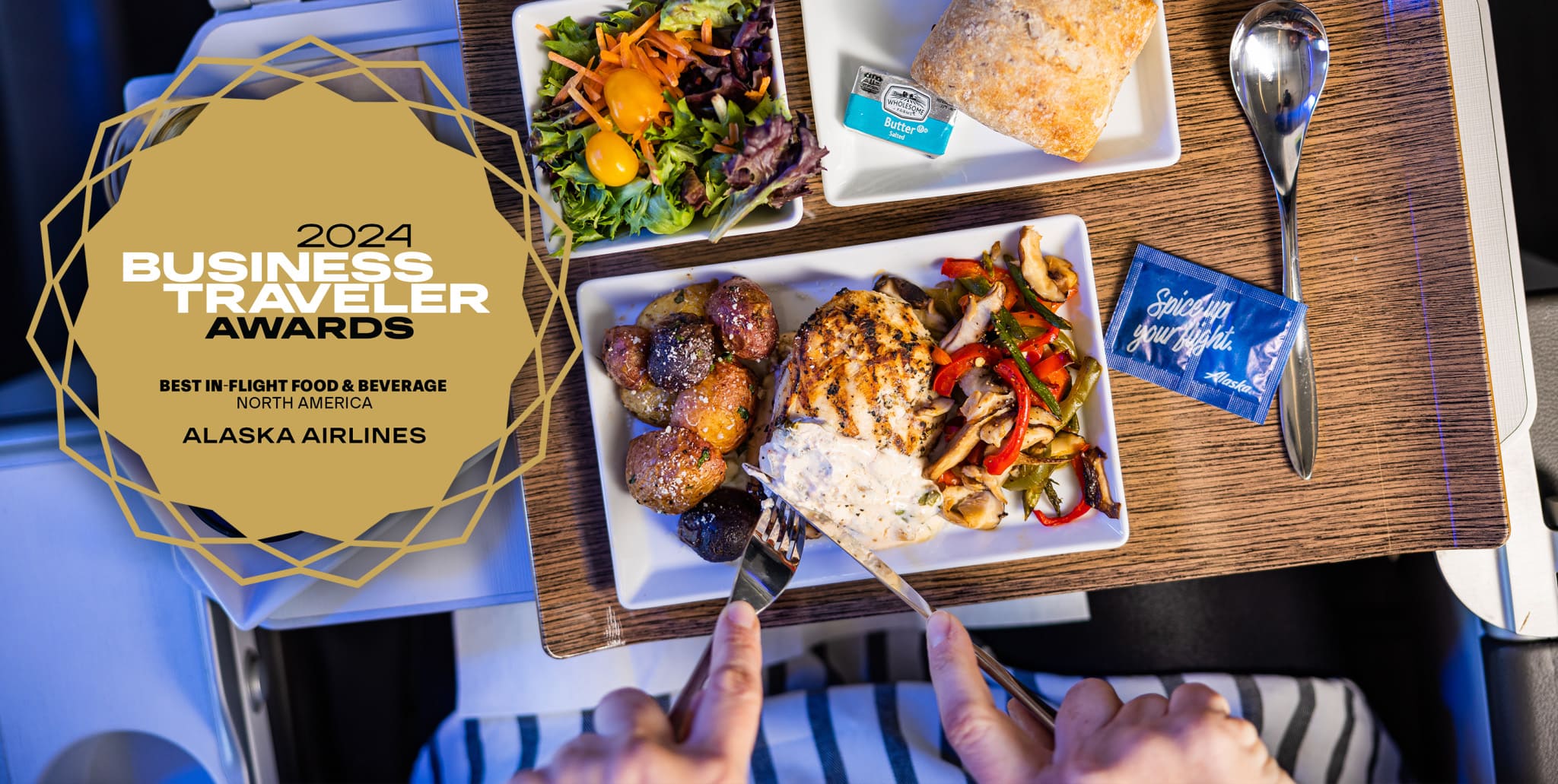
One of the most praised aspects of the Alaska Air inflight experience is the food and beverage program. Alaska leans heavily into its Pacific Northwest roots, partnering with local brands to create a menu that feels distinct from standard "airplane food."
The Pre-Order System
To minimize waste and ensure passenger satisfaction, Alaska utilizes a robust pre-order system via its mobile app. Starting 14 days before departure and up to 20 hours before takeoff, passengers in all cabins can reserve their meals. In the Main Cabin, this is often the only way to guarantee a hot meal, as only a limited number of "Picnic Packs" are available for spontaneous purchase.
Signature Partnerships
In 2026, the menu continues to feature iconic West Coast collaborators:
- Stumptown Coffee Roasters: A custom medium-roast blend specifically designed to taste good at high altitudes.
- Tillamook Cheese: Featured in the famous Fruit & Cheese Platter, which remains the most popular buy-on-board item in the airline's history.
- Salt & Straw: Premium ice cream often served in First Class on longer routes.
- Seattle Chocolate: Small-batch chocolates provided as a "thank you" to First Class passengers.
Sustainable Dining
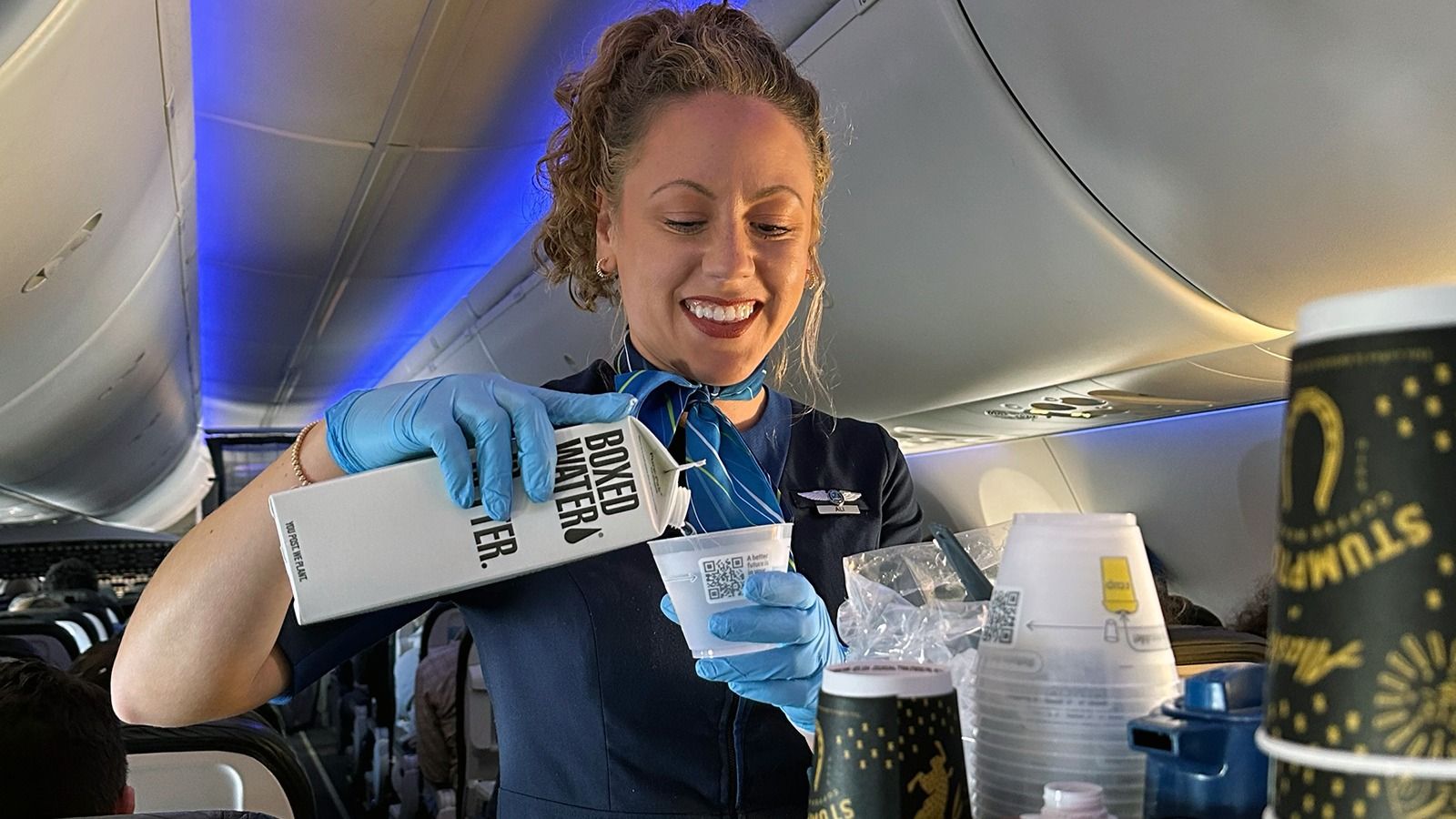
Alaska Airlines was the first major U.S. carrier to eliminate plastic water bottles and plastic straws. In 2026, they use Boxed Water is Better and compostable paper cups. This commitment to sustainability is a core part of the "experience" and is frequently communicated by the crew during the safety and service briefings.
Comparing Cabin Features
The following table provides a snapshot of what to expect in each cabin during a standard domestic flight in 2026.
| Feature | First Class | Premium Class | Main Cabin |
|---|---|---|---|
| Seat Pitch | 40" - 41" | 35" | 31" - 32" |
| Boarding Group | Group A (Priority) | Group B | Groups C - E |
| Complimentary Meals | Full Hot Meal (over 670 miles) | Snacks Only | Available for Purchase |
| Complimentary Alcohol | Included (Unlimited) | Included (Beer/Wine/Spirits) | Available for Purchase |
| Power Outlets | AC Outlet + USB-A/C | AC Outlet + USB-A/C | AC Outlet + USB-A/C |
| Entertainment | Free Streaming to Device | Free Streaming to Device | Free Streaming to Device |
Service Standards and the "West Coast Vibe"
The intangible element of the Alaska Air inflight experience is the service culture. Alaska consistently ranks at the top of customer satisfaction surveys, often attributed to the empowerment of their flight attendants. The "West Coast Vibe" is characterized by a less formal, more genuinely friendly interaction style compared to the legacy "Big Three" carriers (Delta, United, and American).
Crew members are encouraged to engage with passengers, and the airline maintains a "Service Recovery" program where flight attendants can provide miles or discounts on the spot if a technical issue—like a broken seat or failed WiFi—occurs during the flight. This proactive approach to customer service has built a loyal following, particularly among flyers based in hubs like Seattle, Portland, San Francisco, and Los Angeles.
Fleet Differences: Boeing 737 vs. Embraer 175
While the brand experience is consistent, the physical environment differs between mainline and regional flights.
- Mainline (Boeing 737-800, -900ER, MAX 8/9): These are the workhorses of the fleet. The MAX aircraft are the quietest and feature the largest overhead bins (Space Bins), which allow every passenger to store a carry-on bag vertically.
- Regional (Embraer 175): Operated by Horizon Air or SkyWest, these planes lack middle seats. The 1-2 configuration in First Class and 2-2 in the Main Cabin makes these flights popular with solo travelers. While the cabins are smaller, Alaska maintains the same Premium Class and First Class service standards on these jets, including the same food and beverage options on qualifying routes.
Practical Recommendations for Your Flight
To maximize your comfort when flying Alaska Airlines in 2026, consider these actionable steps:
- Download the Alaska App Early: This is your hub for everything. You need it to check in, track your bags in real-time, pre-order your Tillamook cheese plate, and access the "Beyond Entertainment" portal once in the air.
- Invest in a Tablet or Large Phone: Since there are no seatback screens, the quality of your entertainment experience depends entirely on the hardware you bring.
- Bring a Reusable Water Bottle: Alaska’s "Fill it Forward" program encourages passengers to use their own bottles. The flight attendants are happy to fill them from large-format sustainable water containers, helping reduce the use of single-serve cups.
- Check the Pre-Order Menu 48 Hours Out: Menus are seasonal. Even if you fly the same route frequently, the hot meal options in First Class and the seasonal wraps in the Main Cabin change regularly.
Frequently Asked Questions
Does Alaska Airlines have free WiFi in 2026?
While Alaska offers free messaging for all passengers and free full-access WiFi for certain T-Mobile customers, standard high-speed satellite WiFi generally costs a flat fee of $8 per flight. This allows for streaming and high-bandwidth tasks on most mainline aircraft.
What should I do if I didn't bring a device for entertainment?
Alaska Airlines no longer provides tablets for rent in any cabin. If you do not have a device, you will be limited to the inflight magazine and the views outside the window. It is highly recommended to bring at least a smartphone to access the free movies and TV shows.
Is food provided for free in the Main Cabin?
On most domestic flights, food in the Main Cabin is not free. Small snacks (like Biscoff cookies or pretzels) and non-alcoholic beverages are complimentary. For more substantial meals, you should use the pre-order function in the Alaska app to purchase a "Picnic Pack" or a fresh entree.
How does the Premium Class upgrade work?
Passengers can purchase a Premium Class upgrade during booking or at check-in. Additionally, MVP, MVP Gold, and MVP Gold 75K members of the Mileage Plan program are eligible for complimentary upgrades to Premium Class at the time of booking or within a certain window before departure, depending on their tier.
Are there power outlets on all Alaska Air flights?
Yes, Alaska has outfitted nearly its entire fleet—including the regional Embraer 175s—with power outlets. Most seats feature a standard 110V AC plug and at least one USB port, though newer aircraft are increasingly featuring USB-C ports to accommodate modern charging cables.