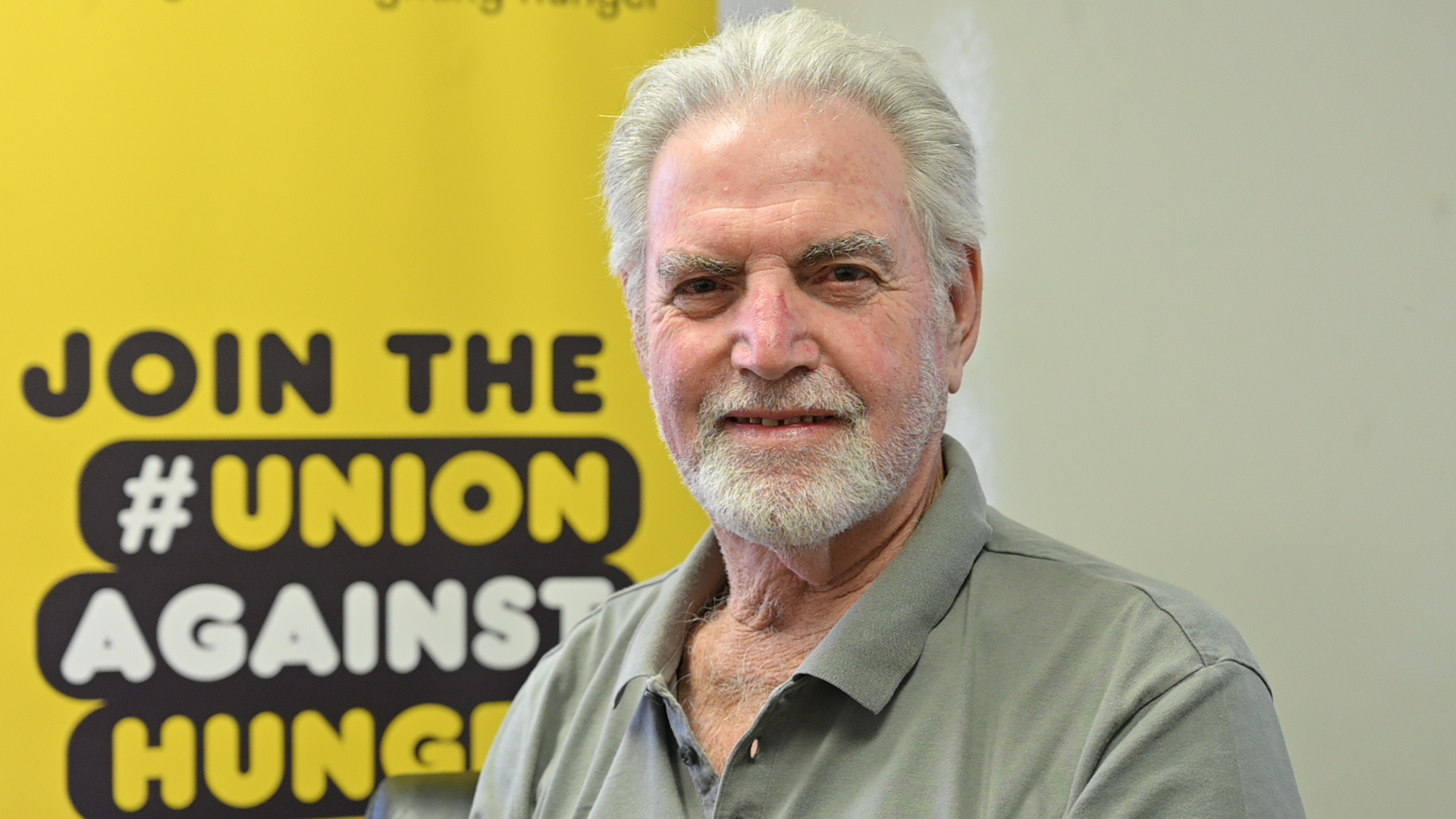
Alan Schaaf is the American entrepreneur and software engineer best known for creating Imgur, one of the world’s largest image-hosting and storytelling platforms. Founded in 2009 as a "gift" to the Reddit community, Imgur under Schaaf’s leadership evolved from a simple utility into a massive social ecosystem that fundamentally changed how visual media is shared and consumed across the internet.
The Genesis of an Internet Staple: Ohio University 2009
The story of Alan Schaaf and Imgur begins in a dorm room at Ohio University. In early 2009, Schaaf was a junior studying computer science. At the time, the process of sharing images on the internet—specifically on burgeoning communities like Reddit—was notoriously cumbersome. Existing services like Photobucket, ImageShack, and TinyPic were plagued by heavy advertising, slow load times, complex registration requirements, and "broken" links that occurred when bandwidth limits were exceeded.
Schaaf recognized a fundamental technical gap: the internet lacked a "simple" way to host images. On February 23, 2009, he launched Imgur. He famously announced the project on Reddit with a post titled, "My Gift to Reddit: I got fed up with all the other image hosts out there so I made my own. Tell me what you think."
The response was instantaneous and overwhelming. The site was designed with a philosophy of radical simplicity: no registration required, lightning-fast uploads, and a clean interface that focused entirely on the image itself. Within its first year, Imgur was handling millions of page views, purely through word-of-mouth growth within the Reddit ecosystem.
Engineering for Scale: The Technical Philosophy of Simplicity
One of Alan Schaaf’s primary contributions to the tech landscape was his unwavering commitment to user experience (UX) over aggressive monetization. While his competitors were cluttering pages with pop-up ads and requiring users to create accounts to manage their files, Schaaf kept Imgur streamlined.
From a technical perspective, Schaaf had to solve the massive problem of scaling. Hosting images is expensive due to high bandwidth and storage costs. As Imgur’s popularity exploded, Schaaf had to architect a system that could handle billions of image requests monthly while remaining financially viable.
He initially bootstrapped the company, relying on minimal advertising and a small "Pro" account fee to cover server costs. This lean approach allowed Imgur to remain independent for years. Schaaf’s focus was on the "velocity" of content—how quickly a user could go from having a file on their computer to sharing a link with the world. This efficiency made Imgur the de facto infrastructure for the early "meme" era of the internet.
From Utility to Community: The Evolution of "Imgurians"
For the first few years, Imgur was primarily seen as a utility for other sites. However, Schaaf observed an interesting phenomenon: users weren't just using Imgur to host images for Reddit; they were staying on Imgur to browse the "Gallery."
Recognizing this shift, Schaaf and his team began developing features that fostered a native community. They introduced commenting, voting, and a "Most Viral" algorithm that surfaced the best content of the day. This transformed Imgur from a backend tool into a destination. By the mid-2010s, Imgur had developed its own distinct culture, with users calling themselves "Imgurians."
This transition was a pivotal moment in Schaaf’s career as a founder. It required shifting from an engineering-first mindset to a community-management mindset. He had to navigate the complexities of content moderation, copyright issues, and the preservation of a "wholesome yet weird" community vibe that set Imgur apart from the more toxic corners of the web.
Venture Capital and the Search for Sustainability
By 2014, Imgur had grown to a scale that was difficult to manage via bootstrapping alone. Despite having over 150 million monthly active users, the company had only about a dozen employees. In April 2014, Schaaf made the strategic decision to accept outside investment for the first time.
Imgur raised $40 million in a funding round led by Andreessen Horowitz (a16z). This was a significant milestone, as it valued the company at roughly $200 million. Schaaf noted at the time that the funding was necessary to hire more engineers and build out a mobile presence, which was becoming increasingly vital as internet traffic shifted away from desktops.
Under Schaaf’s guidance, the company used this capital to launch a robust mobile app and explore "Promoted Posts"—a native advertising format that sought to blend into the user experience rather than disrupt it. This era marked Schaaf’s transition from a solo founder-developer to a CEO managing a rapidly expanding corporate entity in the heart of San Francisco.
Leadership Transitions and the MediaLab Acquisition
In 2018, after nearly a decade at the helm, Alan Schaaf stepped down as CEO of Imgur, transitioning to a role on the Board of Directors and focusing on product strategy. He was succeeded by Roy Sehgal, who took over the day-to-day operations.
The landscape of image hosting changed significantly in the late 2010s. Large platforms like Reddit and Twitter (now X) built their own native image-hosting capabilities, reducing their reliance on third-party tools like Imgur. In response, Imgur leaned harder into its identity as a standalone social network and "the internet's visual pulse."
In September 2021, Imgur was acquired by MediaLab, a holding company known for managing various internet brands such as Kik and Genius. The acquisition marked the end of Imgur’s era as an independent startup. For Schaaf, the acquisition represented the culmination of a journey that began with a simple script written in a college bedroom.
The 2026 Perspective: Alan Schaaf’s Lasting Impact
Looking back from 2026, the legacy of Alan Schaaf is viewed through the lens of the "open web" era. Imgur was one of the last great independent giants of the 2010s internet. Schaaf’s refusal to sell out early and his dedication to keeping the platform accessible to anonymous users preserved a specific type of internet freedom that has become increasingly rare.
His influence is seen in several key areas:
- User-Centric Design: Imgur’s "one-click" philosophy influenced a generation of developers to prioritize speed and reduce friction in web applications.
- The Democratization of Virality: By creating a transparent "Most Viral" algorithm, Schaaf allowed anyone with a funny picture or a compelling story to reach millions of people without needing a pre-existing following.
- Community Self-Governance: The Imgur community’s ability to self-moderate and maintain a unique cultural identity is often cited as a model for niche social networks.
Comparing the Early Image Hosting Landscape (2009)
To understand why Schaaf’s creation was so revolutionary, it is necessary to compare the technical and user requirements of Imgur against its primary competitors at the time of its launch.
| Feature | Imgur (2009) | Photobucket (2009) | ImageShack (2009) |
|---|---|---|---|
| Registration | Not Required | Mandatory for long-term | Mandatory for many features |
| Upload Speed | Optimized/Near-instant | Moderate/Slow | Moderate |
| Ads per Page | Minimal (Standard Banner) | Heavy/Intrusive | High |
| API Access | Free and Open | Restricted | Limited |
| Direct Linking | Encouraged | Often throttled/Watermarked | Limited bandwidth |
| User Interface | Minimalist/Clean | Cluttered | Functional but dated |
The Philosophical Core: "The Internet's Visual Pulse"
Throughout his tenure, Alan Schaaf frequently referred to Imgur as the "visual pulse" of the internet. This wasn't just a marketing slogan; it was a reflection of how he viewed the relationship between humans and images. Schaaf believed that images were a universal language that could bridge cultural and linguistic gaps more effectively than text.
He prioritized "fostering the world’s entertainment" as a core mission. This led to the development of features like "Imgur’s Secret Santa," one of the world's largest online gift exchanges, which Schaaf participated in personally for years. These initiatives highlighted his belief that technology should be used to build tangible human connections, even among strangers.
Post-CEO Career and Current Standing
Since moving away from the daily operations of Imgur, Schaaf has remained an active figure in the tech community as an advisor and angel investor. His experience in scaling a bootstrapped company to hundreds of millions of users has made him a sought-after mentor for founders who wish to maintain product integrity while achieving massive growth.
In 2026, Schaaf is often recognized as a pioneer of the "utility-to-network" business model. He proved that you could start by solving a small technical problem for a specific community and, through disciplined focus, expand that solution into a global cultural phenomenon.
Frequently Asked Questions
Why did Alan Schaaf start Imgur?
Alan Schaaf started Imgur because he was frustrated with the poor quality of existing image-hosting sites. In 2009, sites like Photobucket were slow and filled with ads. Schaaf, then a student at Ohio University, wanted to create a simple, fast, and free alternative specifically for the Reddit community.
Is Alan Schaaf still the CEO of Imgur?
No, Alan Schaaf stepped down as CEO in 2018. He initially transitioned to a role focusing on product and served on the Board of Directors. Following the acquisition by MediaLab in 2021, the leadership structure changed significantly, though Schaaf remains the historic face of the company.
How much did Alan Schaaf make from Imgur?
While the exact personal payout from the 2021 acquisition by MediaLab was not publicly disclosed, the company was previously valued at approximately $200 million following its 2014 funding round. As the founder and a major shareholder, Schaaf’s net worth was significantly bolstered by both the venture capital injection and the eventual sale.
What was the "Gift to Reddit"?
The "Gift to Reddit" refers to the title of the original post Alan Schaaf made on Reddit in February 2009. He shared the link to his new site, Imgur, explaining that he built it for the community to solve their image-sharing headaches. This transparency and community-first approach earned him lifelong loyalty from early users.
What is Alan Schaaf doing now in 2026?
As of 2026, Alan Schaaf focuses primarily on angel investing and advising early-stage startups. He is particularly interested in projects that emphasize user privacy, streamlined UX, and community-driven platforms, applying the lessons learned from Imgur's decade-long journey to the next generation of internet entrepreneurs.
Practical Recommendation for Future Founders
For those looking to follow in Alan Schaaf's footsteps, the most significant takeaway is to solve a personal friction point for a specific community. Rather than trying to build a "social network" from day one, Schaaf built a useful tool (an image uploader) for an existing group (Reddit users). Growth and community followed naturally because the core utility was indispensable. Focus on the "Simple" first; complexity can be added once you have the users' trust.