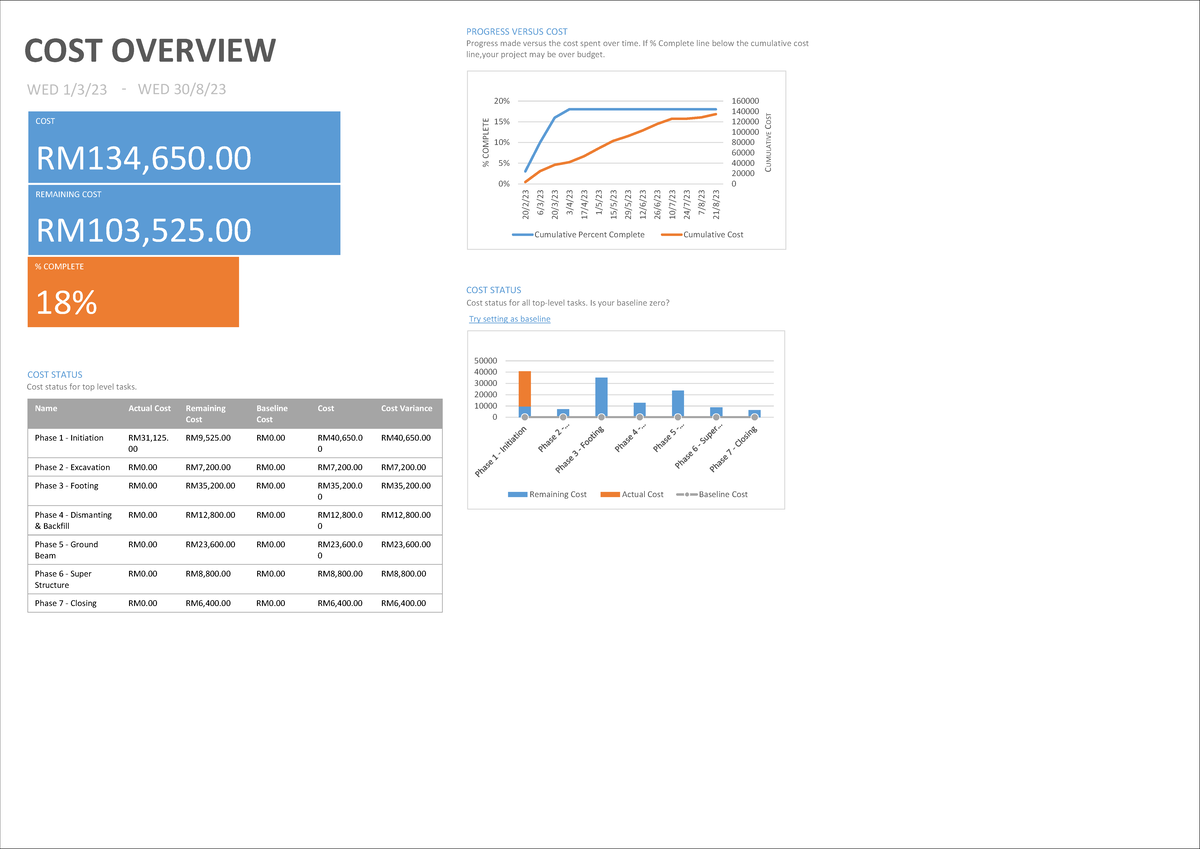
Navigating the cost structure associated with AIM (Alternative Investment Market) requires a nuanced understanding of regulatory fees, professional service retainers, and ongoing compliance obligations. Companies listed on this sub-market of the London Stock Exchange must account for admission fees, nominated adviser retainers, and mandatory financial reporting costs to ensure sustained market participation and regulatory alignment.
Understanding the AIM Market Structure
The Alternative Investment Market is a sub-market of the London Stock Exchange (LSE) designed specifically for smaller, growing companies that seek access to international capital. Unlike the Main Market, which is subject to the full rigors of the UK Listing Authority, AIM is regulated by the Exchange itself. This structure allows for a more flexible regulatory environment, but it does not equate to a lack of costs. The "cost of entry" and "cost of maintenance" for an AIM company are significant financial commitments that demand thorough strategic planning.
To manage these costs effectively, companies must differentiate between the one-time expenses associated with an Initial Public Offering (IPO) or a Reverse Takeover (RTO) and the recurring annual operational expenses required to remain in good standing.
Initial Admission Costs and Capital Requirements
The financial journey for a company seeking to join the AIM begins with the admission process. This is often the most capital-intensive phase, involving a series of fixed and variable fees paid to various market participants and regulators.
Regulatory and Exchange Fees
The London Stock Exchange charges a fee for the admission of securities to the AIM. While the specific fee structure can fluctuate based on the company's market capitalization at the time of admission, it is generally tiered. Companies must also budget for the costs associated with the publication of an Admission Document, which serves as the formal prospectus. Legal drafting and review of this document involve significant billable hours from corporate solicitors.
Professional Advisers (The Nominated Adviser)
A defining feature of AIM is the mandatory appointment of a Nominated Adviser, commonly referred to as a "Nomad." The Nomad is responsible for advising and guiding the company on its obligations under the AIM Rules. Retaining a reputable Nomad is not merely a regulatory requirement; it is a significant annual overhead. Nomad fees vary based on the complexity of the company’s operations, its sector, and the perceived regulatory risk.
Broker and Legal Retainers
Alongside the Nomad, a company must appoint a broker. The broker facilitates the relationship between the company and the investment community, provides research coverage, and assists in ongoing liquidity management. Legal counsel and accountants also play a central role during the admission process, conducting due diligence and ensuring that the financial history of the company is compliant with International Financial Reporting Standards (IFRS) or local equivalents approved by the exchange.
Annual Operational and Compliance Costs
Once a company is successfully admitted to the AIM, the financial focus shifts to the costs of maintaining compliance. These recurring expenses are often underestimated by management teams new to the public markets.
| Expense Category | Typical Frequency | Primary Driver of Cost |
|---|---|---|
| Nomad Retainer | Annual/Quarterly | Size and complexity of the firm |
| Broker Fees | Annual | Market making and research coverage |
| Financial Reporting | Bi-annual/Annual | Audit complexity and regulatory scope |
| Regulatory Fees | Annual | Market capitalization of the issuer |
| Legal/Compliance Support | Ongoing | Transaction volume and litigation risk |
| Investor Relations | Ongoing | Market communication strategy |
Audit and Accounting Requirements
Publicly traded companies are required to have their annual reports audited by a registered firm of chartered accountants. These audits are more rigorous than those for private entities, as they must provide a high degree of transparency to shareholders and the market. The cost of these audits scales with the size of the entity, the number of international subsidiaries, and the complexity of the financial controls in place.
Investor Relations and Market Communication
Maintaining an active presence on the AIM requires a deliberate investor relations (IR) strategy. Costs here include the preparation and distribution of Regulatory Information Service (RIS) announcements, maintaining an investor-focused website, and potentially engaging IR consultants to manage communication during earnings cycles or capital raises. Failure to communicate effectively can lead to lower liquidity, which indirectly increases the "cost of capital" for the company.
The Hidden Costs of Public Scrutiny
Beyond direct invoices, there are indirect financial implications to operating on the AIM. The requirement for transparency means that strategic plans, potential acquisitions, and financial challenges become public knowledge. The cost of preparing for this public scrutiny—including enhanced cybersecurity protocols, board director and officer (D&O) insurance premiums, and internal control systems—must be factored into the overall cost overview.
D&O insurance is a particularly critical expense. As a public entity, the company and its board members face a higher risk of shareholder litigation. Premiums are determined by the company's industry, revenue, and historical risk profile. For small-cap companies, these premiums can represent a substantial portion of the annual general and administrative budget.
Comparative Analysis: AIM vs. Private Funding
When considering the cost of an AIM listing, companies must weigh these expenses against the alternatives, such as private equity (PE), venture capital (VC), or private debt.
- Liquidity: An AIM listing provides shareholders with the ability to trade shares, which can command a valuation premium compared to private entities.
- Access to Capital: While the costs of maintaining an AIM listing are high, the ability to raise follow-on funding via secondary offerings on the exchange can be more efficient than negotiating new private funding rounds.
- Regulatory Burden: Private companies are shielded from the quarterly or interim reporting requirements of the AIM. The "administrative cost" of these reports—which includes the time of the CFO, the finance department, and the legal team—is a non-trivial expense that often scales faster than revenue.
Troubleshooting Compliance and Cost Escalation
Management teams often encounter "cost creep" when they fail to streamline their regulatory reporting. To control these costs, companies should:
- Centralize Compliance: Consolidate regulatory reporting workflows to minimize the hours billed by external advisers.
- Standardize Reporting: Adopt early and consistent IFRS reporting standards to reduce the time auditors spend reconciling different accounting practices.
- Proactive Engagement: Communicate early and often with the Nomad. Misunderstandings regarding the AIM Rules can lead to "firefighting" expenses, where additional legal and advisory fees are incurred to rectify non-compliance issues post-facto.
If a company finds that its market capitalization is no longer sufficient to justify the cost of the AIM, it may consider a formal cancellation of admission. However, this is a complex legal process involving shareholder approval and potential exit liquidity issues, which introduces its own set of financial implications.
Frequently Asked Questions
What are the primary recurring costs for an AIM-listed company? The primary recurring costs include the annual retainer for the Nominated Adviser (Nomad), broker fees, annual audit fees for financial statements, Regulatory Information Service (RIS) charges, and the premiums for Directors' and Officers' (D&O) insurance.
Do costs differ for companies based in different jurisdictions? Yes, companies incorporated outside the UK may face additional legal and administrative costs related to ensuring their local corporate governance structure is compatible with AIM requirements, as well as potential cross-border tax considerations.
How often do AIM fees change? The LSE reserves the right to adjust its fee structure based on market conditions. Companies are advised to review the official London Stock Exchange fee schedule periodically to ensure their budget remains accurate for the current fiscal year.
Is it possible to operate on the AIM with minimal professional support? No. The AIM Rules mandate the appointment of a Nomad at all times. Attempting to circumvent or minimize professional support often leads to regulatory breaches, which can result in heavy fines, public censures, or forced suspension from trading.
Does the size of the company affect the audit fees? Yes. Larger companies with complex supply chains, multiple international subsidiaries, or non-standard revenue recognition cycles will incur higher audit fees due to the increased time and depth of testing required by the audit firm.
What is the impact of market volatility on the cost of capital? While market volatility does not change the static "listing fees," it can drastically affect the cost of raising new equity. During periods of volatility, the discount required to attract new investors increases, effectively raising the cost of capital for the issuer.
Strategic Recommendations
To successfully navigate the financial landscape of the AIM, management must prioritize a "compliance-first" culture that treats regulatory expenses as an investment in market credibility rather than a sunk cost. Start by establishing a robust internal finance department capable of handling the majority of reporting requirements in-house, utilizing external firms only for audit and high-level strategic advisory.
Before committing to a listing or planning a capital increase, conduct a thorough cost-benefit analysis that includes a five-year projection of advisory retainers, insurance premiums, and potential auditor fee hikes. Ensure that your board of directors is fully aligned with the ongoing financial obligations inherent in public market participation. For companies currently listed, periodic reviews of the Nomad and broker relationships can help ensure that the services rendered remain competitive and relevant to the company's stage of growth in 2026.