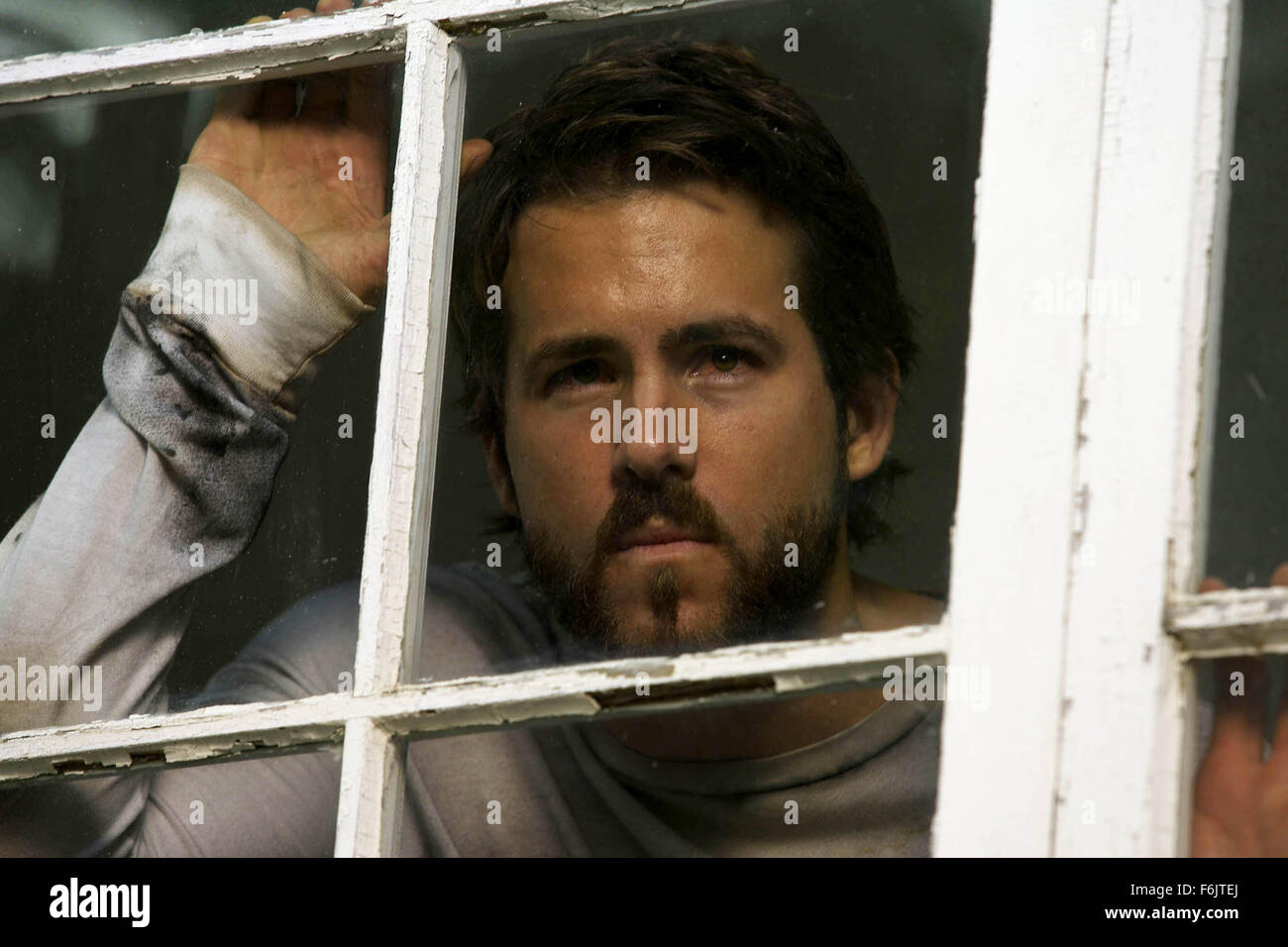
In December 1975, George and Kathleen Lutz moved into 112 Ocean Avenue in Amityville, New York, only to flee 28 days later, claiming they were terrorized by paranormal phenomena. Their account became "The Amityville Horror," a cultural phenomenon that remains the most debated haunting in American history, blending true crime, supernatural claims, and enduring controversy.
The Foundation of a Nightmare: The DeFeo Murders
To understand the experience of the Lutz family, one must first address the grim reality that preceded their arrival. On November 13, 1974, thirteen months before the Lutzes moved in, 23-year-old Ronald DeFeo Jr. used a .35-caliber Marlin rifle to murder six members of his family as they slept in their beds at 112 Ocean Avenue. The victims included his parents, Ronald Sr. and Louise, and his four siblings: Dawn, Allison, Marc, and John Matthew.
The brutality of the crime shocked the quiet community of Amityville. Ronald DeFeo Jr. initially claimed a mob hitman was responsible, but he eventually confessed to the killings. During his trial, his defense attorney, William Weber, attempted an insanity plea, claiming that DeFeo heard "voices" from the house commanding him to kill. DeFeo was ultimately convicted on six counts of second-degree murder and sentenced to 25 years to life. He remained in custody until his death in 2021.
The house sat vacant for over a year, its dark history making it a difficult sell. However, for George and Kathleen Lutz, the property represented a dream home at a bargain price. Despite knowing the home's history, they purchased the large colonial for $80,000 in late 1975, moving in with their three children: Daniel, Christopher, and Missy.
The 28-Day Timeline: Claims of Supernatural Activity
The Lutz family’s residence at 112 Ocean Avenue began on December 18, 1975, and ended abruptly on January 14, 1976. According to the Lutzes and the subsequent book by Jay Anson, the haunting began almost immediately, escalating in intensity over the four weeks they spent in the home.
The initial reports focused on subtle but disturbing changes. George Lutz allegedly became obsessed with the fireplace, spending hours chopping wood and tending to fires, despite the house having modern heating. He reportedly began to feel a constant chill and noticed a distinct change in his temperament, becoming increasingly irritable and withdrawn.
As the days progressed, the family reported more overt phenomena:
- Physical Manifestations: The family claimed to find "green slime" oozing from the walls and keyholes. They also reported a massive infestation of flies in the sewing room, despite the freezing December temperatures.
- The Red Room: Behind a bookcase in the basement, the Lutzes discovered a small, concealed room painted red. They claimed the family dog, Harry, refused to go near it and that it emitted a foul odor.
- Jodie the Pig: The youngest child, Missy, allegedly developed an "imaginary friend" named Jodie—a demonic, pig-like creature with glowing red eyes that she claimed could change shape and was visible only to her.
- Levitation and Physical Assaults: Kathy Lutz claimed she was levitated off her bed and that she once woke up looking like an old woman. George claimed to see Kathy transform into a hag-like figure before his eyes.
- The Final Night: While the exact details of the final night remain shrouded in the family’s refusal to speak on them for years, they described the atmosphere as "unbearable," leading them to flee the house with only the clothes on their backs, leaving their furniture and personal belongings behind.
The Warren Connection and the Media Explosion
Following their departure, the Lutzes sought help to understand what had happened. This led to the involvement of Ed and Lorraine Warren, self-described demonologists who were famous for their work on high-profile paranormal cases. In early 1976, the Warrens conducted several "investigations" at the house, accompanied by a news crew from Channel 5 New York.
The Warrens declared the house to be "demonically possessed." They famously produced a "psychic photograph" of a young boy looking out from a doorway, whom they claimed was the ghost of John DeFeo. Skeptics have long argued that the figure in the photograph was actually a member of the investigation team, Paul Bartz, who happened to be wearing a similar shirt.
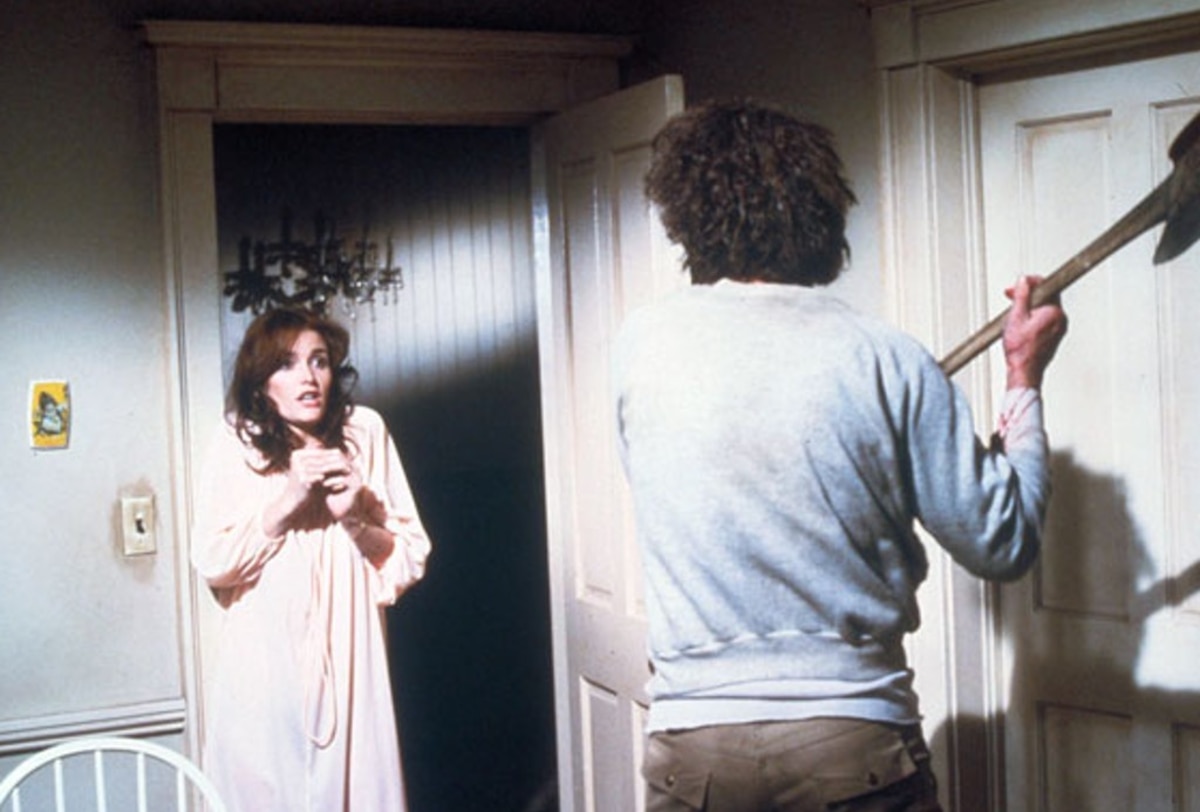
The story gained national traction when Jay Anson’s book, The Amityville Horror: A True Story, was published in 1977. The book was a massive bestseller, marketed as a factual account of the Lutz family's ordeal. It was later adapted into the iconic 1979 film starring James Brolin and Margot Kidder. The success of the media franchise turned the Amityville house into a tourist landmark, much to the chagrin of the local residents and subsequent owners.
The Controversy: Evidence of a Hoax?
The legitimacy of the "Amityville Horror" has been under fire since the late 1970s. The most significant blow to the story's credibility came from William Weber, Ronald DeFeo Jr.’s defense attorney. In various interviews, Weber claimed that he and the Lutzes "created this horror story over many bottles of wine" in hopes of finding a way to help DeFeo get a new trial and to solve the Lutzes' financial problems.
Several factual discrepancies have been highlighted by researchers and skeptics:
- Police Records: The Lutzes claimed to have called the police multiple times due to the disturbances, but local police records show no calls from 112 Ocean Avenue during their stay.
- Structural Damage: The book describes doors being ripped off hinges and locks being broken by supernatural forces. Subsequent inspections by investigators and the next homeowners found the original hardware intact and no signs of repair to the woodwork.
- The Priest's Testimony: Father Ralph Pecoraro (called Father Mancuso in the book) initially supported the Lutzes' claim that he heard a voice saying "Get out!" while blessing the house. However, he later testified in a legal deposition that he never saw anything supernatural and that the voice was more of a feeling than an audible command.
- Weather Reports: The book mentions a heavy snowstorm on a specific day when meteorological records for Amityville show there was no precipitation and temperatures were above freezing.
Despite these contradictions, George and Kathy Lutz maintained the core of their story until their deaths (Kathy in 2004 and George in 2006). They admitted that some details in Jay Anson’s book were sensationalized for dramatic effect, but they insisted that the terror they felt was real.
The Impact on the Lutz Children
While George and Kathy were the primary spokespeople for the haunting, the impact on the three Lutz children—Daniel, Christopher, and Missy—has been a subject of significant interest in the years leading up to 2026. For decades, the children remained largely silent, but as adults, they have offered differing perspectives on their stepfather and the events at 112 Ocean Avenue.
Christopher Quaratino (formerly Lutz) has been vocal about his belief that the haunting was partially "triggered" by George Lutz's interest in the occult and transcendental meditation. Christopher has described George as an abusive and controlling figure who used the paranormal narrative to dominate the family. While Christopher believes there was activity in the house, he attributes it to the negative energy George brought into the home rather than a demonic presence inherent to the land.
Daniel Lutz, in the documentary My Amityville Horror (2012), expressed a deeply traumatized view of his childhood. He maintains that he was physically attacked by supernatural forces and that the events ruined his life. His testimony highlights the psychological toll that the "Amityville" legacy took on the children, regardless of whether the source was supernatural or familial.
Analyzing the Claims: Fact vs. Folklore
The following table summarizes the most famous claims made by the Lutz family and the evidence or explanations provided by investigators and skeptics.
| Claimed Phenomenon | Skeptical Explanation or Fact |
|---|---|
| The Swarm of Flies | Entomologists state that cluster flies are common in old houses during winter; they seek warmth in attics and walls. |
| Physical Damage to Doors | James and Barbara Cromarty (the next owners) found all original hinges and locks intact; no repair records exist. |
| Green Slime on Walls | Never physically sampled or photographed; experts suggest it may have been a description of old insulation or a fabrication. |
| The Red Room | A small utility space under the stairs; the "red" color was common for plumbing-access areas in that era of construction. |
| Ronald DeFeo's "Voices" | DeFeo later recanted the "voices" story, admitting it was a legal strategy suggested by his lawyer to secure an insanity defense. |
| George Lutz's 3:15 AM Wake-ups | The book claims he woke up at the "time of the murders," but crime scene reports suggest the murders likely occurred between 3:00 AM and 5:00 AM. |
112 Ocean Avenue: The House Today
As of 2026, the house at 112 Ocean Avenue remains a private residence. Since the Lutzes fled in 1976, several families have lived in the home. Most notably, James and Barbara Cromarty lived there for a decade and repeatedly stated that they experienced nothing paranormal. To deter the "lookie-loos" and tourists, the iconic quarter-moon windows (often described as the "eyes" of the house) were replaced with traditional rectangular windows.
The address of the house was officially changed from 112 Ocean Avenue to 108 Ocean Avenue to further confuse tourists and protect the privacy of the owners. In recent years, the property has undergone several renovations, and its real estate value has remained high, consistent with other waterfront properties in the affluent Amityville neighborhood. The home sold several times between 2010 and 2026, with each owner reinforcing the fact that the "horror" was a thing of the past.
The Psychological and Financial Context
To understand why the "hoax" theory gained so much traction, one must look at the Lutz family's situation in 1975. George Lutz’s land-surveying business was struggling, and the family was under significant financial pressure. The $80,000 price tag for the home, while a bargain, was still a stretch for their budget.
By turning their experience into a book and movie deal, the Lutzes were able to generate substantial income. This financial incentive is often cited by skeptics as the primary motivator for the story. Furthermore, the psychological environment of the house—living in the site of a mass murder—likely contributed to a state of high anxiety and hyper-vigilance. In such a state, normal house noises (settling wood, wind in the eaves, old plumbing) can be easily misinterpreted as something more sinister.
Frequently Asked Questions
Did the Lutz family really experience a haunting?
While the Lutzes maintained their story for decades, there is no scientific or physical evidence to support the supernatural claims. Most investigators conclude that the story was a combination of actual household occurrences (like flies and cold drafts) and a narrative highly sensationalized for financial gain and legal strategy.
Is the Amityville house still haunted in 2026?
No subsequent owners of the house, from the Cromartys in the 1970s to the current residents in 2026, have reported any paranormal activity. The consensus among the Amityville community and paranormal researchers is that 112 Ocean Avenue is a normal home with a tragic, but not supernatural, history.
What happened to the Lutz children?
The children—Daniel, Christopher, and Missy—struggled with the stigma and trauma of the events for years. Daniel and Christopher have given interviews as adults, offering differing views on the nature of the haunting and their stepfather's role in it. They have largely moved on to private lives, away from the media spotlight.
Can you visit the Amityville Horror house?
While you can drive past the house on Ocean Avenue, it is a private residence. The owners and the local police are highly protective of the property's privacy. Trespassing is strictly prohibited, and the house has been structurally altered so it no longer looks like the version seen in the 1979 film.
Did the priest really get told to "Get out"?
Father Pecoraro did visit the house, but his account changed over time. While he initially supported some of the Lutzes' claims, he later clarified that his experience was not as dramatic as depicted in the book. He never saw demons or witnessed physical phenomena during his visit.
Practical Recommendation for Researchers
If you are researching the Lutz family and the Amityville case, it is essential to distinguish between the "story" presented by Jay Anson and the "facts" established by local archives and court records. For a balanced view, consult the trial transcripts of Ronald DeFeo Jr. and the investigative reports by organizations like the Committee for Skeptical Inquiry (CSI).
The legacy of the Lutz family serves as a fascinating case study in how true crime can be transformed into folklore. Whether one believes in the paranormal or views the case as a calculated hoax, the story of Amityville remains an indelible part of American pop culture, illustrating the thin line between reality and the stories we tell to explain the inexplicable.