Most life insurance carriers set the minimum age to purchase a policy at 18, reflecting the legal age of contractual capacity. While maximum age limits vary significantly by product type—often ranging from 65 to 90—the practical decision to secure coverage is driven by insurability, premium affordability, and the long-term financial goals of the policyholder rather than just arbitrary chronological boundaries.
The Legal Framework and Minimum Age Requirements
The ability to enter into a legally binding contract is the primary determinant for the minimum age limit to begin life insurance. In most jurisdictions, individuals must be at least 18 years old to sign an insurance contract in their own name. This requirement exists because a life insurance policy is a legally binding financial agreement that carries ongoing obligations, primarily the payment of premiums in exchange for a death benefit.
However, minors are not entirely excluded from the protective benefits of life insurance. Parents and legal guardians can purchase juvenile life insurance policies for their children. In these scenarios, the adult acts as the policy owner, making the premium payments and managing the contract until the child reaches the age of majority. Once the child turns 18 or 21 (depending on state regulations and the specific policy contract), ownership of the policy can often be transferred to them, providing them with a head start on coverage that is typically much cheaper than what they could secure as an adult due to their younger age and likely pristine health status.
Maximum Age Limits: Why They Vary
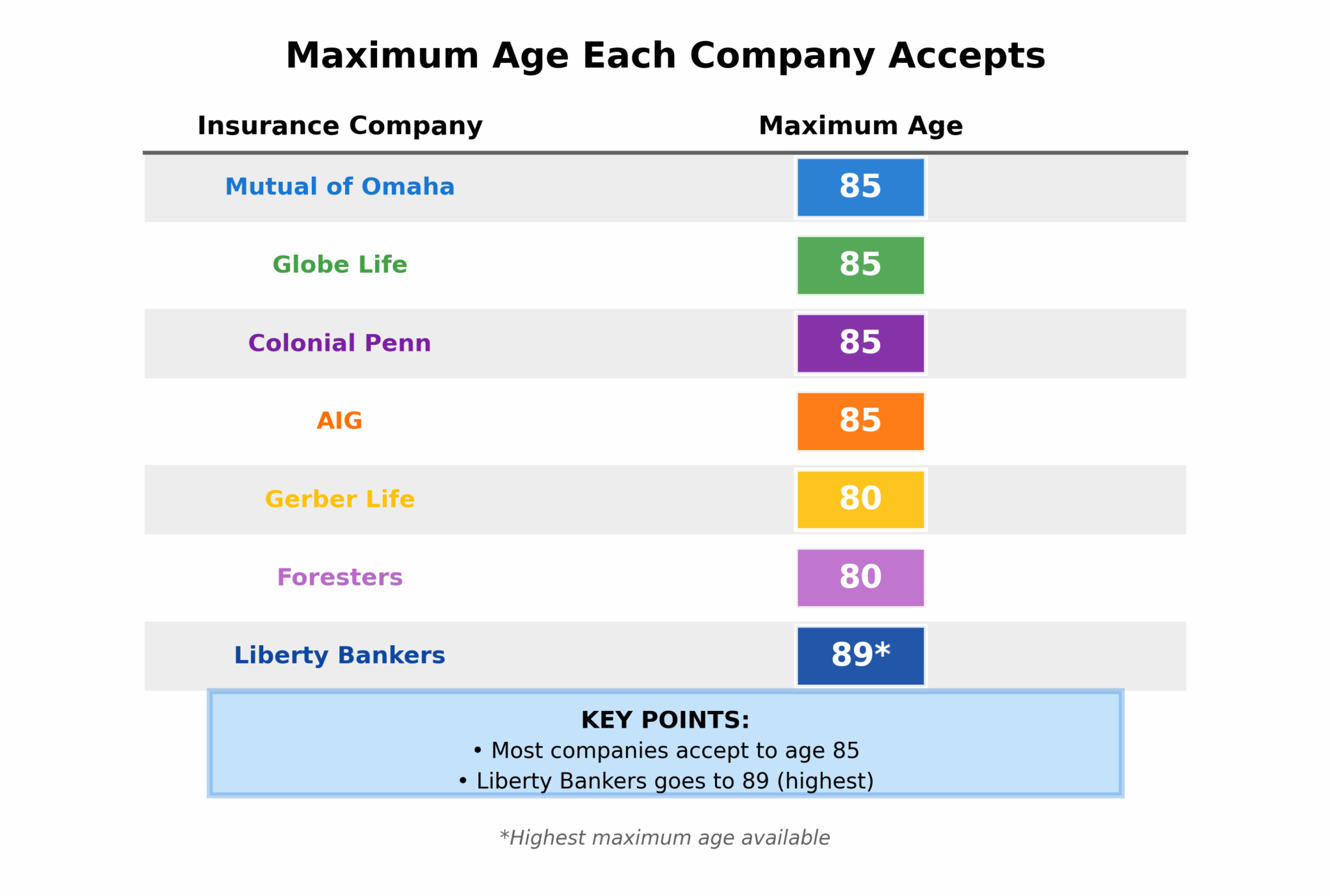
Unlike the clear-cut minimum age of 18, the maximum age to begin a new life insurance policy is highly variable. This "issue age" limit is determined by the internal risk models of individual insurance carriers.
Term life insurance policies, which provide coverage for a set period (e.g., 10, 20, or 30 years), generally have more restrictive age limits. It is uncommon for a carrier to issue a new 30-year term policy to someone over age 55 or 60, simply because the policy would extend well into an age where the statistical likelihood of mortality is significantly higher. The insurer must balance the risk of paying out the death benefit against the number of years they can reasonably expect to collect premiums.
Permanent life insurance—such as Whole Life or Universal Life—often permits higher issue ages. Because these policies are designed to last for the duration of the insured’s life (provided premiums are paid) and often include a cash value accumulation component, the underwriting process is focused on long-term risk assessment. Some specialized "final expense" or "guaranteed issue" policies are available to individuals well into their 80s, though these come with specific limitations regarding death benefit amounts and initial waiting periods.
Factors Influencing Eligibility Beyond Age
While age is a primary gatekeeper, it is rarely the only factor evaluated during the application process. Insurers utilize a practice known as "underwriting" to determine if an applicant is eligible for coverage and what the premium costs will be.
Health and Medical History
Regardless of your age, your current health status and medical history are the most significant variables in the underwriting process. Even if you are within the acceptable age range for a specific policy, chronic conditions, family medical history, or high-risk lifestyles can affect your eligibility. Insurers typically categorize applicants into risk classes, such as "Preferred," "Standard," or "Rated" (substandard), which directly dictates the monthly or annual premium.
Financial Need and Insurable Interest
To purchase a life insurance policy on someone else, there must be an "insurable interest." This means that you would suffer a legitimate financial loss upon the death of the insured person. This is why you cannot take out a policy on a random stranger. For personal policies, the insurer will assess whether the amount of insurance requested is proportionate to your financial obligations, such as mortgage debt, income replacement needs, or educational expenses for dependents.
Product Complexity
The type of insurance product also dictates the age limit. As shown in the table below, different insurance vehicles serve different purposes and have varying entry windows.
| Policy Type | Typical Maximum Issue Age | Primary Purpose |
|---|---|---|
| Term Life | 70–80 (varies by term length) | Income replacement, debt coverage |
| Whole Life | 80–90 | Permanent protection, legacy, cash value |
| Universal Life | 75–85 | Flexible protection, long-term wealth |
| Guaranteed Issue | 80–85+ | Funeral costs, final expenses |
The Impact of Age on Premium Costs
The relationship between age and the cost of life insurance is inverse to the level of risk the insurer perceives. When you apply for life insurance, you are essentially betting that you might pass away sooner than the insurer expects, and the insurer is betting that you will pay premiums for a long time.
Starting a policy at a younger age is almost always more cost-effective. A 30-year-old in good health is statistically less likely to die within the next 20 years than a 50-year-old. Because of this, the 30-year-old secures a significantly lower premium rate, which is typically locked in for the duration of the policy. If you wait until you are older, not only is your baseline premium higher due to age, but you are also more likely to have developed health issues that could lead to higher "ratings" or outright denial of coverage.
Common Misconceptions About Starting Coverage
A frequent mistake individuals make is assuming that employer-provided group life insurance is sufficient. While convenient, group insurance is often portable only under specific circumstances and typically provides coverage limited to a multiple of your salary. Relying solely on a workplace policy leaves you vulnerable if you change jobs or retire, at which point your age will be higher, and buying an individual policy will be more expensive.
Another common myth is that life insurance is only for those with dependents. While income replacement is a primary driver for young families, life insurance is also a critical tool for wealth transfer, estate tax planning, and covering final expenses later in life. Postponing coverage until you "have more to protect" often results in paying higher premiums for the rest of your life.
Strategic Steps for Securing Coverage
To navigate the age limits and requirements, follow this structured approach:
- Assess Your Financial Goals: Determine if you need short-term income protection (Term) or a permanent financial vehicle (Whole/Universal).
- Evaluate Current Health: Review your medical records. If you have significant health history, you may want to work with an independent broker who can navigate which carriers are most lenient toward specific pre-existing conditions.
- Calculate Required Coverage: Use a standard human-life-value calculation or a needs-analysis spreadsheet. Do not over-insure, as this can trigger additional financial underwriting documentation.
- Compare Quotes: Never accept the first quote. Use the 2026 market standards to compare at least three different carriers. Ensure that the "A" rated carriers have the financial stability to pay out claims decades into the future.
- Review the Application: Be transparent and accurate. Providing false information on an application can lead to a policy being contested or rescinded during the two-year "contestability period."
Navigating Denials and Coverage Adjustments
If you apply for coverage beyond the preferred age bracket or if health issues present a challenge, you are not necessarily out of options. Some insurers offer "Simplified Issue" policies, which require only a health questionnaire rather than a full medical exam. While these policies are generally more expensive for the amount of coverage provided, they offer a pathway to protection for those who might otherwise be uninsurable.
If you are currently at the upper end of the age limit for a particular product, consider focusing on a smaller death benefit. By reducing the coverage amount, you may move from a category that requires an invasive medical examination to one that requires only basic underwriting, increasing your chances of approval.
Frequently Asked Questions
Is it ever too late to buy life insurance? Technically, no. There are "Guaranteed Issue" life insurance products specifically designed for seniors, often up to age 85 or 90. However, these policies have limited death benefits and higher premiums relative to the coverage, and they often contain "graded" death benefit clauses where the full amount is not paid out if death occurs within the first two or three years of the policy.
Does my age at the time of renewal increase my premium? If you have a level-premium term life insurance policy, your premium remains fixed for the duration of the term, regardless of your age. If you reach the end of your term and decide to renew the policy, your premium will be recalculated based on your attained age at that time, which will be significantly higher than your original rate.
Can I get life insurance if I have a pre-existing condition? Yes, but your eligibility and costs depend on the nature of the condition. Underwriting varies by carrier. Some companies specialize in "high-risk" underwriting and are more adept at pricing policies for individuals with controlled diabetes, heart conditions, or other chronic issues compared to standard carriers.
Why do some carriers have lower age limits than others? Insurance carriers define their "risk appetite." A company that specializes in high-net-worth estate planning may have very high age limits because they are comfortable with the underwriting risk, whereas a digital-first, low-cost term provider may cap age to keep their underwriting process fast, automated, and strictly limited to lower-risk, younger applicants.
Final Recommendation
The best time to secure life insurance is before you need it. Because age is a locked-in factor in pricing, securing a policy earlier allows you to capture a lower rate that lasts for the life of the contract. If you are currently within a standard age range, prioritize obtaining a level-premium term policy to lock in rates while your health profile is optimal. If you are approaching the upper limits of age eligibility, speak with a licensed, independent insurance broker who can aggregate quotes from multiple carriers to identify which companies offer the most favorable terms for your specific age and health bracket. Do not wait for a life event—such as a health diagnosis or a birthday that pushes you into a more expensive age bracket—to begin the application process.