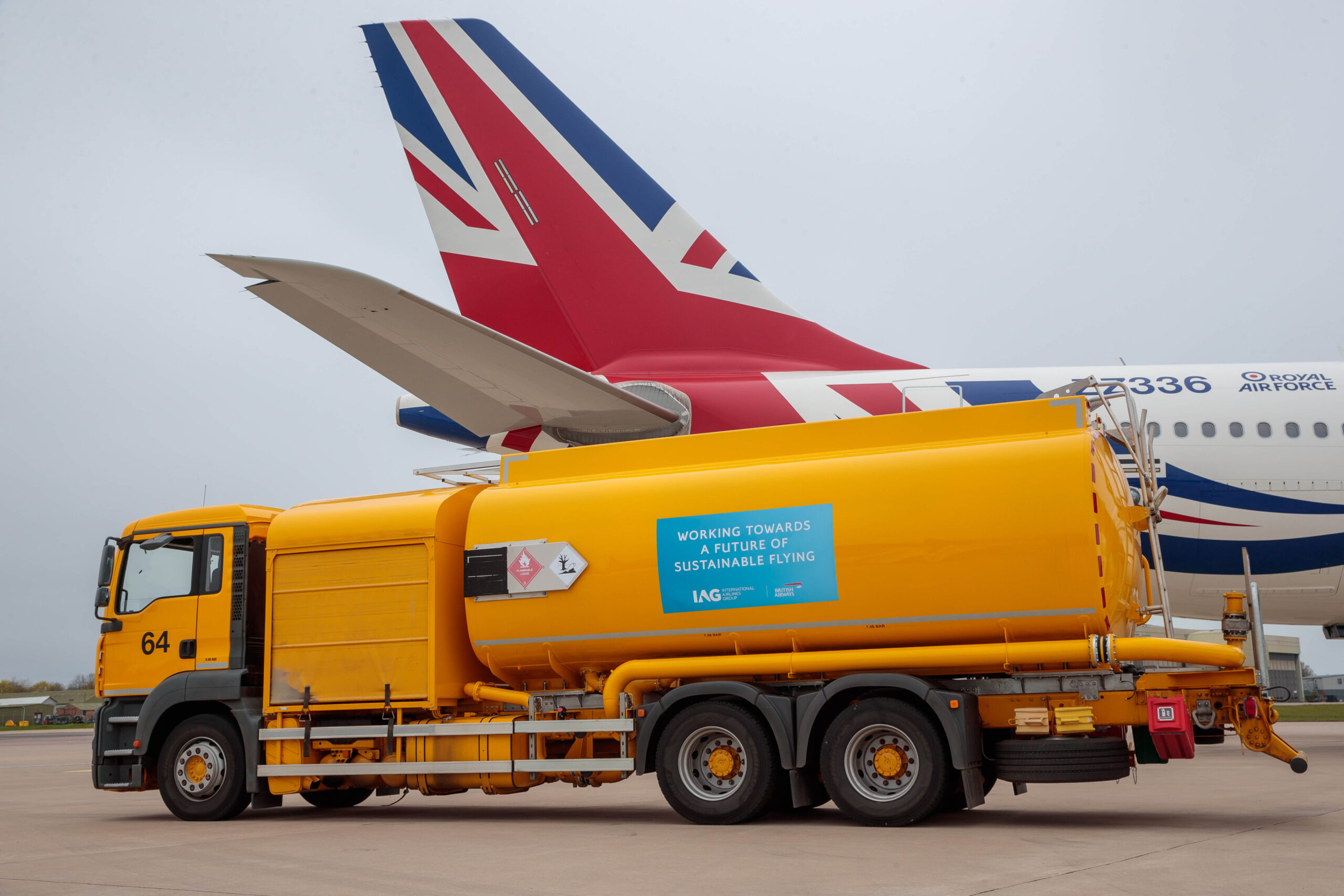
Aeronautical training for a greener future integrates eco-efficient flight techniques, electric and hybrid propulsion systems, Sustainable Aviation Fuel (SAF) handling, and advanced simulation into pilot and maintenance curricula. By embedding environmental management into initial and recurrent training, aviation academies prepare flight crews and engineers to operationalize decarbonization targets mandated by global regulatory bodies.
The Imperative for Sustainable Aviation Training
The aviation industry faces unprecedented pressure to reduce its carbon footprint. The International Civil Aviation Organization (ICAO) established a Long-Term Aspirational Goal (LTAG) of reaching net-zero carbon emissions from international aviation by 2050. Achieving this target requires hardware innovation—such as lightweight composites, aerodynamic refinements, and alternative propulsion—alongside fundamental changes in how aviation personnel are trained and how aircraft are operated on a daily basis.
Historically, flight training focused almost exclusively on stick-and-rudder skills, emergency handling, systems management, and regulatory compliance. Fuel consumption was viewed primarily as an operational cost or range constraint rather than an environmental metrics benchmark. Modern aeronautical education redefines proficiency to include carbon efficiency alongside uncompromising safety.
Sustainable Aeronautical Training Architecture
- Flight Operations
- Green pilot tactics
- CDO / CCO profiles
- Simulator offloading
- Technical Maintenance
- SAF compatibility
- Electric powertrain
- Hydrogen safety
- Air Traffic System
- Trajectory optimization
- PBN & SWIM networks
- Continuous descent
- Net-Zero Aviation Operations
Flight operations contribute directly to atmospheric emissions through jet fuel combustion, emitting carbon dioxide ($CO_2$), nitrogen oxides ($NO_x$), water vapor, and sulfate particulates at high altitudes. Incorporating environmental awareness into the earliest phases of pilot instruction ensures that fuel-conscious decision-making becomes second nature. Whether managing energy profiles during descent or opting for single-engine taxiing on the ground, aircrew trained with eco-efficient protocols yield immediate fuel burn reductions across existing fleets while preparing for next-generation zero-emission platforms.
Core Pillars of Modern Eco-Friendly Flight Training
Decarbonizing aviation training involves updating flight operational procedures, maximizing simulator utilization, and instilling energy management concepts throughout pilot career progression.
Fuel-Efficient Flight Operational Procedures (Green Pilot Techniques)
Flight training programs are systematically updating standard operating procedures (SOPs) to include eco-flying techniques. These practices allow pilots to minimize fuel burn during all phases of flight without compromising safety margins:
- Continuous Descent Operations (CDO): Traditional approaches often involve step-down descents, where an aircraft descends, levels off, throttles up to maintain speed, and descends again. CDO allows an aircraft to descend from cruise altitude along a continuous, smooth flight path using minimal or idle engine thrust. Training pilots to fly CDO profiles reduces both noise pollution near airfields and fuel consumption during the arrival phase.
- Continuous Climb Operations (CCO): Similar to CDO, CCO enables an aircraft to reach its optimal cruise altitude without step-climbs, avoiding intermediate level-offs that burn unnecessary fuel at lower, denser atmospheric altitudes.
- Reduced Flap Takeoffs and Landings: When performance, runway length, and wind conditions permit, pilots are trained to select lower flap configurations. Lower flap settings reduce aerodynamic drag during approach and climb, lowering power requirements and fuel consumption.
- Single-Engine Taxiing: For multi-engine aircraft, running a single engine during taxi out to the runway or taxi in to the gate reduces ground fuel burn and associated gate-area emissions. Trainees learn to manage system dependencies (such as hydraulic pressure and electrical generator load) when operating on reduced power units on the ramp.
- Optimized Speed and Energy Management: Instructors emphasize flying cost-index speeds determined by Flight Management Systems (FMS) rather than fixed cruise speeds, balancing flight time costs against fuel costs based on atmospheric conditions.
Advanced Flight Simulation Training Devices (FSTDs) and Virtual Reality
One of the most immediate methods to green aviation training is shifting training hours from physical aircraft to ground-based synthetic devices.
Typical Carbon Intensity Per Training Hour
- Piston Aircraft (AVGAS): ~40-60 kg CO2/hr
- Turboprop Trainer (Jet-A): ~120-200 kg CO2/hr
- Full Flight Sim (Level D): < 2-5 kg CO2/hr (Grid Dependent)
Modern Full Flight Simulators (FFS) certified to Level D standards reproduce aircraft handling characteristics, motion cues, visual environments, and system malfunctions with exceptional fidelity. Operating a Level D simulator consumes grid electricity—which can be powered by renewable energy sources—yielding zero direct flight emissions compared to burning 30 to 150 liters of aviation gasoline (AVGAS) or Jet-A per hour in a training aircraft.
Beyond high-end simulators, Virtual Reality (VR) and Mixed Reality (MR) flight training devices are transforming initial flight instruction (ab initio training). VR headsets coupled with force-feedback controls allow students to practice cockpit flows, pre-flight checks, emergency procedures, and pattern work before ever starting an engine. By transferring procedural learning to low-power digital devices, flight academies reduce total airborne instruction hours while accelerating student competency.
Emerging Powertrain Technologies in Ab Initio and Technical Training
As the commercial fleet transitions toward novel energy architectures, flight academies and technical schools are updating their curricula to cover electric, hybrid-electric, and alternative-fuel systems.
Electric and Hybrid-Electric Trainer Aircraft
Electric aviation has transitioned from experimental concepts to primary flight instruction platforms. The European Union Aviation Safety Agency (EASA) type-certification of electric light aircraft—such as the Pipistrel Velis Electro—marked a milestone in green aviation training. Flight schools across Europe and North America use electric trainers for private pilot license (PPL) training, circuit practice, and stall-recovery training.
| Operational Advantage | Training & Technical Consideration |
|---|---|
| Zero direct carbon & NOx emissions | Strict flight endurance limits (45-60 mins) |
| Extremely low acoustic footprint | Thermal runaway & battery safety protocols |
| Lower per-hour energy costs | High-voltage ground charging infrastructure |
Integrating electric aircraft into flight training requires specific curriculum adjustments:
- Battery State of Charge (SoC) Management: Unlike jet fuel or AVGAS, which lightens the aircraft as it burns, battery weight remains constant throughout the flight. Student pilots must learn accurate energy planning, accounting for battery degradation, ambient temperature effects on performance, and reserve requirements.
- Thermal Management & Safety: Instructors must train students and maintenance personnel on high-voltage systems (often operating above 300V DC), battery cooling protocols, and emergency procedures for thermal runaway events.
- Turnaround and Charging Logistics: Flight schools must adjust scheduling models to account for charging curves, balancing peak charging demands with local electrical grid capacity.
Sustainable Aviation Fuels (SAF) and Hydrogen Propulsion Literacy
Transitioning legacy turbine fleets to cleaner energy requires comprehensive instruction on alternative fuels for both pilots and maintenance technicians operating under regulatory bodies like the Federal Aviation Administration (FAA).
- Feedstocks (Used cooking oil, biomass)
- Processing & ASTM Certification (ASTM D7566)
- Drop-in SAF Fuel (Up to 50% Blend with Jet A/A-1)
- Conventional Aircraft Engines & Airframes
- Sustainable Aviation Fuel (SAF): Produced from non-fossil feedstocks (such as used cooking oils, municipal waste, or synthetic power-to-liquid processes), SAF can lower lifecycle carbon emissions by up to 80% compared to conventional Jet-A. Technical training for maintenance personnel now covers ASTM D7566 blending specifications, seal compatibility considerations, fuel density calculations, and quality control procedures during fueling operations.
- Cryogenic Hydrogen Systems: For future zero-emission regional aircraft, aviation engineering programs are adding modules on liquid hydrogen storage ($LH_2$), cryogenic boil-off management, fuel cell stack thermodynamics, and direct hydrogen combustion safety protocols.
Air Traffic Management (ATM) and Avionics Integration in Training
Pilots do not fly in isolation; their environmental performance depends heavily on coordination with Air Traffic Management (ATM). Training institutions are integrating advanced avionics and ATM interfaces into their simulator and ground school modules to support modernized airspace architecture.
Performance-Based Navigation (PBN) and Trajectory-Based Operations (TBO)
Modern airspace design relies on Performance-Based Navigation (PBN), utilizing Area Navigation (RNAV) and Required Navigation Performance (RNP). Pilots trained in RNP can fly precise curved arrival paths through complex terrain or congested airspace, shortening overall flight distance and lowering engine power requirements compared to traditional ground-based navigation routes.
Traditional Vectoring vs. RNP Curved Approach
- Traditional Vectoring:
- Waypoint A
- Waypoint B
- Waypoint C
- Runway (Step-down descents, longer track miles, higher fuel burn)
- PBN / RNP Curved Approach:
- Waypoint A
- Continuous Curve
- Runway (Optimized continuous descent, minimal distance & drag)
Trajectory-Based Operations (TBO) allow air traffic control and aircraft systems to negotiate a 4D trajectory (latitude, longitude, altitude, and time) before departure. Flight crew training increasingly emphasizes data link communications (Controller-Pilot Data Link Communications or CPDLC) and System Wide Information Management (SWIM), enabling aircraft to follow smooth flight profiles that minimize airborne hold times and vectoring delays.
Traditional Aviation Training vs. Sustainable Aeronautical Training
The shift toward green aviation training touches every facet of pilot and maintenance technician instruction. The table below illustrates the structural differences between traditional and modern sustainable training frameworks:
| Feature / Dimension | Traditional Aviation Training | Sustainable Aeronautical Training |
|---|---|---|
| Primary Flight Focus | Aircraft handling, manual navigation, basic safety SOPs | Eco-efficient handling, energy profile management, continuous descent/climb procedures |
| Training Aircraft Fleet | Gas-powered piston trainers (e.g., Cessna 172, Piper Archer using leaded AVGAS 100LL) | Electric trainers (e.g., Pipistrel Velis), hybrid platforms, and unleaded fuel-compatible airframes |
| Simulation Allocation | Limited to instrument and multi-engine rating minimums | High ratio of VR, FTD, and Level D simulator offloading to reduce flight-hour emissions |
| Navigation & Airspace | VOR/NDB airway navigation, vector-based ATC approaches | Performance-Based Navigation (PBN), 4D Trajectory-Based Operations, Continuous Descent Operations |
| Fuel & Energy Modules | AVGAS/Jet-A fuel planning, density altitude, weight and balance | SAF blending limits (ASTM D7566), electric state-of-charge calculation, hydrogen safety |
| Maintenance Curriculum | Internal combustion engines, traditional hydraulic & pneumatic systems | High-voltage electric powertrains, thermal management systems, SAF seal compatibility |
| Operational Metrics | Flight hours, fuel burn as cost-factor | Lifecycle emissions metrics, carbon-intensity per block hour, energy conversion efficiency |
Implementation Challenges, Regulatory Frameworks, and Infrastructure Costs
While the transition to green aeronautical training offers clear environmental benefits, training organizations face significant financial, regulatory, and technical hurdles.
| Category | Primary Barrier / Consideration |
|---|---|
| Capital Expenditure (CapEx) | High initial purchase cost of electric fleets |
| Grid & Ground Infrastructure | Installing high-power megawatt chargers |
| Regulatory Alignment | Updating FAR Part 141/147 & EASA Part-FCL |
| Battery Degradation & Life Cycle | Expense of replacement packs every 500-1000 hrs |
Capital Costs and Grid Infrastructure
Replacing conventional flight fleets with electric or hybrid trainer aircraft requires substantial upfront capital expenditure. Although electric aircraft offer lower per-hour operating costs (due to reduced electricity expense relative to AVGAS and lower motor maintenance costs), the initial purchase price of certified electric aircraft and ground support equipment remains elevated.
Furthermore, flight training facilities must install high-capacity fast-charging infrastructure. A flight school operating a fleet of 10 to 20 electric trainers requires sub-station upgrades and megawatt-scale power management systems to maintain continuous flight schedules throughout the day, presenting logistical challenges at regional airports.
Regulatory Harmonization
Aviation safety regulators, including the FAA, EASA, and international civil aviation authorities, maintain strict standards for pilot certification and aircraft airworthiness. Integrating green training concepts requires ongoing updates to regulatory frameworks:
- Flight Crew Licensing: Rules governing commercial pilot license (CPL) and airline transport pilot license (ATPL) requirements, such as EASA Part-FCL or FAA FAR Part 61/141, must accommodate hours flown in certified electric aircraft and expanded synthetic training devices.
- Maintenance Technician Certification: Regulations governing aircraft maintenance engineers (such as EASA Part-66 or FAA Part 147) are expanding to mandate certification in high-voltage safety, composite repair, and alternative fuel system maintenance.
Steps for Flight Schools and Trainees to Adopt Sustainable Practices
Implementing eco-friendly practices does not require an immediate fleet replacement. Training institutions and individual aviators can take incremental steps to lower their environmental impact:
| Phase | Primary Action |
|---|---|
| Phase 1: Operational SOP Updates | Adopt CDO/CCO profiles, single-engine taxiing |
| Phase 2: Synthetic Offloading | Integrate VR procedural devices & simulators |
| Phase 3: Fuel Transition | Shift fleet to unleaded fuels / SAF blends |
| Phase 4: Fleet Electrification | Deploy electric aircraft for PPL circuit work |
For Flight Training Organizations (FTOs)
- Audit Operational SOPs: Introduce green flying modules into ground school and flight briefs, tracking fuel-burn metrics across student sorties.
- Expand Synthetic Training: Invest in qualified Flight Training Devices (FTDs) and VR trainers for checklist usage, ground navigation, and procedural maneuvers to trim physical airborne hours.
- Transition to Unleaded and Alternative Fuels: Where electric aircraft are not yet feasible, transition piston fleets to approved unleaded fuels (such as UL94 or G100UL) and utilize SAF blends for turbine trainers.
- Partner with Regional Infrastructure Developers: Coordinate with local airport management to install dedicated EV charging stations and renewable energy sources (such as solar arrays on hangar roofs).
For Trainees and Aspiring Pilots
- Prioritize Energy Management: Master power-setting tables, lean mixture techniques, and optimal climb/descent planning during early flight lessons.
- Maximize Simulator Utility: Treat every simulator session with the same precision as a real flight, completing procedural learning on the ground to minimize flight hours required to achieve checkride standards.
- Select Forward-Looking Academies: Choose flight academies that actively maintain modernized, fuel-efficient, or electric training fleets and integrate environmental modules into their ground school curricula.
Frequently Asked Questions
What is green aeronautical training?
Green aeronautical training encompasses flight instruction, maintenance education, and simulator training designed to minimize environmental impact. It integrates fuel-efficient flying techniques (like Continuous Descent Operations), electric and hybrid trainer aircraft, Sustainable Aviation Fuels (SAF), and synthetic simulation devices into standard aviation curricula.
Can electric aircraft fully replace traditional piston training fleets?
Not currently. While certified electric aircraft excel at short-duration missions—such as circuit practice, stalls, and basic maneuvers within 45 to 60 minutes—current battery energy density limits their range and endurance. Consequently, traditional or hybrid aircraft remain necessary for cross-country navigation training until battery technologies advance further.
How does using flight simulators help decarbonize pilot training?
Level D flight simulators and advanced Flight Training Devices (FTDs) run on grid electricity, which can be drawn from clean, renewable power sources. Substituting simulator hours for flight hours eliminates direct aircraft fuel burn, nitrogen oxide emissions, and noise pollution while delivering high-fidelity procedural instruction.
Are pilots certified specifically for eco-friendly flight operations?
There is generally no standalone "green license." Instead, environmental management and eco-efficient flying procedures are being integrated directly into existing rating and license frameworks, such as the Private Pilot License (PPL), Commercial Pilot License (CPL), and Type Ratings under FAA and EASA regulations.
What extra training do aircraft maintenance technicians need for sustainable aviation?
Technicians require specialized instruction in high-voltage electrical safety, battery thermal management, fuel cell systems, cryogenic hydrogen handling, and compliance testing for Sustainable Aviation Fuel (SAF) blends under standard specifications like ASTM D7566.
Practical Recommendation: Implementing Green Protocols in Flight Education
To successfully integrate environmental efficiency into flight training without compromising safety:
- For Training Institutions: Conduct an operational audit of current fuel burn per license issued. Implement immediate procedural updates—such as idle-descent planning and reduced ground idle times—while drafting a long-term capital strategy for fleet electrification and simulator expansion.
- For Commercial Airlines & Operators: Partner with flight academies that embed eco-flying principles and modern flight management system (FMS) energy optimization directly into their ab initio and cadet programs.
- For Flight Students: Approach energy management as a core marker of airmanship. Mastering precise speed control, energy profile planning, and engine leaning techniques builds foundational skills that directly translate to lower fuel burn and reduced operational carbon footprints in professional pilot roles.
To explore international framework details and certification standards for sustainable flight operations, review official guidelines provided by global regulatory authorities such as ICAO, EASA, the FAA, and the International Air Transport Association (IATA).