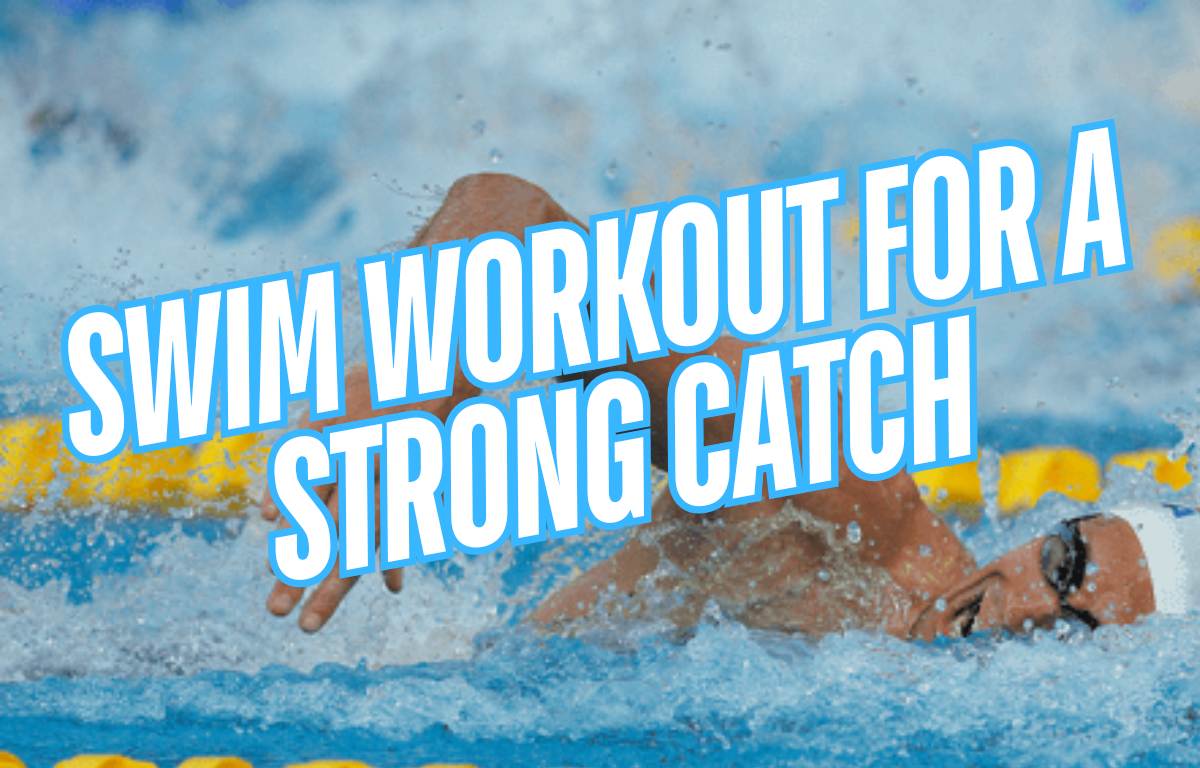
An advanced swim workout is a structured high-intensity aquatic training session designed for experienced swimmers, triathletes, and competitive athletes. It focuses on maximizing lactate threshold, optimizing stroke efficiency at high velocities, and building endurance through interval-based sets rather than continuous aerobic swimming.
Mastering an advanced swim workout requires moving beyond basic lap swimming and entering the realm of structured, metric-driven training. Whether you are preparing for an open-water endurance race, a triathlon, or a masters swimming competition, your body needs more than just yardage to improve. It requires targeted physiological stress, precise pacing, and disciplined stroke mechanics. This guide breaks down the architecture of an elite aquatic session, detailing the physiological thresholds, structural components, and technical execution needed to elevate your swimming performance.
Physiological Foundations of Advanced Swim Training
Before diving into the pool, understanding the energy systems utilized during an advanced swim workout is essential. Unlike running or cycling, swimming presents a unique physiological challenge: the respiratory constraint. Swimmers cannot breathe at will; they must integrate inhalation into their stroke rhythm, making carbon dioxide tolerance and oxygen economy critical variables.
Advanced workouts typically target three primary energy systems:
- Aerobic Base (Zone 2): Low-to-moderate intensity swimming that builds capillary density and mitochondrial efficiency. While advanced workouts feature less continuous swimming than beginner sessions, aerobic maintenance remains the foundation.
- Anaerobic Threshold / Lactate Threshold (Zone 4): The pace at which lactic acid accumulates in the blood faster than it can be cleared. Training at this threshold increases the speed you can maintain before fatigue sets in.
- VO2 Max and Speed Endurance (Zone 5): Short, maximal-effort intervals designed to push the heart rate to its upper limits, improving stroke power and neuromuscular coordination under stress.
By manipulating the intervals, rest periods, and volume of a workout, you can precisely target these energy systems without overtraining or compromising form.
Anatomy of a Professional Advanced Swim Workout
A well-structured advanced swim workout is never random. It follows a deliberate progression designed to prepare the neuromuscular system, push physiological boundaries, and facilitate recovery. Every complete session consists of four distinct phases: warm-up, pre-set/drills, main set, and cool-down.
1. The Warm-Up: Awakening the Central Nervous System
Jumping straight into a high-intensity interval is a recipe for poor biomechanics and early fatigue. A proper advanced warm-up ranges from 500 to 1,000 meters/yards and should never be just easy freestyle.
- Continuous swim: 300 choice of stroke or smooth freestyle to elevate core body temperature.
- Kick set: 200 meters utilizing a kickboard or dolphin kicking on your back, focusing on core engagement and ankle flexibility.
- Drill progression: 200 to 300 meters of technical drills (e.g., catch-up drill, fingertip drag, sculling) to reinforce clean catch and pull mechanics.
- Builds: 4 x 50 building speed from moderate to fast within each length to transition the cardiovascular system into the main set.
2. The Technical Pre-Set
Advanced swimmers often lose their form as fatigue accumulates. The pre-set bridges the warm-up and the grueling main set by introducing speed or technical complexity while the body is still fresh. This might involve descending intervals, broken swims, or pace-holding pieces that establish the target split times for the day.
3. The Main Set: The Core Stimulus
The main set consumes the majority of the workout distance and dictates its primary training adaptation. Advanced main sets utilize intervals with strict send-off times or targeted rest intervals (RIs).
For example, a classic lactate-threshold main set might be structured as:
- 10 x 100 meters freestyle on a tight interval (e.g., leaving on 1:20 or 1:30 depending on baseline speed), holding a consistent pace.
- A ladder set: 400, 300, 200, 100 meters descending in time, with intensity increasing as distance decreases.
4. The Cool-Down
Never skip the cool-down. Swimming 200 to 400 meters of easy, loose recovery swimming flushes metabolic byproducts from the muscle tissue, lowers heart rate, and initiates the recovery process before you step out of the water.
Sample Advanced Swim Workout Configurations
Different training blocks demand different stimuli. Below are three specialized workouts tailored for advanced swimmers, focusing on threshold development, speed endurance, and VO2 max.
| Workout Focus | Total Distance | Warm-Up | Main Set Structure | Cool-Down |
|---|---|---|---|---|
| Lactate Threshold | 3,600m | 600m (300 swim, 200 drill, 100 build) | 4 x (4 x 100m on 1:35, holding threshold pace) | 200m choice easy |
| Speed Endurance | 3,200m | 500m (mixed strokes) | 12 x 50m (Odd: Fast free, Even: Stroke/IM) | 300m pull with buoy |
| VO2 Max / Power | 3,000m | 800m progressive build | 10 x 75m (25 fast, 50 moderate) | 200m slow technical |
Equipment and Technology for Advanced Swimmers
Advanced training relies on tools that isolate specific muscle groups, provide biometric feedback, and overload the aquatic environment. However, these tools should be used with clear intent rather than as a crutch.
- Paddles: Hand paddles increase surface area, forcing the latissimus dorsi and pectorals to generate more propulsion. Ensure paddle size matches your shoulder stability to avoid rotator cuff strain.
- Pull Buoys: Placed between the thighs, pull buoys elevate the hips and eliminate leg drive, allowing you to isolate upper-body mechanics, catch efficiency, and core rotation.
- Short Fins: Zoomers or short silicone fins help improve ankle flexibility and allow swimmers to maintain high-velocity mechanics during hypoxic or speed sets. However, relying on them too heavily can mask a weak natural kick.
- Pace Clocks and Smart Goggles: Monitoring split times on a deck clock or via head-up augmented reality displays in smart goggles ensures strict adherence to interval pacing.
Maintaining Stroke Efficiency Under Fatigue
The ultimate differentiator between an intermediate swimmer and an advanced swimmer is stroke integrity when exhausted. As lactic acid builds up, form tends to break down: the hips drop, the recovery becomes sloppy, and the catch slips.
To combat mechanical degradation during an advanced swim workout, focus on three execution pillars:
- High Elbow Catch: Maintain an early vertical forearm (EVF) position immediately after hand entry. Slipping the water early wastes valuable energy and reduces forward propulsion.
- Controlled Rotation: Power originates from the core and hips, not just the shoulders. Ensure your body rotates symmetrically along its longitudinal axis on every stroke cycle.
- Bilateral Breathing: Even if you prefer breathing to one side during races, training with bilateral breathing (e.g., every 3 or 5 strokes) prevents muscular imbalances and maintains balanced stroke recovery.
Common Mistakes in Advanced Swim Training
Even seasoned athletes fall into training traps that stall progress or lead to injury. Recognizing these pitfalls helps optimize your training schedule.
- Garbage Yardage: Swimming thousands of meters at a monotonous, moderate pace builds endurance but fails to improve threshold speed or neuromuscular power. Every yard in an advanced workout should serve a specific purpose.
- Ignoring Warm-Ups: Diving straight into maximal sprints places immense stress on cold shoulder joints, significantly increasing the risk of tendonitis and rotator cuff tears.
- Inconsistent Pacing: Starting a main set too fast and fading on later intervals ruins the physiological objective of the workout. Use a pace clock to negative-split or hold tight, predictable splits.
- Neglecting Recovery: Swimming hard four to five days a week without adequate rest leads to overtraining syndrome, elevated resting heart rates, and diminished aquatic feel.
Nutritional and Hydration Strategies for Swimmers
Because you are immersed in water, it is easy to overlook hydration and energy depletion during an intense swim session. Dehydration impairs cognitive focus and muscular contraction, even if you do not feel yourself sweating.
- Pre-Workout Fuel: Consume a light, easily digestible carbohydrate meal 60 to 90 minutes before your workout (e.g., oatmeal with a banana or toast with honey). Avoid heavy fats or high-fiber foods that cause gastric distress while horizontal in the water.
- In-Session Hydration: Keep a water bottle or sports drink containing electrolytes at the end of your lane. Sip between sets, especially during long threshold sessions lasting over 60 minutes.
- Post-Workout Recovery: Replenish glycogen stores and initiate muscle repair within 30 to 45 minutes post-workout using a combination of carbohydrates and lean protein.
Troubleshooting Performance Plateaus
If your times have stagnated despite consistent training, it is time to audit your program. Plateaus usually stem from three sources: lack of variance, technical inefficiencies, or inadequate recovery.
- Introduce Overload Variances: If you always swim the same intervals, your body adapts. Alter your send-off times, introduce broken swims (e.g., 300 swim broken into 3 x 100 with 5 seconds rest), or experiment with hypoxic sets (breathing every 5 or 7 strokes) to challenge your system.
- Video Analysis: Have a coach film your stroke underwater from both front and side angles. Small flaws, such as crossing over the centerline or dropping your elbows, become glaringly obvious on video and directly correlate with drag.
- Deload Weeks: Incorporate a recovery week every fourth week, reducing total volume by 30% to 40% while maintaining some intensity. Supercompensation often occurs during these taper and recovery windows.
Next Steps and Progression
Integrating these advanced training principles requires patience and consistency. Start by incorporating one structured threshold set per week into your routine, gradually expanding to two or three high-quality sessions depending on your overall athletic load. Track your split times, monitor your heart rate responses, and listen to your shoulders. By combining disciplined pacing with rigorous physiological overload, you will break through your current limits and achieve new personal bests in the water.