As of 2026, Adriano Zumbo’s net worth is estimated to be between $1 million and $2 million. This valuation reflects a significant recovery following the 2018 voluntary administration of his retail empire. His current wealth is primarily derived from international television contracts, brand endorsements, cookbook royalties, and high-level culinary consultancy rather than large-scale retail operations.
Adriano Zumbo remains one of the most recognizable names in the global pastry industry. Known affectionately as the "Patissier of Pain" and the "Sweet Assassin," Zumbo’s career has been a rollercoaster of meteoric professional success and challenging financial hurdles. To understand his net worth in 2026, one must look beyond simple bank balances and analyze the resilience of the "Zumbo" brand, the mechanics of celebrity chef income streams, and the restructuring of his business interests after a high-profile collapse.
The Early Rise: Building the Zumbo Brand
Adriano Zumbo’s journey into the culinary world began in Balmain, Sydney, where he opened his first patisserie in 2007. However, his financial trajectory changed forever in 2009 when he appeared as a guest judge on the first season of MasterChef Australia. His challenge—the infamous Croquembouche—became a cultural phenomenon in Australia, leading to an immediate surge in demand for his intricate pastries.
During the peak of his retail expansion (roughly 2010 to 2017), Zumbo’s net worth was tied heavily to his rapidly growing business, Adriano Zumbo Patissier. At its height, the group operated several high-concept stores across Sydney and Melbourne, including a specialized "dessert train" at The Star casino. This period saw the "Zumbaron" (his signature macaron) become a staple of Australian luxury confectionery.
The revenue generated during these years was substantial, with millions of dollars in annual turnover. However, the costs associated with maintaining high-end patissier standards—utilizing premium ingredients, intensive manual labor, and prime real estate leases—meant that profit margins were often tighter than they appeared to the public.
The 2018 Financial Collapse and Voluntary Administration
The most significant impact on Adriano Zumbo’s net worth occurred in August 2018. His business empire, consisting of several entities, was placed into voluntary administration. Under the Australian Corporations Act 2001, voluntary administration is a process where an independent practitioner is appointed to investigate the company's affairs and determine if it can be saved or should be liquidated.
The financial filings at the time revealed a stark picture. The Zumbo business group reportedly owed approximately $10 million to various creditors. This debt included:
- Over $2 million owed to the Australian Taxation Office (ATO).
- Roughly $750,000 in unpaid wages and superannuation for staff.
- Millions in rent and supplier costs.
The collapse was attributed to several factors: rapid over-expansion into expensive locations, high operational overheads, and a cooling retail environment. While Zumbo himself was not personally bankrupt, the liquidation of his retail assets significantly reduced his personal equity. He famously took personal responsibility for the debts, stating his intention to ensure staff were paid and that the brand would eventually find its footing again.
Television and Media: The Primary Income Pillar
Following the business restructuring, Zumbo’s financial recovery has been largely fueled by his media presence. Unlike the high-risk, low-margin world of retail baking, television provides a more stable and lucrative income stream for celebrity chefs of his caliber.
International Streaming and Domestic Hits
Zumbo’s partnership with Netflix on the series Sugar Rush and the international distribution of Zumbo’s Just Desserts (originally produced for the Seven Network) provided a global platform. These roles often command six-figure fees per season, supplemented by residuals and global syndication rights. In 2026, he continues to be a sought-after judge for international culinary competitions, which serves as a major contributor to his annual earnings.
Cookbook Sales and Intellectual Property
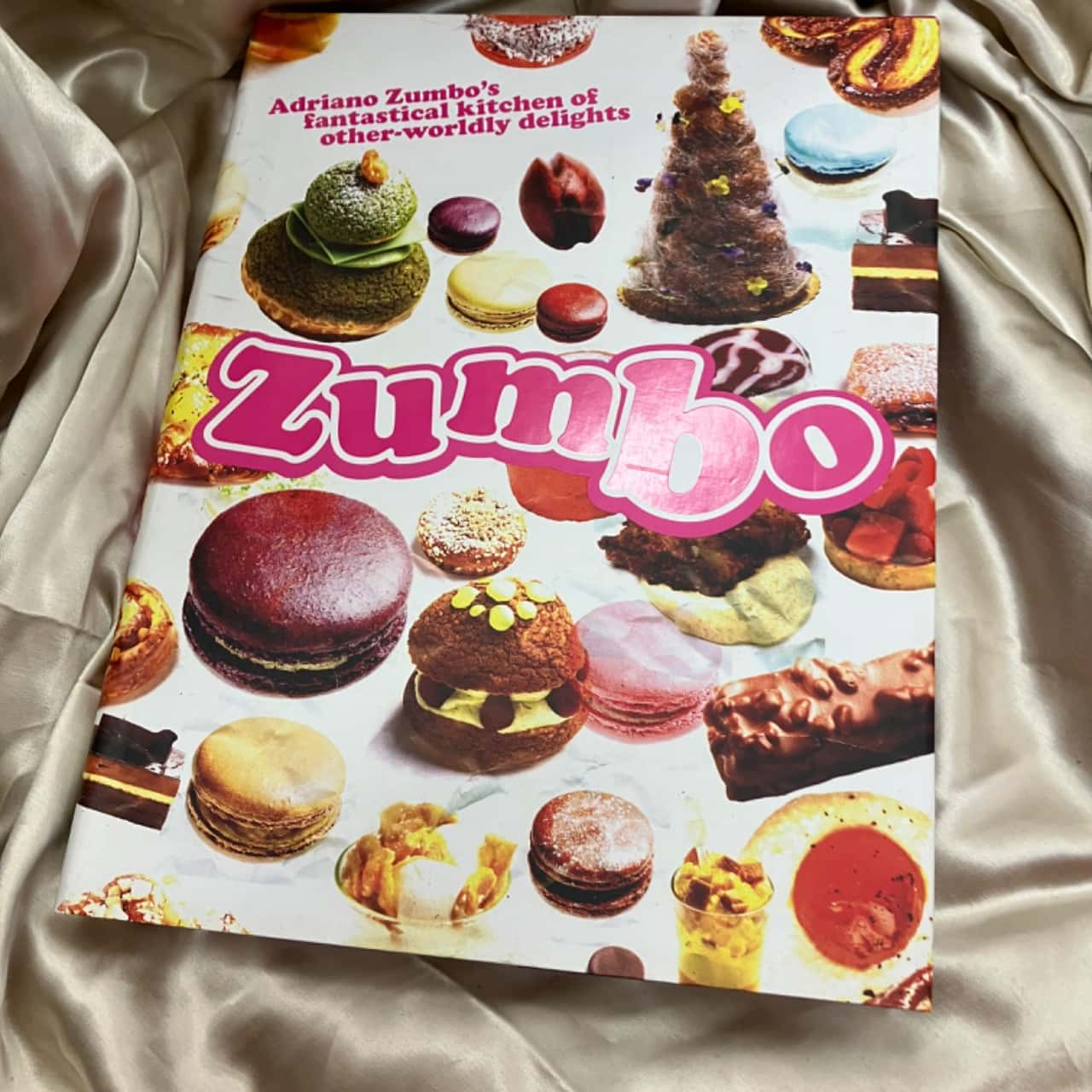
Zumbo has authored several successful cookbooks, including Zumbo, Zumbarons, and The Zumbo Files. These publications continue to generate passive income through royalties. His intellectual property—specifically the "Zumbo" name and his unique recipes—remains his most valuable asset. Even without a dozen storefronts, the brand equity allows him to command high fees for masterclasses and appearances at food festivals like Vivid Sydney or the Melbourne Food and Wine Festival.
Analyzing the 2026 Net Worth Components
Estimating the net worth of a public figure like Zumbo requires a breakdown of both tangible and intangible assets. By 2026, his portfolio has shifted from a capital-heavy retail model to a leaner, service-based model.
| Asset/Income Category | Estimated Impact on Net Worth | Description |
|---|---|---|
| Media Contracts | High | Fees from Netflix, Seven Network, and international guest spots. |
| Consultancy | Moderate | Advising hotels, restaurants, and food manufacturers on pastry programs. |
| Book Royalties | Stable | Ongoing sales from a back-catalogue of four major publications. |
| Real Estate | Variable | Personal property holdings in New South Wales. |
| Retail Partnerships | Emerging | Licensing the Zumbo name for specialized pop-ups or supermarket ranges. |
The Move to Consultancy
A significant portion of Zumbo’s professional activity in recent years has been in the "B2B" (business-to-business) space. Celebrity chefs often act as consultants for luxury hotel chains or commercial airlines (such as Qantas), designing dessert menus or signature items. These contracts are often private but highly remunerative, often involving multi-year retainers that provide a financial floor that was missing during his retail-only years.
The Cost of Artistic Excellence: Why Patisseries Struggle
To understand why Zumbo's net worth isn't higher despite his fame, one must understand the economics of high-end pastry. A single "V8 Cake" or a complex macaron requires hours of labor-intensive work.
- Labor Costs: In Australia, high minimum wages and penalty rates make labor the largest expense. A Zumbo-style kitchen requires highly skilled pastry chefs, not just general kitchen hands.
- Ingredient Quality: Valrhona chocolate, fresh vanilla beans, and high-fat European-style butter are significantly more expensive than standard commercial ingredients.
- Wastage: High-end pastries have a very short shelf life. If a product doesn't sell within 24–48 hours, it is a total loss.
By 2026, Zumbo has largely moved away from the "bricks and mortar" risk, focusing instead on limited-edition collaborations and digital products (such as online baking courses), which have much higher profit margins and lower overhead.
Historical Timeline of Financial Milestones
- 2007: Opens first Balmain patisserie.
- 2009: MasterChef fame leads to 1,000% increase in sales.
- 2011-2016: Rapid expansion; 10+ locations opened across two states.
- 2018: Voluntary administration; $10 million debt reported.
- 2020-2022: Pivot to digital media and international judging during the pandemic.
- 2024-2026: Stabilization of net worth through brand licensing and consultancy.
Frequently Asked Questions
Does Adriano Zumbo still own any bakeries?
As of 2026, Adriano Zumbo does not own the large-scale retail chain he once managed. He frequently operates through pop-up shops, limited-time collaborations with existing hospitality groups, and online ordering platforms. This model reduces the risk associated with long-term commercial leases and high staff overhead.
How did the 2018 administration affect his personal wealth?
While the businesses were separate legal entities, the collapse had a significant impact on his personal financial standing. Much of his previous wealth was reinvested into the expansion of the shops. However, because he was not declared personally bankrupt, he was able to retain his personal assets and rebuild his career through media and consulting.
What is Adriano Zumbo's main source of income today?
His primary income in 2026 comes from television appearances, global streaming royalties, and brand ambassadorships. He also generates significant revenue from culinary consultancy, where he is hired by large corporations to develop dessert products and menus.
Is Adriano Zumbo still on MasterChef?
Zumbo returns periodically as a guest judge on MasterChef Australia and other international iterations of the show. These guest appearances are lucrative and serve to keep his brand relevant to a global audience, directly supporting his other business ventures.
How much are Zumbo's cookbooks worth?
While the books retail for standard prices ($30–$60 AUD), their value to his net worth lies in the cumulative royalties. Having sold hundreds of thousands of copies globally, the books provide a consistent baseline of passive income that supports his lifestyle and business reinvestments.
Expert Guidance: The Value of Personal Branding
For those analyzing the financial trajectory of celebrity chefs, Adriano Zumbo serves as a primary case study in the power of a personal brand. Despite a massive business failure in 2018, his name remained synonymous with quality and innovation.
Next Action for Readers: If you are tracking the net worth of culinary figures, it is essential to distinguish between business equity and personal brand value. In Zumbo's case, while his business equity was wiped out in 2018, his brand value remained intact, allowing him to command high fees for his expertise in the years following. This "intangible asset" is what has allowed him to maintain a net worth in the millions despite the previous loss of his retail empire.