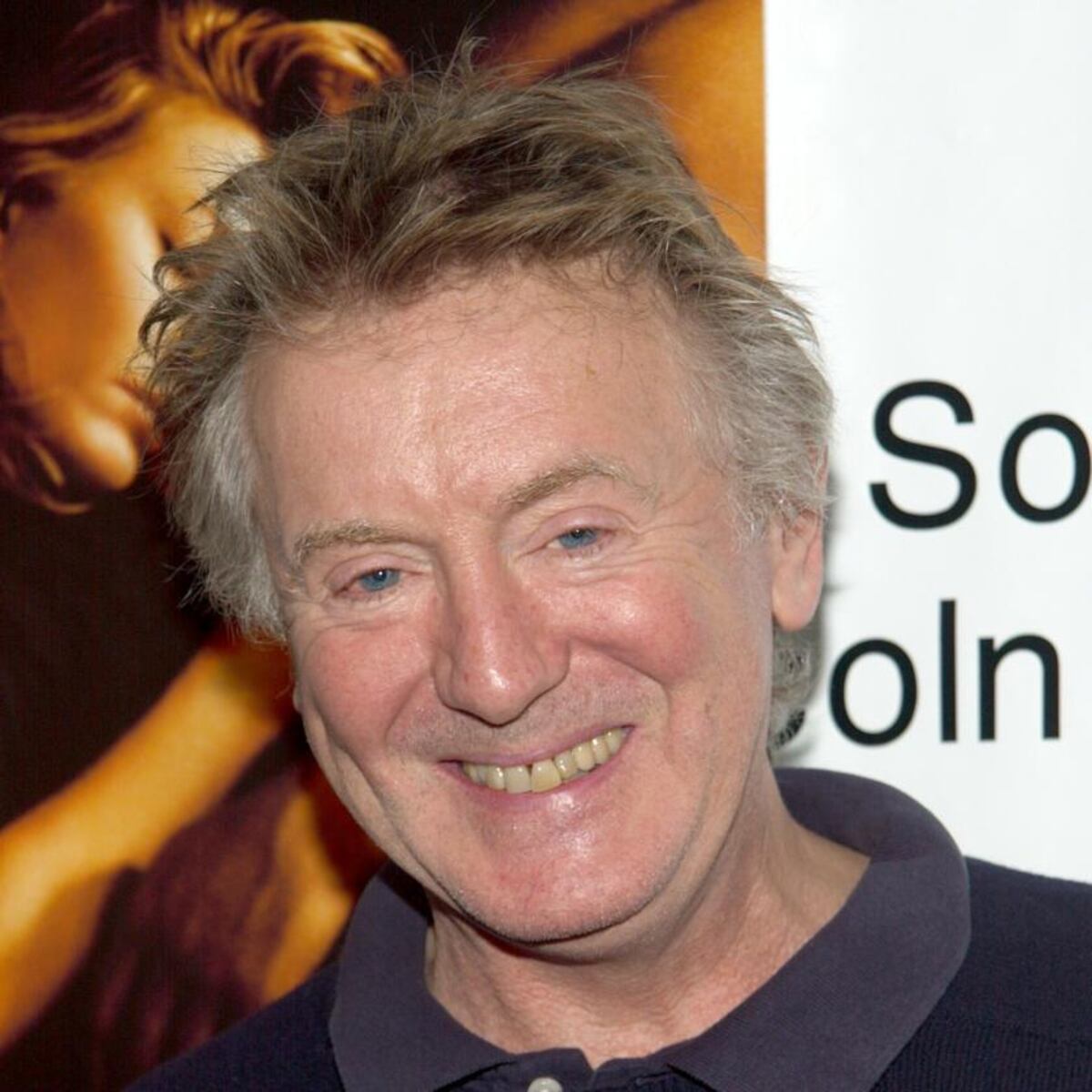
Adrian Lyne is a British film director whose distinctive visual style and provocative narrative themes redefined American cinema throughout the 1980s, 1990s, and beyond. Best known for directing cultural landmarks such as Flashdance, Fatal Attraction, 9 ½ Weeks, and Unfaithful, Lyne specialized in exploring domestic anxiety, sexual obsession, infidelity, and the fragile boundaries of moral compromise.
Commercial Origins and the Birth of a Visual Style
Born on March 4, 1941, in Peterborough, England, Adrian Lyne began his career in the United Kingdom's advertising industry. Alongside contemporary British filmmakers like Ridley Scott, Tony Scott, and Alan Parker, Lyne honed his craft directing high-end television commercials during the 1970s. This commercial background heavily shaped his aesthetic approach to feature filmmaking, instilling a commitment to precise lighting, kinetic editing, atmospheric smoke, and stylized framing.
In advertising, directors were required to evoke immediate emotional and sensory reactions within thirty to sixty seconds. Lyne mastered this visual language by focusing on fine detail: light filtering through window blinds, backlit dust motes, slow-motion gestures, and tightly edited sequences synchronized to contemporary pop music. When he made his feature directorial debut with the coming-of-age drama Foxes (1980), starring Jodie Foster, critics quickly recognized a director capable of capturing youthful vulnerability while maintaining a slick, polished cinematic surface.
However, it was his second feature that established him as a major commercial force in Hollywood and altered the visual landscape of 1980s popular culture.
Defining 1980s Visual Culture and the Erotic Thriller
When Flashdance was released in 1983, it defied traditional film industry expectations. Centered on a young woman (played by Jennifer Beals) working as a welder by day and an exotic dancer by night who dreams of attending a prestigious dance conservatory, the film received mixed reviews from conventional film critics who dismissed its narrative simplicity. Yet audiences responded overwhelmingly to its music-video pacing, iconic wardrobe choices, and stylized choreography.
Key Visual Elements of Adrian Lyne's Directorial Style:
- Lighting: Chiaroscuro contrast, backlighting, natural window diffusion
- Atmosphere: Volumetric fog, suspended dust particles, rain-slicked glass
- Textures: Sheer curtains, venetian blinds, wet skin, metallic surfaces
- Pacing: Cross-cutting musical montage sequences integrated with slow intimate moments
Flashdance grossed over $90 million in North America alone and became an enduring aesthetic blueprint for 1980s media. Lyne demonstrated that visual texture and musical rhythms could drive narrative momentum just as effectively as traditional dialogue.
Building on the commercial success of Flashdance, Lyne transitioned into more controversial thematic territory with 9 ½ Weeks (1986), starring Mickey Rourke and Kim Basinger. The film tracked the rapid escalation and eventual collapse of an intense, emotionally dominant relationship between a Wall Street broker and an art gallery worker. Although it struggled at the domestic box office upon initial release, 9 ½ Weeks became a massive international success and a home-video phenomenon, cementing Lyne as mainstream cinema’s premier director of erotic drama.
Deconstructing Adrian Lyne’s Directorial Signature
Adrian Lyne’s technical execution relies on specific, recurring cinematic techniques that create a sensory experience for the viewer. Rather than treating intimacy as merely graphic, Lyne treats intimacy as an extension of environment and atmosphere.
Volumetric Lighting and Environmental Textures
Lyne routinely fills interior spaces with light haze or smoke, allowing beams of light to create distinct lines across the set. Windows are frequently framed with sheer drapes or venetian blinds, casting geometric shadows across actors' faces. Rain, steam, and wet pavement are recurring motifs used to heighten emotional turbulence or physical vulnerability.
Sound Design and Tactile Detail
In a Lyne film, close-up visuals are invariably paired with amplified diegetic sound design. The rustle of clothing, footsteps on wooden floorboards, ice melting in a glass, or breathing during moments of tension are elevated in the audio mix. This emphasis on sensory input ensures that psychological tension feels rooted in physical reality.
Moral Ambiguity and Intimacy as Conflict
Unlike standard Hollywood thrillers that present clear moral binaries, Lyne frames transgression as complex and alluring before detailing its devastating consequences. His characters are rarely heroic in a traditional sense; instead, they are comfortable middle-class individuals who yield to temptation, leading to severe domestic and psychological fractures.
Detailed Retrospective: Key Films and Narrative Themes
Across his decades-long career, Lyne directed a lean but culturally influential filmography. Each project explored different facets of obsession, paranoia, or relationship dynamics.
Flashdance (1983): Pop Culture Phenomenon
Beyond its financial success, Flashdance served as a laboratory for Lyne’s visual experimentation. Working with cinematographer Donald Peterman, Lyne used high-contrast lighting setups borrowed from fashion photography. The film's musical montages—set to Giorgio Moroder’s driving synth-pop score—essentially functioned as standalone short films, establishing a model that Hollywood studios copied throughout the decade.
Fatal Attraction (1987): The Cultural Zeitgeist
Fatal Attraction, starring Michael Douglas and Glenn Close, represents the commercial and critical peak of Lyne's career. The story of a brief extramarital affair between a married New York attorney and a book editor that turns into a lethal obsession tapped directly into late-1980s cultural anxieties around fidelity, marriage, and career ambition.
Box Office & Critical Snapshot: Fatal Attraction (1987)
- Worldwide Box Office: ~$320 Million (Highest-grossing film worldwide in 1987)
- Academy Award Nominations: 6 (including Best Director, Best Picture, Best Actress)
- Cultural Impact: Popularized the term "bunny boiler" and codified the 1990s erotic thriller subgenre
Lyne handled the story not merely as a sensationalist thriller, but as a psychological horror film set within affluent domestic spaces. The film's critical success earned Lyne an Academy Award nomination for Best Director.
Jacob’s Ladder (1990): Psychological Horror and Trauma
Departing temporarily from relationship dramas, Lyne directed Jacob’s Ladder, written by Bruce Joel Rubin and starring Tim Robbins. The film follows a Vietnam veteran suffering from harrowing hallucinations, severe grief, and dissociative episodes as he attempts to discern reality from hallucination in New York City.
Jacob’s Ladder utilized low-tech, in-camera visual effects—such as filming actors shaking their heads at very low frame rates to create horrifying, twitching distortions—to convey psychological decay. Though initially polarizing to general audiences, the film has achieved cult classic status and heavily influenced video games and modern horror media, most notably the Silent Hill franchise.
Indecent Proposal (1993) and Unfaithful (2002): High-Stakes Domestic Melodrama
Lyne returned to themes of sexual morality with Indecent Proposal (1993), starring Robert Redford, Demi Moore, and Woody Harrelson. The narrative premise—a billionaire offering one million dollars to a financially desperate couple for one night with the wife—ignited widespread public debate over relationship ethics and financial desperation, driving the film to over $260 million worldwide.
Nearly a decade later, Lyne directed Unfaithful (2002), an adaptation of Claude Chabrol’s French film La Femme infidèle. Starring Diane Lane and Richard Gere, the film delivered a grounded, painful examination of an suburban affair and its chaotic aftermath. Diane Lane's performance earned an Academy Award nomination for Best Actress, largely due to a remarkable, near-silent scene directed by Lyne on a train where her character processes the euphoria and guilt of a recent encounter simultaneously.
Lolita (1997) and Deep Water (2022): Literary Challenges
Lyne tackled one of literature's most difficult texts with his 1997 adaptation of Vladimir Nabokov’s Lolita, starring Jeremy Irons and Dominique Swain. Due to its sensitive and taboo subject matter, the film faced severe distribution hurdles in the United States, eventually premiering on cable television before receiving a limited theatrical release. Despite the surrounding controversy, critics praised Irons' performance and Lyne's faithful focus on the novel's tragic, unreliable narration.
After a 20-year hiatus from feature directing, Lyne returned with Deep Water (2022), an adaptation of Patricia Highsmith’s psychological thriller novel, starring Ben Affleck and Ana de Armas. Released primarily via streaming platforms, the film marked Lyne's modern exploration of open marriage, jealousy, and passive-aggressive psychological warfare within an affluent small town.
Comparative Filmography of Adrian Lyne
The following table provides an overview of Adrian Lyne's primary feature films, detailing their release years, primary genres, lead casts, and central thematic focal points.
| Year | Film Title | Primary Genre | Key Cast | Core Narrative Theme | Commercial Impact |
|---|---|---|---|---|---|
| 1980 | Foxes | Drama | Jodie Foster, Scott Baio | Coming-of-age angst, urban youth rebellion | Moderate / Cult status |
| 1983 | Flashdance | Romantic Drama / Music | Jennifer Beals, Michael Nouri | Ambition, working-class dreams, artistic drive | Box Office Phenomenon ($92M US) |
| 1986 | 9 ½ Weeks | Erotic Drama | Mickey Rourke, Kim Basinger | Boundary-pushing intimacy, control, emotional exhaustion | Major Home Video Hit |
| 1987 | Fatal Attraction | Psychological Thriller | Michael Douglas, Glenn Close, Anne Archer | Infidelity, guilt, domestic vulnerability | Global Blockbuster ($320M WW) |
| 1990 | Jacob’s Ladder | Psychological Horror | Tim Robbins, Elizabeth Peña, Danny Aiello | Post-war PTSD, grief, distorted reality | Moderate / Major Cult Following |
| 1993 | Indecent Proposal | Drama / Romance | Robert Redford, Demi Moore, Woody Harrelson | Financial desperation versus marital loyalty | Major Box Office Hit ($266M WW) |
| 1997 | Lolita | Literary Drama | Jeremy Irons, Melanie Griffith, Dominique Swain | Obsession, moral decay, literary delusion | Controversial / Limited US Release |
| 2002 | Unfaithful | Psychological Drama | Diane Lane, Richard Gere, Olivier Martinez | Suburban boredom, infidelity, catastrophic fallout | Solid Hit ($119M WW) |
| 2022 | Deep Water | Erotic Thriller | Ben Affleck, Ana de Armas | Psychological mind games, open marriage, jealousy | Streaming Release Direct-to-Platform |
Core Cinematic Themes: Infidelity, Obsession, and Domestic Paranoia
While Lyne’s visual aesthetic is immediately recognizable, his thematic consistency is what defines his body of work. His movies routinely dissect the fragility of comfortable, middle-class Western lives.
Recurring Narrative Trajectory in Adrian Lyne's Works:
Established Security
Temptation / Crossing Boundaries
Brief Euphoria
Escalating Guilt & Paranoia
Domestic Destruction
The Consequences of Transgression: In films like Fatal Attraction, Unfaithful, and Indecent Proposal, the act of infidelity is never portrayed as a victimless thrill. Instead, Lyne meticulously depicts the moral fallout, paranoia, and deceit that undermine personal relationships.
The Domestic Sphere as a Battlefield: Rather than placing danger in dark alleys or distant locations, Lyne locates terror inside pristine suburban homes, quiet kitchens, and upscale apartments. Safety is revealed to be an illusion maintained by fragile trust.
Power Dynamics and Control: Whether analyzing the sexual dominance games in 9 ½ Weeks, the transaction of Indecent Proposal, or the passive-aggressive cruelty in Deep Water, Lyne consistently inspects how power balances shift within personal relationships.
Legacy and Influence on Contemporary Filmmaking
Adrian Lyne’s impact on mainstream Hollywood cinema is profound. During the 1980s and 1990s, he proved that stylized, visually sophisticated adult dramas could generate massive box-office revenue.
His visual grammar—characterized by high-contrast lighting, expressive set decoration, and intimate close-up photography—helped bridge the gap between commercial advertising aesthetics and traditional narrative feature films. Directors working in the thriller, drama, and horror space continue to borrow his approaches to spatial atmospheric lighting and tension building.
Furthermore, Lyne practically defined the adult erotic thriller subgenre, a category of filmmaking that dominated Hollywood studio slates throughout the late 20th century. By taking adult relationships, intimacy, and moral compromises seriously, he constructed films that triggered widespread public debate and cultural reflection upon their release.
Frequently Asked Questions About Director Adrian Lyne
What is director Adrian Lyne best known for?
Adrian Lyne is best known for directing high-profile psychological and erotic thrillers, including Fatal Attraction (1987), Flashdance (1983), 9 ½ Weeks (1986), Indecent Proposal (1993), and Unfaithful (2002). He is recognized for his glossy visual style, high-contrast lighting, and thematic focus on intimacy, guilt, and infidelity.
Did Adrian Lyne receive an Academy Award nomination?
Yes. Adrian Lyne received an Academy Award nomination for Best Director for his work on Fatal Attraction (1987). The film itself earned six Oscar nominations, including Best Picture, Best Actress (Glenn Close), and Best Supporting Actress (Anne Archer).
Why was there a 20-year gap between Unfaithful (2002) and Deep Water (2022)?
Following the release of Unfaithful in 2002, Lyne spent years developing various feature film projects that ultimately faced financing challenges or fell through in pre-production. During this period, mid-budget adult thrillers became far less common as major Hollywood studios shifted focus toward tentpole franchise filmmaking, until streaming platforms created renewed demand for the genre leading to Deep Water.
How did Adrian Lyne's background influence his film direction?
Lyne began his career directing television commercials in the United Kingdom alongside filmmakers like Ridley Scott. This background taught him to prioritize strong visual textures, ambient lighting, smoke, kinetic editing, and precise musical integration, creating an evocative style that defined 1980s and 1990s cinema.
Recommended Viewing Order for Exploring Adrian Lyne’s Work
To best understand the evolution of Adrian Lyne’s directorial style and thematic interests, viewers should approach his filmography through the following structured sequence:
- Start with Flashdance (1983): Understand his aesthetic origins, musical montage techniques, and mastery of high-gloss commercial photography.
- Watch Fatal Attraction (1987): Experience his most culturally influential film, demonstrating how he transformed domestic drama into high-stakes psychological horror.
- Examine Jacob’s Ladder (1990): Observe his stylistic versatility outside the romance genre, viewing his unique visual techniques applied to psychological trauma and horror.
- Conclude with Unfaithful (2002): Study his most mature, character-driven exploration of marriage, infidelity, and emotional fallout.
By following this progression, film enthusiasts can trace how an influential commercial director redefined popular adult drama and left a lasting visual mark on contemporary cinema.