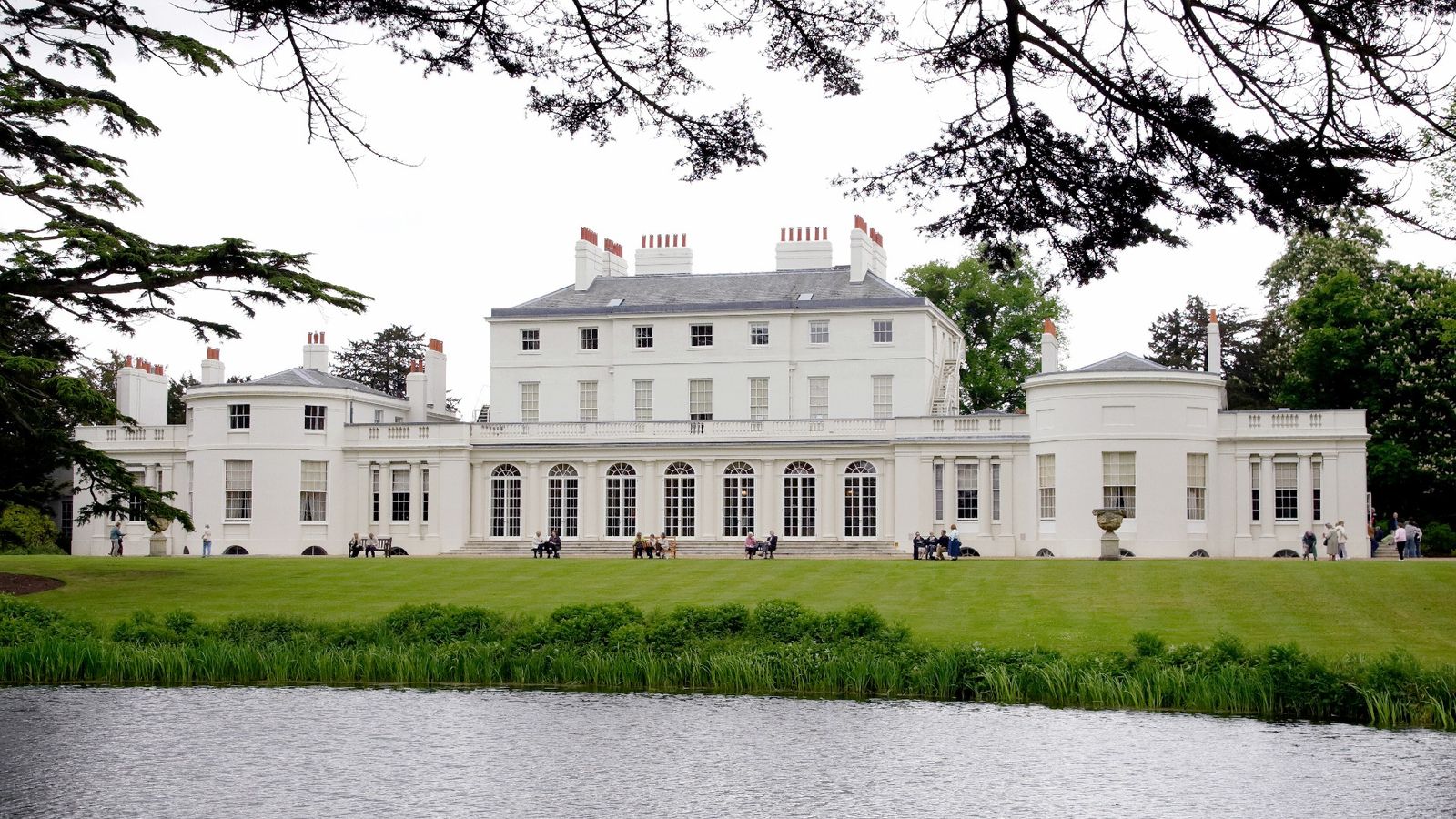
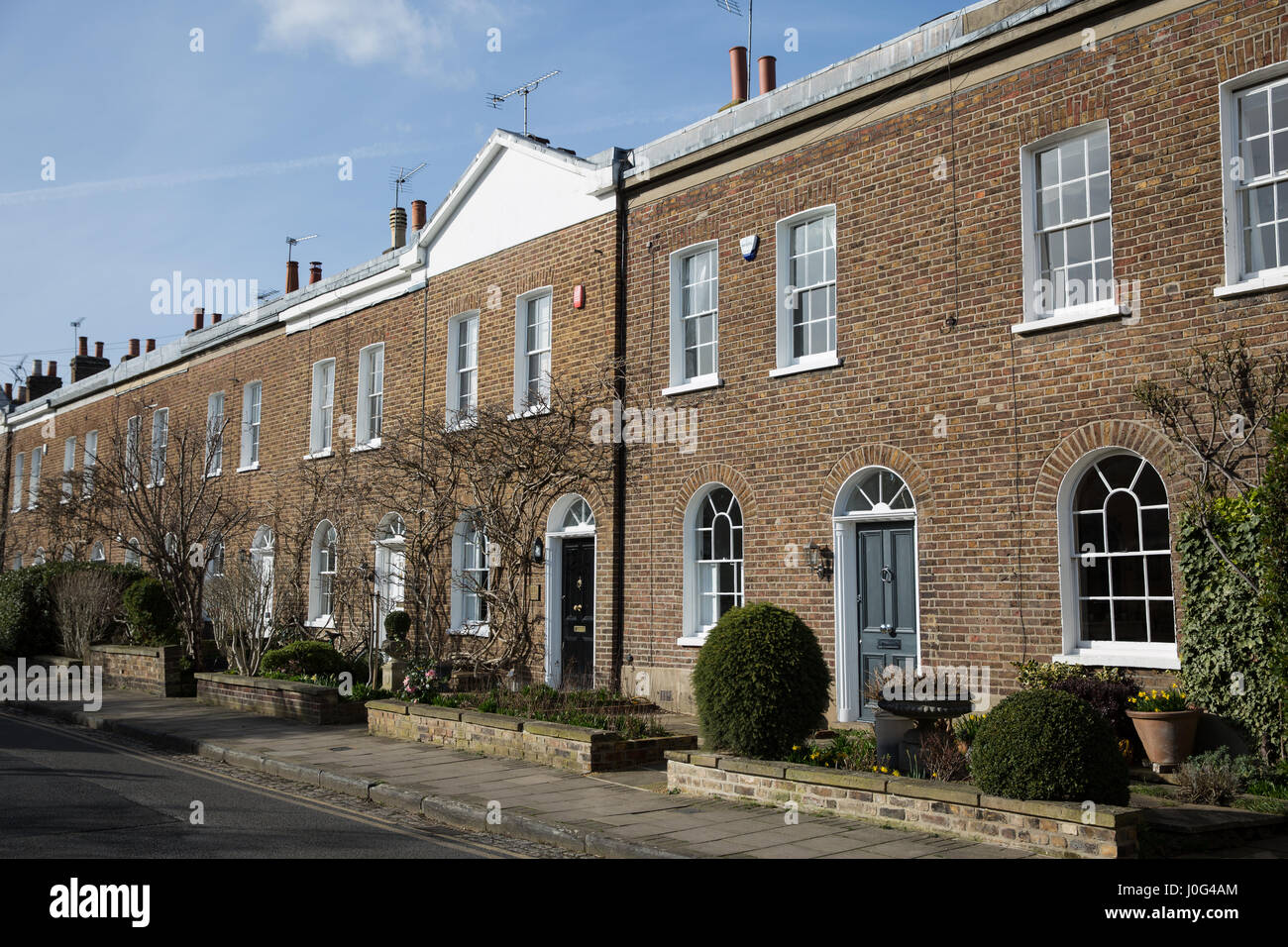
Adelaide Cottage is a historic four-bedroom residence located within the private Home Park at Windsor. Since 2022, it has served as the primary residence for the Prince and Princess of Wales and their three children, offering a balance of royal tradition, architectural heritage, and modern family privacy near Windsor Castle.
Built in the 19th century, this Grade II listed property represents a unique intersection of royal history and architectural evolution. While many royal residences are defined by their sprawling acreage and dozens of rooms, Adelaide Cottage is notable for its relative modesty and its role in the contemporary restructuring of the British monarchy's lifestyle. As of 2026, it remains the central domestic hub for the Wales family, strategically positioned to provide security while maintaining a sense of "normalcy" for the future heirs to the throne.
The Historical Origins of Adelaide Cottage
The story of Adelaide Cottage begins in 1831. It was commissioned by King William IV for his wife, Queen Adelaide of Saxe-Meiningen. At the time, the British Royal Family sought retreats that offered a respite from the formal rigors of court life. Queen Adelaide, known for her piety and modesty, desired a summer house where she could enjoy the beauty of the Windsor grounds without the imposing scale of the Castle itself.
The cottage was constructed on the site of the former Head Keeper’s Lodge. Its creation coincided with a period of significant architectural transition in England, moving from the rigid lines of the Georgian era toward the more whimsical and decorative styles of the early Victorian period. Queen Adelaide used the house primarily as a tea house and a daytime retreat, rather than a full-time residence, establishing its legacy as a place of quiet reflection and domesticity.
The Architect: Sir Jeffry Wyatville
The design was entrusted to Sir Jeffry Wyatville, a renowned architect who was also responsible for the massive Gothic transformation of Windsor Castle during the reigns of George IV and William IV. Wyatville was a master of the "picturesque" style, which aimed to create buildings that looked as though they had grown naturally out of the landscape.
In designing Adelaide Cottage, Wyatville moved away from the fortress-like Gothicism of the Castle. Instead, he embraced the Cottage Orné (decorated cottage) movement. This style was characterized by rustic charm, asymmetrical layouts, and elaborate ornamentation, often mimicking the perceived simplicity of rural life while incorporating high-end materials and craftsmanship.
Architectural Features and the Cottage Orné Style
Adelaide Cottage is a prime example of the Cottage Orné aesthetic. One of its most striking external features is its pink-washed stucco exterior, which gives it a distinct appearance compared to the grey stone of Windsor Castle. The house features ornamental bargeboards—decorative woodwork attached to the gables—which were a staple of the romanticized rustic style of the 1830s.
The Royal George Yacht Connection
Perhaps the most famous architectural detail of Adelaide Cottage lies within its master bedroom. The ceiling of this room is decorated with gilded dolphins and rope ornament, which were repurposed from the Royal George, a 19th-century royal yacht. This integration of maritime history into a terrestrial residence is a rare example of "upcycling" within royal architecture, blending the King’s naval interests with the Queen’s domestic retreat.
The interior also features a marble Graeco-Egyptian fireplace, reflecting the eclectic tastes of the era where classical influences often merged with regional European styles. Despite these ornate touches, the house was designed with a smaller footprint than typical royal estates, featuring only four bedrooms—a detail that would become highly significant in the 21st century.
The Grounds: Windsor Home Park
The location of Adelaide Cottage is as important as the building itself. It is situated within the Home Park, a 655-acre private park managed by the Crown Estate. The Home Park is distinct from the Windsor Great Park, which is more accessible to the public.
Being located in the Home Park provides the residents with:
- Ultimate Privacy: The area is closed to the public, protected by high-level security protocols that surround Windsor Castle and its immediate environs.
- Proximity to the Castle: The cottage is roughly a 10-minute walk from Windsor Castle, allowing the Prince of Wales to maintain close proximity to the administrative and ceremonial heart of the monarchy.
- Historical Neighbors: The cottage is located near Frogmore House and Frogmore Cottage, the latter of which became well-known as the former residence of the Duke and Duchess of Sussex.
The Peter Townsend Era and Mid-Century Scandals
Before becoming the residence of the Wales family, Adelaide Cottage was a "grace and favour" home—a residence owned by the monarch and granted rent-free (or for a nominal fee) to royal family members or staff in recognition of their service.
In the mid-20th century, the cottage was home to Group Captain Peter Townsend, a decorated RAF pilot and equerry to King George VI. Townsend lived there with his first wife and their children in the 1940s. However, the cottage became a focal point of public interest when Townsend's relationship with Princess Margaret, the younger sister of Queen Elizabeth II, became known. The proximity of the cottage to the Castle made it a convenient meeting spot for the couple, and the ensuing scandal over their desire to marry (as Townsend was a divorcé) is one of the most famous chapters in modern royal history.
The 2022 Relocation: A Strategic Shift
In the summer of 2022, Prince William and Catherine, then the Duke and Duchess of Cambridge, made the decision to move their primary residence from Apartment 1A at Kensington Palace in London to Adelaide Cottage in Windsor. This move represented a fundamental shift in how the family approached their public and private lives.
Reasons for the Move
The relocation was driven by several key factors that reflect the family’s priorities as of 2026:
- Educational Stability: The move allowed the three children—Prince George, Princess Charlotte, and Prince Louis—to attend Lambrook School, a prestigious co-educational prep school in the Berkshire countryside. The school is only a short drive from the cottage, allowing for a standard school-run routine.
- Proximity to Family: Moving to Windsor brought the family closer to Catherine’s parents, Michael and Carole Middleton, who live in Bucklebury.
- A "Normal" Upbringing: Unlike Kensington Palace, which is surrounded by public gardens and heavy tourist traffic, Adelaide Cottage offers a private garden where the children can play without being photographed.
- No Live-in Staff: One of the most discussed aspects of the move was the lack of space for live-in staff. While the family still employs security and domestic help, their primary assistants do not live under the same roof, marking a significant departure from traditional royal domestic arrangements.
Comparing Adelaide Cottage to Other Royal Residences
To understand the unique nature of Adelaide Cottage, it is helpful to compare it to the other properties utilized by the Prince and Princess of Wales.
| Feature | Adelaide Cottage | Kensington Palace (1A) | Anmer Hall |
|---|---|---|---|
| Location | Windsor, Berkshire | London | Sandringham, Norfolk |
| Status | Primary Residence | Official Office / London Base | Country Retreat / Holiday Home |
| Bedrooms | 4 | 20+ | 10 |
| Architectural Style | Cottage Orné (1831) | Jacobean / Georgian | Georgian (Late 18th Century) |
| Public Access | Extremely Limited (Private Park) | High (Public Gardens nearby) | Low (Private Estate) |
| Primary Advantage | Privacy & Proximity to School | Proximity to Government/Events | Rural Seclusion |
Modern Renovations and Sustainability
Adelaide Cottage underwent a major renovation in 2015. While the specific details of royal renovations are often kept private for security reasons, the work focused on modernizing the internal infrastructure—heating, wiring, and plumbing—while preserving the Grade II listed heritage.
By 2026, the residence has become a model for the "streamlined" monarchy. The decision not to move into the much larger Windsor Castle or the nearby Royal Lodge (currently occupied by the Duke of York) was a conscious choice. It signals a preference for functional living spaces over traditional palatial grandeur. The cottage’s size also makes it significantly easier to maintain and heat compared to larger estates, aligning with the King’s long-standing advocacy for environmental sustainability.
Managing the Grade II Listing
As a Grade II listed building, Adelaide Cottage is subject to strict regulations overseen by Historic England. This means that any structural changes or significant aesthetic alterations must be approved to ensure the historical integrity of the building is not compromised.
For the Wales family, this means the gilded dolphins on the ceiling and the original Wyatville moldings must be meticulously preserved. The listing ensures that while the cottage functions as a modern family home, it remains a protected piece of British architectural history.
Security and Access Requirements
Because Adelaide Cottage is located within the Home Park, it is under the protection of the Royalty and Specialist Protection (RaSP) command of the Metropolitan Police.
- Access: There is no public access to Adelaide Cottage. Even those visiting Windsor Castle cannot see the cottage, as it is tucked away behind the private slopes of the estate.
- No-Fly Zone: A permanent no-fly zone exists over the Windsor estate to protect the privacy and safety of the Royal Family.
- Technological Integration: While the building is nearly 200 years old, it is equipped with state-of-the-art security technology, including advanced surveillance and secure communication lines necessary for the future King.
FAQs About Adelaide Cottage
Can the public visit Adelaide Cottage?
No, Adelaide Cottage is a private residence located within the restricted Home Park area of the Windsor Estate. Unlike Windsor Castle, which is open to the public through the Royal Collection Trust, Adelaide Cottage remains strictly off-limits to visitors.
How many bedrooms does Adelaide Cottage have?
The cottage has four bedrooms. This is considered relatively modest for a royal residence, especially compared to the 20-plus rooms available to the family at Kensington Palace.
Does Adelaide Cottage have a swimming pool?
No, there is no swimming pool on the immediate grounds of Adelaide Cottage. However, the family has access to various facilities within the wider Windsor Estate.
Is Adelaide Cottage the same as Frogmore Cottage?
No. While both are located on the Windsor Estate and are Grade II listed properties, they are separate residences. Frogmore Cottage is located near Frogmore House and was famously the home of Prince Harry and Meghan Markle. Adelaide Cottage is located closer to Windsor Castle.
Who owns Adelaide Cottage?
The property is part of the Crown Estate. It is not the private property of Prince William, but rather a residence held by the Crown and used by the Royal Family.
Why is it called Adelaide Cottage?
It is named after Queen Adelaide, the wife of King William IV, who commissioned the building in 1831 as a summer retreat.
Living in a Historical Artifact
In 2026, Adelaide Cottage stands as a symbol of the contemporary Prince and Princess of Wales’s approach to their roles. It bridges the gap between the heavy tradition of the British monarchy and the practical needs of a modern family. By choosing to live in a "cottage"—albeit a grand and historically significant one—the family has prioritized privacy and a grounded lifestyle over the more isolated and formal existence found in larger palaces.
For the researcher or royal enthusiast, Adelaide Cottage is more than just a house; it is a preserved specimen of the Cottage Orné style and a silent witness to nearly two centuries of royal transitions. Whether through its connections to the Royal George yacht or its role in the Townsend scandal, the cottage remains one of the most intriguing and strategically important homes in the United Kingdom.