Acute stomach pain, clinically known as acute abdominal pain, is a sudden and severe onset of discomfort in the abdominal region that typically persists for less than several days. While often caused by benign issues like gas or viral gastroenteritis, it frequently serves as a critical warning sign for life-threatening conditions such as organ perforation, obstruction, or internal bleeding that requires immediate medical intervention.
The Nature of Acute Abdominal Pain
To understand acute stomach pain, one must first distinguish it from chronic or recurrent discomfort. In 2026, clinical guidelines emphasize that "acute" refers to the temporal nature of the pain—it is a new, often escalating sensation rather than a long-standing issue. The abdomen houses a complex array of organs, including the stomach, intestines, liver, gallbladder, pancreas, kidneys, and reproductive organs. Because these structures share nerve pathways, the brain sometimes struggles to pinpoint the exact source of the distress, a phenomenon known as referred pain.
Medical professionals generally categorize abdominal pain into three types to aid in diagnosis:
- Visceral Pain: This originates from the organs themselves. It is often described as a dull, vague ache or cramping and is frequently felt near the midline of the body. It occurs when an organ is stretched or its walls contract forcefully.
- Parietal (Somatic) Pain: This occurs when the peritoneum—the lining of the abdominal cavity—becomes irritated. This pain is sharp, intense, and easily localized. If you can point to the exact spot where it hurts with one finger, it is likely parietal pain.
- Referred Pain: This is pain felt at a site distant from the actual source. For example, gallbladder inflammation may cause pain in the right shoulder blade, while a leaking aortic aneurysm might manifest as lower back pain.
Identifying Medical Emergencies: The Red Flags
When experiencing acute stomach pain, the primary goal is to determine if the situation is a surgical emergency. In 2026, emergency department protocols prioritize the identification of "red flag" symptoms that suggest a high risk of morbidity. If acute stomach pain is accompanied by any of the following, seek emergency care immediately:
- Hemodynamic Instability: Feeling faint, dizzy, or having a rapid heart rate, which may indicate internal bleeding or sepsis.
- Peritoneal Signs: A "board-like" or rigid abdomen that is extremely sensitive to any touch or movement (even a slight bump to the bed).
- Hematemesis or Melena: Vomiting blood (which may look like coffee grounds) or passing black, tarry stools, indicating a gastrointestinal bleed.
- High Fever and Chills: Suggestive of a systemic infection or abscess.
- Inability to Pass Gas or Stool: Often accompanied by significant bloating and projectile vomiting, which may indicate a complete bowel obstruction.
- Pain During Pregnancy: Any acute abdominal pain in a pregnant individual requires immediate evaluation to rule out ectopic pregnancy or placental abruption.
Mapping Pain by Abdominal Quadrants
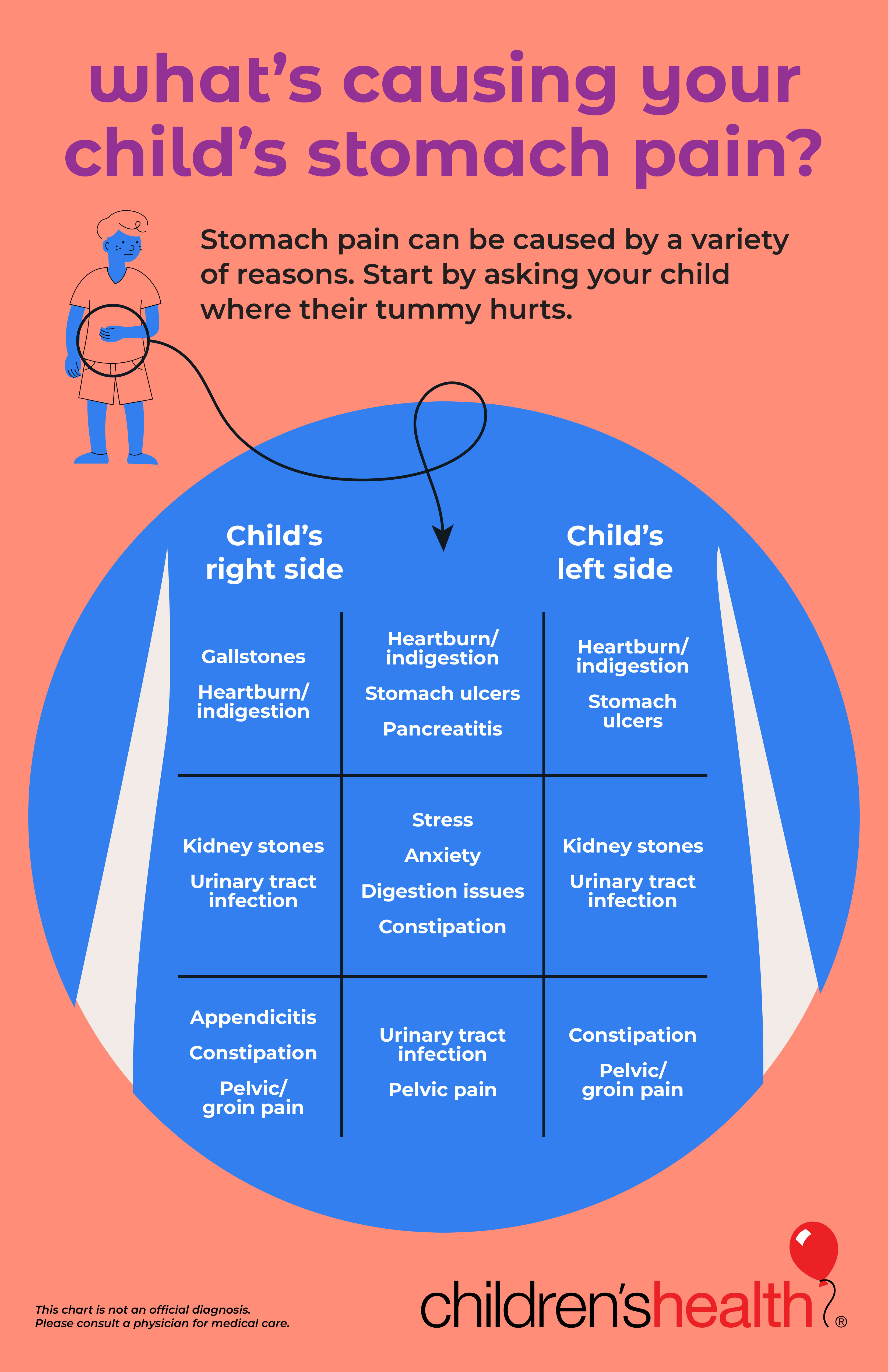
To narrow down the potential causes of acute stomach pain, physicians mentally divide the abdomen into four quadrants. The location of the pain is often the most significant clue to the underlying pathology.
Right Upper Quadrant (RUQ)
Pain in this area is most commonly associated with the liver and gallbladder.
- Cholecystitis: Inflammation of the gallbladder, often due to gallstones. The pain is typically steady and severe, sometimes radiating to the back.
- Biliary Colic: Intermittent pain caused by gallstones temporarily blocking a duct.
- Hepatitis: Inflammation of the liver, which may also cause jaundice (yellowing of the skin or eyes).
Left Upper Quadrant (LUQ)
This area contains the spleen, part of the stomach, and the tail of the pancreas.
- Splenic Infarct or Rupture: Often associated with trauma or certain underlying infections like mononucleosis.
- Gastritis or Peptic Ulcers: Inflammation or sores in the stomach lining, often exacerbated by stomach acid.
Right Lower Quadrant (RLQ)
This is one of the most common sites for emergency abdominal surgery.
- Appendicitis: Usually begins as vague pain near the belly button before migrating to the RLQ. It is a leading cause of acute stomach pain requiring surgery.
- Mesenteric Adenitis: Inflammation of the lymph nodes in the abdomen, common in children and often mimicking appendicitis.
Left Lower Quadrant (LLQ)
- Diverticulitis: Small pouches in the colon become inflamed or infected. This is increasingly common in older adults but is being seen more frequently in younger populations in 2026 due to dietary shifts.
Epigastric and Periumbilical (Central) Pain
- Pancreatitis: Severe pain in the upper middle abdomen that often "bores" through to the back.
- Early Appendicitis: As mentioned, this often starts centrally.
- Abdominal Aortic Aneurysm (AAA): A life-threatening stretching of the aorta. It may cause a pulsating sensation near the navel.
Common Pathological Causes of Acute Stomach Pain
Beyond location, the character and onset of the pain help define the cause. Below are the most frequent diagnoses encountered in clinical practice.
Gastrointestinal Obstruction
An obstruction can occur in the small or large intestine. It is often caused by adhesions (scar tissue) from previous surgeries, hernias, or tumors. The pain is typically "colicky"—it comes in waves as the intestine tries to push contents past the blockage. According to the American College of Surgeons, early diagnosis is vital to prevent bowel ischemia (death of the tissue).
Perforated Viscus
This occurs when a hole develops in the wall of the stomach, small intestine, or colon. This allows digestive enzymes and bacteria to leak into the sterile abdominal cavity, causing peritonitis. This is a surgical emergency characterized by sudden, "explosive" pain that becomes generalized across the entire abdomen.
Urological Causes
Not all "stomach" pain involves the digestive tract.
- Kidney Stones (Nephrolithiasis): Causes excruciating, "10/10" intensity pain that typically starts in the flank (side) and radiates down toward the groin.
- Pyelonephritis: A kidney infection that presents with flank pain, fever, and urinary symptoms.
Vascular Emergencies
Vascular issues are the most "silent" and deadly causes of acute stomach pain.
- Mesenteric Ischemia: Often called a "gut attack," this is a lack of blood flow to the intestines. Interestingly, the physical exam may find a "pain out of proportion to exam"—meaning the patient is in agony, but the abdomen feels soft when pressed.
Comparison of Acute Abdominal Conditions
The following table compares common causes of acute stomach pain based on typical presentation patterns as of 2026.
| Condition | Primary Location | Pain Character | Common Associated Symptoms |
|---|---|---|---|
| Appendicitis | RLQ | Sharp, localized | Fever, loss of appetite, nausea |
| Cholecystitis | RUQ | Steady, aching | Pain after fatty meals, vomiting |
| Diverticulitis | LLQ | Cramping or steady | Change in bowel habits, fever |
| Pancreatitis | Epigastric | Sharp, radiates to back | Nausea, vomiting, tachycardia |
| Kidney Stones | Flank/Groin | Colicky, intense | Blood in urine, restlessness |
| Peptic Ulcer | Epigastric | Burning, gnawing | Bloating, "hunger" pains |
| Bowel Obstruction | Generalized | Cramping waves | Distension, inability to pass gas |
The Diagnostic Process in 2026
When you present to a clinic or hospital with acute stomach pain, the diagnostic process follows a structured sequence. In 2026, clinicians rely on a "triple assessment" involving history, physical examination, and targeted imaging.
Clinical History and Physical Exam
The doctor will ask about the "OPQRST" of your pain: Onset, Provocation, Quality, Radiation, Severity, and Time. During the physical exam, they will look for:
- Guarding: Voluntary or involuntary contraction of the abdominal muscles.
- Rebound Tenderness: Pain that is worse when the doctor releases their hand after pressing down.
- Auscultation: Listening for bowel sounds; "tinkling" sounds may indicate obstruction, while silence may indicate an ileus (paralyzed bowel).
Laboratory Testing
Blood tests help narrow the search. A Complete Blood Count (CBC) looks for high white blood cell counts (infection). A Lipase test is used to check for pancreatitis. Urinalysis rules out kidney stones or infections, and a Pregnancy Test (hCG) is mandatory for all individuals of childbearing age with abdominal pain.
Imaging Modalities
- Ultrasound: The preferred first step for RUQ pain (gallbladder) and gynecological issues.
- Computed Tomography (CT) Scan: The "gold standard" for most acute abdominal pain. Modern 2026 CT protocols use low-dose radiation and multi-planar reconstruction to identify appendicitis, diverticulitis, and obstructions with high accuracy.
- MRI: Often reserved for pregnant patients or children to avoid radiation exposure.
Treatment and Management Strategies
The treatment for acute stomach pain is entirely dependent on the underlying cause.
Surgical Intervention
Many acute abdominal conditions require "the knife." However, in 2026, most of these procedures are performed laparoscopically (minimally invasive). This includes:
- Appendectomy: Removal of the appendix.
- Cholecystectomy: Removal of the gallbladder.
- Laparotomy: An open surgery used for complex cases like perforation or heavy internal bleeding.
Medical Management
Non-surgical cases are managed with focused therapies:
- Antibiotics: Used for uncomplicated diverticulitis or certain cases of early appendicitis.
- Fluid Resuscitation: Essential for pancreatitis and bowel obstructions.
- Analgesics: Pain management is critical. Contrary to older medical myths, providing pain relief (like IV morphine or fentanyl) does not "mask" the diagnosis and is considered standard of care in 2026.
Frequently Asked Questions
When should I go to the ER instead of an Urgent Care for stomach pain?
You should choose the Emergency Room if the pain is sudden and severe, if you are unable to keep fluids down, if your abdomen is rigid, or if you have a high fever. Urgent Care centers often lack the advanced CT imaging and surgical consults required to manage conditions like appendicitis or a ruptured organ.
Can gas cause acute stomach pain that feels like an emergency?
Yes. Severe gas or "trapped wind" can cause intense, sharp, and localized pain that can occasionally mimic more serious conditions. However, gas pain usually shifts location or improves after a bowel movement or flatulence. If the pain is persistent and worsening, do not assume it is just gas.
What should I avoid doing if I have sudden, severe stomach pain?
Do not eat or drink anything (remain "NPO"). If you require surgery, having an empty stomach significantly reduces the risk of anesthesia complications. Additionally, avoid taking laxatives or using enemas, as these can cause an inflamed appendix or obstructed bowel to rupture.
Is it normal for stomach pain to radiate to the back or chest?
It is common but usually indicates a specific organ. Pain radiating to the back is often associated with the pancreas or a kidney stone. Pain radiating to the chest or shoulder can be the result of diaphragm irritation from a gallbladder issue or even a "silent" heart attack (myocardial infarction), which can sometimes present as upper abdominal discomfort.
How has the treatment of acute stomach pain changed by 2026?
By 2026, there is a greater emphasis on "Watchful Waiting" and antibiotic-first approaches for certain conditions like uncomplicated appendicitis and diverticulitis, provided the patient is stable and closely monitored. Additionally, Point-of-Care Ultrasound (POCUS) is now used by most ER physicians to make faster bedside diagnoses.
Next Steps for Recovery and Prevention
If you are currently experiencing mild to moderate acute stomach pain that does not meet the "red flag" criteria, monitor your symptoms closely. Keep a log of when the pain started and what makes it better or worse. Avoid self-medicating with NSAIDs like ibuprofen, as these can irritate the stomach lining and potentially worsen a hidden ulcer.
For those who have been discharged after an episode of acute stomach pain, follow-up is essential. Ensure you complete any prescribed antibiotic courses and attend scheduled imaging appointments. If your pain was diet-related (such as gallbladder or diverticulitis issues), consult with a nutritionist to implement a high-fiber or low-fat diet as appropriate to prevent recurrence.