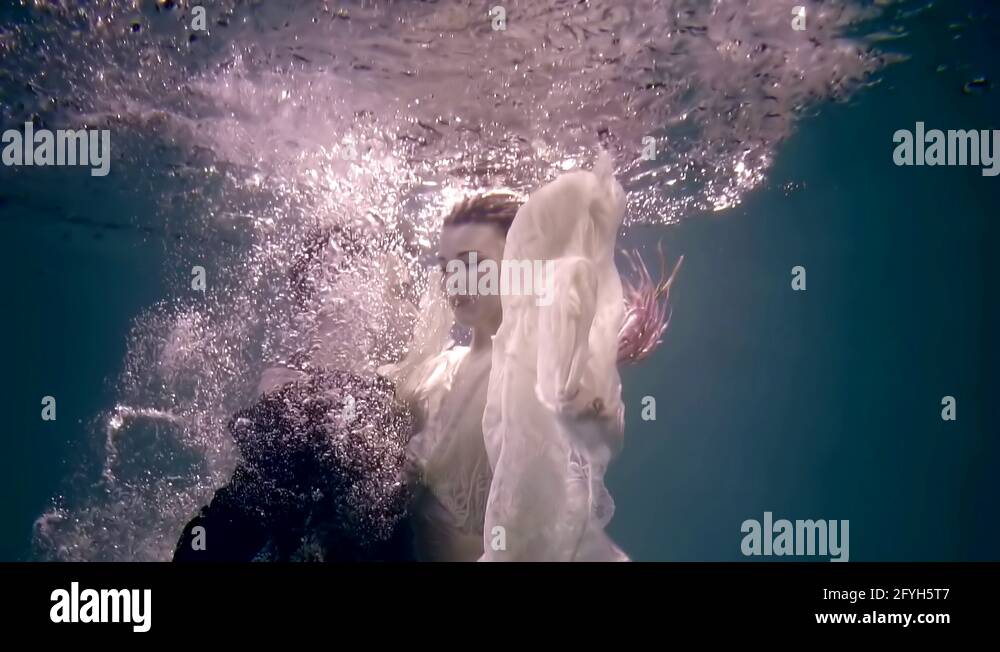
Performing as an actress underwater is a specialized discipline that merges high-level athleticism, breath-hold mastery, and emotive performance. Success in this niche requires extensive freediving training, the ability to equalize ear pressure while acting, and a deep understanding of buoyancy control. In 2026, as underwater cinematography reaches new heights of realism, these skills have become essential for performers in major film franchises and high-fashion productions.
The Evolution of Underwater Performance
The role of the actress underwater has evolved significantly from the synchronized swimming spectacles of the 1940s to the grueling, hyper-realistic demands of modern motion-capture and live-action cinema. Historically, actresses like Esther Williams popularized the "aquatic musical," but those performances were largely surface-based or performed in shallow tanks with frequent breaks for air.
In 2026, the industry standard has shifted toward extended immersion. Directors now seek performers who can sustain a scene for several minutes without surfacing, allowing for more complex cinematography and fewer cuts. This shift is driven by the audience's desire for authenticity; the tell-tale bubbles of a hidden regulator or the strained facial muscles of someone holding their breath are no longer acceptable in high-budget productions.
The Physical Demands of Aquatic Acting
Working underwater is an inherently hostile environment for the human body. An actress must contend with several physical stressors simultaneously:
- Thermoregulation: Even in heated tanks, the body loses heat 25 times faster in water than in air. Prolonged shoots can lead to mild hypothermia, which affects muscle coordination and facial expression.
- Pressure and Equalization: As a performer descends, the air spaces in the ears and sinuses compress. Actresses must learn to "equalize" (the Frenzel or Valsalva maneuver) subtly, often while mid-sentence or maintaining a specific expression, to prevent barotrauma.
- Buoyancy: Humans are naturally buoyant. To stay submerged and "weightless" without looking like they are struggling to stay down, actresses often wear hidden weight belts or have weights sewn into their costumes. Controlling this buoyancy through lung volume is a core technical skill.
Core Training: Beyond Basic Swimming
An actress underwater is rarely "just swimming." The primary discipline utilized in modern film is freediving (apnea). Unlike SCUBA diving, which relies on tanks, freediving is the art of holding one's breath for extended periods.
Breath-Hold Mastery (Apnea)
Professional underwater actresses undergo rigorous training to increase their CO2 tolerance. The urge to breathe is not caused by a lack of oxygen, but by the buildup of carbon dioxide. Through "apnea tables"—exercises that alternate breath-holds with short recovery periods—performers can "quiet" the brain’s alarm signals.
By 2026, records for on-set breath-holds have reached legendary status. Kate Winslet famously held her breath for 7 minutes and 14 seconds during the filming of Avatar: The Way of Water, breaking a record previously held by Tom Cruise. While most scenes only require 1–2 minutes of active performance, the ability to hold for 5+ minutes provides a safety margin that reduces anxiety and allows the actress to focus entirely on her craft.
Equalization and Sinus Health
One of the most difficult technical hurdles is equalizing the ears without "pinching the nose." In a scene, an actress cannot reach up and pinch her nose to pop her ears. Specialized training involves learning to use the tongue and throat muscles to push air into the Eustachian tubes (the Frenzel maneuver) while the face remains relaxed. Chronic sinus issues or a simple head cold can render an actress unable to work underwater for days, making health maintenance a critical part of the job.
The Art of Acting Without Air
Acting is primarily about communication, which usually involves voice and breath. Removing these tools requires a complete recalibration of a performer's technique.
Facial Expression and "The Mask"
When underwater, the face naturally tends to squint or "scrunch" due to the irritation of salt or chlorine and the pressure of the water. An actress must learn to keep her eyes open and clear, and her facial muscles relaxed, despite the stinging sensation. This is often practiced in "dry" sessions before ever entering the water.
Furthermore, the lack of a nose clip means the actress must use her soft palate to seal off the nasal passage, preventing water from entering the nose and air from escaping. If an actress "bubbles" from her nose during a dramatic close-up, it often ruins the shot, as it breaks the immersion of the character’s reality.
Body Language and Fluidity
Movement underwater is slowed by resistance. Every gesture must be deliberate and smoothed out to avoid looking "choppy." In 2026, motion-capture technology (MoCap) used in underwater tanks requires actresses to wear specialized suits with markers. These performers must move with a grace that suggests they belong in the water—often mimicking the undulations of marine life rather than the thrashing of a terrestrial human.
Safety Protocols and Team Roles
The safety of an actress underwater is managed by a highly specialized "Dive Safety Team." No performer, regardless of experience, is ever left alone in the water.
| Role | Responsibility | Essential Equipment |
|---|---|---|
| Safety Diver | Assigned 1-on-1 to the actress; provides air via a "pony bottle" or regulator between takes. | Scuba gear, spare regulator, signaling light. |
| Underwater DP | The Director of Photography who operates the camera while diving. | Underwater housing, hydrophone. |
| Dive Supervisor | Oversees all safety protocols, monitors bottom time, and manages the safety divers. | Surface-to-diver communication system. |
| Grip/Lighting | Manages underwater lights and cables to prevent entanglement. | Weighted stands, waterproof cabling. |
| Medical Liaison | On-site specialist trained in barotrauma and shallow-water blackout recovery. | Oxygen kit, AED, first aid. |
The Danger of Shallow Water Blackout
The most significant risk for an actress is Shallow Water Blackout (SWB). This occurs when a performer loses consciousness due to low oxygen levels (hypoxia) during the ascent or at the end of a long breath-hold. Because SWB happens without warning, safety divers are trained to watch for "sambaing" (loss of motor control) or a change in eye focus. If a blackout occurs, the safety diver immediately brings the actress to the surface and begins "Blow-Tap-Talk" resuscitation protocols.
Technical Specifications of the 2026 Underwater Set
Modern underwater sets are marvels of engineering. By 2026, several key technologies have become standard for filming actresses in aquatic environments:
- Hydrophones and Underwater Speakers: These allow the director on the surface to give acting notes and cues directly to the actress while she is submerged.
- Virtual Production Tanks: Similar to "The Volume" used in terrestrial filming, large LED screens are now sometimes placed outside the glass of massive tanks to provide real-time, interactive backgrounds for the actress.
- Neutral Buoyancy Suits: Costumes are now engineered using 3D-printed materials that have neutral buoyancy, meaning they neither float nor sink, allowing for natural movement that doesn't fight the actress's position.
- Eye Care Solutions: Specialized, PH-balanced "artificial tears" are applied between takes to protect the actress's corneas from the damaging effects of long-term exposure to treated tank water.
Notable Examples and Performance Standards
While many actresses have performed underwater, a few have set the standard for technical excellence and artistic impact.
Kate Winslet: The Gold Standard
Winslet’s performance in the Avatar sequels remains the benchmark for the "actress underwater." Her dedication to learning "static apnea" allowed the production to capture long, continuous shots of her character, Ronal. Her ability to maintain intense emotional presence while enduring the physical pressure of the tank is cited by acting coaches as the pinnacle of the craft.
Halle Bailey: Grace and Motion
In the live-action The Little Mermaid, Halle Bailey spent extensive time in "tuning fork" rigs and underwater tanks. Her performance highlighted the importance of "core strength" in aquatic acting—using the abdominal muscles to create the illusion of a tail's movement even when her legs were bound or replaced by CGI.
The Fashion and Commercial Sector
Beyond feature films, high-fashion actresses and models (such as those featured in Vogue aquatic shoots) must master the "long-dress" technique. Managing 20 feet of silk or chiffon underwater without becoming entangled is a high-risk, high-reward skill that requires perfect coordination with a safety team.
Common Mistakes and How to Avoid Them
For actresses entering this niche, several common pitfalls can derail a production:
- The "Chipmunk" Face: Holding air in the cheeks instead of the lungs. This looks unnatural on camera. The solution is to practice "packing" air deep in the chest and keeping the oral cavity relaxed.
- Panic Eye: Rapid blinking or wide, staring eyes due to water irritation. This is solved through gradual desensitization in a pool.
- Surface Tension: Emerging from the water too quickly or "gasping" for air the moment the head breaks the surface. Professional performers learn to take "recovery breaths" that are quiet and controlled to keep the character's persona intact until the camera stops.
FAQ: Professional Underwater Acting
How do actresses keep their eyes open underwater?
It requires gradual exposure. Over time, the eyes become less sensitive to the pH of the water. In 2026, many productions use "biological saline" tanks, which match the salinity of the human eye, making it significantly more comfortable for the actress to remain submerged for hours.
Do actresses wear nose clips?
Rarely. On camera, a nose clip is visually distracting. Instead, they use their internal muscles (the soft palate) to block the nasal passage. If a character requires a nose clip for "realism" (like a competitive swimmer), it may be used, but generally, it is avoided.
How long does it take to train for an underwater role?
For a major production, a "water camp" usually lasts between 3 to 8 weeks. This includes basic freediving certification, safety protocols, and "character-specific" movement training.
Is underwater acting dangerous?
It is inherently high-risk, but with a professional safety team, the actual incident rate is very low. The primary rule of 2026 filmmaking is "Never Dive Alone." The presence of one-on-one safety divers and surface-monitored oxygen levels mitigates most risks.
How do they handle makeup underwater?
Specialized waterproof, oil-based makeup is used. Standard "water-resistant" makeup often streaks after 30 minutes of submersion. Makeup artists on these sets are often divers themselves, as they need to perform touch-ups while the actress is in the tank to save time.
Recommended Next Actions for Aspiring Performers
If you are an actress looking to expand your skill set into underwater performance, follow these steps:
- Get Certified in Freediving: Seek out a recognized organization like PADI, SSI, or AIDA. Start with a Level 1 Freediver course to understand the physiology of breath-holding.
- Practice Facial Relaxation: Spend time in a shallow pool practicing "neutral face" while submerged. Record yourself to see if you are inadvertently blowing bubbles or tensing your brow.
- Core Conditioning: Aquatic movement is driven by the core. Incorporate Pilates or yoga to build the strength needed for controlled, fluid movements.
- Work with a Safety Diver: Never practice breath-holding alone in a pool or bathtub. "Shallow water blackout" can happen in as little as three feet of water.
- Build a Specialized Reel: Once trained, create a short video showcasing your ability to hold a neutral or emotive expression underwater, as this is the primary asset casting directors look for in 2026.