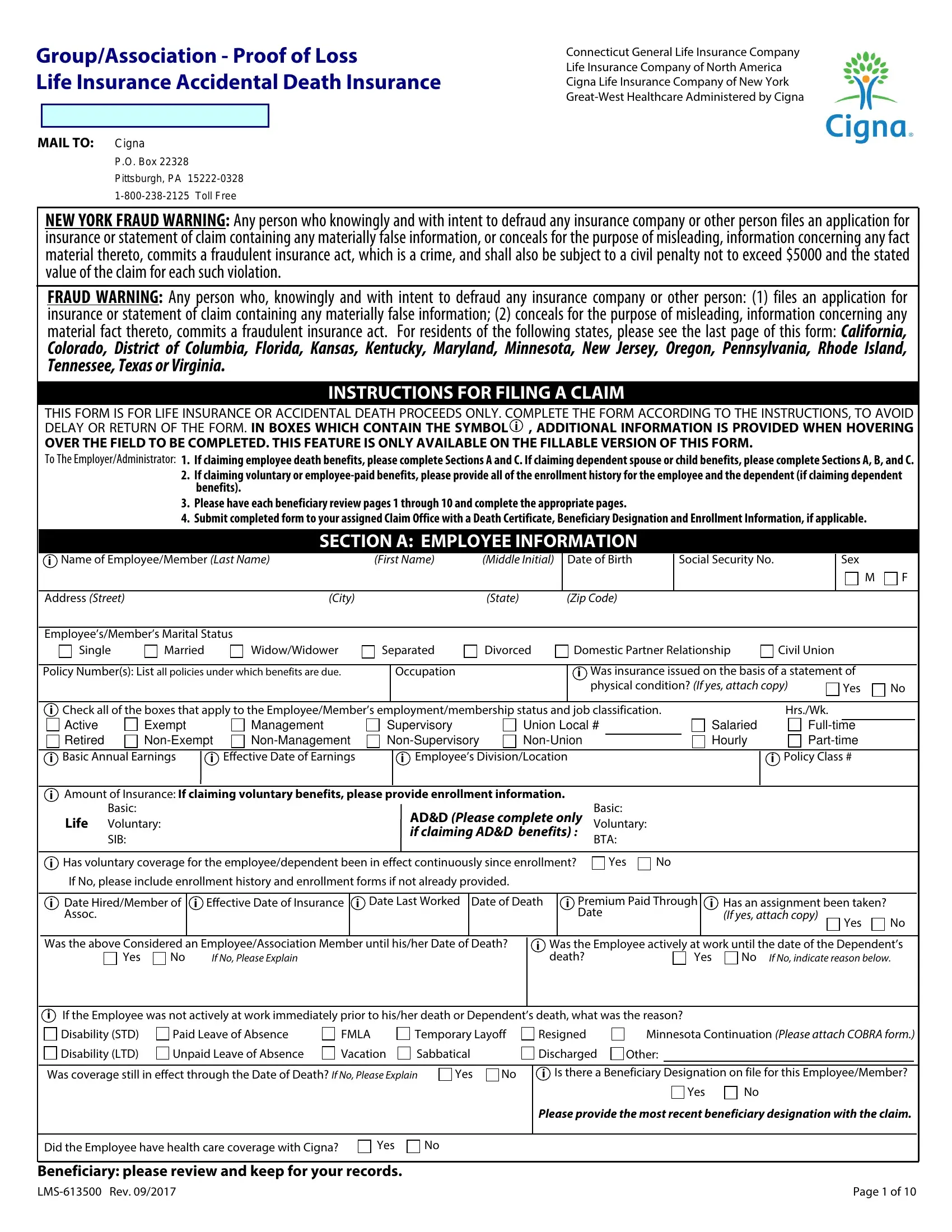
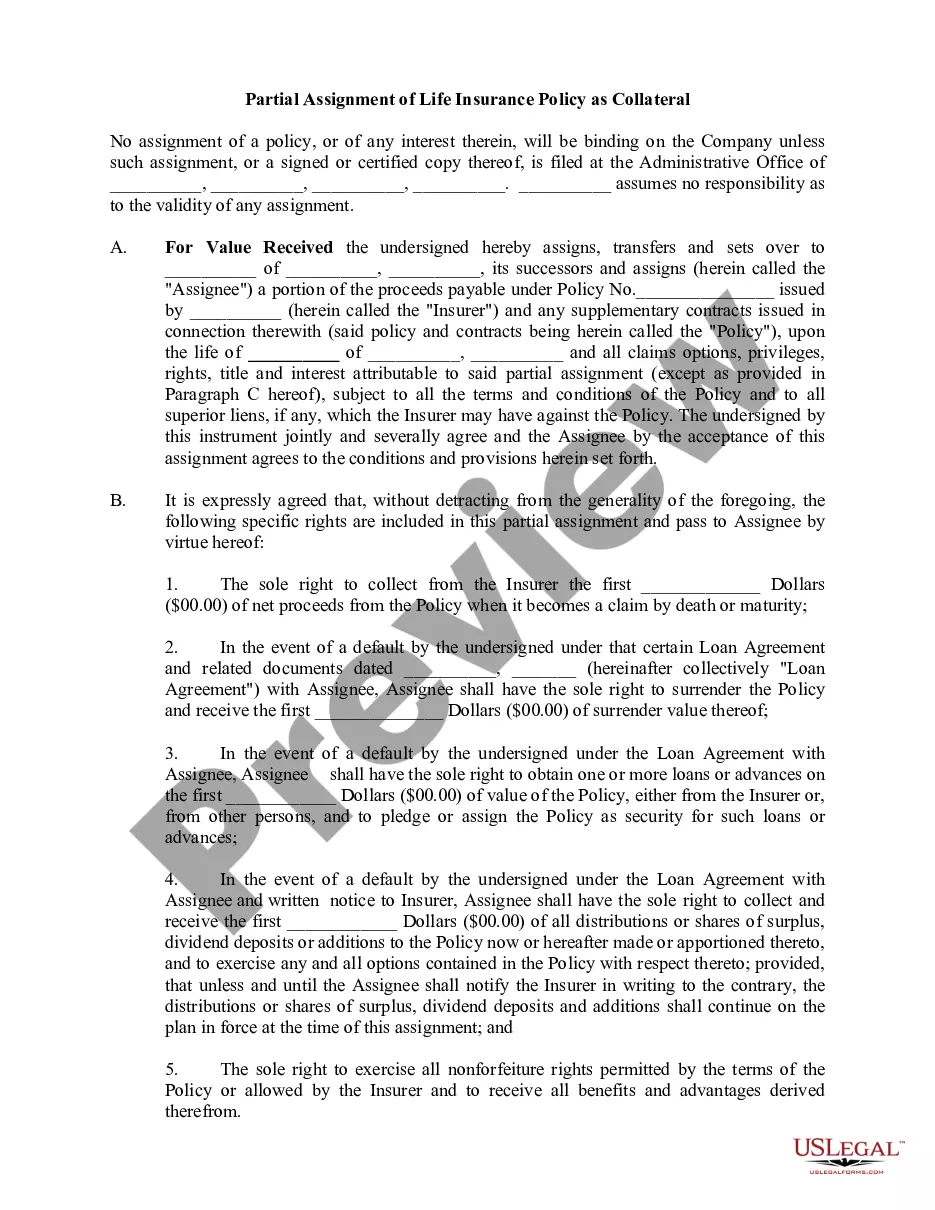
Acting on a life insurance form without a policy number is entirely possible by providing the insured individual’s Social Security Number, full legal name, date of birth, and state of residence. Insurance companies use these primary identifiers to locate policies within their internal databases, allowing you to proceed with claims, updates, or inquiries even when physical documentation is missing.
The loss of a life insurance policy number is a frequent challenge for beneficiaries and executors, especially during the emotional aftermath of a loved one's passing. While the policy number is the most efficient key to a file, it is not the only one. In 2026, the integration of digital records and state-mandated search tools has made it significantly easier to bridge the gap between a missing document and a successful claim. Whether you are attempting to file a death benefit claim, change a beneficiary, or surrender a policy for its cash value, the lack of a specific numerical code should not stop your progress.
The Importance of Identifying Information Over Policy Numbers
In the insurance industry, the policy number serves as a unique identifier for administrative ease. However, the foundational data tied to that number—the insured's demographic information—is what truly validates the contract. When you encounter a form with a blank "Policy Number" field, the insurance company's administrative department will initiate a "demographic match" process.
To facilitate this, you must gather as much of the following information as possible:
- Social Security Number (SSN): This is the single most critical piece of data. It is the primary key used by almost every domestic insurer to index their policyholder records.
- Full Legal Name: Include middle names, initials, and any former names (such as maiden names) the individual might have used when the policy was originally underwritten.
- Date of Birth and Death: These dates help differentiate between individuals with similar names and allow the insurer to verify the policy's status at the time of a claim.
- Address History: Knowing where the individual lived when they likely purchased the policy is vital, as many older records are still categorized by the state or region of issuance.
Step-by-Step Guide to Completing Forms Without a Policy Number
If you have a physical or digital form but are missing the policy number, follow these tactical steps to ensure the document is processed rather than rejected.
1. Leave the Field Blank or Mark as "Unknown"
Do not guess a policy number. Entering incorrect information can lead to automated rejections or significantly delay the manual review process. It is standard practice to leave the "Policy Number" box empty or write "Unknown/To be Searched" in the margin.
2. Attach a Comprehensive Cover Letter
A cover letter acts as your formal request for a policy search. In this letter, explain that the original policy documents are unavailable and provide the identifying details mentioned above. Explicitly state your relationship to the deceased (if filing a claim) or your legal authority (if acting as an executor or trustee).
3. Provide Supporting Documentation
If you are acting as a beneficiary, include a certified copy of the death certificate. If you are acting as a policyholder who has simply lost their paperwork, include a copy of your government-issued ID. Providing this "proof of identity" upfront builds trust and encourages the carrier's customer service team to perform a deeper search in their archives.
4. Direct the Form to the Correct Department
If you know the name of the insurance company but not the policy number, send your form to the "Policyholder Services" or "Claims Department" rather than a general corporate address. In 2026, many companies have dedicated "Lost Policy" units specifically designed to handle these scenarios.
Utilizing Search Tools and Registries
If you are unsure which insurance company even holds the policy, completing a form is the second step; the first is finding the insurer. Several high-authority resources exist to help you identify the carrier.
The NAIC Life Insurance Policy Locator
The National Association of Insurance Commissioners (NAIC) provides a free national service that allows individuals to submit a search request. Once submitted, the NAIC alerts participating insurance companies to search their records for a match. If a policy is found and you are a designated beneficiary or authorized representative, the company will contact you directly.
State Unclaimed Property Databases
If a life insurance policy remains unclaimed for a certain period (usually 3 to 7 years, depending on the state), the insurance company is legally required to turn the funds over to the state's treasury. This process is known as escheatment. You can search for these funds through the National Association of Unclaimed Property Administrators (NAUPA).
The MIB (Medical Information Bureau)
While the MIB does not store actual policy documents, it keeps records of life insurance applications made within the last seven years. If you suspect a policy was recently applied for or updated, a search through the MIB can point you toward the specific insurer.
Where to Look for Clues in Personal Records
Often, the policy number or the name of the insurer is hidden in plain sight within the insured's financial ecosystem. Before giving up on the policy number, conduct a targeted search of the following:
- Bank Statements: Look for recurring electronic transfers or check payments to entities with "Life," "Assurance," or "Mutual" in their names. Even a small monthly payment can lead you to the policy.
- Income Tax Returns: Review Federal Form 1040. If the policy was a "whole life" or "universal life" product that earned interest or dividends, there may be a 1099-INT form from the insurance company.
- Employer Records: Many people hold group life insurance through their workplace. Contact the Human Resources department of the insured's last known employer. They may have records of "Basic Life" or "Voluntary Life" coverage, along with the policy number for the group contract.
- Professional Associations: Members of groups like the American Bar Association (ABA) or local unions often have access to discounted life insurance. Check membership cards or annual dues statements for mentions of insurance benefits.
Comparison of Methods to Locate Missing Policy Details
The following table summarizes the most effective ways to act when a policy number is missing, ranked by the type of information you currently possess.
| Current Situation | Best Action Step | Primary Resource | Estimated Resolution Time |
|---|---|---|---|
| Know the Insurer, No Number | Submit form with SSN/DOB | Carrier's Claims Department | 10–20 Business Days |
| Unsure of the Insurer | National Database Search | NAIC Locator Service | Up to 90 Days |
| Old Policy (5+ Years) | Search State Records | MissingMoney.com | 30–60 Days |
| Recent Application | Check Medical Records | MIB Consumer Files | 10–15 Business Days |
| Workplace Coverage | Contact Former Employer | HR / Benefits Department | 5–10 Business Days |
Managing Corporate Mergers and Name Changes
A common reason for missing policy numbers is that the original company no longer exists under its initial name. The insurance industry has seen massive consolidation over the last several decades. For example, a policy originally issued by a small local firm in the 1980s may now be owned by a global conglomerate.
When acting on a form for a company that has been acquired:
- Verify the Successor: Use the A.M. Best Company or your State Department of Insurance to track the history of the company.
- Use the Old Name: If you are filling out a generic form, mention the original company name in your cover letter.
- Address Conflicts: If you have an old policy number but the new company claims it is invalid, it may be because they reformatted all account numbers during the merger. In this case, your SSN remains the only reliable bridge between the old system and the new one.
Legal and Practical Considerations for Claimants
When acting without a policy number, you must be prepared for additional scrutiny. Insurance companies are "fiduciaries," meaning they have a legal obligation to ensure benefits are paid to the correct person.
The Role of the Executor: If you are the executor of an estate, you have the legal right to request policy details that a standard beneficiary might not. You will need to provide "Letters Testamentary" or "Letters of Administration" alongside your request.
Privacy Laws: Insurers are strictly bound by privacy regulations (such as HIPAA and various state-level privacy acts). If they cannot find a policy or if you are not the named beneficiary, they are often legally prohibited from telling you anything other than "no policy found." Do not interpret a "no match" response as definitive if you have strong evidence (like bank statements); instead, double-check the SSN provided and resubmit.
Common Mistakes to Avoid
- Forgetting "Paid-Up" Policies: Many older policies were "limited pay," meaning the insured stopped paying premiums decades ago but the coverage remains in force. Don't assume a lack of recent bank activity means the policy lapsed.
- Ignoring Small Policies: Burial insurance or "final expense" policies often have different numbering systems. If you find a small monthly premium, treat it with the same importance as a large term policy.
- Incomplete SSN: Never attempt to "reconstruct" a Social Security Number. An error in even one digit will result in a failed database match.
Frequently Asked Questions
Can I file a claim if I only have the insured's name?
While possible, it is significantly more difficult. Without an SSN or policy number, the insurer may find multiple "John Smiths." You will need to provide a precise date of birth, previous addresses, and perhaps the names of parents or spouses to help the company narrow down the search.
Does the NAIC search cost money?
No. The NAIC Life Insurance Policy Locator is a free service provided to the public. You should be wary of third-party websites that charge a fee to search for lost policies; they are often simply using the same free tools available to you.
How long do insurance companies keep records of old policies?
Most companies maintain records indefinitely if the policy is "in force" or "paid up." If a policy lapsed due to non-payment, records might be archived or purged after 7 to 10 years, depending on state regulations and the type of policy.
What if the insurance company has gone bankrupt?
Life insurance is heavily regulated at the state level. If a company fails, the State Guaranty Association usually takes over the obligations to ensure policyholders and beneficiaries are still paid, up to certain statutory limits. You can find your local contact through the National Organization of Life and Health Insurance Guaranty Associations (NOLHGA).
Can I update a beneficiary designation without a policy number?
Yes, provided you are the policy owner. You will need to verify your identity through your SSN and government ID. The company will then provide you with the policy number and the necessary "Change of Beneficiary" forms.
Final Recommendation
If you are facing a life insurance form without a policy number, your first action should be to gather the insured's Social Security Number and full address history. Use these details to contact the insurance company’s customer service line directly before mailing any forms. By speaking with a representative first, you can often obtain the policy number over the phone (after passing a security verification), which will make the subsequent paperwork process much smoother and significantly faster.