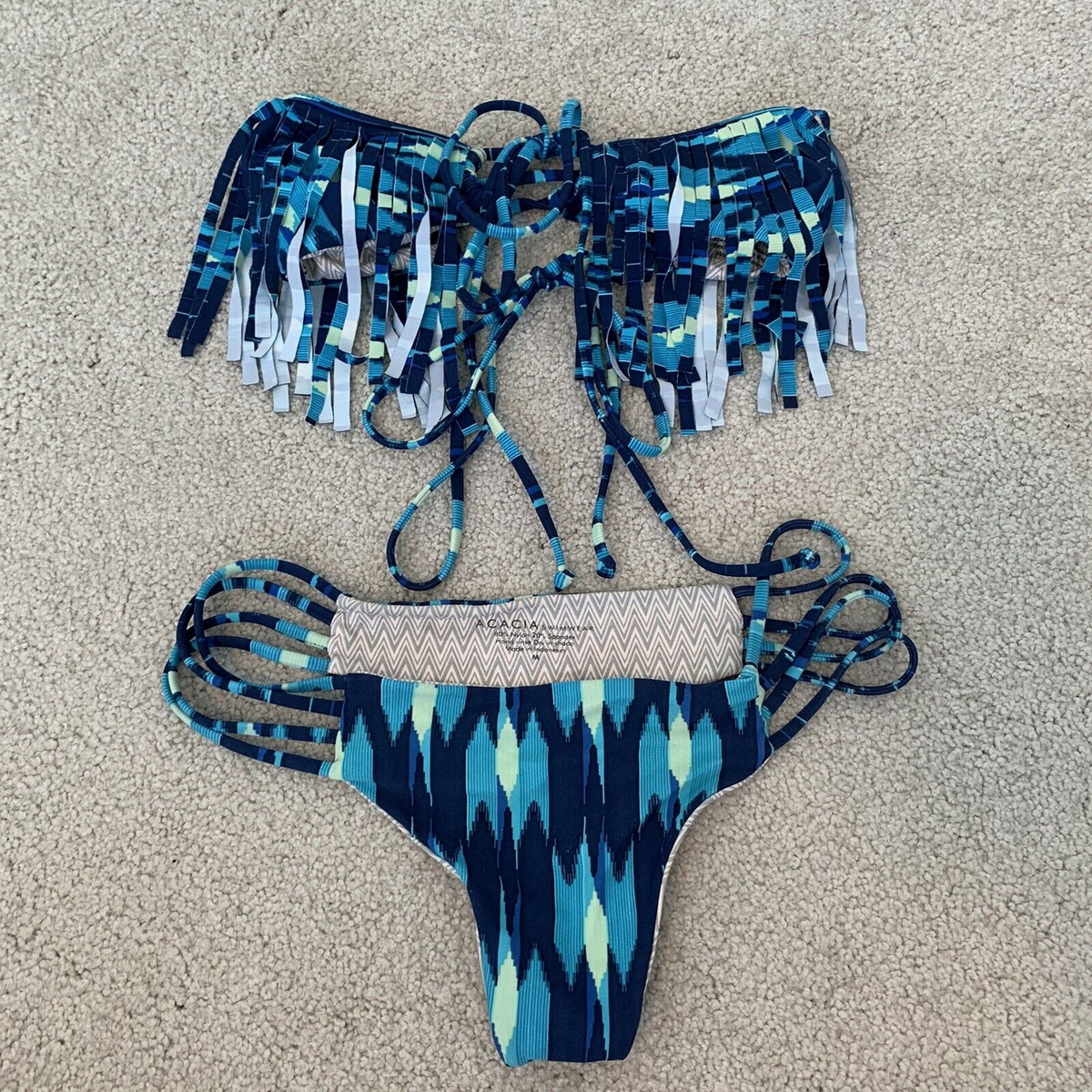
Discussions surrounding Acacia Swimwear net worth typically center on the brand’s valuation, founders' equity, and independent market performance rather than an officially published corporate financial statement. Founded by Naomi Newirth and Shenae Morrissey, Acacia carved out a distinct niche in the global swimwear market with its signature Brazilian cuts, low-rise silhouettes, and muted, sophisticated color palettes. Evaluating the financial standing of a privately held fashion label requires analyzing retail pricing strategies, wholesale distribution networks, digital direct-to-consumer growth, and broader economic benchmarks within the independent apparel sector.
The Origins and Market Positioning of Acacia Swimwear
The trajectory of Acacia Swimwear began with a distinct vision for luxury resort wear that departed from standard mass-market offerings. Launched in the early 2010s, the brand disrupted the swimwear industry by introducing seamless, unlined, and hardware-free designs that appealed to a fashion-forward demographic. This aesthetic positioning allowed the company to command premium price points, placing its products firmly in the luxury and high-end contemporary swimwear category.
Understanding the enterprise value of such a label necessitates examining how market positioning dictates margins. Unlike fast-fashion retailers that rely on high-volume, low-margin inventory turns, independent luxury swimwear brands operate on lower production volumes with higher per-unit gross margins. By focusing on intricate prints, custom textiles, and unique tailoring, Acacia built a loyal consumer base that proved willing to pay upwards of $100 to $200 or more for individual bikini tops and bottoms. This pricing power forms the foundation of the brand's revenue generation and overall market presence.
Distribution Channels: Wholesale Versus Direct-to-Consumer
The revenue architecture of independent apparel brands typically relies on a dual-distribution model:
- Wholesale Partnerships: Supplying high-end boutiques, specialty resort gift shops, and major department stores. Wholesale accounts provide wide geographic reach and substantial initial order volumes, though retailers typically purchase inventory at a standard keystone discount.
- Direct-to-Consumer (DTC) E-Commerce: Selling directly to buyers through an online storefront. While DTC channels require digital marketing investments and fulfillment overhead, they capture significantly higher gross margins per transaction and build direct customer data relationships.
Balancing these channels dictates cash flow stability. Wholesale orders provide predictable cash infusions ahead of seasonal delivery windows, whereas e-commerce sales offer continuous, real-time demand signals and immediate margin realization.
Valuing Privately Held Fashion Labels: Methods and Challenges
Publicly traded apparel conglomerates publish detailed financial reports, making market capitalization straightforward to calculate. For privately held enterprises like Acacia Swimwear, determining an exact net worth or corporate valuation is inherently speculative because private owners are under no legal obligation to disclose internal financial audits, revenue figures, or net profit margins.
Financial analysts typically estimate the valuation of independent apparel brands by applying industry-standard multiples to comparable market transactions, estimated annual revenues, and asset portfolios. Key valuation metrics include:
- Price-to-Earnings (P/E) Multiples: Applied if net income figures are reliably estimated based on industry benchmarks.
- Price-to-Sales (P/S) Multiples: Often used for growing brands where profitability fluctuates due to heavy reinvestment in inventory and marketing.
- Brand Equity and Intellectual Property: Factoring in proprietary prints, trademarked cuts, and domain authority within search ecosystems.
| Valuation Metric | Standard Application in Apparel | Relevance to Independent Swimwear |
|---|---|---|
| Revenue Multiple | Valuing a company as a multiple of its gross annual sales. | Useful for private labels experiencing rapid scale where exact net profits are private. |
| EBITDA Multiple | Evaluating earnings before interest, taxes, depreciation, and amortization. | Provides a clearer picture of operational profitability and core business health. |
| Asset-Based Valuation | Assessing the total value of physical inventory, equipment, and real estate. | Less relevant for asset-light apparel brands whose primary value lies in intangible brand equity. |
Economic Realities and Operating Costs in the Swimwear Industry
Operating a high-end swimwear brand involves complex supply chain logistics, seasonal inventory risks, and substantial overhead costs. A comprehensive view of Acacia Swimwear's financial ecosystem requires accounting for these underlying operational factors:
- Sourcing and Manufacturing: Premium swimwear requires specialized fabrics, such as high-grade nylon-spandex blends that offer UV protection, chlorine resistance, and four-way stretch. Sourcing these textiles from reputable mills adds to baseline production costs. Furthermore, ethical manufacturing labor and specialized stitching techniques increase per-unit production expenses compared to basic garment manufacturing.
- Inventory Management and Seasonality: Swimwear is inherently seasonal, with the vast majority of retail demand concentrated in the spring and summer months. Brands must forecast demand months in advance, locking up capital in inventory. Over-forecasting leads to deep end-of-season discounting, which compresses profit margins, while under-forecasting results in stockouts and missed revenue opportunities.
- Marketing and Customer Acquisition Costs: In a crowded digital marketplace, customer acquisition costs (CAC) for e-commerce brands have steadily risen. Maintaining visibility requires targeted digital advertising, influencer partnerships, and professional lookbook photography, all of which directly impact net operating income.
Founder Contributions and Brand Identity
The perceived net worth of a fashion label is often closely tied to the public profiles of its founders. Naomi Newirth and Shenae Morrissey built Acacia not merely as a commercial enterprise, but as a lifestyle brand infused with surf culture and island aesthetics. The founders' ongoing creative direction and personal branding contribute significantly to the intangible asset value of the company.
When consumers resonate with the lifestyle associated with a brand, brand loyalty increases, reducing long-term customer acquisition costs and stabilizing repeat purchase rates. This organic affinity represents a major component of what an outside investor would evaluate when considering a potential acquisition or equity stake in the company.
Frequently Asked Questions
What is the exact net worth of Acacia Swimwear?
There is no publicly verified figure for the net worth of Acacia Swimwear. As a privately held company, its financial statements, revenue reports, and profit margins are not a matter of public record. Any figures found online are speculative estimates.
Who founded Acacia Swimwear?
Acacia Swimwear was founded by designers Naomi Newirth and Shenae Morrissey. The duo launched the brand with a focus on innovative cuts, minimal coverage silhouettes, and unique prints inspired by their travels and surf backgrounds.
Where are Acacia Swimwear products manufactured?
High-end swimwear brands typically partner with specialized manufacturing facilities that possess the technical machinery required to handle stretch fabrics and seamless stitching. Specific manufacturing partnerships vary by production run and collection.
How does Acacia Swimwear generate its revenue?
The brand generates revenue through a combination of wholesale partnerships with specialty boutiques and high-end department stores, alongside direct-to-consumer sales via its official e-commerce platform.
Is Acacia Swimwear a publicly traded company?
No, Acacia Swimwear remains a privately owned enterprise. Therefore, its shares are not available on any public stock exchange, and its financial details remain confidential.
Next Actions and Market Monitoring
For individuals analyzing the business of independent swimwear, understanding financial health requires looking beyond speculative net worth figures. Instead, observe key operational indicators such as retail partnerships, international stockists, collection expansion into resort wear, and digital marketing strategies. Monitoring these practical metrics offers a reliable framework for assessing the market position and durability of contemporary apparel brands.