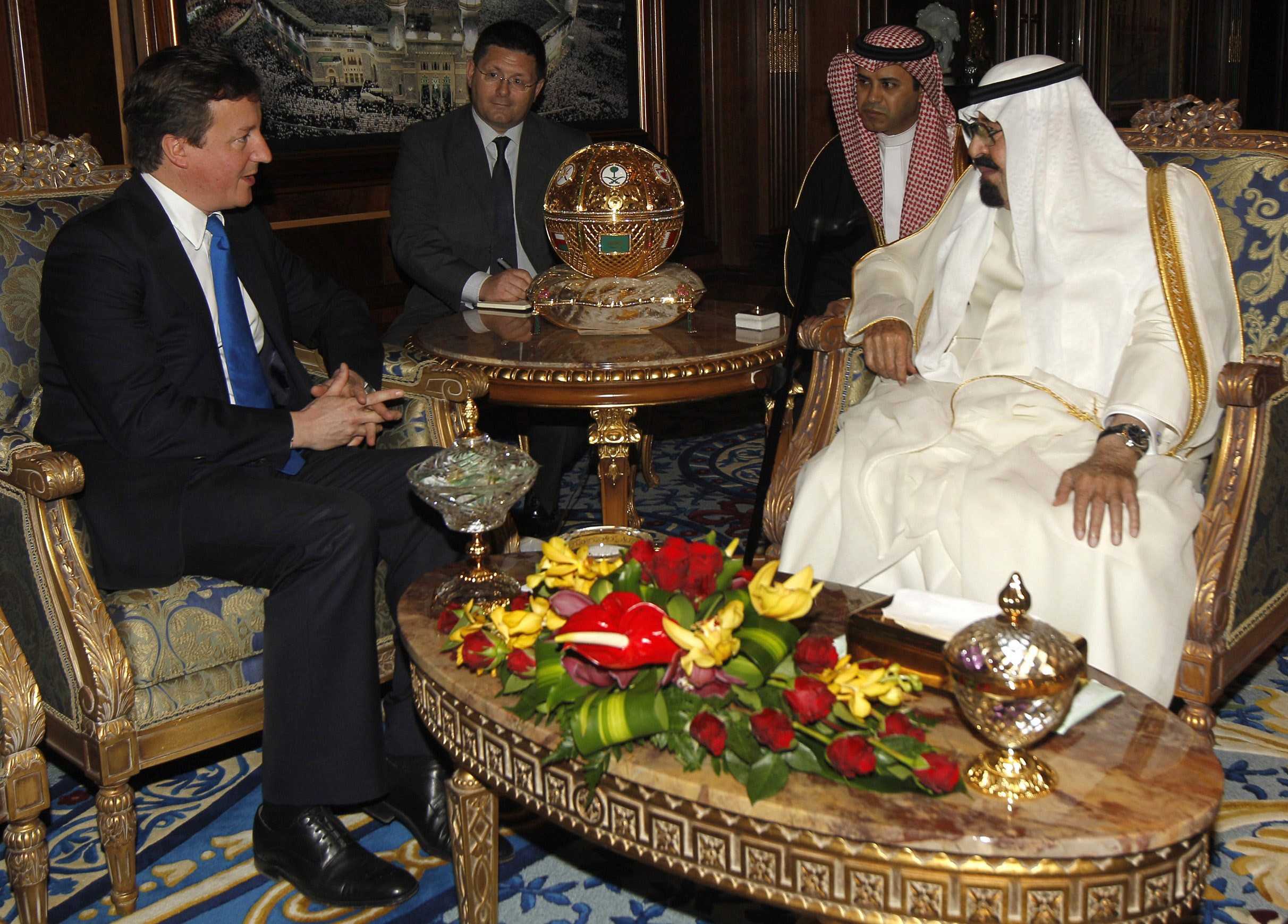
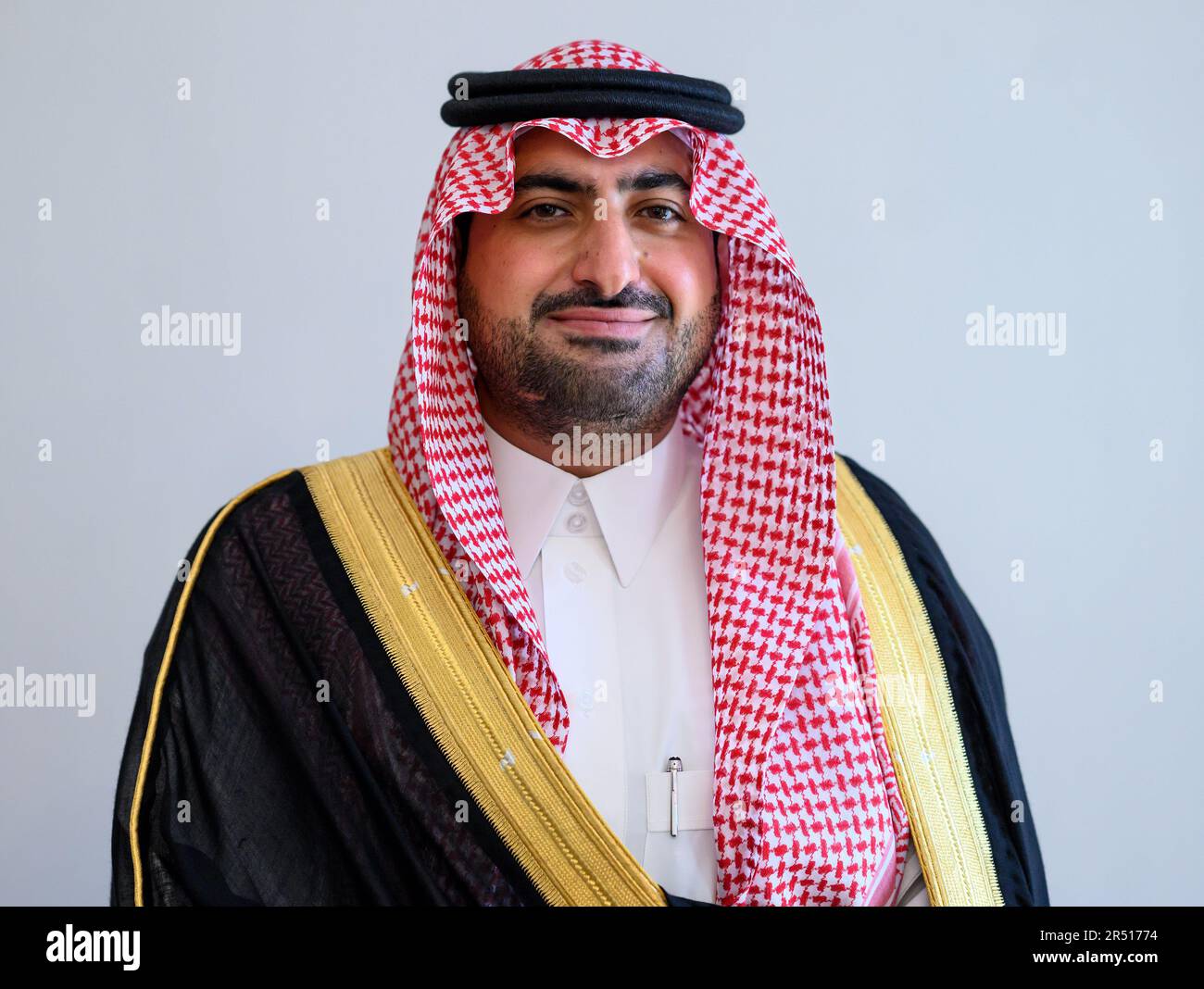
At the time of his death in January 2015, King Abdullah bin Abdulaziz Al Saud had an estimated net worth of approximately $18 billion to $21 billion. His immense fortune was primarily derived from the Saudi state’s vast petroleum reserves, extensive real estate holdings, and various international investment portfolios managed by the Al Saud royal family.
The Foundation of King Abdullah’s Personal Fortune
To understand the net worth of King Abdullah bin Abdulaziz Al Saud, one must first distinguish between the personal wealth of the monarch and the sovereign wealth of the Kingdom of Saudi Arabia. In absolute monarchies, these lines are often blurred, but financial analysts from organizations like Forbes and Bloomberg historically categorized his wealth based on his share of royal stipends, land ownership, and private investments.
King Abdullah ascended to the throne in 2005, though he had been the de facto ruler since 1995 following King Fahd’s stroke. During his reign, the price of oil reached record highs, significantly inflating the national treasury and, by extension, the resources available to the senior members of the House of Saud. The core of his wealth was rooted in the control of Saudi Aramco, the world’s most valuable oil company, which remained entirely state-owned during his lifetime.
The Role of Petroleum and Saudi Aramco
While Saudi Aramco is a state entity, the King, as the ultimate authority, maintained significant control over its revenues. During the early 2010s, the Saudi economy benefited from oil prices exceeding $100 per barrel. This revenue didn't just fund the government; it supported the elaborate system of stipends that fuels the lifestyle of the thousands of princes within the Al Saud family. As the head of the family and the state, Abdullah occupied the pinnacle of this financial hierarchy.
Real Estate and International Assets
Beyond oil, King Abdullah’s net worth was tied to massive real estate holdings. This included numerous palaces across Riyadh, Jeddah, and Casablanca, as well as high-value properties in Europe. Many of these assets were not merely residences but functional hubs for diplomacy and governance. His personal property portfolio was estimated to be worth several billion dollars, factoring in the land value in the rapidly developing Saudi urban centers.
Economic Policy and Wealth Generation During His Reign
King Abdullah's tenure was marked by a series of economic reforms intended to diversify the Saudi economy, though oil remained the primary engine of wealth. These initiatives, while national in scope, often involved private-public partnerships that reinforced the financial standing of the royal family.
King Abdullah Economic City (KAEC)
One of his most ambitious projects was the King Abdullah Economic City, a $100 billion mega-project located along the Red Sea. While this was a national endeavor, the development involved significant private investment and land grants that impacted the broader valuation of royal assets. By the year 2026, many of the foundations laid during his reign have matured into the logistics and manufacturing hubs that support the current Vision 2030 initiatives.
The King Abdullah University of Science and Technology (KAUST)
In 2009, the King established KAUST with an initial endowment of $10 billion. This was one of the largest educational endowments in the world, rivaling those of Harvard and Yale. While this money was designated for the university, it showcased the scale of the liquid capital at the King’s disposal and his ability to move massive sums of money into long-term investment vehicles.
Comparing World Leaders: Historical Net Worth Context
It is helpful to view King Abdullah's wealth in relation to other contemporary monarchs and heads of state. Historically, the Saudi King was consistently ranked among the top three wealthiest royals globally, often trading places with the Sultan of Brunei or the King of Thailand.
| Entity | Estimated Peak Net Worth | Primary Source of Wealth |
|---|---|---|
| King Abdullah (Saudi Arabia) | $18B - $21B | Oil, Real Estate, Royal Stipends |
| Sultan Hassanal Bolkiah (Brunei) | $20B - $25B | Oil and Gas Reserves |
| King Maha Vajiralongkorn (Thailand) | $30B - $43B | Crown Property Bureau Investments |
| Sheikh Khalifa (UAE) | $15B - $18B | Sovereign Wealth and Petroleum |
| Queen Elizabeth II (UK) | $500M - $600M | Land, Art, Personal Investments |
Note: Estimates vary by source and often exclude state-owned assets held in trust for the nation.
The Management of Royal Wealth: Transparency and Structure
The financial management of the House of Saud is notoriously opaque. Unlike Western public officials, Saudi monarchs do not release public tax returns or detailed personal balance sheets. Most data regarding King Abdullah's net worth came from intelligence reports, diplomatic cables (such as those released by WikiLeaks), and historical tracking by wealth researchers.
The "Royal Diwan" acts as the primary administrative office for the King, managing both state business and the personal affairs of the monarch. Under King Abdullah, the Diwan oversaw the distribution of oil wealth into various infrastructure projects, which often had the secondary effect of increasing the value of royal-owned land surrounding these developments.
The Distinction Between Personal and Sovereign Assets
In 2026, analysts looking back at the 2005–2015 period highlight the difficulty in separating the King's personal bank accounts from the "Sovereign Wealth" managed by the Public Investment Fund (PIF). During Abdullah’s time, the PIF was less active internationally than it is today, but it still held billions in domestic assets that were effectively under the King's control.
Philanthropy and the King Abdullah Foundation
A significant portion of King Abdullah's wealth was directed toward the King Abdullah bin Abdulaziz International Foundation for Humanitarian Works. This organization was established to oversee his philanthropic legacy. The foundation focuses on several key areas:
- Education: Funding scholarships and global research initiatives.
- Health: Building specialized hospitals and funding medical research.
- Disaster Relief: Providing aid to regions affected by natural disasters, regardless of their religious or political affiliation.
- Interfaith Dialogue: Supporting the KAICIID Dialogue Centre in Vienna.
The endowment for this foundation is believed to consist of several billion dollars from his personal estate, ensuring that his financial influence persists long after his passing.
Inheritance and the Transition of Wealth in 2015
When King Abdullah passed away in January 2015, the transition of power to King Salman bin Abdulaziz was seamless, but the distribution of his personal fortune was a private matter within the royal family. Under Sharia law, inheritance is typically divided among numerous heirs, including wives, sons, and daughters.
King Abdullah had more than 30 children, meaning his multi-billion dollar estate was likely fragmented into smaller, though still substantial, fortunes for his descendants. This fragmentation is one reason why, in the years following 2015, individual Saudi princes may appear lower on global "rich lists" even if the family's collective wealth remains in the trillions.
Economic Legacy: From Abdullah to the Modern Era
While $18 billion to $21 billion is the figure usually cited for his net worth, his true financial impact was measured in the trillions of dollars of GDP generated under his watch. He steered the country through the 2008 global financial crisis with minimal domestic damage, largely due to the massive cash reserves he insisted on maintaining.
By the time of his death, Saudi Arabia had foreign exchange reserves exceeding $700 billion. Although this was not his personal money, his conservative fiscal management ensured the stability of the Saudi Riyal and the continued wealth of the nation’s elite.
Common Misconceptions About the King’s Wealth
Many people confuse the total assets of the House of Saud (estimated at $1.4 trillion) with the personal net worth of the King. While the King has access to the family's resources, his personal net worth—money he could theoretically spend or bequeath at his own discretion—was much smaller than the family's total valuation.
Another misconception is that the King's wealth was entirely liquid. A vast majority was tied up in non-liquid assets such as land, infrastructure, and equity in diversified global companies. This made his "cash on hand" much lower than the headline $18 billion figure might suggest.
Frequently Asked Questions
Was King Abdullah the richest person in the world?
No. While he was among the wealthiest monarchs, he was never the richest person in the world. During his reign, individuals like Bill Gates, Carlos Slim, and Warren Buffett typically held higher net worths, often exceeding $50 billion to $70 billion, compared to the King's $18 billion to $21 billion.
How did oil prices affect King Abdullah's net worth?
Oil prices had a direct correlation with the King's wealth. High oil prices increased the government's budget surplus, which allowed for larger allocations to the royal family's stipends and more significant investments in the King's personal projects and estates.
What happened to his wealth after he died?
His wealth was distributed among his heirs according to Islamic inheritance laws and contributed to the endowment of the King Abdullah Foundation. Unlike a corporate CEO, a monarch's "wealth" often stays within the family institution to maintain the monarchy's influence and lifestyle.
Did he own Saudi Aramco?
No, Saudi Aramco is a state-owned enterprise. However, as an absolute monarch, King Abdullah had ultimate authority over the company’s strategic decisions and the allocation of its profits. The company's value was not included in his personal net worth calculations.
How many palaces did King Abdullah own?
The exact number is not publicly disclosed, but it is known that he had primary palaces in Riyadh (Rawdat Khuraim), Jeddah, and several summer residences. He also had access to a network of royal guesthouses and international properties.
Summary of Financial Standing
King Abdullah’s financial legacy is defined by a period of unprecedented prosperity for the Saudi Kingdom. While his personal net worth of ~$20 billion placed him among the world's elite, his real influence lay in his stewardship of the world's largest oil exporter during a decade of high prices and significant regional change.
For those researching the history of royal wealth, King Abdullah represents a bridge between the traditional, land-and-oil-based wealth of the 20th century and the diversified, investment-heavy approach currently seen in the Middle East.
Next Steps for Researchers: To gain a deeper understanding of the Al Saud family's current financial trajectory, it is recommended to review the annual reports of the Public Investment Fund (PIF) and the historical wealth rankings provided by Forbes and Bloomberg.