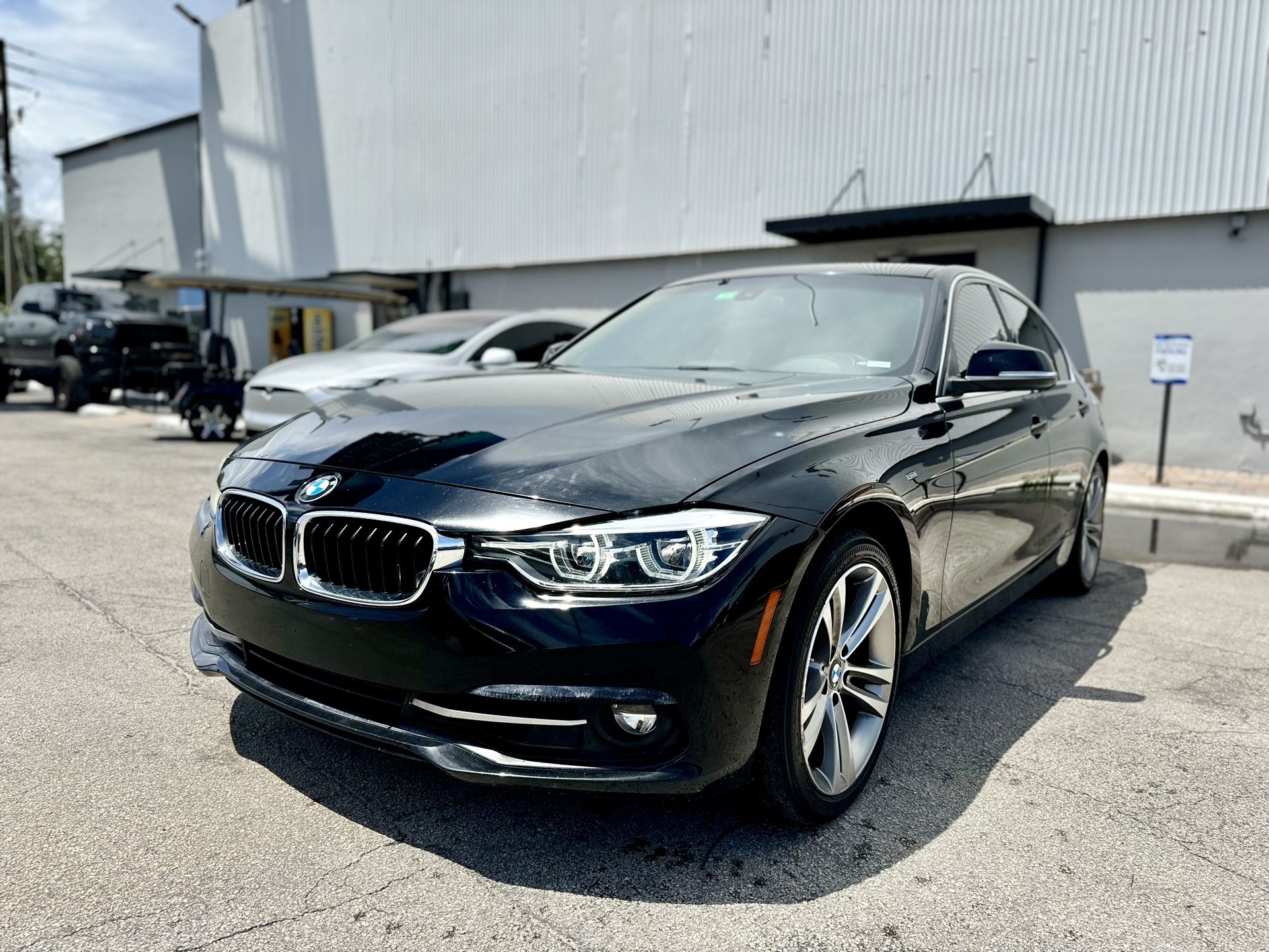
The 2018 BMW 330i is widely regarded as one of the most reliable modern 3 Series models, primarily due to the robust B48 engine replacing the predecessor's problematic N20. While it avoids catastrophic mechanical failures, owners in 2026 should anticipate cooling system maintenance and premium service costs as these vehicles exceed 100,000 miles.
Understanding the F30 Generation’s Peak
As we navigate the automotive landscape of 2026, the 2018 BMW 330i stands out as a "sweet spot" for enthusiasts and used-car buyers alike. This model year represents the final full year of production for the F30 generation. Historically, the final years of a BMW chassis are the most reliable because the manufacturer has had nearly seven years to identify and rectify production flaws, software glitches, and component weaknesses.
Unlike the earlier 328i models which featured the N20 engine—notorious for timing chain guide failures—the 2018 330i utilizes the B48 modular engine. This shift in architecture changed the reputation of the 3 Series from a vehicle that required constant vigilance to one that can comfortably serve as a high-mileage daily driver, provided the owner adheres to a strict maintenance protocol.
Insight 1: The B48 Engine’s Superior Architecture
The heart of the 2018 330i is the B48 2.0-liter turbocharged inline-four engine. In 2026, with many of these engines having surpassed the 100,000-mile mark, the data suggests this is one of BMW’s most resilient four-cylinder powerplants.
The B48 features a closed-deck design, which means the engine block is more rigid and can handle higher pressures and heat cycles more effectively than the older open-deck designs. This structural integrity is a primary reason why we see fewer head gasket issues or warped blocks in this generation. Furthermore, the timing chain is located at the back of the engine. While this makes it harder to access if a repair is needed, the design itself is far more robust than the previous generation, with almost no reports of the premature guide failures that plagued the 2012–2015 models.
Insight 2: The Vulnerability of the Cooling System
Despite the mechanical excellence of the engine, the 2018 BMW 330i remains a BMW, meaning its cooling system is its "Achilles' heel." By 2026, most 2018 models have experienced enough heat cycles for the plastic components in the cooling system to become brittle.
The most frequent failure point is the coolant vent hose (the thin line running from the expansion tank to the cylinder head). It is prone to snapping without warning, which can lead to rapid coolant loss and engine overheating. Owners should also monitor the coolant expansion tank itself for hairline cracks and the water pump for slow leaks. In the context of 2026 maintenance, replacing the plastic cooling components preventatively at 80,000 to 90,000 miles is considered standard practice for ensuring long-term reliability.
Insight 3: The ZF 8-Speed Transmission's Longevity
One of the most reliable components of the 2018 330i is the ZF 8HP automatic transmission. This gearbox is used by various high-end manufacturers because of its lightning-fast shifts and proven durability.
However, a point of contention in 2026 is the "lifetime" fluid claim made by BMW. While BMW suggests the transmission fluid never needs changing, ZF (the manufacturer of the transmission) recommends a fluid and filter service every 60,000 to 80,000 miles or every eight years. Since 2018 models are now eight years old, owners who have performed this service generally report smoother shifting and a complete lack of the "shuddering" that can occur in neglected high-mileage units. Ignoring this service can lead to solenoid wear, which is a significantly more expensive repair than a simple fluid flush.
Insight 4: The Plastic Oil Filter Housing Issue
A specific reliability insight that often catches 330i owners off guard is the oil filter housing. On the B48 engine, this component is made of plastic and is located in a high-heat environment near the engine block.
Over time, the plastic housing can warp or develop cracks, leading to both oil and coolant leaks. Because the housing manages both fluids, a failure can sometimes lead to "intermixing," where oil enters the cooling system. In 2026, this is a common mid-life repair for the F30. The repair is labor-intensive because the intake manifold usually needs to be removed to access the housing. If you notice a faint smell of burnt oil or see blue-green crusting around the engine block, the housing is likely the culprit.
Insight 5: Electronics and iDrive 6 Stability
By 2018, BMW’s infotainment system, iDrive 6, had reached a high level of maturity. Unlike the earlier versions that suffered from slow processing and frequent crashes, the system in the 2018 330i is remarkably stable.
In 2026, the primary electronic concerns are not software-based but hardware-based. Some owners report "ghost touching" on the navigation screen or localized delamination of the display. Additionally, the battery health is a major factor in electronic reliability. BMWs are highly sensitive to voltage drops. If the battery is older than four or five years, it can trigger a cascade of "false" error codes ranging from restraint system malfunctions to chassis stabilization warnings. Replacing the battery and "registering" it to the car’s computer system is essential for maintaining electronic harmony.
Insight 6: Suspension and Run-Flat Tire Impact
The 2018 BMW 330i came standard with run-flat tires. While these provide a safety margin during a puncture, they have a significant impact on the long-term reliability of suspension components.
The stiff sidewalls of run-flat tires transmit more road shock directly into the suspension. By 2026, many 330i owners find that their front thrust arm bushings (often called tension struts) have leaked their hydraulic fluid or cracked. This leads to a "clunking" sound over bumps or a vibration in the steering wheel during braking. Transitioning to standard pneumatic tires is a popular reliability "hack" among owners; it not only improves ride quality but also extends the life of the bushings, struts, and even the steering rack by reducing the harshness of impacts.
Insight 7: Maintenance Costs vs. Reliability
It is crucial to distinguish between reliability (the frequency of unexpected failures) and maintenance (the cost of keeping the car running). The 2018 330i is reliable, but it is not inexpensive to maintain.
In 2026, a 330i that has reached 100,000 miles requires several high-cost items to remain dependable. These include spark plugs, ignition coils, drive belts, and brake rotors. Because BMW uses high-carbon rotors, they cannot typically be "turned" or resurfaced like those on a domestic sedan; they must be replaced. Utilizing independent European auto specialists rather than dealerships is the primary way owners manage these costs without sacrificing the quality of parts or labor.
Insight 8: Evaluating the Steering Rack Concerns
A final insight for the 2018 model relates to the Electronic Power Steering (EPS) system. Some F30 models have been known to develop a "knock" or "play" in the steering rack when driving over uneven surfaces.
While this was a more prominent issue in the 2012–2015 models, 2018 owners should still be aware of it. BMW released a "repair kit" for the steering rack thrust piece that addresses this looseness without requiring a full rack replacement. In 2026, if you experience a rattling sensation through the steering wheel on gravel roads, this inexpensive repair kit is usually the solution, rather than a multi-thousand-dollar steering gear replacement.
Maintenance and Reliability Comparison Table
The following table outlines the expected reliability status and maintenance requirements for the 2018 BMW 330i as of 2026.
| Component | Reliability Rating | Typical Failure Window | Estimated Repair Cost (Indy Shop) | Recommendation |
|---|---|---|---|---|
| B48 Engine Block | Excellent | 200,000+ Miles | N/A | Use BMW LL-01 Certified Oil |
| Coolant Vent Hose | Poor | 60,000–80,000 Miles | $150 – $250 | Replace preventatively |
| ZF 8HP Transmission | Excellent | 150,000+ Miles | $600 (Service) | Change fluid every 80k miles |
| Oil Filter Housing | Fair | 80,000–110,000 Miles | $800 – $1,200 | Check for leaks at every oil change |
| Thrust Arm Bushings | Good | 70,000–90,000 Miles | $400 – $600 | Inspect for fluid leaks/cracks |
| iDrive 6 Hardware | Excellent | Lifetime | $500 (Used Part) | Keep software updated |
| Turbocharger | Good | 120,000–150,000 Miles | $1,800 – $2,500 | Allow engine to idle before shutoff |
| Fuel Injectors | Good | 100,000+ Miles | $1,200 (Set of 4) | Use Top Tier high-octane fuel |
Frequently Asked Questions
Is the 2018 BMW 330i more reliable than the 340i?
The 2018 330i (B48 engine) and the 340i (B58 engine) share very similar modular architectures. Both are considered highly reliable. The 330i is slightly simpler and has more room in the engine bay, which can sometimes lead to lower labor costs for certain repairs. However, the B58 in the 340i is legendary for its durability. Between the two, the 330i is excellent, but the 340i is often cited as the "gold standard" for modern BMW reliability.
Does the 2018 330i have the timing chain issue?
No. The 2018 330i uses the B48 engine, which corrected the timing chain guide flaws found in the N20 engine (used in the 328i from 2012–2015). While no mechanical part is truly "fail-proof," the timing chain in the 2018 330i is designed to last the life of the engine and does not require preventative replacement.
Can I daily drive a 2018 330i with 100,000 miles in 2026?
Yes, the 2018 330i is a very capable daily driver at high mileage. The key is ensuring that the cooling system has been refreshed and the transmission fluid has been changed. If these two items are addressed, the car is likely to remain reliable for several more years. You should, however, budget approximately $1,500 to $2,000 annually for "wear and tear" maintenance to keep it in peak condition.
What should I look for when buying a used 2018 330i today?
The most important step is a Pre-Purchase Inspection (PPI) by a technician with a BMW-specific diagnostic tool (like ISTA). They should look for stored codes related to "coolant pump deviation," check the oil filter housing for leaks, and inspect the flex discs (guibo) on the driveshaft for cracking. A clean service history showing oil changes every 5,000 to 7,500 miles is much better than one following the 10,000-mile "factory" interval.
Does the 2018 330i require premium gasoline?
Yes. To maintain engine reliability and performance, the B48 engine requires a minimum of 91 octane (93 is preferred in many regions). Using lower octane fuel can cause "pre-ignition" or "knocking," which the engine computer will compensate for by pulling timing. Over the long term, this places unnecessary stress on the pistons and fuel system, potentially leading to carbon buildup and reduced engine life.
Practical Recommendation for Owners
For those owning or considering a 2018 BMW 330i in 2026, the most effective strategy for reliability is proactive cooling system management. Because the engine itself is so sturdy, the car rarely suffers from catastrophic internal failure. Instead, it is the peripheral plastic components that cause trouble.
If you are at or near 80,000 miles, invest in a "cooling refresh kit" that includes a new water pump, thermostat, and the upper/lower radiator hoses. Additionally, ensure you are using a high-quality battery that is properly registered to the vehicle. By addressing these known weak points before they fail, you can enjoy the 2018 330i as a sophisticated, engaging, and remarkably dependable sport sedan for many years to come.