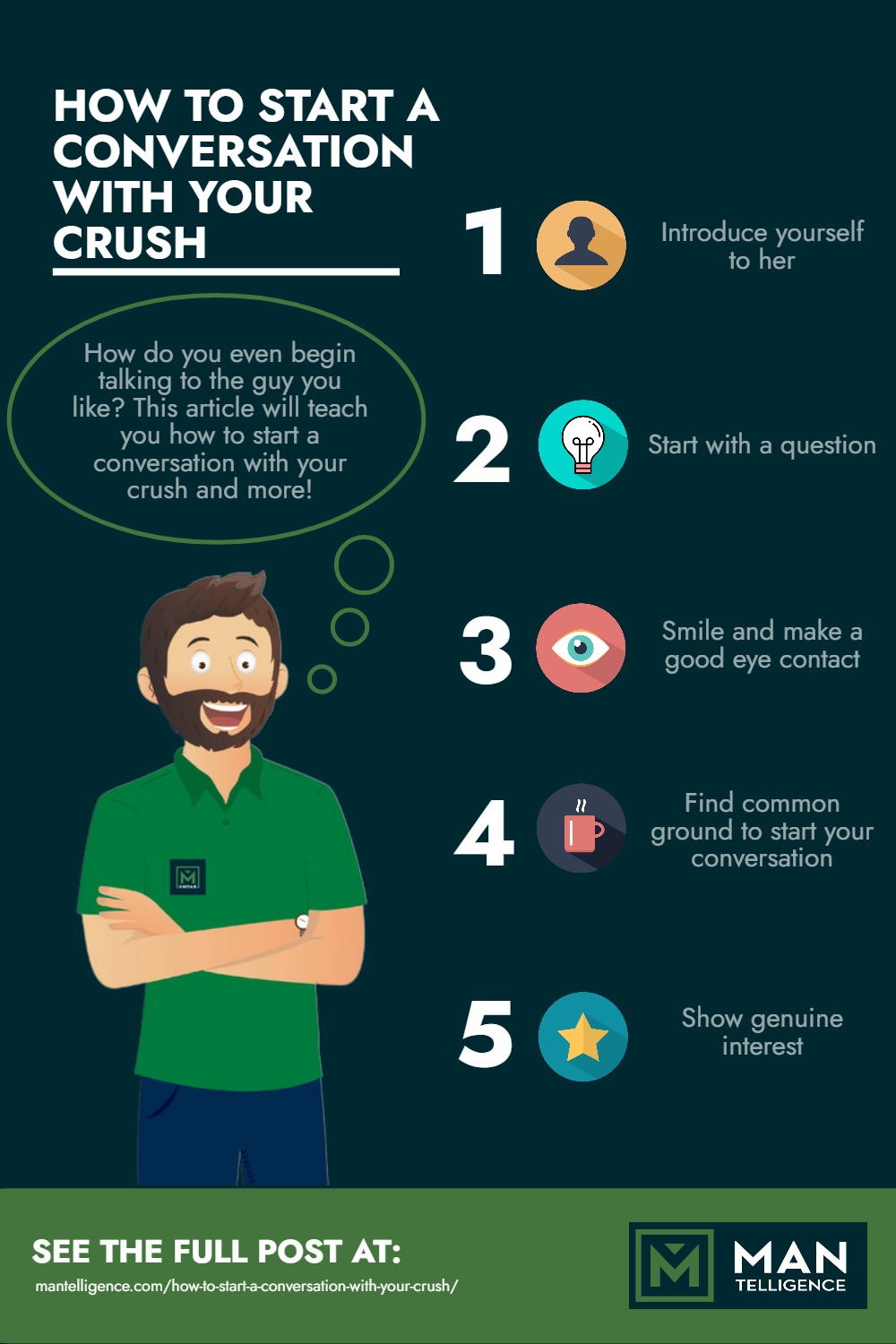
To start a good conversation in 2026, you must disrupt the "autopilot" responses of your listener by using contextual observations, seeking low-stakes advice, or introducing lighthearted debates. Instead of relying on clichés like "How are you?", focus on "The Third Entity"—a shared external observation—to reduce social pressure and spark genuine curiosity.
The Evolution of Small Talk in 2026
The way we interact has shifted significantly as our digital and physical lives become increasingly integrated. In 2026, the value of a high-quality, face-to-face (or high-fidelity digital) conversation has never been higher. Most people are exhausted by the repetitive nature of standard social scripts. When you ask someone, "What do you do for a living?" or "How was your weekend?", you are essentially asking them to recite a pre-recorded message.
A "good" conversation is defined by its ability to move from the superficial to the substantial without feeling forced or intrusive. To achieve this, you must understand the psychology of Pattern Interruption. By asking something unexpected but relevant, you signal to the other person's brain that this interaction requires active engagement rather than a passive, scripted response.
The following seven methods are designed to break these patterns, lower social anxiety for both parties, and establish a meaningful connection quickly.
1. The "Advice Seeker" Method
One of the most effective yet underutilized ways to start a conversation is to ask for a small, non-consequential piece of advice. This technique leverages the Benjamin Franklin Effect, a psychological phenomenon where a person who has performed a favor for someone is more likely to do another favor for that person than if they had received a favor from them.
Why It Works
When you ask for advice, you are implicitly validating the other person's expertise or taste. This creates an immediate, positive association. It moves the dynamic from a competitive social assessment to a collaborative one.
How to Execute
The key is to keep the request "low-stakes." Do not ask for career guidance or life-altering decisions. Instead, focus on the immediate environment or common interests.
- At a café: "I can’t decide between the cold brew or the matcha. What’s your go-to when you need a mid-afternoon boost?"
- At a conference: "I’m trying to decide which breakout session to attend next. Have you heard anything good about the keynote speaker’s workshop?"
- In a neighborhood setting: "I’m looking for a new weekend hiking trail that isn't too crowded. Do you have a favorite spot around here?"
By positioning yourself as the seeker and them as the "expert," you remove the pressure of "performing" for them, which often hinders the start of a conversation.
2. The "Third Entity" Approach
In communication theory, "The Third Entity" refers to an object, event, or shared circumstance that is external to both speakers. Instead of making the conversation about "You" or "Me," you make it about "It."
Why It Works
Direct eye contact and personal questions can be intimidating for some. Focusing on a third entity allows both participants to look at the same thing (literally or figuratively) while talking. This reduces the Spotlight Effect, the feeling that one is being intensely judged or observed.
How to Execute
Look around the room and find something unique, puzzling, or impressive.
- Art or Decor: "That painting at the end of the hall is fascinating. I can’t tell if it’s supposed to be a landscape or something abstract. What do you see?"
- The Crowd/Event: "It’s interesting how they’ve organized the seating here. It feels more like a lounge than a lecture hall, don't you think?"
- Technology or Tools: "I noticed you’re using that new foldable tablet. How does the crease hold up during long reading sessions?"
This method creates a shared experience. You aren't just two strangers talking; you are two people observing the world together.
3. The "Low-Stakes" Controversy
In 2026, where polarized topics can be a conversational minefield, the "Low-Stakes Controversy" is a refreshing way to inject humor and personality into an interaction. These are debates that have zero real-world consequences but high levels of subjective opinion.
Why It Works
It triggers a playful competitive spirit. It allows people to express their personality, logic, and sense of humor without the risk of offending anyone’s core values. It is a form of "social play."
How to Execute
The goal is to be slightly provocative but entirely harmless.
- The Classic Food Debate: "I’m trying to settle a debate. Does pineapple belong on pizza, or is that a culinary crime?"
- The Definition Debate: "Is a hot dog a sandwich? I’ve been arguing this all morning and need a tie-breaker."
- The Lifestyle Choice: "Are you a 'phone call' person or a 'voice note' person? I feel like the world is splitting in two over this."
These openers almost always elicit a smile and a passionate (though playful) defense of a position, which provides plenty of "conversational threads" to pull on for the rest of the chat.
4. The "Future-Positive" Inquiry
Most people ask about the past: "How was your day?" or "What have you been up to?" These questions require the listener to look backward, often toward mundane tasks or stressors. Instead, shift the focus to the future.
Why It Works
Asking about the future—specifically the near future—engages the brain’s reward centers. It allows the person to talk about what they are excited about, which naturally raises the energy level of the conversation.
How to Execute
Focus on the next 24 hours to seven days. This keeps the answer grounded and easy to formulate.
- Instead of "How's work?": "What’s one project you’re working on this week that you’re actually excited to finish?"
- Instead of "How's your week?": "What is the 'highlight of the week' you’re looking forward to? I’m looking for some weekend inspiration."
- At a social gathering: "What’s one thing you’re hoping to get out of this event besides the free coffee?"
This approach paints you as a positive person who is interested in the growth and excitement of others, rather than someone just checking a box of politeness.
5. The "Contextual Compliment" plus Question
A simple compliment like "I like your shoes" often ends the conversation before it starts. The recipient says "Thank you," and the interaction dies. To make it a starter, you must add a "Why" or a "How" that leads to a question.
Why It Works
It combines validation with a curiosity-based prompt. According to research published in the Journal of Personality and Social Psychology, people who ask more questions, particularly follow-up questions, are perceived as more likable.
How to Execute
Focus on a choice the person made, rather than an innate physical trait. This rewards their agency and taste.
- Professional Setting: "Your presentation style is so engaging. I noticed you didn't use any bullet points—how do you keep your thoughts organized without them?"
- Social Setting: "That's a very distinctive watch. Is there a story behind it, or did it just catch your eye?"
- Public Space: "I couldn't help but notice that book you're reading. I've been on the fence about starting it—is the pacing as fast as everyone says?"
By asking for the "story" or the "process" behind the thing you complimented, you invite the other person to share a piece of their history or personality.
6. The "Micro-Vulnerability" Hook
Vulnerability is a powerful tool for connection, but it must be calibrated correctly. "Micro-vulnerability" involves admitting a small, relatable struggle or a minor social awkwardness.
Why It Works
It breaks the "perfect" facade that many people bring to social interactions. When you admit to being a little nervous, confused, or human, it gives the other person permission to relax. It builds immediate trust.
How to Execute
The admission should be light and relatable, never heavy or "trauma-dumping."
- At a large party: "I'll be honest, I'm always a little intimidated by rooms this size. How do you usually navigate these things?"
- At a technical seminar: "I think I understood about 60% of that last lecture. Was it just me, or was that 'advanced' even for the experts?"
- In a new city: "I’ve lived here for a week and I’ve already gotten lost three times. Do you have any tips for a newcomer trying to find their bearings?"
This creates an "us vs. the situation" dynamic, which is one of the fastest ways to turn a stranger into an ally.
7. The "Observation of Change"
As we move through 2026, the world is changing rapidly in terms of technology, urban life, and social norms. Commenting on a specific change you've both noticed can be a great way to find common ground.
Why It Works
It taps into the collective zeitgeist. Most people are thinking about how the world is evolving; verbalizing those thoughts creates an instant intellectual connection.
How to Execute
Identify a specific, visible shift in your current environment.
- Urban environment: "I noticed they’ve replaced all the streetlights on this block with those new ambient sensors. Have you noticed a difference in the vibe at night?"
- Workplace culture: "It’t interesting seeing how everyone is transitioning back to more in-person meetings lately. Are you finding it easier to get things done, or do you miss the quiet of the home office?"
- Entertainment: "It feels like everyone is talking about [Specific Trend/Show] again. Do you think it’s actually better than the original, or just good marketing?"
Comparison Table: Traditional vs. Surprising Starters
| Category | Traditional (Avoid) | Surprising (Try This) | Psychological Trigger |
|---|---|---|---|
| Work | "What do you do?" | "What's a project you're working on that actually excites you?" | Focus on Passion vs. Status |
| Location | "Do you come here often?" | "I’m trying to find the best spot in the room. What’s your take on the layout here?" | The Third Entity (Shared Environment) |
| General | "How was your day?" | "What’s one thing that’s happened today that you didn't expect?" | Pattern Interruption |
| Networking | "Nice to meet you." | "I’ve heard your name mentioned in the context of [Topic]. What’s the biggest challenge in that field right now?" | Validation & Expertise |
| Food/Drink | "The food is good, right?" | "I’m on a mission to find the best [Item] in the city. How does this one rank for you?" | The "Advice Seeker" / Gamification |
Technical Depth: The "Rule of Three" and "Active Listening"
Starting the conversation is only the first step. To maintain it, you should employ the Rule of Three. This involves three components in your initial interactions:
- The Observation: State something you see or feel (e.g., "This venue is incredibly quiet.")
- The Opinion: Offer a brief, non-judgmental thought (e.g., "I usually prefer a bit more background noise to help me focus.")
- The Question: Turn it over to them (e.g., "Are you someone who needs total silence to work, or do you like the buzz of a crowd?")
Furthermore, in 2026, the scarcity of undivided attention has made Active Listening a high-value skill. Use "minimal encouragers" (like "right," "I see," or "fascinating") and reflective listening (repeating a key phrase back to them as a question) to show you are present. For example, if they say, "I’ve been spending a lot of time on generative design lately," you might respond, "Generative design? Is that for a specific project or just a hobby?"
This demonstrates that you aren't just waiting for your turn to speak, which is the most common mistake in modern conversation. For more on the science of social interaction, the Harvard Program on Negotiation offers extensive resources on communication and relationship building.
Common Pitfalls to Avoid
While surprising openers are effective, they require proper calibration. Avoid these common mistakes:
- The Interrogator Vibe: Asking question after question without sharing anything about yourself. This makes the other person feel like they are being interviewed. Balance their answers with your own brief anecdotes.
- Over-sharing: In the "Micro-Vulnerability" method, ensure the vulnerability is truly "micro." Admitting you're bad at directions is charming; admitting your financial troubles is a conversation-killer.
- Ignoring Non-Verbal Cues: If the person gives one-word answers and looks at their watch or phone, the "surprising" nature of the question won't save the interaction. Respect the "Closed" body language and move on.
- Forced Humor: If you aren't naturally a "Low-Stakes Controversy" person, don't force it. Choose the method that aligns most closely with your natural personality.
Frequently Asked Questions
What if the person doesn't respond well to a surprising question?
If a person seems confused or gives a short answer to a non-traditional question, pivot back to a more standard observation. Not everyone is prepared for a deep or playful conversation immediately. Acknowledge their response and move to a "Third Entity" observation to lower the pressure.
How do I transition from a "surprising" starter to a normal conversation?
Once the initial ice is broken, use the FORD Method (Family, Occupation, Recreation, Dreams) to explore more standard topics. The surprising starter is simply the "key" to open the door; once inside, the conversation can follow a natural, comfortable path.
Is it okay to use these methods in a professional setting?
Yes, but with slight modifications. The "Advice Seeker" and "Contextual Compliment" methods are particularly effective in professional environments because they respect boundaries while still fostering a human connection. Avoid the "Low-Stakes Controversy" in high-stakes business meetings unless the room already has a lighthearted atmosphere.
How do I start a conversation if I am extremely introverted?
Start with the "Third Entity" or "Contextual Compliment" approach. These methods require the least amount of "performance" from you. By focusing on something external (like a piece of art or the venue), you take the focus off yourself, which can significantly reduce social anxiety.
What is the best way to end a good conversation?
A good conversation should end before it starts to lag. Use a "Future-Positive" exit: "It was great talking to you about [Topic]. I’m going to head over to the [Other Section/Food Table], but I’d love to hear how that project turns out next time I see you."
Practical Recommendation
The next time you find yourself in a social situation—whether it’s a professional networking event or a casual gathering—challenge yourself to avoid the words "What do you do?" or "How are you?" for the first five minutes. Instead, pick one of the methods above, such as the "Advice Seeker" or the "Third Entity" approach. By changing your input, you will immediately notice a change in the quality and depth of the output you receive from others. Practice this "Pattern Interruption" in low-stakes environments like grocery store lines or with baristas to build your confidence before moving into higher-pressure social settings.