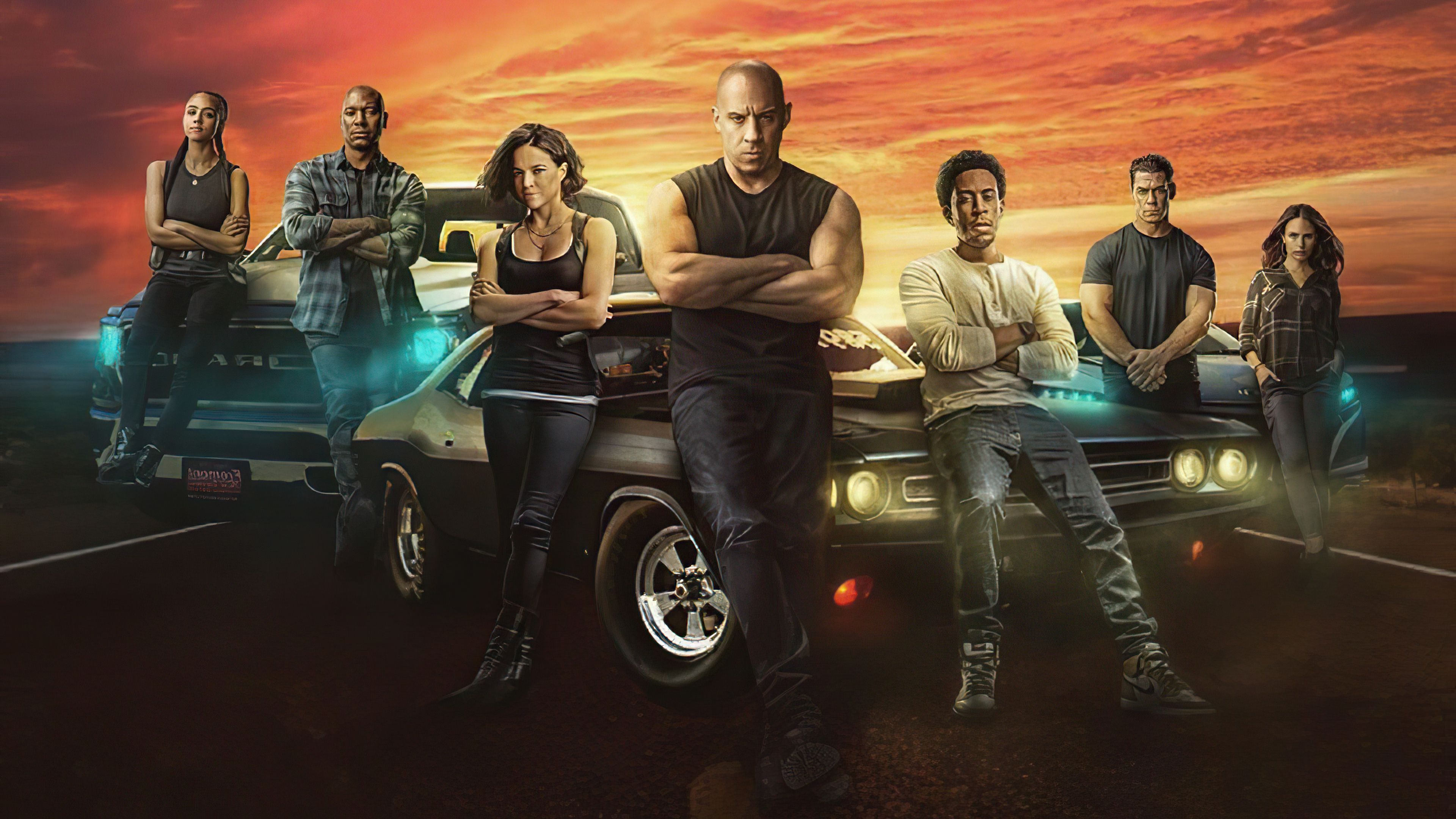
The release of Fast & Furious 6 in 2013 represented a seismic shift in the "Fast Saga," transitioning the franchise from a street-racing heist series into a global espionage powerhouse. By the time we look back from 2026, it is clear that this specific entry did more than just escalate the stunts; it fundamentally restructured the character dynamics and the "cast landscape" that would define the next decade of blockbuster cinema. The film moved away from the localized conflict of Fast Five and introduced a sophisticated, mirror-image ensemble that challenged the core protagonists in unprecedented ways.
Understanding these five pivotal changes is essential for any analysis of the franchise’s longevity. From the resurrection of a core matriarchal figure to the introduction of a villainous hierarchy that persists in the current 2026 cinematic landscape, Fast & Furious 6 was the blueprint for the "modern" ensemble blockbuster.
1. The Resurrection and Reintegration of Letty Ortiz
The most significant shift in the cast landscape was the return of Michelle Rodriguez as Letty Ortiz. After her apparent death in Fast & Furious (2009), the franchise lacked its female emotional anchor. Her return in the sixth installment didn't just bring back a fan-favorite; it introduced a complex amnesia narrative that forced the ensemble to redefine their "family" values.
The Emotional Pivot
Before Fast & Furious 6, the cast's motivation was largely financial or focused on survival. Letty’s return shifted the stakes to a rescue mission. This changed Dominic Toretto (Vin Diesel) from a fugitive leader into a man on a crusade for redemption. The landscape of the cast changed because the characters were no longer just working toward a payday; they were fighting to "bring her home," which became the series' primary thematic engine.
The Tactical Impact
Letty wasn't just a love interest; she was a street-hardened soldier. Her temporary alignment with Owen Shaw’s crew provided a unique narrative tension where a core "family" member was the antagonist’s greatest asset. This forced the rest of the cast—specifically Brian O'Conner (Paul Walker) and Roman Pearce (Tyrese Gibson)—to recalibrate how they engaged with the enemy. They couldn't simply use lethal force; they had to use precision and empathy, a tactical shift that added depth to the action sequences.
2. The Introduction of the "Anti-Family" (Owen Shaw’s Crew)
Prior to the sixth film, the villains in the series were largely traditional drug lords or corrupt businessmen (like Hernan Reyes in Fast Five). Fast & Furious 6 changed the landscape by introducing Owen Shaw (Luke Evans), a former British Special Air Service (SAS) officer who led a team that mirrored Toretto’s.
The Mirror Ensemble
Owen Shaw’s crew was a dark reflection of Dom’s. Each member of Shaw’s team had a specific skill set that countered a member of the "Fast" family. There was a "muscle" character to counter Hobbs, a technical expert to counter Tej, and a high-speed driver to counter Brian. This was a deliberate casting and writing choice that changed the franchise's formula. It moved away from "The Crew vs. The Police" and toward "Team vs. Team."
Professionalism vs. Loyalty
The introduction of Shaw changed the ideological landscape of the cast. Shaw believed in "precision and parts," viewing his team as expendable components of a machine. Dom’s philosophy centered on loyalty and the "Family." This contrast allowed the actors to explore more nuanced performances, as the stakes were not just about who was faster, but whose philosophy of leadership was superior. This "mirror team" concept became a staple of later films, influenced by the success of the Shaw dynamic.
3. Luke Hobbs: From Hunter to Strategic Ally
Dwayne "The Rock" Johnson’s Luke Hobbs entered the franchise in Fast Five as a primary antagonist—the unstoppable force hunting the immovable object. In Fast & Furious 6, the cast landscape shifted dramatically as Hobbs was integrated into the team as a strategic ally.
The Legal Pardon Dynamic
This shift was facilitated by a plot-driven necessity: Hobbs needed "sharks" to catch a "whale." By recruiting Toretto’s crew, the film changed the legal status of the cast. For the first time, the protagonists were working with the government rather than against it. This opened up the landscape for the characters to operate in high-tech military environments, a trend that would eventually lead them to the "Agency" in later sequels.
The Chemistry of the "Big Three"
The 2013 cast landscape was defined by the tripartite leadership of Diesel, Walker, and Johnson. With Hobbs now on the side of the protagonists, the film had to balance three massive screen presences. This led to a more "superheroic" feel. Hobbs provided the military muscle and government resources, Brian provided the tactical street smarts, and Dom provided the moral and physical center. This triad became the gold standard for the franchise's structure until the tragic passing of Paul Walker and later behind-the-scenes shifts.
4. The Tragic Exit of Gisele Yashar
In the high-stakes world of Fast & Furious 6, the cast landscape was also defined by its losses. The death of Gisele Yashar (Gal Gadot) remains one of the most impactful character exits in the entire saga. At the time, Gal Gadot was a rising star, and her chemistry with Sung Kang (Han Lue) provided the series with its most grounded and romantic subplot.
The Cost of the Mission
Gisele’s sacrifice during the infamous "endless runway" sequence served a critical purpose: it proved that the characters were not invincible. Before this, the crew had survived escalating levels of carnage with relatively few consequences. Gisele’s death changed the tone of the cast landscape from one of invulnerability to one of mourning. It also directly set up Han’s motivation to return to Tokyo, effectively bridging the gap between the modern films and The Fast and the Furious: Tokyo Drift (2006).
Legacy and Future Returns
From our 2026 vantage point, we know that the "landscape" of Gisele’s character eventually evolved again in later installments (most notably in Fast X), but in the context of Fast & Furious 6, her exit was a permanent shift in the team’s composition. It removed the team’s most versatile female operative and left Han in a state of grief that would define his character arc for years to come.
5. The Post-Credits Tease: Deckard Shaw and the Timeline Convergence
Perhaps the most famous change to the cast landscape occurred in the final seconds of the film. The mid-credits scene introduced Jason Statham as Deckard Shaw, Owen’s brother, and revealed that he was responsible for Han’s "death" in Tokyo.
Connecting the Timeline
This was a masterstroke in franchise management. It retroactively turned Tokyo Drift—which had been a chronological outlier—into a vital piece of the current story. By casting an action icon like Jason Statham, the producers signaled that the franchise was moving into a new era of "A-List" antagonists. The landscape shifted from "local street racers" to "global superstars" overnight.
The Expansion of the Shaw Family
This single scene did more than just introduce a villain; it planted the seeds for an entire expansion of the cast. The "Shaw" name would eventually bring in characters played by Helen Mirren (Queenie Shaw) and Vanessa Kirby (Hattie Shaw). Fast & Furious 6 was the gateway that allowed the franchise to move beyond the Toretto family and create a complex web of rivalries and alliances that still dominates the series in 2026.
Comparison of Cast Dynamics: Before vs. After Fast 6
The following table illustrates how the core cast's roles and the overall landscape evolved because of the events in the sixth film.
| Character | Role Pre-Fast 6 | Role Post-Fast 6 | Impact on Narrative |
|---|---|---|---|
| Dominic Toretto | Fugitive / Heist Leader | Pardoned Hero / Protector | Shifted focus to family restoration and global defense. |
| Letty Ortiz | Deceased (Presumed) | Amnesiac Operative | Reintroduced the emotional "North Star" of the series. |
| Luke Hobbs | Antagonist / Federal Agent | Ally / DSS Liaison | Integrated government resources into the crew's toolkit. |
| Gisele Yashar | Specialist / Romantic Interest | Martyr / Fallen Legend | Added emotional weight and consequences to the stunts. |
| Han Lue | Drifter / Crew Member | Mourning Survivor | Initiated the transition to the Tokyo Drift storyline. |
| Owen Shaw | N/A (New Character) | Primary Antagonist | Set the standard for high-tech, tactical villains. |
The Technical Execution of the Cast Expansion
The "landscape" change wasn't just about who was in front of the camera; it was about how they were utilized. Director Justin Lin and the casting directors focused on "functional diversity." Every new cast member in Fast & Furious 6 brought a specific physical or technical skill that could be showcased in the film's elaborate set pieces.
For example, the casting of Joe Taslim (an Indonesian martial arts expert) as Jah provided a level of hand-to-hand combat proficiency that challenged the established cast. This forced the existing actors to elevate their physical training, shifting the franchise toward a more choreographed, martial-arts-heavy style of action that would be further explored in the sequels.
Furthermore, the film utilized "location casting." By setting much of the film in London, the production was able to tap into a different pool of talent, giving the movie a distinctly European flair compared to the sun-drenched, South American aesthetic of Fast Five. This geographic shift was mirrored in the cast, introducing a more refined, tactical, and "cold" sensibility to the opposition.
Frequently Asked Questions
Why was Letty's return so important to the cast landscape?
Letty’s return was crucial because she was the only character who could challenge Dominic Toretto's authority and emotional resolve. Her absence had left a void in the "original" trio (Dom, Brian, Letty). By bringing her back, the franchise was able to return to its roots of "Family" while moving forward into the world of international espionage. It also provided a long-term mystery arc regarding her memory loss.
Was Gal Gadot’s exit from the cast planned?
At the time of filming, the decision to have Gisele sacrifice herself was a narrative choice to raise the stakes. However, as Gal Gadot’s stardom skyrocketed following her casting as Wonder Woman, her exit became a significant "what if" for the franchise. The emotional resonance of her departure in Fast & Furious 6 was so strong that it remains a talking point among fans even in 2026.
How did the introduction of Owen Shaw change future villains?
Owen Shaw introduced the concept of the "Tactical Villain." Before him, villains were often "bosses" who sent henchmen to do the work. Owen was a field commander who was just as capable as the protagonists. This led to the casting of other high-intensity actors like Jason Statham, Charlize Theron, and John Cena in later films, as the franchise realized the antagonist needed to be a physical and intellectual match for the crew.
Did Fast & Furious 6 officially end the "street racing" era?
While the film includes a street racing scene in London (Dom vs. Letty), the cast landscape shifted permanently toward "tactical operations." The characters transitioned from being "fast drivers who happen to be criminals" to "highly skilled operatives who use cars as weapons." This change in the characters' professional identities is what allowed the franchise to scale into the multibillion-dollar global entity it is today.
How did the cast handle the timeline shift with Tokyo Drift?
The timeline shift was handled through the character of Han. Since Tokyo Drift (released in 2006) actually takes place years after the events of Fast & Furious 6, the cast had to play their roles knowing where Han was eventually headed. This created a sense of "tragic inevitability" for his character, which the actors used to ground their performances in the sixth film.
Final Thoughts and Next Actions
The "cast landscape" of Fast & Furious 6 served as the bridge between the franchise’s humble beginnings and its blockbuster future. By reintegrating Letty, introducing the Shaw lineage, and shifting the crew’s legal status, the film created a sustainable model for ensemble storytelling.
For fans or film students looking to further understand this transition, the best next action is to watch Fast & Furious 6 and Furious 7 back-to-back. Observe how the seeds planted in the sixth film—specifically the introduction of the Shaw family and the tactical alliance with Hobbs—immediately bear fruit in the sequel. Additionally, researching the production notes on the London filming schedule can provide insight into how the change in location influenced the casting of the "Anti-Family" and the overall tone of the franchise's middle era.