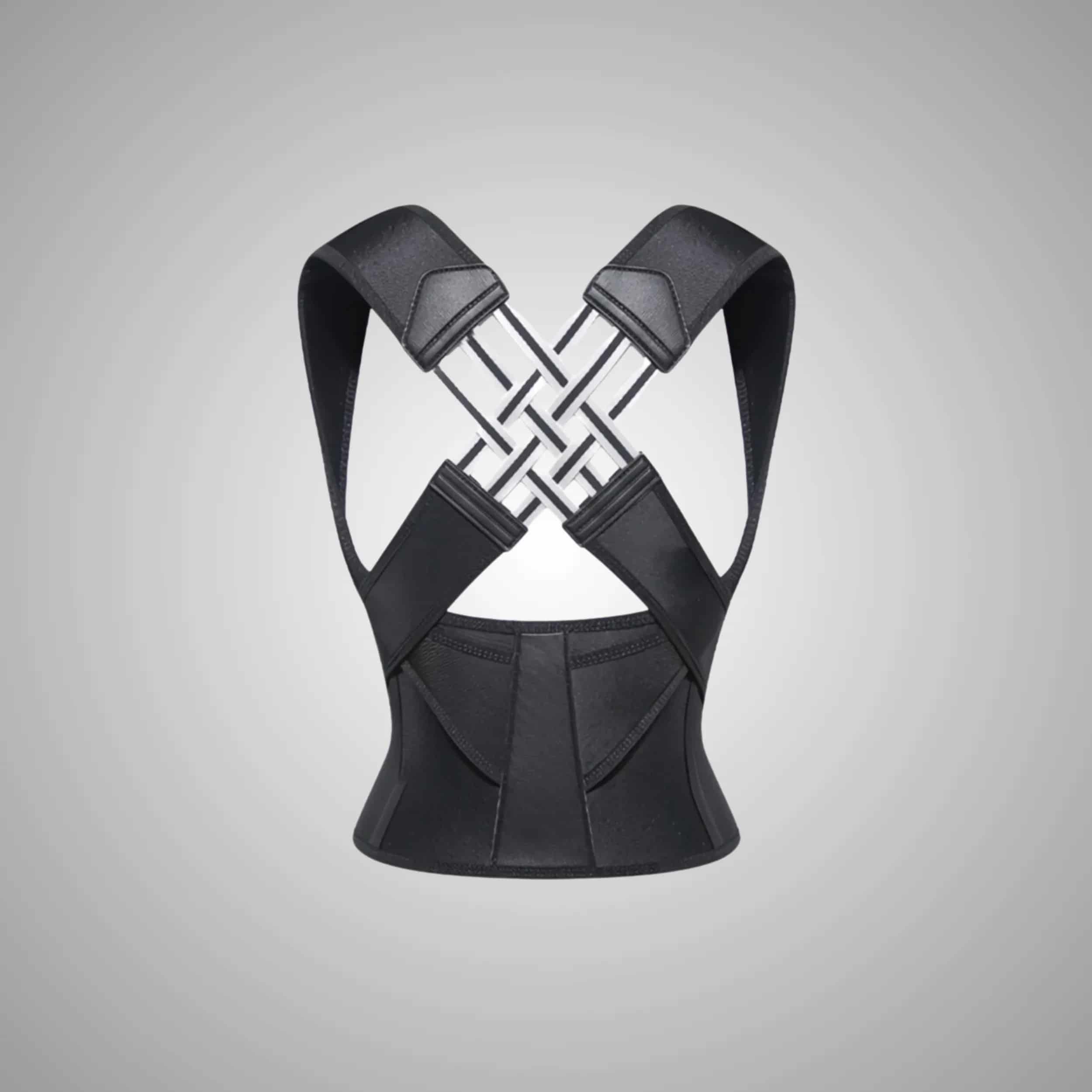
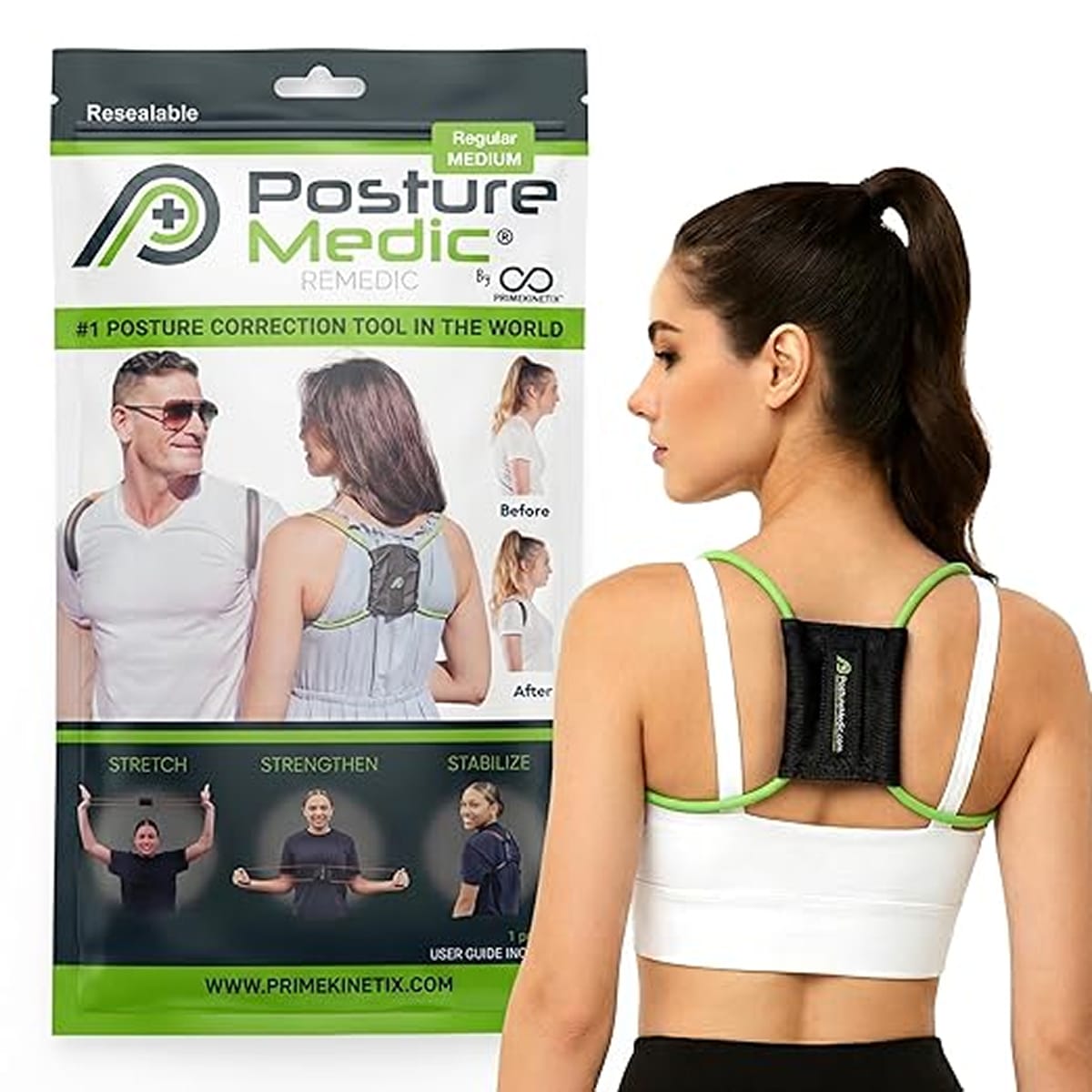
Posture correctors for seniors are specialized supportive garments designed to gently align the spine, reduce slouching caused by conditions like osteoporosis or age-related hyperkyphosis, and alleviate chronic back or neck pain. The best options prioritize breathable fabrics, adjustable straps, easy front-closure mechanisms, and comfortable, non-restrictive designs tailored to older adults.
As the human body ages, physiological changes naturally alter spinal alignment. The vertebral discs lose hydration and elasticity, core and back extensor muscles can weaken, and conditions such as osteoporosis can lead to micro-fractures in the vertebrae, frequently resulting in a forward-bending posture commonly known as hyperkyphosis or "dowager's hump." While physical therapy, targeted exercise, and ergonomic adjustments form the foundation of spinal health, many older adults find targeted support through wearable devices. Selecting the right posture corrector requires balancing physical therapeutic benefits with the unique comfort requirements, skin sensitivities, and dexterity levels of seniors.
Understanding Posture Changes in Older Adults
Age-related spinal changes rarely happen overnight. They are the cumulative result of gravity, muscle deconditioning, loss of bone density, and habitual movement patterns developed over decades. To understand why a senior might benefit from a posture corrector, it is necessary to examine the underlying mechanics of aging spinal columns.
The thoracic spine naturally curves outward, but excessive curvature forces the shoulders forward and strains the cervical and lumbar regions. This altered center of gravity not only causes localized muscular fatigue and pain but can also impact balance, respiration, and digestive comfort by compressing the thoracic cavity.
It is important to note that posture correctors are supportive aids rather than permanent fixes. They function by providing tactile biofeedback and mechanical support, encouraging the wearer to engage their core and back muscles. For seniors, a well-chosen corrector can ease the muscular strain associated with holding the upper body upright, making daily activities more comfortable. However, they should generally be worn for limited intervals—typically 15 to 60 minutes at a time—to prevent muscle dependency or atrophy.
- Hyperkyphosis: An excessive outward curve of the thoracic spine, often managed with gentle thoracic extensions.
- Osteoporosis-Related Weakness: Brittle bones that make structural support critical to prevent forward spinal loading.
- Muscular Fatigue: The tiring of back extensor muscles that struggle to keep the torso upright against gravity throughout the day.
Key Considerations When Choosing a Posture Corrector for Seniors
Shopping for a posture corrector for an older adult involves different criteria than purchasing one for a younger athlete or office worker. Comfort, safety, and ease of use take precedence over high-tension athletic compression.
Ease of Application and Dexterity
Many seniors experience arthritis, reduced hand strength, or limited shoulder mobility. A posture corrector that requires reaching far behind the back or manipulating complex buckles will likely remain unused in a drawer. Look for designs featuring front-facing closures, magnetic clasps, large pull-tabs, or step-in vest styles that can be put on like a jacket.
Breathability and Skin Sensitivity
Aging skin is thinner, more delicate, and more prone to friction injuries, pressure sores, and heat rashes. Heavy neoprene materials, which trap sweat and heat, can irritate sensitive skin. Breathable mesh fabrics, cotton blends, and soft padding under the armpits and across the shoulders are essential features to prevent chafing and discomfort.
Support Level and Ergonomics
Correctors range from simple elastic figure-eight straps to rigid braces with integrated metal or plastic stays. Seniors generally require gentle-to-moderate support. Overly aggressive braces can cause bruising, restrict breathing, or force the body into an unnatural alignment that creates secondary pain in the lower back or hips.
Examining the Top 5 Posture Correctors for Seniors
Based on design ergonomics, user-friendliness for older adults, material quality, and adjustability, the following five posture support products stand out for seniors seeking reliable daily relief.
1. Truweo Posture Corrector (Best Overall for Ease of Use)
The Truweo Posture Corrector is widely favored for its straightforward, adjustable design and lightweight construction. Unlike rigid medical braces, it functions as a flexible support strap system that wraps around the shoulders and fastens across the abdomen.
- Design Features: Figure-eight style with adjustable front straps and breathable neoprene-free mesh options.
- Senior Suitability: The front-facing velcro adjustments allow seniors with limited shoulder mobility to tighten or loosen the fit independently without assistance.
- Limitations: The underarm straps can cause mild friction if worn directly against bare skin, meaning it should always be worn over a lightweight undershirt.
2. Upright GO 2 (Best Biofeedback Device)
For seniors who prefer not to wear a restrictive harness, the Upright GO 2 offers a technological alternative. This tiny, discreet posture trainer attaches to the upper back using medical-grade adhesive or a separate necklace accessory.
- Design Features: Sensor-based device that gently vibrates when the wearer slouches past a pre-set threshold.
- Senior Suitability: Completely eliminates physical constriction, straps, and pressure under the arms. It actively trains the core and back muscles through gentle vibration reminders.
- Limitations: Requires a smartphone to calibrate initial settings, though family members or caregivers can easily assist with this setup. It also relies on battery power and must be recharged periodically.
3. ViboCare Posture Corrector (Best Budget-Friendly Option)
The ViboCare model offers a classic vest-style approach that distributes pressure more evenly across the upper back and shoulders than narrow strap models.
- Design Features: Lightweight fabric vest with integrated back support plates and front waist adjustment bands.
- Senior Suitability: The vest design prevents the straps from digging into delicate shoulder tissue, making it comfortable for longer reading or sitting sessions.
- Limitations: Offers moderate-to-firm support, which may feel too structured for individuals seeking only light postural reminders.
4. Selric Posture Corrector (Best for Sensitive Skin)
Skin integrity is a major priority for older adults. The Selric corrector is constructed with ultra-soft, breathable neoprene alternatives and includes detachable armpit pads to prevent chafing.
- Design Features: Ergonomic back plate with extra-wide shoulder straps and moisture-wicking perforated fabrics.
- Senior Suitability: Exceptional comfort profile for individuals prone to contact dermatitis or heat rash under traditional medical gear.
- Limitations: Sizing can run small, so careful measurement of chest circumference is required before purchase.
5. ComfyMed Posture Corrector Braceline (Best Lower-Back and Thoracic Combination)
Many seniors experience concurrent thoracic kyphosis and lumbar discomfort. The ComfyMed brace provides broader coverage extending further down the lumbar spine.
- Design Features: Semi-rigid support stays, breathable heavy-duty fabric, and large hand loops designed for easy fastening by individuals with arthritis.
- Senior Suitability: The large front hand loops make securing the waist belt significantly easier for those with reduced hand strength or joint stiffness.
- Limitations: Provides a higher degree of structural rigidity, which may feel bulky under lightweight clothing.
Comparison of Featured Posture Correctors
| Product Name | Primary Type | Key Advantage for Seniors | Skin Sensitivity Consideration | Best For |
|---|---|---|---|---|
| Truweo Posture Corrector | Strap / Figure-Eight | Adjustable front fasteners | Must be worn over a shirt | General daily wear and ease of adjustment |
| Upright GO 2 | Biofeedback Sensor | No physical restriction or straps | Hypoallergenic adhesive / necklace | Tech-comfortable seniors avoiding straps |
| ViboCare Vest | Vest Style | Even pressure distribution | Soft lining, moderate breathability | Extended sitting and reading sessions |
| Selric Posture Corrector | Padded Strap System | Extra-wide straps and armpit cushions | Excellent breathability and padding | Sensitive skin and chafe prevention |
| ComfyMed Braceline | Lumbar-Thoracic Support | Large hand loops for arthritis | Standard breathable fabric | Combined upper and lower back support |
Practical Implementation and Safety Guidelines
Introducing a posture corrector into an older adult’s routine requires a gradual approach. Muscles must adapt to the new alignment without becoming over-reliant on external support.
- Start Slow: Begin by wearing the corrector for 15 to 20 minutes once a day. Gradually increase the duration by 10 minutes daily until reaching a maximum of one hour, or as advised by a healthcare provider.
- Never Wear While Sleeping: Posture correctors are engineered for active or seated daytime use. Wearing them during sleep can restrict normal breathing patterns and circulation.
- Combine with Gentle Exercise: Support devices should complement, not replace, physical activity. Incorporating gentle seated stretches, walking, and core-strengthening exercises recommended by a physical therapist yields the best long-term results.
- Consult Medical Professionals: Seniors with severe osteoporosis, spinal stenosis, recent back surgeries, or cardiopulmonary conditions should consult their physician before using any thoracic brace or support garment.
Medical Disclaimer: The information provided in this article is for educational and informational purposes only and does not constitute medical advice. Always consult a qualified healthcare provider or physical therapist regarding any health condition or before starting new physical support routines.
Frequently Asked Questions
Can posture correctors reverse a dowager’s hump in seniors?
Posture correctors cannot structurally reverse a fixed spinal deformity or advanced hyperkyphosis, but they can help reduce the muscular fatigue associated with slouching and remind the wearer to engage muscles that keep the upper body upright.
How long should an older adult wear a posture corrector each day?
Most experts recommend wearing a posture corrector for no more than 30 to 60 minutes at a time. Wearing them continuously for hours can lead to muscle atrophy because the body relies entirely on the brace rather than its own core strength.
Are posture correctors difficult to put on for someone with arthritis?
Some traditional straps can be difficult to manage, but vest-style correctors and models with large front hand loops, magnetic closures, or front-facing velcro are specifically engineered to accommodate users with reduced hand dexterity and arthritis.
Should a posture corrector be worn directly against the skin?
It is generally recommended to wear posture correctors over a thin, breathable undershirt rather than directly against bare skin. This minimizes friction, absorbs sweat, and prevents chafing or skin irritation.
Will a posture corrector weaken a senior's back muscles?
If used excessively or worn all day without breaks, a corrector can contribute to muscle deconditioning. When used correctly as a short-term training and support aid alongside active movement, it helps reinforce healthy postural habits without causing weakness.
Conclusion and Next Actions
Selecting the best posture corrector for a senior involves balancing comfort, ease of use, and targeted spinal support. Devices like the Truweo or ComfyMed offer straightforward mechanical reinforcement for those needing physical alignment help, while the Upright GO 2 provides a high-tech alternative for individuals who want posture reminders without restrictive straps.
To take the next step, assess the specific physical needs and dexterity level of the senior in question, measure chest or waist dimensions accurately against manufacturer sizing charts, and consult a primary care physician or physical therapist to ensure wearable support aligns safely with their overall wellness plan.