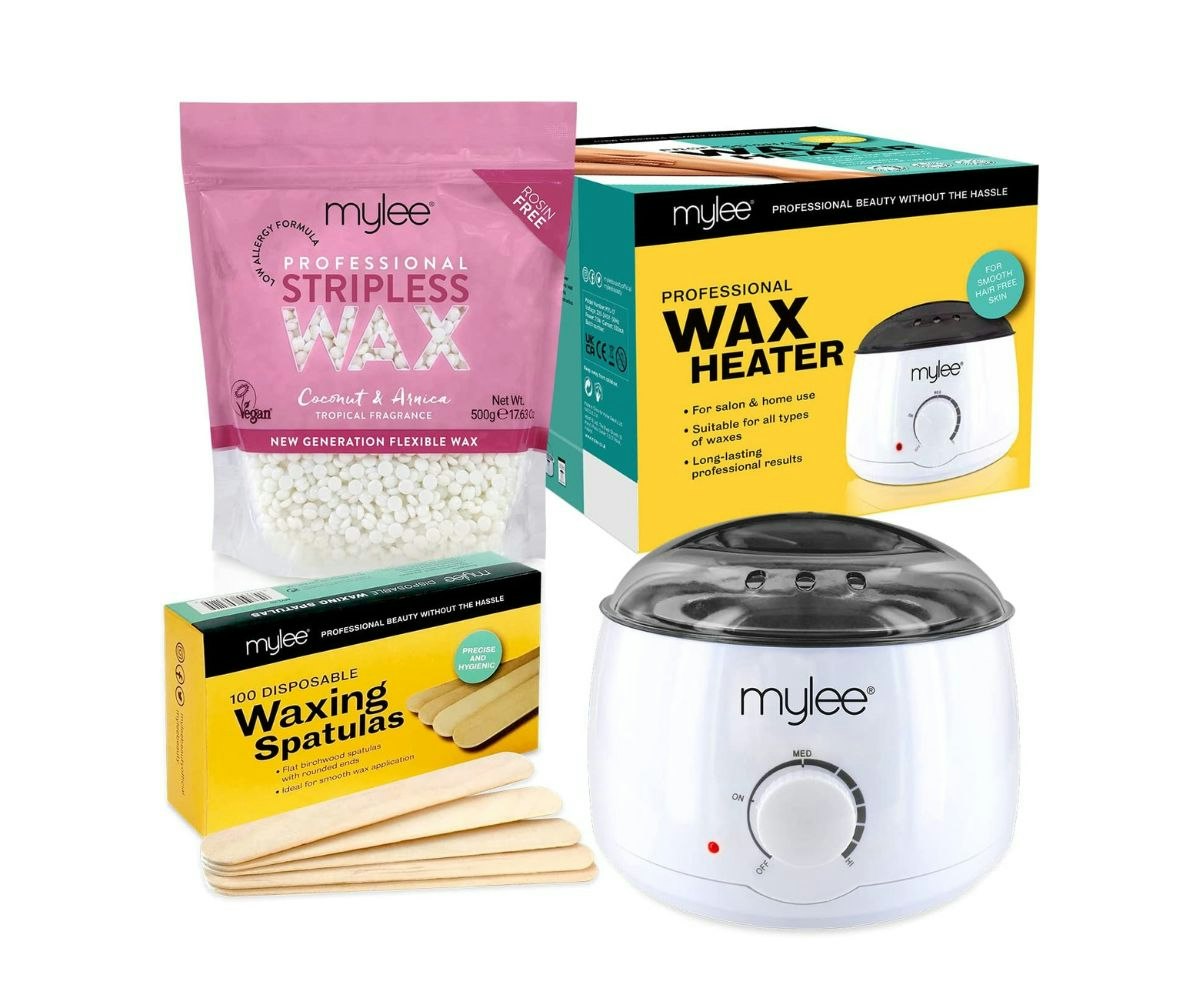
In 2026, achieving salon-quality smooth skin at home relies on three primary facial waxing solutions: Hard Wax Kits for precision and sensitive areas, Cold Wax Strips for speed and portability, and Natural Sugar Wax for a low-irritation, eco-friendly experience. Each method effectively removes hair from the root, providing results that last up to four weeks while minimizing skin trauma.
The Evolution of Facial Waxing Technology in 2026
Facial waxing has undergone a significant transformation. No longer relegated to messy pots and high-heat risks, modern formulations focus on "skin-barrier preservation." The skin on the face, particularly around the upper lip, brows, and chin, is significantly thinner than the skin on the rest of the body. In 2026, the best home waxing products prioritize low-temperature application and synthetic resins that lack the common allergens found in traditional pine-based rosins.
The primary goal of facial waxing is the mechanical epilation of terminal and vellus hairs. Unlike shaving, which blunts the hair at the surface, waxing removes the entire hair shaft from the dermal papilla. This results in a softer regrowth over time, as the new hair must form a naturally tapered tip. To achieve this without causing follicular damage or "skin lifting," selecting the right wax chemistry is essential.
1. Professional-Grade Hard Wax Kits: The Precision Choice
Hard wax, often referred to as "stripless wax," is the gold standard for facial hair removal in 2026. Unlike soft wax, which requires a paper or cloth strip, hard wax is applied warmly, hardens as it cools, and is pulled off directly.
How Hard Wax Works
Hard wax functions through a "shrink-wrap" mechanism. As the wax transitions from a liquid to a solid state, it creates a vacuum seal around the hair shaft without adhering to the living skin cells. This makes it particularly effective for the sensitive contours of the face, where multiple passes with traditional strip wax might lead to redness or "wax burn."
Technical Specifications and Ingredients
Most high-end hard waxes in 2026 utilize synthetic beeswax or hydrogenated polycyclopentadiene. These ingredients provide a more stable melting point, ensuring the wax stays pliable longer and does not become brittle. The inclusion of titanium dioxide acts as a buffering agent, making the wax "creamy" and further protecting the skin from heat.
Best For:
- Coarse Hair: Ideal for chin hair or stubborn "peach fuzz."
- Sensitive Skin: Since it does not stick to the skin, it is the safest option for those prone to irritation.
- Precision Shaping: The best choice for sculpting eyebrows with high accuracy.
2. Ready-to-Use Cold Wax Strips: The Convenience Choice
For users who prioritize speed and lack the space for a dedicated wax warmer, cold wax strips remain a staple. In 2026, the technology behind the "cold" adhesive has improved to ensure it grips even shorter hairs (down to 1.5mm) without requiring pre-heating between the hands.
The Mechanics of Cold Wax
Cold wax strips are pre-coated with a pressure-sensitive adhesive. When applied to the skin and smoothed down, the adhesive creates a mechanical bond with the hair. Because there is no heat involved, there is zero risk of thermal burns, making it an excellent "entry-level" product for beginners.
Formulations for the Modern Face
Modern strips, such as those from leading brands like Flamingo or Veet Pure, often feature hypoallergenic resins and are infused with aloe vera or bisabolol (a chamomile derivative). These additives help to soothe the skin the moment the hair is extracted. In 2026, many of these strips are also made from compostable cellulose rather than plastic, aligning with sustainable beauty trends.
Best For:
- Travel: Portable and requires no electricity.
- Upper Lip: Perfect for quick maintenance between larger sessions.
- Beginners: Minimal learning curve and no risk of overheating.
3. Natural Sugar Wax: The Sensitive and Eco-Conscious Choice
Sugaring has seen a massive resurgence in 2026 due to its minimal ingredient list and "water-soluble" nature. Traditional sugar wax (or "paste") is made from just sugar, lemon juice, and water.
The Unique "With-Growth" Technique
Unlike traditional waxing, where the product is applied with the hair growth and pulled against it, sugar paste is often applied against the growth and pulled with it. This technique significantly reduces hair breakage and the likelihood of ingrown hairs. Because sugar paste does not adhere to live skin cells, it is often described as the least painful method of facial hair removal.
Cleanup and Safety
One of the greatest advantages of sugar wax is its solubility. If you make a mistake or apply the wax in the wrong spot, it can be simply rinsed away with warm water. This eliminates the need for post-wax oils to dissolve residue, which can sometimes clog pores in acne-prone individuals.
Best For:
- Ultra-Sensitive Skin: Does not cause the "lifting" associated with chemical resins.
- Environmental Impact: Completely biodegradable and often comes in plastic-free packaging.
- Vellus Hair (Peach Fuzz): Excellent at grabbing fine hairs without irritating the underlying dermis.
Comparison of At-Home Facial Waxing Methods
| Feature | Hard Wax Kits | Cold Wax Strips | Sugar Wax |
|---|---|---|---|
| Pain Level | Low to Moderate | Moderate | Lowest |
| Heat Required | Yes (Electric Warmer) | No | No (or minimal) |
| Skill Level | Intermediate | Beginner | Intermediate |
| Best Hair Type | All (especially coarse) | Fine to Medium | All (especially fine) |
| Cleanup | Oil-based | Oil-based | Water-based |
| Skin Irritation | Minimal | Moderate (if over-rubbed) | Very Low |
| Typical Cost | $30 - $60 (Initial Kit) | $10 - $20 (Per Pack) | $20 - $40 (Per Jar) |
The Biological Process: How Facial Waxing Affects the Skin
To understand why these three methods are the "best," one must look at the skin's physiological response. When a hair is pulled from the follicle, the body initiates a minor inflammatory response. This is why "smooth skin" is often preceded by 15-30 minutes of slight pinkness.
In 2026, the focus is on biocompatible waxing. This means using waxes that do not disrupt the acid mantle (the thin, acidic film on the skin's surface that acts as a barrier to bacteria). Hard wax and sugar wax are particularly good at preserving this barrier because they do not "rip" the top layer of the epidermis.
Why Quality Matters
Low-quality waxes often contain colophonium (unrefined pine resin), which is a known sensitizer. Repeated exposure can lead to contact dermatitis. The three methods highlighted above utilize refined or synthetic alternatives to ensure that "smooth skin" does not come at the cost of long-term skin health.
Preparation Protocol for Maximum Smoothness
Achieving the best results with at-home facial wax requires more than just the product; it requires a scientific approach to skin preparation.
- Sanitization: Use a pre-wax cleanser containing witch hazel or isopropyl alcohol (in low concentrations) to remove sebum and sweat. Any oil on the skin will prevent the wax from adhering to the hair.
- Exfoliation Timing: Do not exfoliate the morning of your wax. Physical or chemical exfoliation should occur 24-48 hours prior. This ensures that dead skin cells are removed, preventing the wax from sticking to debris, but allows the skin barrier to stabilize before the "trauma" of waxing.
- The "Dryness" Factor: For sugar and hard wax, a light dusting of talc-free cornstarch powder can help. This absorbs excess moisture and ensures the wax only grabs the hair.
- Temperature Check: In 2026, most wax warmers have digital displays. Facial wax should ideally be applied at a temperature between 105°F and 115°F (40°C - 46°C) to be effective without burning.
Post-Waxing Recovery and Maintenance
The 24 hours following a facial wax are critical. Because the hair follicle is left open, it is susceptible to bacteria and environmental pollutants.
- Immediate Soothing: Apply a cold compress or a gel containing aloe vera and niacinamide. Niacinamide is particularly effective in 2026 formulations for reducing post-wax redness and strengthening the skin barrier.
- Avoid Cloggers: Stay away from heavy makeup or thick occlusive creams for at least 12 hours. This prevents folliculitis, the small white bumps that occur when a follicle becomes infected or blocked.
- Sun Protection: Waxed skin is photosensitive. The removal of the hair and the top layer of dead skin makes the area more prone to UV damage. Always apply a broad-spectrum SPF 50 the morning after waxing.
Common Mistakes to Avoid
Even with the best products, user error can lead to poor results.
- Waxing Over Actives: If you are using Retinol, Tretinoin, or Adapalene, you must stop usage at least 5 to 7 days before waxing. These products thin the skin, and waxing while using them can lead to "skin lifting," where the wax pulls off the top layer of skin, leaving a raw, painful scar.
- Pulling Upwards: A common mistake is pulling the wax strip up and away from the face. This causes bruising. The pull should always be parallel to the skin, in a quick, "snapping" motion.
- Inconsistent Pressure: When applying cold strips or sugar paste, firm pressure is required to ensure the hair is fully encased in the medium.
Frequently Asked Questions
Can I wax my face if I have active acne?
It is generally advised to avoid waxing directly over active acne breakouts. The mechanical force of the wax can rupture the blemish, spreading bacteria and potentially leading to scarring. If you have acne-prone skin, sugar wax is often the safest choice as it is the most gentle, but you should still work around inflamed areas.
How long does the hair need to be for at-home waxing?
For the best results, hair should be approximately 1/4 inch long (about the length of a grain of rice). If the hair is too short, the wax cannot get a sufficient grip. If it is too long, the wax may pull on the hair without removing the root, causing unnecessary pain.
Why did I get small white bumps after waxing?
These are typically a sign of folliculitis or a "histamine reaction." This occurs when the follicle is irritated or when bacteria enters the open pore. To prevent this, ensure your hands and the waxing area are completely sanitized, and use a post-wax treatment with salicylic acid or tea tree oil 24 hours after the session.
Is at-home waxing better than dermaplaning?
It depends on the goal. Dermaplaning removes vellus hair and exfoliates the skin surface but does not remove the root. The hair grows back with a blunt edge within days. Waxing provides longer-lasting smoothness (4 weeks) because it removes the follicle. For "smooth skin" that lasts, waxing is the superior choice.
Does facial hair grow back thicker after waxing?
No. This is a common myth. In fact, consistent waxing often leads to follicle miniaturization. Over time, the hair may grow back finer and sparser because the repeated trauma to the dermal papilla weakens the hair's ability to regenerate.
Practical Recommendation for 2026
If you are new to at-home hair removal, start with Ready-to-Use Cold Wax Strips. They provide a controlled environment with the least amount of equipment. However, for those seeking the absolute best, salon-quality "smooth skin" and who have a bit more time, investing in a Digital Hard Wax Kit is the most effective long-term solution. The ability to control the temperature and the superior "shrink-wrap" technology of hard wax provides the most thorough hair removal with the least amount of skin irritation.
Regardless of the method you choose, always perform a patch test on a small area of your jawline 24 hours before a full application to ensure no adverse allergic reactions occur.