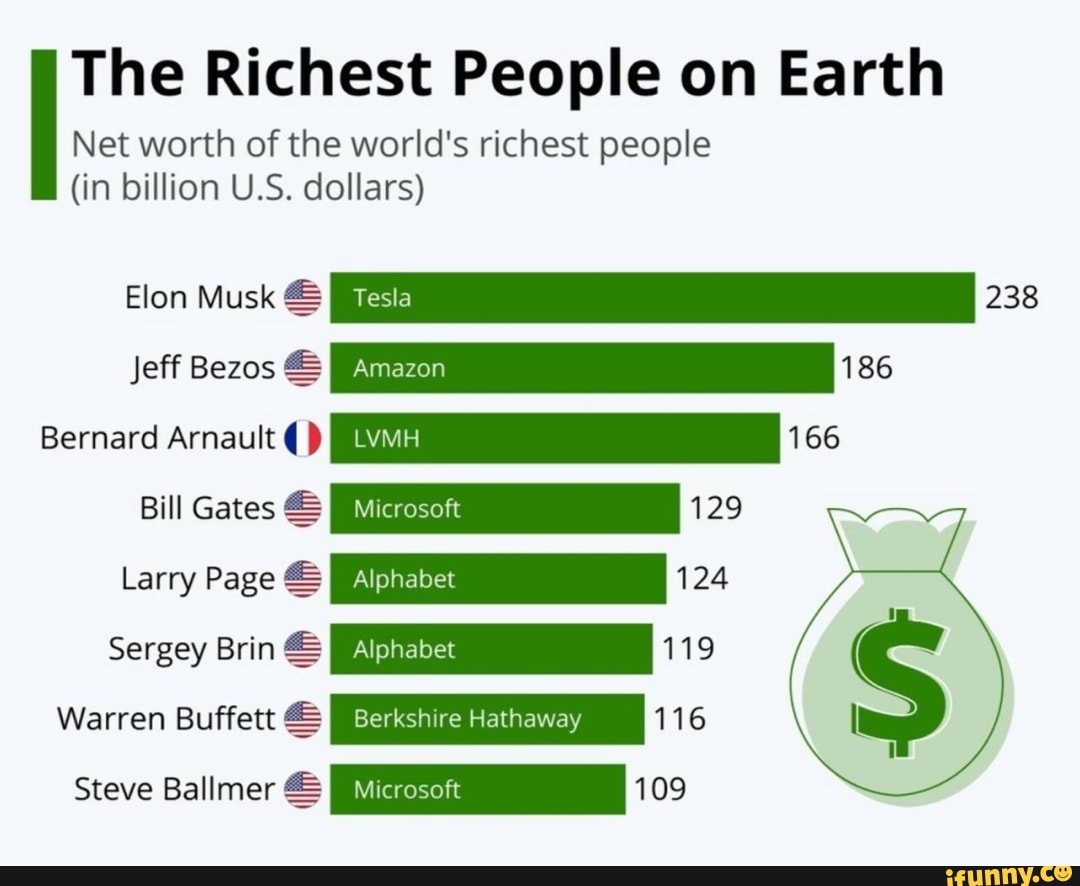
The designation of individuals with a net worth exceeding 3.8 billion dollars represents a specific echelon of global wealth, often associated with major industrial, technological, or financial control. This group consists of high-net-worth individuals whose assets—including equity stakes, private holdings, real estate, and liquidity—consistently surpass this substantial financial floor, placing them among the most influential economic actors currently shaping global markets.
Understanding the 3.8 Billion Dollar Valuation Benchmark
Calculating a net worth of over 3.8 billion dollars is a complex process that moves beyond mere cash-on-hand measurements. Financial analysts and researchers use specialized valuation methodologies to determine these figures. At this level of wealth, assets are rarely held in standard savings accounts; they are almost exclusively tied up in complex financial instruments.
The primary method for determining this net worth involves assessing the market value of publicly traded shares, multiplying them by the number of shares held by the individual. For private holdings, analysts look at comparable company multiples, EBITDA (Earnings Before Interest, Taxes, Depreciation, and Amortization), and recent private equity transaction history. Additionally, debt-to-asset ratios are subtracted to reach a "net" figure. When an individual crosses the 3.8 billion threshold, they are no longer merely "wealthy" in a conventional sense; they are categorized as ultra-high-net-worth individuals (UHNWIs) who command significant structural control over corporate entities.
Key Factors Influencing the Concentration of Wealth
The concentration of wealth at the 3.8 billion dollar level is not random. It is historically and economically tied to specific sectors that allow for massive scalability. Unlike traditional service-based businesses, the entities managed by these 26 or more individuals often leverage technology, global supply chains, or intellectual property rights.
- Equity Appreciation: Most of the wealth at this level is tied to stock market performance. A 10% movement in the stock price of a founding firm can equate to hundreds of millions of dollars in net worth fluctuation, which can shift an individual’s position relative to the 3.8 billion benchmark overnight.
- Global Diversification: Individuals in this bracket rarely keep their assets in a single geography. They utilize international tax planning and diversified investment portfolios to mitigate risk while ensuring the longevity of their capital.
- Intellectual Property and Innovation: Many individuals in this tier are founders or primary shareholders in companies that define their respective industries, such as software development, logistics, or consumer goods. The value here is derived from the "moat" created by their business model, which makes it difficult for competitors to displace them.
Comparing Wealth Tiers: The 3.8 Billion Threshold
To provide context on where the 3.8 billion dollar figure sits within the broader spectrum of global wealth, it is helpful to look at how different levels of assets function. This table outlines the characteristics of various tiers of extreme wealth.
| Wealth Tier | Asset Characteristics | Primary Influence |
|---|---|---|
| Centimillionaire | $100M – $999M | Business ownership, real estate portfolios. |
| Billionaire (Low Tier) | $1B – $3.7B | Regional industry leaders, specialized manufacturing. |
| Strategic Tier | $3.8B – $9.9B | Global market influence, significant institutional holdings. |
| Ultra-High Tier | $10B+ | National economy impact, cross-sector diversification. |
Strategic Management of Multi-Billion Dollar Portfolios
For an individual managing assets in excess of 3.8 billion dollars, the objective shifts from capital accumulation to wealth preservation and strategic deployment. At this stage, financial management involves a team of family offices, legal counsel, and tax specialists.
Wealth preservation at this level requires rigorous oversight of liquidity. Even with 3.8 billion in assets, an individual could be "illiquid" if their wealth is tied up in a single, non-divestible company stake. Therefore, a core component of this financial profile is the implementation of margin loans, hedging strategies, and liquidity events, such as public offerings or strategic divestitures. These mechanisms allow the individual to access capital without triggering massive tax events or losing control of their core assets.
Legal and Regulatory Considerations
The legal framework surrounding individuals with net worths greater than 3.8 billion is extensive. Jurisdictional compliance is perhaps the most significant challenge. These individuals are subject to complex reporting requirements, especially regarding foreign assets. For example, in many jurisdictions, ownership interests in entities exceeding 3.8 billion are subject to mandatory disclosure to regulatory bodies, such as the Securities and Exchange Commission (SEC) in the United States or equivalent international financial conduct authorities.
Taxation at this level is rarely a simple income tax calculation. It involves intricate structures like trusts, foundations, and offshore holding companies that must comply with international treaties against base erosion and profit shifting. Furthermore, there is the increasing scrutiny of social responsibility and environmental, social, and governance (ESG) standards. Large-scale wealth holders are increasingly expected to demonstrate how their assets are being used to support sustainable economic practices.
Common Misconceptions About High Net Worth
A frequent misunderstanding is the assumption that wealth above the 3.8 billion dollar level is easily accessible. Many believe that such wealth can be liquidated instantly, but in reality, much of this capital is "locked" into the businesses that created it. If a founder with 3.8 billion in shares attempted to liquidate their position entirely, the market price of their stock would likely plummet, permanently reducing their net worth.
Another misconception is the uniformity of these individuals' lifestyles. While popular culture often equates this level of wealth with specific patterns of consumption, the reality is that many individuals at this level operate with extreme frugality regarding personal expenditures, focusing their "spending" on reinvestment, charitable foundations, or philanthropic ventures.
Frequently Asked Questions
What does the 3.8 billion dollar threshold signify in financial markets? It represents a mid-tier position among the world’s elite billionaire class. It typically identifies individuals who have successfully scaled a business beyond regional markets, achieving a status where their assets have significant market impact but are not yet at the "mega-billionaire" level of top-tier global index leaders.
How often does an individual’s net worth fluctuate at this level? Daily. Because most wealth above 3.8 billion is held in public equities, the net worth of these individuals fluctuates in tandem with the stock market. During periods of high market volatility, an individual’s net worth can shift by hundreds of millions of dollars in a single trading session.
Are there specific industries where this net worth is most common? Historically, technology, finance, and consumer retail are the most common sectors. These industries allow for global scalability, which is essential to reaching the multi-billion dollar mark, as domestic markets alone rarely provide the growth necessary for such valuations.
What is the role of a family office for these individuals? A family office is a private firm that manages the finances for an ultra-high-net-worth individual or family. At the 3.8 billion dollar level, the family office handles everything from tax strategy and estate planning to philanthropic endeavors and direct private equity investments.
Does net worth equal liquid cash? No. Net worth is the total value of assets minus liabilities. For individuals at this level, almost all of the 3.8 billion is held in illiquid assets, such as private companies, real estate holdings, or restricted stock, rather than cash.
Next Steps for Understanding Wealth Thresholds
To gain a deeper understanding of these economic tiers, researchers should utilize official financial databases such as the Bloomberg Billionaires Index or the Forbes World’s Billionaires List. These platforms provide verified data points on individual wealth, including the methodology behind their rankings. Monitoring these lists regularly provides a window into the shifts in global wealth, the movement of industrial trends, and the changing composition of the global elite. For those interested in the impact of these individuals, analyzing their public holdings and recent philanthropic initiatives offers the most accurate insight into how this level of capital influences the modern world.