For the 2025 tax year, the primary filing deadline for Form 1040-NR is April 15, 2026, for nonresident aliens who received wages subject to U.S. income tax withholding. If you did not receive wages subject to withholding, your filing deadline is June 15, 2026. Extensions can move these dates to October 15, 2026.
Navigating the U.S. tax system as a nonresident alien involves understanding specific timelines that differ significantly from those applicable to U.S. citizens or residents. Because the Internal Revenue Service (IRS) distinguishes between types of income and the presence of withholding, missing a deadline can lead to the forfeiture of tax treaty benefits, the denial of certain deductions, and the accrual of significant penalties and interest. As we move through the 2026 filing season, it is essential to identify which category you fall into and what documentation is required to ensure compliance for the 2025 tax year.
Determining Your Residency Status for Tax Purposes
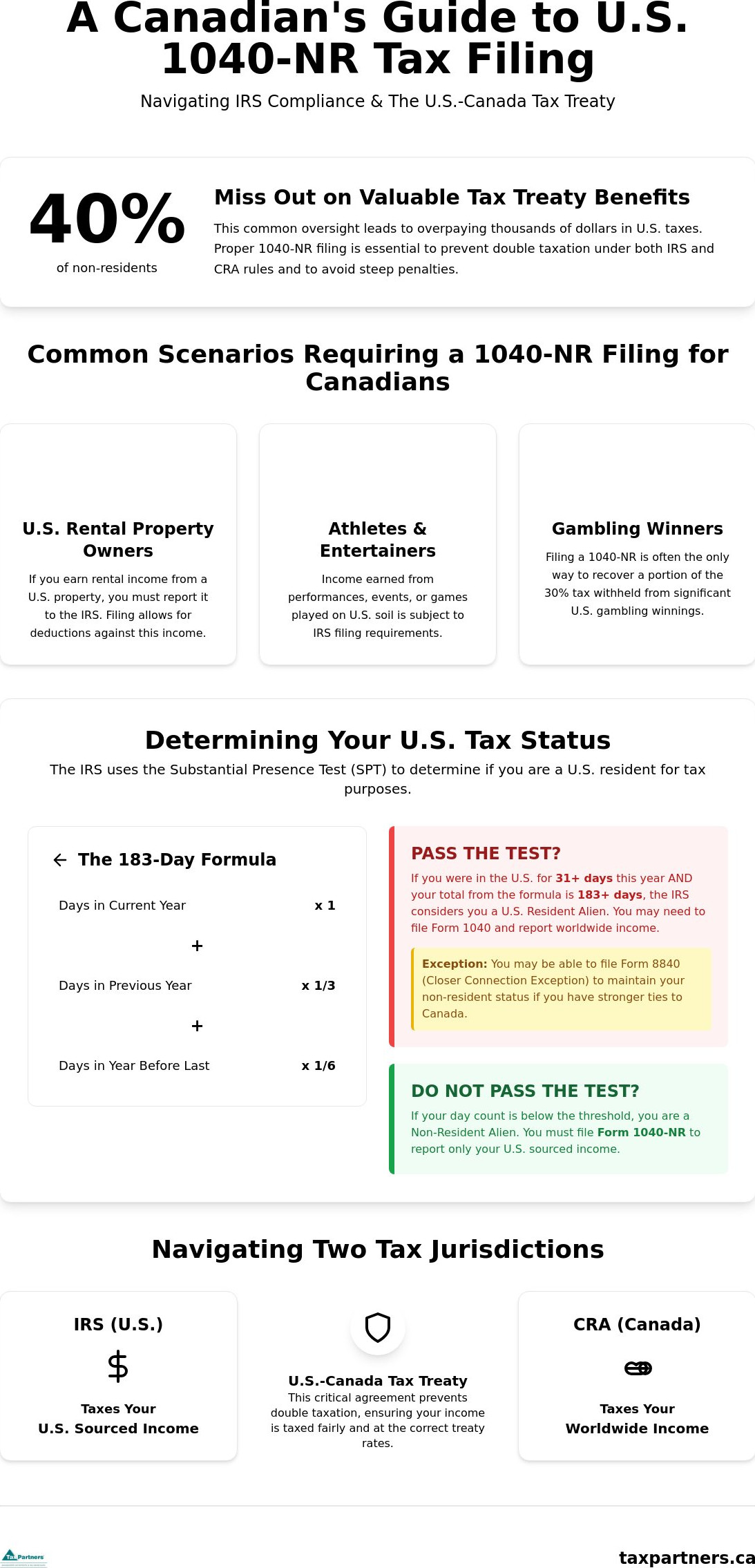
Before addressing the specific 2025 1040-NR filing deadlines, you must confirm that Form 1040-NR is indeed the correct document for your situation. The IRS distinguishes between "nonresident aliens" and "resident aliens" based on two primary tests: the Green Card Test and the Substantial Presence Test.
The Green Card Test
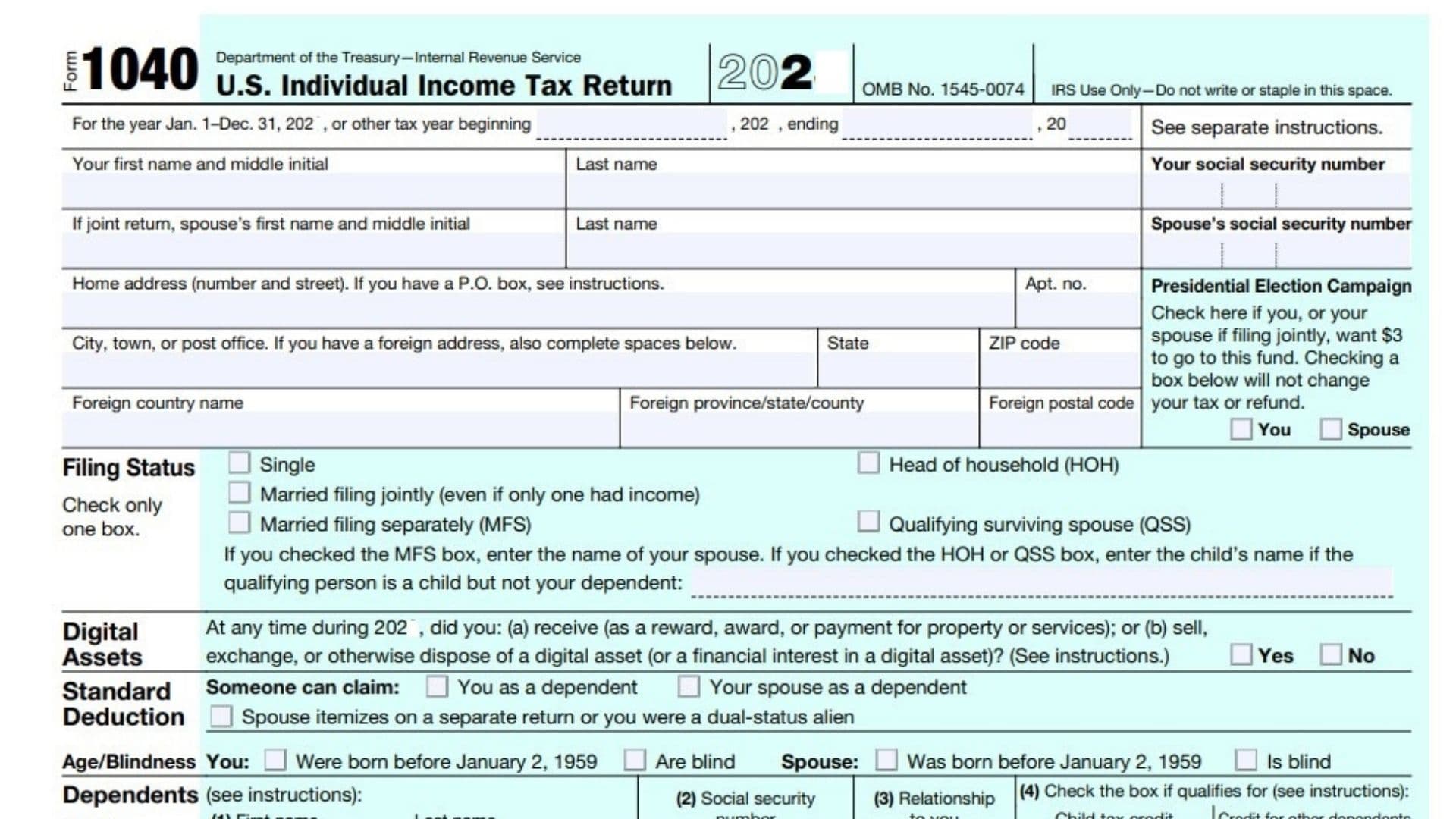
If you were a lawful permanent resident of the United States at any time during the 2025 calendar year, you are generally considered a resident alien for tax purposes. In this case, you would typically file Form 1040 rather than Form 1040-NR.
The Substantial Presence Test
This is a mathematical formula that calculates how many days you were physically present in the U.S. over a three-year period. You meet this test if you were present in the U.S. for at least:
- 31 days during 2025, and
- 183 days during the three-year period that includes 2025, 2024, and 2023.
When calculating the 183 days, you count all the days you were present in 2025, one-third of the days you were present in 2024, and one-sixth of the days you were present in 2023. If you do not meet this test, you are classified as a nonresident alien and must file Form 1040-NR to report U.S.-source income.
Exempt Individuals
It is important to note that certain individuals, such as students on F, J, M, or Q visas and teachers or trainees on J or Q visas, may be "exempt individuals" regarding the Substantial Presence Test for a specific number of years. For instance, F-1 students are generally exempt from counting days for five calendar years. Even if they have no U.S. income, these individuals often still have a filing requirement (Form 8843) by the April deadline.
Key 2025 1040-NR Filing Deadlines in 2026
The IRS provides two distinct deadlines for nonresident aliens based on the nature of their U.S. income. Determining which one applies to you depends on whether you were an employee receiving a salary or an investor/contractor receiving other types of income.
The April 15, 2026, Deadline
This is the standard deadline for most taxpayers. You must file Form 1040-NR by April 15, 2026, if you were a nonresident alien who:
- Received wages, salaries, tips, or other compensation subject to U.S. income tax withholding.
- Is an office-holder or employee of a foreign government or international organization.
- Is a student or trainee who earned income in the U.S. that exceeded the personal exemption or treaty limits.
Because April 15, 2026, falls on a Wednesday, there are no weekend or holiday shifts to the deadline for the general population, though specific local holidays (like Patriots' Day in Massachusetts or Maine) may provide a one or two-day buffer for residents of those specific states.
The June 15, 2026, Deadline
Nonresident aliens who did not receive wages subject to U.S. withholding have an additional two months to file. This deadline typically applies to:
- Individuals whose only U.S. income was from dividends, interest, or royalties (FDAP income).
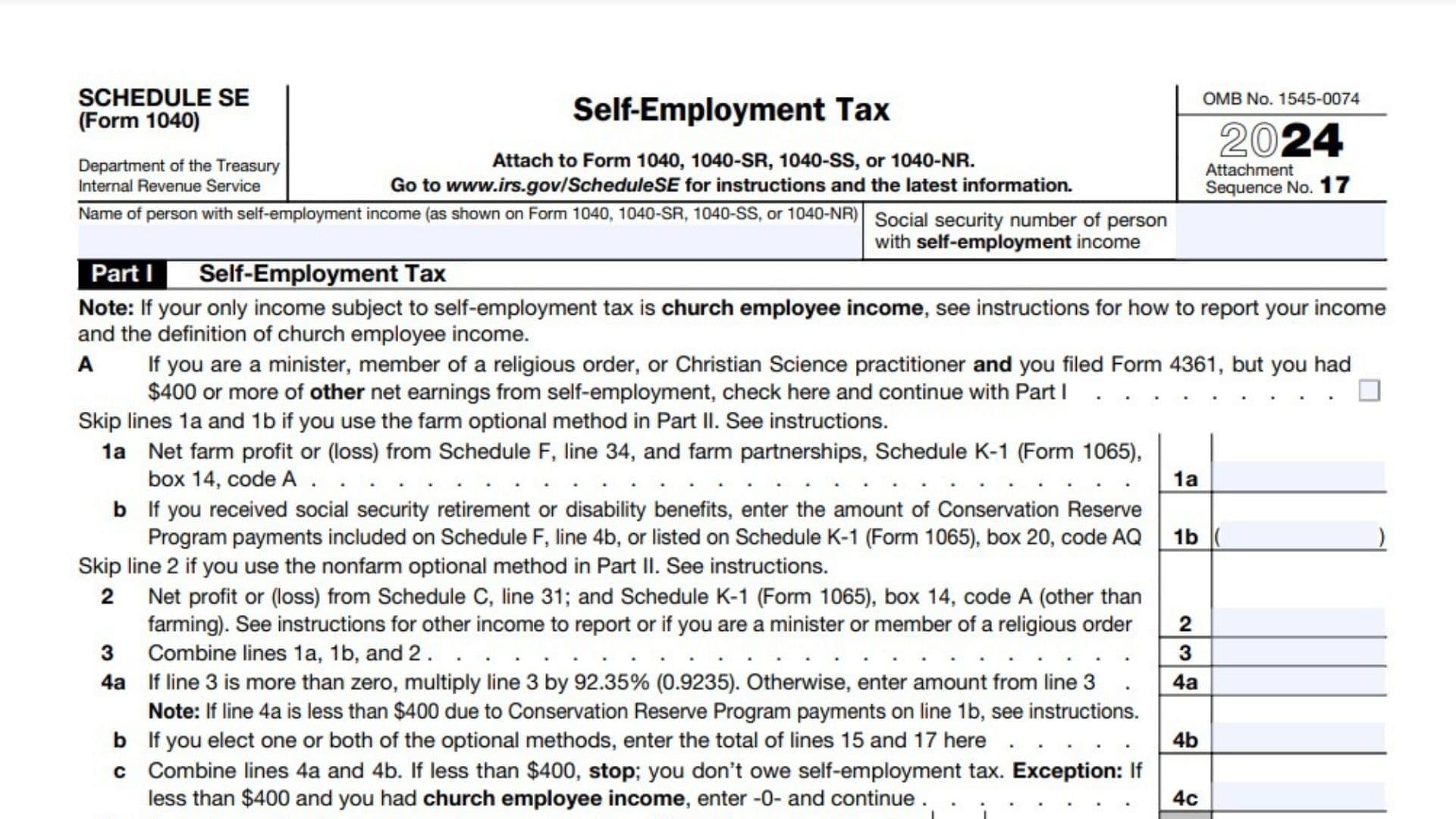
- Self-employed individuals or independent contractors who did not have taxes withheld at the source.
- Individuals who are filing solely to claim a refund of over-withheld tax on investment income or to report capital gains.
If June 15 falls on a Saturday or Sunday, the deadline moves to the following Monday. In 2026, June 15 is a Monday, so the deadline remains unchanged.
The Extension Deadline: October 15, 2026
If you cannot meet the April or June deadlines, you can request an automatic six-month extension. To do this, you must file Form 4868, "Application for Automatic Extension of Time To File U.S. Individual Income Tax Return."
Crucially, an extension of time to file is not an extension of time to pay. If you expect to owe taxes for the 2025 tax year, you must estimate your tax liability and pay that amount by your original deadline (April 15 or June 15) to avoid interest and late-payment penalties.
| Filing Category | Original Deadline | Extension Deadline (with Form 4868) |
|---|---|---|
| Nonresidents with W-2 Wages | April 15, 2026 | October 15, 2026 |
| Nonresidents without W-2 Wages | June 15, 2026 | October 15, 2026 |
| Form 8843 (No Income) | April 15, 2026 | Not Applicable |
| Dual-Status Filers | April 15, 2026 | October 15, 2026 |
Types of Income and Their Impact on Filings
Understanding the types of income you received in 2025 is vital for accurate reporting and meeting the correct deadline. The IRS categorizes nonresident income into two main buckets:
Effectively Connected Income (ECI)
ECI is income earned from the conduct of a trade or business within the United States. This includes wages earned while working in the U.S., as well as income from a business you operate here. ECI is generally taxed at graduated rates (the same rates that apply to U.S. citizens). If you have ECI, you are almost always subject to the April 15 deadline.
Fixed, Determinable, Annual, or Periodical (FDAP) Income
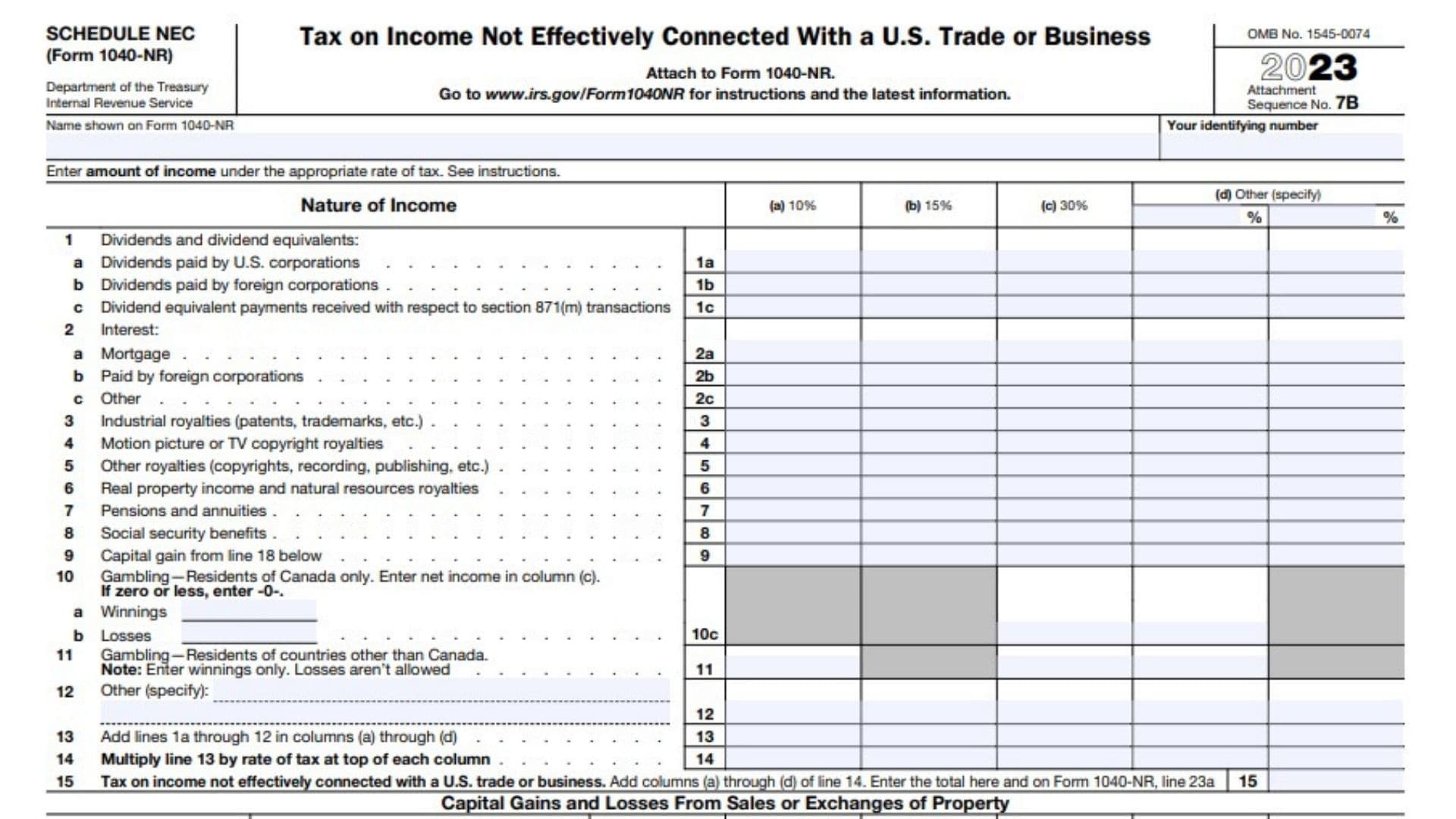
FDAP income includes passive income such as interest, dividends, rents, and royalties. This income is typically taxed at a flat 30% rate unless a lower tax treaty rate applies. If your only U.S. income is FDAP and no withholding was required (or if it was withheld correctly at the source), you might not even need to file a return. However, if you are filing to claim a treaty benefit or a refund, you fall under the June 15 deadline if no wages were involved.
Penalties and Consequences of Late Filing
Missing the 2025 1040-NR filing deadlines can be more costly for nonresidents than for residents. The IRS is particularly strict regarding the "timely filing" requirement for nonresidents who wish to claim deductions and credits.
- Loss of Deductions and Credits: Under IRS Treasury Regulation §1.874-1, a nonresident alien may lose the right to claim deductions and credits if they do not file a "true and accurate" return within a specific timeframe (usually 16 months from the original due date). This means you could be taxed on your gross income rather than your net income.
- Failure-to-File Penalty: This penalty is generally 5% of the unpaid taxes for each month or part of a month that a return is late, capping at 25%. If the return is more than 60 days late, the minimum penalty is the smaller of $485 (adjusted for inflation) or 100% of the unpaid tax.
- Failure-to-Pay Penalty: This penalty is 0.5% of the unpaid taxes for each month or part of a month the tax remains unpaid, also capping at 25%.
- Interest: The IRS charges interest on underpayments, which is adjusted quarterly. This interest compounds daily from the original due date of the return.
Special Considerations for F-1 and J-1 Visa Holders
Many international students and scholars are surprised to learn they have a filing requirement even if they did not work in the U.S. during 2025.
Form 8843
If you were present in the U.S. in 2025 under an F, J, M, or Q visa and you are a nonresident for tax purposes, you must file Form 8843, "Statement for Exempt Individuals and Individuals with a Medical Condition." This form is not a tax return, but rather a document that explains to the IRS why you are not counting your days of presence toward the Substantial Presence Test.
If you have no income to report, the deadline for Form 8843 is June 15, 2026. However, if you are filing Form 1040-NR because you had income, you should attach Form 8843 to your tax return and follow the 1040-NR deadline (typically April 15).
Tax Treaties
The U.S. has tax treaties with over 60 countries. These treaties often allow nonresident students and researchers to exempt a portion of their U.S. income from taxation. To claim these benefits, you must file Form 1040-NR and complete Schedule OI. Failing to file on time can complicate your ability to claim these benefits in future years or during an audit.
How to File Your 2025 1040-NR
Filing Form 1040-NR is notoriously more complex than filing Form 1040 because many popular consumer tax software programs (like the basic versions of TurboTax or H&R Block) do not support nonresident returns.
Electronic Filing (e-file)
The IRS encourages e-filing for faster processing. Nonresidents can use specialized software such as Sprintax or Glacier Tax Prep, which are designed specifically for nonresident aliens. These platforms ensure that treaty benefits are correctly applied and that the return is formatted according to IRS specifications.
Paper Filing
If you choose to mail your return, the address depends on whether you are enclosing a payment.
- Without payment: Department of the Treasury, Internal Revenue Service, Austin, TX 73301-0215, USA.
- With payment: Internal Revenue Service, P.O. Box 1303, Charlotte, NC 28201-1303, USA.
When mailing from abroad, use a registered mail service with tracking to prove "timely mailing" in case the return is lost or delayed in transit. The IRS considers a return filed on the date of the postmark.
State Filing Deadlines for 2025
While this guide focuses on federal deadlines, most U.S. states also require a tax filing if you earned income within their borders. Most states align their deadlines with the federal April 15 date. However, state residency rules for nonresidents can differ significantly from federal rules. For example, California and New York have their own "statutory resident" tests that do not always mirror the IRS Substantial Presence Test. Always verify the specific deadline for the state where you lived or worked.
Frequently Asked Questions
What happens if I missed the April 15 deadline but don't owe any taxes?
If you are owed a refund, there is generally no penalty for filing a late return. However, you must file within three years of the original due date to claim your refund. For the 2025 tax year, you would have until April 15, 2029, to claim a refund. Note that filing late still delays your refund and may affect your immigration status or future visa applications, as "compliance with U.S. laws" is often a requirement.
Can I file Form 1040-NR if I am a "Dual-Status" alien?
Yes, but the process is different. A dual-status alien is someone who was both a nonresident and a resident in the same tax year (usually the year you arrive in or depart from the U.S.). You must file one return covering the portion of the year you were a resident and attach a statement (often the other form) covering the portion you were a nonresident. The deadline for dual-status filers is April 15, 2026.
Do I need an ITIN to file by the deadline?
If you are not eligible for a Social Security Number (SSN), you must have an Individual Taxpayer Identification Number (ITIN) to file a tax return. If you do not have one, you should apply for it using Form W-7 at the same time you file your 1040-NR. Filing your return with a W-7 application attached is considered a timely filing, even if it takes the IRS several weeks to process the ITIN and the return.
I live outside the U.S. but have U.S. rental income. When is my deadline?
If your rental income is your only U.S. source of income and you have not received wages subject to withholding, your deadline is June 15, 2026. However, if you choose to treat the rental income as ECI (to allow for deductions like mortgage interest and repairs), you should still aim for the June 15 deadline unless you have other wage-based income.
Is the 2025 1040-NR form different from the 2024 version?
While the core structure of Form 1040-NR remains consistent, the IRS often updates tax brackets, standard deduction equivalents (for specific treaty countries like India), and reporting requirements for digital assets. Always ensure you are using the version labeled "2025" when preparing your filing in 2026.
Practical Recommendation for 2025 Filings
To ensure a smooth filing process for the 2025 tax year, your first step should be to gather all relevant tax documents—specifically Form W-2 (for wages), Form 1042-S (for treaty-exempt income or scholarships), and Form 1099 (for interest or dividends)—by the end of February 2026.
If you determine that you are a nonresident alien, evaluate your income type immediately. If you have any W-2 income, prioritize the April 15, 2026, deadline. If you are struggling to collect documentation or calculate treaty benefits, file Form 4868 before April 15 to secure an extension until October. Finally, if you are a student or scholar with no income, do not neglect Form 8843; while it carries no financial penalty for late filing, it is a critical component of maintaining your legal tax record in the United States.
Disclaimer: This article is for informational purposes only and does not constitute legal, financial, or tax advice. Tax laws are subject to change and vary based on individual circumstances and tax treaty specifics. Consult with a qualified tax professional or refer to IRS Publication 519 (U.S. Tax Guide for Aliens) for authoritative guidance.