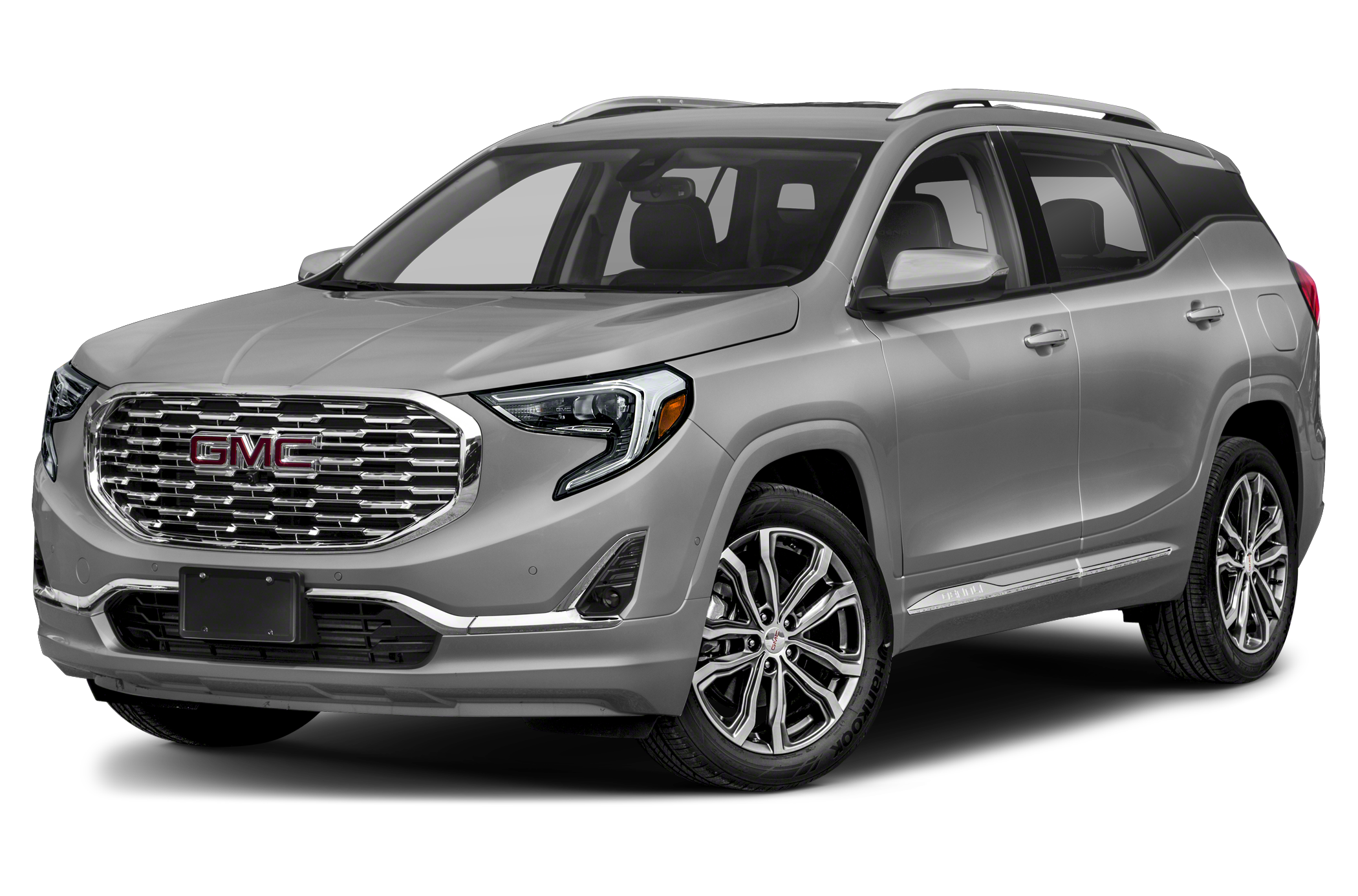
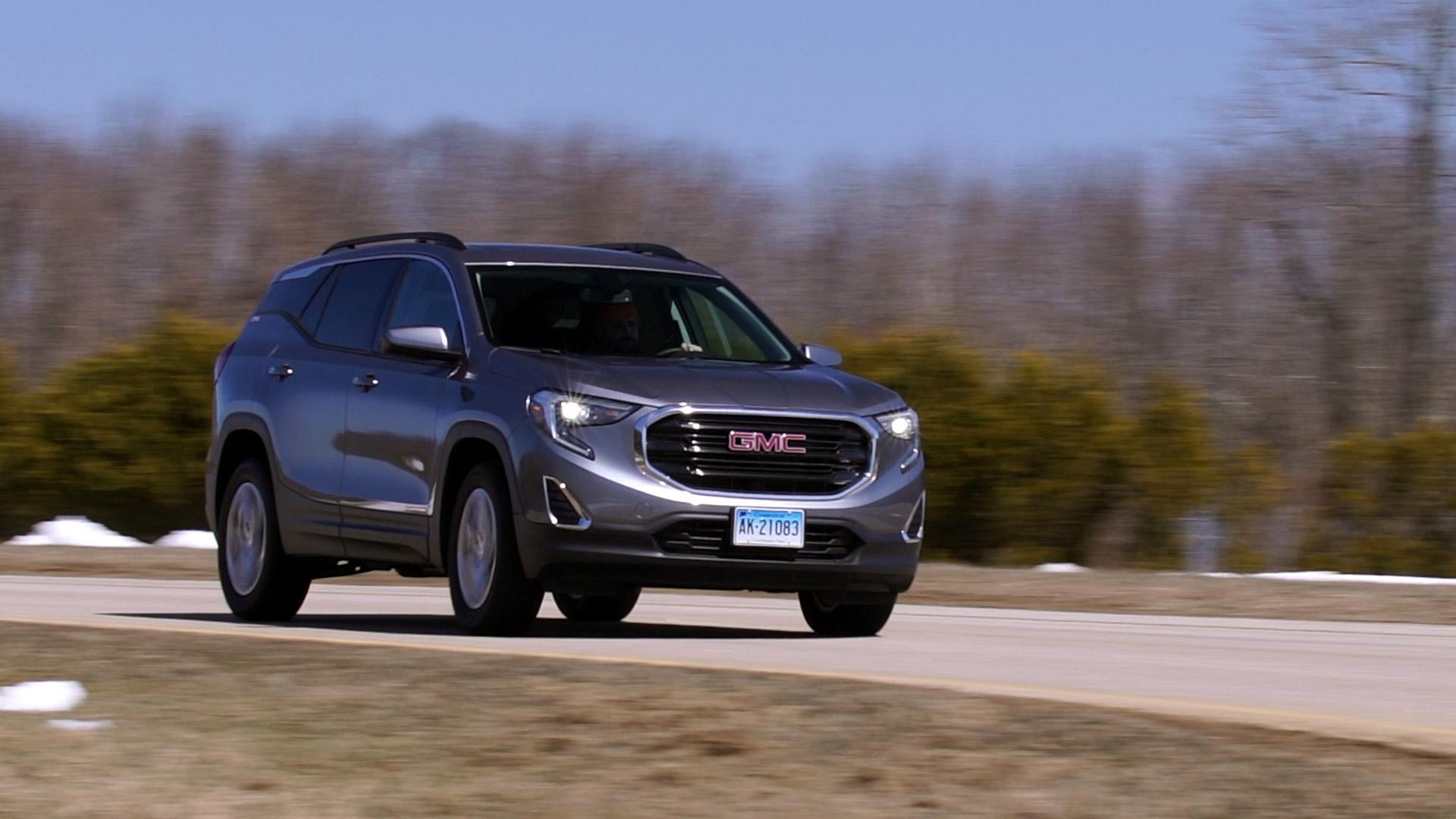
The 2018 GMC Terrain SLE represents a pivotal generation for General Motors’ compact crossover lineup, introducing a complete redesign featuring turbocharged powertrain options and advanced electronic architectures. For prospective buyers and current owners evaluating its long-term viability, this reliability report examines powertrain performance, common mechanical vulnerabilities, consumer satisfaction trends, and ongoing maintenance requirements to determine how well the vehicle holds up over time.
Introduction to the 2018 GMC Terrain SLE
The 2018 model year marked the beginning of the second generation for the GMC Terrain. Shedding its previous boxy exterior, the redesigned crossover adopted a sleek, modern profile accompanied by a cabin overhaul and a completely revamped engine lineup. The SLE trim sits as a core volume seller, offering a balance of standard features, utility, and price point that attracts families and daily commuters alike.
However, major platform overhauls frequently introduce developmental hurdles. By examining reliability data compiled from consumer surveys, automotive diagnostic databases, and technical service bulletins (TSBs), we can construct a transparent assessment of the 2018 GMC Terrain SLE. Understanding these mechanical tendencies helps buyers avoid costly surprises and allows current owners to address minor symptoms before they escalate into major component failures.
Powertrain Options and Specifications
The 2018 GMC Terrain moved away from naturally aspirated V6 engines, pivoting entirely toward forced-induction, smaller-displacement powerplants paired with modern automatic transmissions. The SLE trim could be configured with a standard 1.5-liter turbocharged inline-four gas engine or an available 1.6-liter turbocharged diesel inline-four, each bringing distinct engineering dynamics to the vehicle.
The standard 1.5-liter Turbo (LYX) produces 170 horsepower and 203 lb-ft of torque, mated to a 9-speed Hydra-Matic 9T45 automatic transmission. Meanwhile, the 1.6-liter Turbo-Diesel (LH7) generates 137 horsepower and 240 lb-ft of torque, coupled with a 6-speed automatic transmission (6T45). Both configurations were available in standard front-wheel drive (FWD) or optional all-wheel drive (AWD).
| Engine Option | Transmission | Horsepower | Torque | Fuel Economy (EPA Est. FWD) | Primary Reliability Focus |
|---|---|---|---|---|---|
| 1.5L Turbo I4 | 9-Speed Automatic | 170 hp | 203 lb-ft | 26 mpg City / 30 mpg Hwy | Turbocharger lines, oil consumption, low-speed shift calibration |
| 1.6L Turbo-Diesel I4 | 6-Speed Automatic | 137 hp | 240 lb-ft | 28 mpg City / 39 mpg Hwy | Emissions systems, DEF heaters, EGR valve carbon buildup |
Common Mechanical Issues and Complaint Trends
While the 2018 GMC Terrain SLE offers comfortable ride quality and commendable fuel efficiency, automotive reliability trackers and owner forums highlight several recurring mechanical grievances. Knowing these patterns allows mechanics and owners to target inspections accurately.
Transmission and Drivetrain Performance
The 9-speed automatic transmission paired with the 1.5L engine faced scrutiny early in its production lifecycle. Owners frequently reported harsh shifting, delayed engagement when shifting between Park, Reverse, and Drive, and occasional shuddering during acceleration. General Motors released multiple powertrain control module (PCM) and transmission control module (TCM) software updates to recalibrate shift logic. In many cases, software flashes resolved the erratic behavior, though mechanical wear on valve bodies remains a point of observation in high-mileage examples.
Engine and Turbocharger Concerns
The 1.5-liter turbocharged engine relies on direct injection and high operating pressures. Some owners have documented instances of oil consumption exceeding normal parameters, necessitating frequent oil level checks between scheduled service intervals. Additionally, issues related to the turbocharger wastegate actuator and associated vacuum or oil supply lines have appeared in technical service bulletins. Maintaining clean, high-grade synthetic oil at strict intervals is paramount for preserving the longevity of this turbocharger system.
Electrical and Infotainment Glitches
The 2018 model year integrated the GMC Infotainment System with a 7-inch touchscreen standard on the SLE. Early production units frequently suffered from software bugs, including freezing screens, intermittent backup camera failure, Bluetooth pairing drops, and unresponsive audio controls. Many of these infotainment issues were mitigated via over-the-air updates or dealership-installed software patches.
Brake and Suspension Wear
As a heavier compact SUV, the Terrain places substantial load on its braking and suspension components. Front brake pads and rotors tend to experience accelerated wear compared to lighter sedan counterparts. Suspension components, particularly front stabilizer links and control arm bushings, should be inspected routinely for premature degradation, especially on vehicles driven frequently over rough or unpaved road surfaces.
Safety Recalls and Technical Service Bulletins (TSBs)
Reviewing official safety recalls issued by the National Highway Traffic Safety Administration (NHTSA) is essential for evaluating any used vehicle purchase. The 2018 GMC Terrain was subject to several notable recalls during its initial years on the market:
- Brake Caliper Piston Coating: Certain 2018 models faced a recall where gas pockets formed on the rear brake caliper pistons during manufacturing, potentially reducing rear braking performance. Dealers resolved this by bleeding the brake system.
- Electronic Stability Control (ESC) Software: Certain vehicles required a software update to prevent the electronic stability control system from inadvertently failing to activate under specific driving conditions.
- High-Pressure Fuel Pump: Select vehicles required inspections and replacements of high-pressure fuel pumps prone to internal fracture, which could lead to fuel starvation and engine stalling.
Prospective buyers should always run the vehicle identification number (VIN) through the official NHTSA database or a dealer portal to confirm that all open safety recalls have been successfully completed.
Maintenance Costs and Long-Term Durability
Evaluating the financial aspect of vehicle ownership requires looking beyond initial purchase prices to factor in routine upkeep, insurance, and predictable repair probabilities. The 2018 GMC Terrain SLE generally aligns with mainstream American compact SUV maintenance averages, but certain components demand proactive budgetary planning.
Routine Maintenance Requirements
Adhering to the manufacturer's oil change intervals is non-negotiable for turbocharged direct-injection engines. Owners must use dexos1-approved full synthetic oils to prevent carbon buildup on intake valves and protect turbocharger bearings from premature thermal breakdown. Transmission fluid changes, typically recommended between 45,000 and 60,000 miles under severe service conditions, help safeguard the complex 9-speed automatic transmission.
Projected Repair and Ownership Expenses
Out-of-warranty repairs for electronics, turbocharger accessories, or transmission valve body servicing can range from moderate to high depending on labor rates. Purchasing an exclusionary extended warranty or conducting a thorough pre-purchase inspection (PPI) by an independent certified mechanic can mitigate financial risks when acquiring a high-mileage 2018 model.
Consumer Satisfaction and Expert Reviews
Automotive review publications and consumer feedback platforms paint a nuanced picture of the 2018 GMC Terrain SLE. Reviewers frequently praise the vehicle's quiet cabin, ergonomic interior layout, intuitive steering feel, and impressive highway fuel economy. The ride quality absorbs road imperfections well, and the rear seat offers generous legroom for passengers.
Conversely, criticism centers around interior material quality—noting an abundance of hard plastics on lower dashboard surfaces—and underwhelming acceleration from the base 1.5L engine when passing at highway speeds. Reliability scores from agencies like J.D. Power positioned the 2018 Terrain around average for its segment during its initial release years, reflecting a mix of high praise for comfort and criticism regarding early electronic and transmission glitches.
Frequently Asked Questions
Is the 2018 GMC Terrain SLE a reliable used SUV?
The 2018 GMC Terrain SLE offers average reliability for its class, provided it has been properly maintained and received all factory software updates. Buyers should prioritize models with documented service history and verified completion of safety recalls.
What is the most common problem with the 2018 GMC Terrain?
The most widely reported issues involve rough shifting or hesitation in the 9-speed automatic transmission, along with minor electronic glitches in the infotainment touchscreen interface. Many of these issues were addressed via dealer software updates.
Does the 2018 GMC Terrain SLE have engine oil consumption issues?
Some owners of the 1.5-liter turbocharged engine have reported higher-than-average oil consumption. Checking the oil level regularly between scheduled maintenance intervals is strongly advised to prevent internal engine damage.
Are replacement parts expensive for a 2018 GMC Terrain?
As a mainstream General Motors vehicle, replacement parts are widely available through both OEM and aftermarket channels. Standard maintenance items are reasonably priced, though specialized turbocharger or transmission components carry higher repair bills.
How can I check if a 2018 GMC Terrain SLE has open recalls?
You can verify open safety recalls by entering the vehicle's 17-digit Vehicle Identification Number (VIN) into the official NHTSA recall lookup tool or by contacting an authorized GMC dealership service department.
Conclusion and Final Recommendation
The 2018 GMC Terrain SLE is a versatile, comfortable compact SUV that serves daily commuting and family hauling duties effectively. However, its reliability profile requires due diligence. Prospective buyers must verify that past owners kept up with rigorous oil-change schedules and that all powertrain-related TSBs and safety recalls have been executed. For those willing to inspect service records carefully and maintain upkeep proactively, the 2018 Terrain SLE represents a practical and functional choice in the used vehicle market.