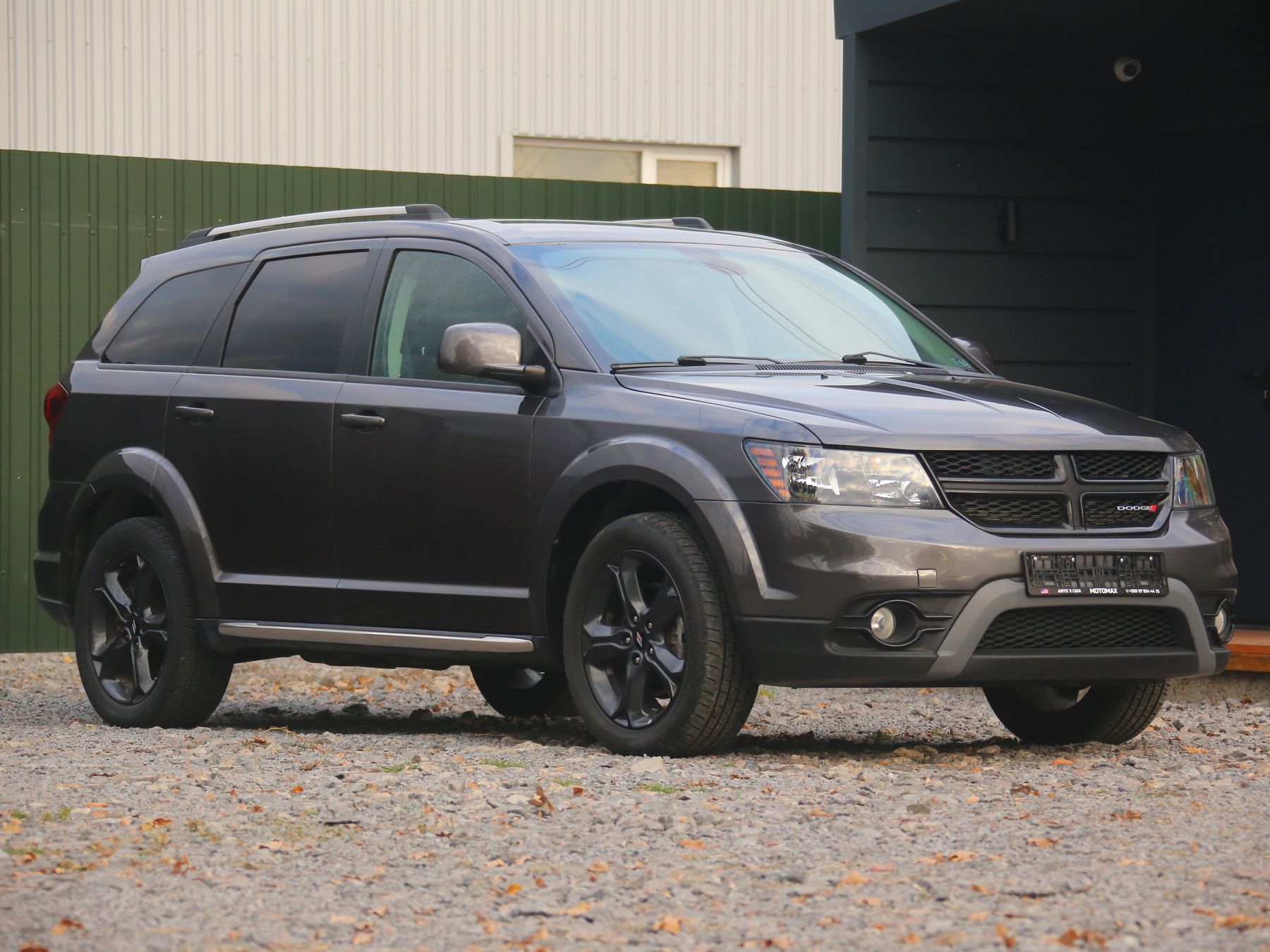
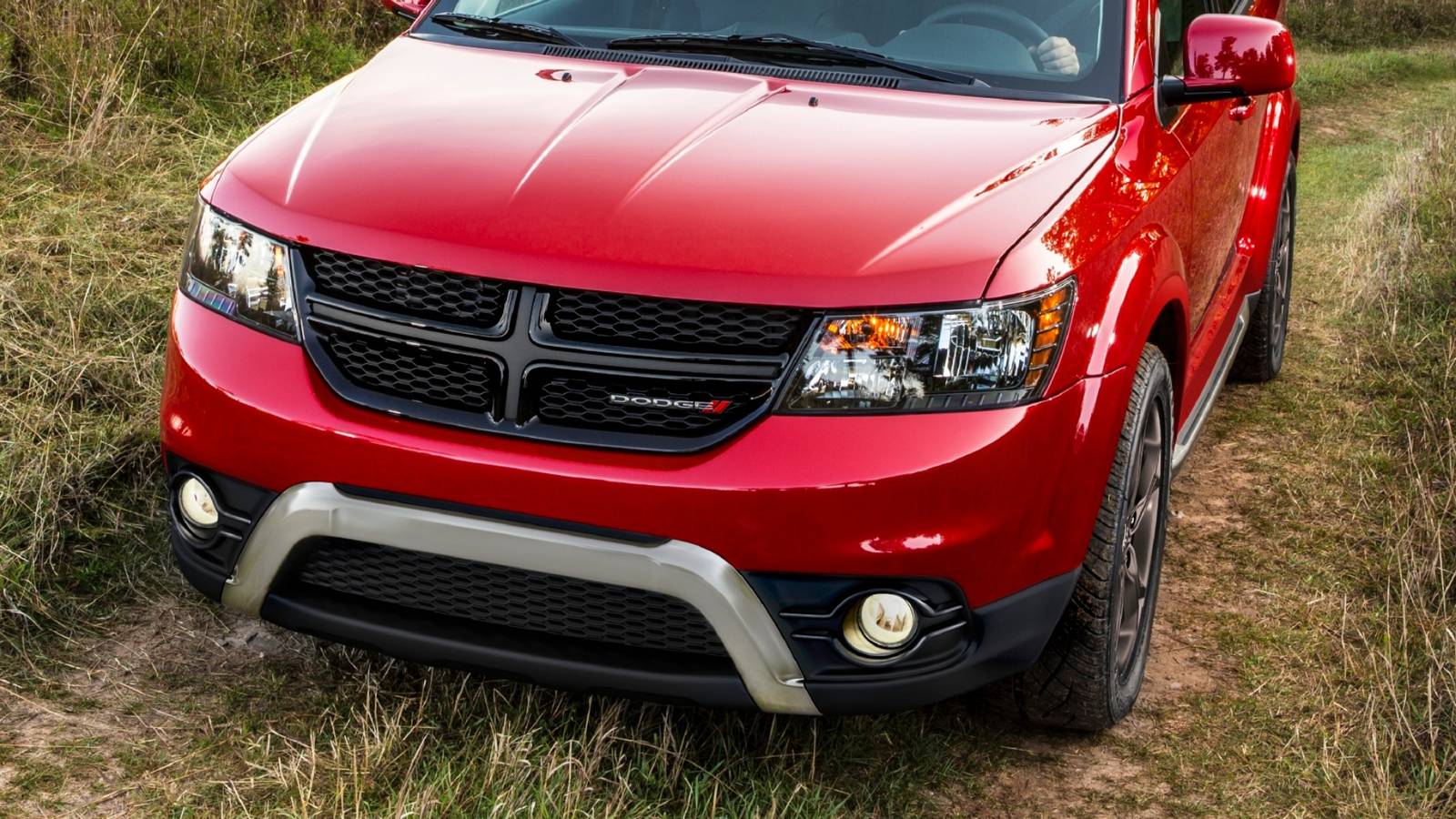
The 2018 Dodge Journey Crossroad presents a blend of budget-friendly three-row versatility and persistent mechanical vulnerabilities, most notably transmission hesitation, suspension wear, and interior electronics failures. Prospective buyers and current owners frequently encounter issues ranging from rough shifting in the 6-speed automatic transmission to premature brake wear, tip-totally integrated power module (TIPM) electrical glitches, and interior trim degradation.
Introduction to the 2018 Dodge Journey Crossroad
When evaluating the 2018 Dodge Journey Crossroad, drivers enter the market for a crossover utility vehicle that prioritizes initial affordability and interior packaging over cutting-edge engineering. Positioned between the mid-tier SXT and the range-topping GT, the Crossroad trim added a rugged aesthetic package featuring gloss-black exterior accents, 19-inch hyper-black aluminum wheels, leather-seated interiors with sport mesh inserts, and an 8.4-inch Uconnect touchscreen infotainment system.
Underneath its exterior styling, the 2018 Journey Crossroad carried forward a platform that had remained largely unchanged since its debut for the 2009 model year. For the 2018 model year, front-wheel-drive (FWD) models came exclusively with the venerable 2.4-liter Tigershark 4-cylinder engine mated to a dated 4-speed automatic transmission, while all-wheel-drive (AWD) variants upgraded to the 3.6-liter Pentastar V6 engine paired with a 6-speed automatic transmission. This mechanical aging process means that common failures are well-documented across automotive forums, mechanic shops, and official technical service bulletins (TSBs). Understanding these recurring problems helps owners diagnose symptoms early, budget for repairs, and determine whether a used Journey Crossroad represents a sound investment.
Powertrain Performance and Transmission Complications
The powertrain options in the 2018 Dodge Journey Crossroad define much of the driving experience—and a significant portion of its reliability concerns. Buyers must navigate two distinct mechanical setups, each carrying unique failure points.
The 2.4L 4-Cylinder and 4-Speed Automatic Combination
Front-wheel-drive models rely on a 2.4-liter 4-cylinder engine producing 173 horsepower. Paired with an antiquated 4-speed automatic transmission, this configuration is heavily criticized for sluggish acceleration, high cabin noise under hard throttle, and subpar fuel economy relative to modern competitors. Mechanically, the engine itself is relatively durable if oil change intervals are strictly observed, but owners frequently report high oil consumption as mileage climbs past 100,000 miles. Failing to check oil levels regularly can lead to premature valvetrain wear.
The 3.6L Pentastar V6 and 6-Speed Automatic Combination
The available 3.6-liter Pentastar V6 engine—standard on AWD models and optional on select trims—delivers a much more adequate 283 horsepower. However, it introduces its own set of known issues:
- Oil Cooler / Filter Housing Leaks: The plastic oil cooler assembly located in the valley of the V6 engine is notorious for cracking and leaking coolant or oil. A sweet burning smell or visible puddles underneath the vehicle usually signal this failure.
- Transmission Shifting Hesitation: The 6-speed automatic transmission (specifically the 62TE unit) is prone to harsh shifting, delayed engagement when moving between Drive and Reverse, and sudden downshifting jerks. Software updates from Dodge dealerships can sometimes mitigate these symptoms, but mechanical wear within the valve body often necessitates component replacement.
Suspension, Steering, and Drivetrain Weaknesses
Because the Dodge Journey platform carries significant weight for its footprint, the suspension and steering components endure heavy operational stress. Owner experiences frequently highlight premature wear in several key areas.
Suspension Component Wear
By 80,000 to 100,000 miles, many 2018 Journey Crossroad owners report clunking noises from the front end when driving over bumps or turning the steering wheel. The primary culprits include:
- Lower Control Arms and Ball Joints: The rubber bushings in the factory control arms deteriorate rapidly, leading to excessive wheel play, uneven tire wear, and loose steering feel.
- Struts and Strut Mounts: Leaking struts and degraded upper strut mounts cause a floating ride quality, excessive body roll in corners, and sharp impacts transmitted directly into the cabin.
Drivetrain and AWD Failures
For AWD models, the power transfer unit (PTU) and rear differential require diligent fluid changes. Neglecting these services can lead to whining noises at highway speeds, binding during tight turns, and eventual internal seizure of the PTU, resulting in costly drivetrain repairs.
Electrical Gremlins and Interior Electronics
Modern vehicles rely heavily on stable electrical architecture, and this is an area where the aging architecture of the 2018 Dodge Journey Crossroad shows its limitations.
Uconnect Infotainment and Screen Delamination
The 8.4-inch Uconnect system is a central feature of the Crossroad trim, but it is plagued by a phenomenon known as "screen delamination" or "bubbling." The adhesive between the touchscreen digitizer and the display panel breaks down due to cabin heat, causing ghost touches, unresponsive areas, or complete freezing of the radio, climate controls, and navigation. Replacing the unit with an aftermarket head unit or an updated OEM assembly is often the only permanent fix.
Battery Drain and TIPM Issues
Intermittent battery drains are a frequent complaint among owners. The Totally Integrated Power Module (TIPM) and Body Control Module (BCM) can fail to enter "sleep mode" when the vehicle is turned off, draining the battery overnight. Additionally, erratic behavior from power windows, door locks, and interior lighting frequently traces back to corroded grounds or failing relays within the main power distribution box.
Brake System Vulnerabilities and Premature Wear
Stopping a three-row crossover weighing over 4,000 pounds places immense thermal and mechanical loads on the braking system. The 2018 Journey Crossroad is widely known for chewing through brake pads and rotors much faster than average vehicles in its class.
- Warped Rotors: Owners frequently experience steering wheel vibration and pulsing brake pedals under moderate-to-heavy braking. This is typically caused by uneven heat dissipation leading to warped front brake rotors.
- Sticking Calipers: The sliding pins on the factory brake calipers are prone to seizing due to road salt and brake dust accumulation. A sticking caliper causes constant friction against the rotor, resulting in squealing noises, excessive wheel heat, rapid pad wear, and reduced fuel efficiency. Upgrading to aftermarket heavy-duty ceramic pads and coated rotors is a common remedial action taken by experienced owners.
Summary of Common 2018 Dodge Journey Crossroad Failures
| System / Component | Primary Symptom | Root Cause | Potential Severity & Impact |
|---|---|---|---|
| Transmission (62TE) | Harsh shifting, delay in engagement, slipping | Valve body wear, solenoid failure, outdated software | Moderate to High; may require rebuild or replacement. |
| V6 Oil Cooler | Coolant leaks, oil pooling in engine valley, burning smell | Cracking of the composite plastic oil filter housing | Moderate; requires immediate replacement to prevent overheating. |
| Suspension | Clunking noises, loose steering, uneven tire wear | Premature wear of lower control arm bushings and ball joints | Moderate; impacts handling safety and tire longevity. |
| Infotainment Screen | Bubbling, ghost touches, unresponsive Uconnect display | Thermal breakdown of the adhesive between screen layers | Low to Moderate; annoying convenience issue. |
| Braking System | Steering wheel vibration, pulsing pedal, rapid pad wear | Warped rotors and seizing caliper slide pins | Moderate; compromises stopping distance if neglected. |
Owner Experiences and Real-World Reliability Realities
Reviewing owner forums, consumer feedback aggregators, and mechanic reports reveals a distinct polarization in how the 2018 Dodge Journey Crossroad is perceived.
On the positive side, budget-conscious buyers frequently praise the vehicle's interior layout. The built-in second-row booster seats, under-floor storage bins, sliding second-row seats, and ample cargo capacity make it an exceptionally practical family transporter for its price point on the used market. Many owners note that for short-distance school runs and grocery hauling, the Journey fulfills its utilitarian mission without complaint.
Conversely, long-term reliability dissatisfaction runs high among owners who purchased the vehicle expecting trouble-free Japanese-brand durability. Complaints center around cascading electrical issues where fixing one sensor failure immediately uncovers another. Furthermore, the steep depreciation curve of the Dodge Journey means that major mechanical repairs—such as a transmission replacement or a complete suspension overhaul—can easily exceed the residual market value of the vehicle, leading owners to face difficult financial decisions regarding repair versus replacement.
Frequently Asked Questions
Is the 2018 Dodge Journey Crossroad a reliable used vehicle?
Reliability is generally considered below average compared to contemporary rivals like the Toyota Highlander or Honda Pilot. While the mechanical components are simple enough for independent mechanics to service, the frequency of electrical gremlins, suspension wear, and transmission complaints makes thorough pre-purchase inspections essential.
Which engine is better in the 2018 Dodge Journey?
The 3.6-liter Pentastar V6 is universally recommended over the 2.4-liter 4-cylinder. The V6 provides much-needed passing power for highway driving, pairs with a more robust 6-speed transmission instead of the outdated 4-speed, and handles the weight of the vehicle far more efficiently.
What are the signs of transmission failure in this vehicle?
Key warning signs include harsh engagement when shifting into Drive or Reverse, delayed acceleration after pressing the gas pedal, slipping out of gear while driving, and illumination of the check engine light with transmission-specific diagnostic trouble codes (DTCs).
How can I fix the bubbling Uconnect screen?
The bubbling or delamination cannot be repaired with software. Owners must either replace the touchscreen digitizer glass independently (using aftermarket replacement kits) or swap the entire radio assembly for an updated unit or aftermarket head unit.
Does the 2018 Dodge Journey Crossroad hold its resale value?
No. Due to the discontinuation of the Dodge Journey model line after the 2020 model year, combined with known reliability concerns, the vehicle experiences rapid depreciation. This makes it an affordable used purchase upfront, but buyers should anticipate low trade-in values in the future.
Practical Recommendations for Prospective Buyers
If you are considering purchasing a used 2018 Dodge Journey Crossroad, approach the transaction with rigorous due diligence. Prioritize models equipped with the 3.6-liter V6 engine and all-wheel drive, as they offer superior drivability and avoided the pairing with the obsolete 4-speed automatic transmission.
Always demand a complete service history to verify whether routine fluid changes, suspension component replacements, and brake services have been performed. Commission an independent pre-purchase inspection (PPI) from a certified mechanic who can check for hidden coolant leaks in the V6 engine valley, test battery drain levels, and inspect the condition of the lower control arms and transmission shifting behavior. By entering the purchase aware of these specific failure points, you can negotiate pricing accurately and avoid unexpected repair bills.