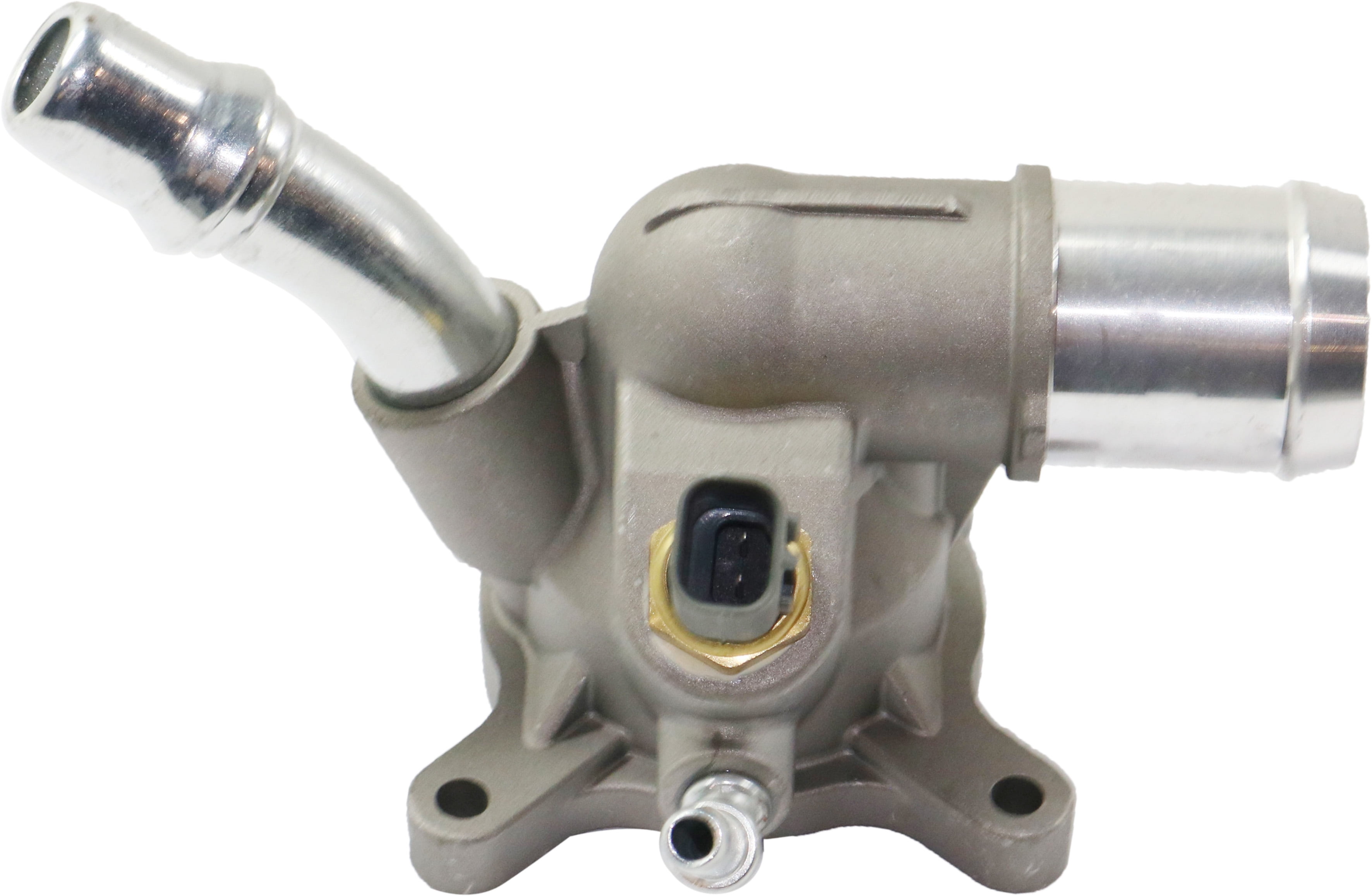
Replacing the thermostat on a 2015 Jeep Wrangler typically takes 1 to 2 hours and requires basic hand tools, a new thermostat gasket or assembly, and fresh coolant. Symptoms of a failing unit include engine overheating, erratic temperature gauge readings, or the heater blowing cold air, which require prompt attention to prevent severe engine damage.
Understanding the Cooling System on the 2015 Jeep Wrangler
The 2015 Jeep Wrangler is primarily powered by the 3.6-liter Pentastar V6 engine. This powerplant relies on a pressurized, liquid-cooling system designed to maintain optimal operating temperatures under both daily driving conditions and heavy off-road use. Within this network, the thermostat acts as a thermally regulated valve situated between the engine block and the radiator. When the engine is cold, the valve remains closed to allow the coolant to circulate exclusively through the block, helping the vehicle reach its ideal operating temperature quickly. Once the coolant reaches a specific threshold—typically around 203 degrees Fahrenheit for the Pentastar V6—the thermostat opens, permitting hot coolant to flow toward the radiator where ambient air and the electric cooling fan dissipate the heat.
Over time, repeated thermal cycles, chemical breakdown of the coolant, and mineral buildup can cause the thermostat to fail. A thermostat can fail in two distinct ways: stuck closed or stuck open. When it sticks closed, coolant is trapped inside the engine block, leading to rapid overheating that can warp cylinder heads or blow head gaskets. When it sticks open, the engine takes an unusually long time to warm up, resulting in poor fuel economy and inadequate cabin heating during colder months. Recognizing these symptoms early allows owners to perform a proactive replacement before minor temperature fluctuations escalate into catastrophic mechanical failures.
Symptoms of a Failing Thermostat
Before turning a single wrench, confirming that the thermostat is indeed the root cause of your cooling issue saves time and prevents unnecessary part replacement. The 2015 Jeep Wrangler provides several distinct indicators when its thermostat begins to malfunction or fails entirely.
- Engine Overheating: If the temperature gauge climbs into the red zone or the dashboard triggers an overheating warning chime, the thermostat may be stuck in the closed position, blocking coolant flow to the radiator.
- Fluctuating Temperature Readings: A thermostat that sticks intermittently can cause the temperature gauge to swing wildly between normal and hot, or drop suddenly when traveling downhill at highway speeds.
- Lack of Cabin Heat: Because the vehicle's heater core relies on hot engine coolant flowing through the dashboard, a thermostat stuck open prevents the coolant from reaching proper operating temperatures, resulting in lukewarm or freezing cabin air.
- Check Engine Light: Modern engine control units monitor warm-up times. If the Wrangler takes longer than a predetermined threshold to reach operating temperature, Diagnostic Trouble Codes (DTCs) such as P0128 (Coolant Thermostat Below Thermostat Regulating Temperature) will be stored in the computer.
Tools, Parts, and Safety Preparations
Gathering the correct components and safety gear before starting the job ensures an efficient workflow without unexpected interruptions. Working on a cooling system involves handling hot fluids and toxic chemicals, making safety preparations mandatory.
| Item | Description / Specification | Purpose |
|---|---|---|
| Replacement Thermostat | OEM or quality aftermarket unit (includes housing/gasket for 3.6L V6) | Replaces the failed internal valve and seal |
| Coolant / Antifreeze | OAT (Organic Acid Technology) coolant, purple/red, pre-diluted 50/50 | Refills the system to factory specifications |
| Socket Set | Metric shallow and deep sockets (8mm, 10mm most common) | Removing engine covers and housing bolts |
| Ratchet & Extensions | 3/8-inch drive ratchet with 3-inch and 6-inch extensions | Accessing hard-to-reach housing fasteners |
| Drain Pan | Low-profile fluid catchment basin | Capturing drained coolant for proper recycling |
| Pliers | Standard slip-joint or hose clamp pliers | Releasing spring clamps on radiator and heater hoses |
Always ensure the vehicle has sat parked for several hours prior to service to allow the engine and cooling system to cool down completely. Opening a pressurized cooling system on a hot engine can result in severe scalding from boiling coolant. Additionally, wear safety glasses and nitrile gloves, as engine coolant is toxic and harmful to skin and eyes.
Step-by-Step Replacement Procedure for the 3.6L Pentastar V6
The 3.6-liter Pentastar V6 engine places the thermostat housing near the front-top of the engine, connected to the upper radiator hose. This positioning makes access relatively straightforward compared to deeply buried components, though careful handling of plastic engine components is required.
Step 1: Disconnecting the Battery and Accessing the Workspace
Disconnect the negative battery terminal to prevent accidental electrical shorts or unintended activation of the electric cooling fan while working near the radiator. Remove any plastic engine beauty covers by pulling upward firmly to release them from their rubber retention grommets, exposing the upper intake plenum and thermostat housing area.
Step 2: Draining the Coolant
Place your drain pan underneath the front driver's side of the vehicle near the radiator drain cock (petcock). Open the petcock or disconnect the lower radiator hose to drain enough coolant so that the fluid level drops below the height of the thermostat housing. Loosening the coolant recovery tank cap and the main radiator cap helps the system drain smoothly by allowing air to enter.
Step 3: Removing the Upper Radiator Hose and Housing
Locate where the upper radiator hose attaches to the thermostat housing on the engine. Use pliers to slide the constant-tension spring clamp back along the hose, then twist and pull the hose off the housing fitting. If the hose is stuck due to age, avoid puncturing it with sharp metal picks; instead, gently work it loose by twisting it back and forth. Next, remove the bolts securing the thermostat housing to the engine block using your socket set. Note the orientation of the housing and any specific bolt locations, as lengths may vary.
Step 4: Cleaning the Mating Surface and Installing the New Thermostat
Lift out the old thermostat and its integrated rubber seal or gasket. Inspect the mounting surface on the engine block. Using a plastic scraper or clean shop towel, remove any old gasket material, corrosion, or debris. The mating surface must be completely clean and smooth to prevent future leaks. Place the new thermostat and gasket assembly into position, ensuring it seats flush against the engine block without pinching the rubber seal.
Step 5: Reassembling Components
Position the thermostat housing back over the new thermostat and hand-thread the mounting bolts to avoid cross-threading into the aluminum engine block. Torque the bolts down evenly in a crisscross pattern to factory specifications, typically around 108 inch-pounds (9 foot-pounds)—do not overtighten, as cracking the plastic housing is a common mistake. Reattach the upper radiator hose securely and slide the spring clamp back into its original resting position over the fitting.
Refilling, Bleeding, and Testing the Cooling System
Once mechanical installation is complete, restoring the fluid levels and removing trapped air pockets is the final critical phase. Modern cooling systems are prone to air locks, which can cause localized overheating even if the coolant reservoir appears full.
- Select the Correct Coolant: The 2015 Jeep Wrangler requires an OAT (Organic Acid Technology) coolant. Never mix traditional green ethylene glycol coolant with OAT coolant, as chemical reactions can gel and ruin the radiator and heater core.
- Fill the System: Pour your pre-diluted 50/50 OAT coolant slowly into the coolant recovery reservoir and directly into the radiator opening (or high-point filler if equipped) to minimize initial air pockets.
- Bleed Air Pockets: Leave the radiator cap or funnel open, start the engine, and allow it to idle with the cabin heater set to high heat. As the engine warms up, the thermostat will open, allowing coolant to circulate and forcing trapped air bubbles to rise and escape through the filler neck. Squeeze the upper radiator hose gently to help dislodge trapped air.
- Monitor and Top Off: Watch the temperature gauge closely. Once the cooling fan cycles on and off and the fluid level stabilizes, top off the radiator and adjust the coolant recovery reservoir level to the "Full" line. Install the radiator cap securely.
- Road Test: Take the Wrangler for a short test drive while monitoring the dashboard temperature gauge. Ensure the cabin heater blows hot air continuously. After returning and letting the engine cool completely, double-check the fluid level in the recovery tank and inspect the thermostat housing for any signs of leaks.
Common Mistakes to Avoid
Avoiding typical DIY pitfalls ensures that your thermostat replacement is successful on the first attempt and prevents premature failure of new components.
- Overtightening Housing Bolts: The thermostat housing on the 3.6L engine is made of composite plastic. Excessive torque from a standard ratchet easily cracks the housing flanges, leading to immediate leaks. Always use a calibrated inch-pound torque wrench.
- Using Incorrect Coolant: Adding conventional universal coolants instead of OAT formula fluid causes chemical breakdown of gaskets and radiator linings over time. Stick strictly to factory-approved formulations.
- Failing to Bleed Air: Trapped air pockets prevent proper coolant circulation, causing erratic temperature spikes that mimic a defective thermostat even after a brand-new unit is installed.
- Reusing Old Gaskets: Even if an old rubber seal looks intact, compression set over years of service means it will no longer seal reliably under pressure. Always replace the gasket or buy a thermostat assembly that includes a fresh seal.
Frequently Asked Questions
Can I drive my 2015 Jeep Wrangler with a stuck thermostat?
Driving with a stuck thermostat is strongly discouraged. If it is stuck closed, the engine will overheat rapidly, risking severe internal damage such as warped cylinder heads or cracked engine blocks. If it is stuck open, the engine will run cold, reducing fuel efficiency and leaving you without cabin heat, but it is less immediately destructive.
How often should a Jeep Wrangler thermostat be replaced?
There is no fixed mileage interval for replacing a thermostat. Most factory thermostats last between 80,000 and 150,000 miles. Replacement is typically performed reactively when symptoms of failure appear or proactively during major cooling system overhauls.
Do I need to replace the entire housing, or just the thermostat?
On the 2015 Jeep Wrangler 3.6L V6, replacement thermostats are almost universally sold as an integrated unit containing the thermostat, plastic housing, and rubber seal. Replacing the complete assembly ensures a reliable seal and eliminates risks associated with warped or fatigued plastic housings.
Why is my heater still blowing cold air after replacing the thermostat?
If the cabin heater remains cold after a new thermostat installation, it usually indicates that air remains trapped inside the heater core loop, or the coolant level in the system is still too low. Thoroughly re-bleeding the cooling system resolves this issue in the vast majority of cases.
What torque specification should be used on the thermostat housing bolts?
The housing bolts for the 3.6L Pentastar engine should be tightened to approximately 108 inch-pounds (9 foot-pounds). Always verify this specification against your vehicle's specific service manual before tightening.
Next Actions
If you have confirmed your thermostat is faulty, gather your OAT coolant, replacement thermostat assembly, and basic socket set. Set aside a dedicated two-hour window in a well-lit workspace, ensure the engine is stone cold, and follow the step-by-step procedures outlined above to restore your Jeep Wrangler's cooling efficiency.