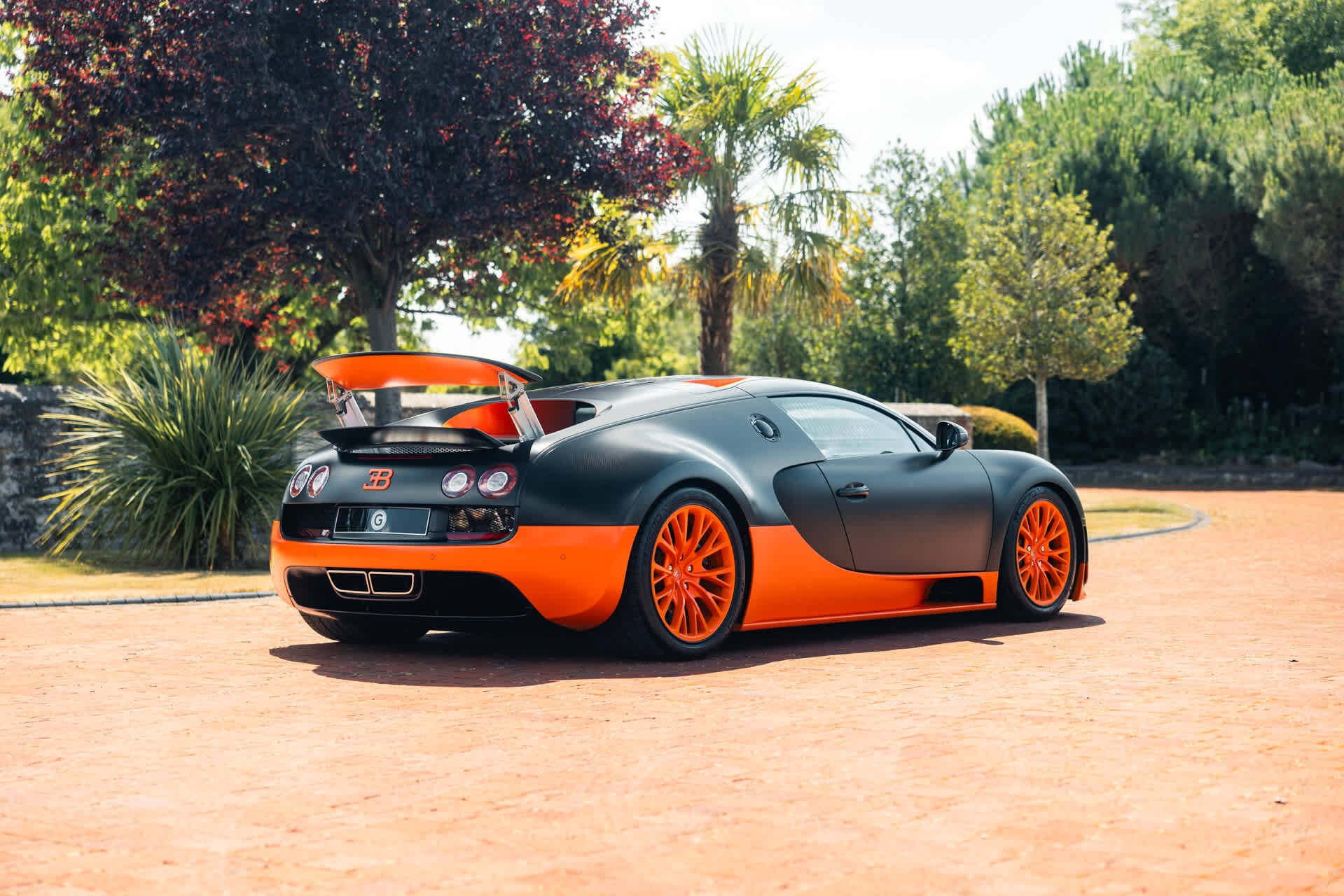
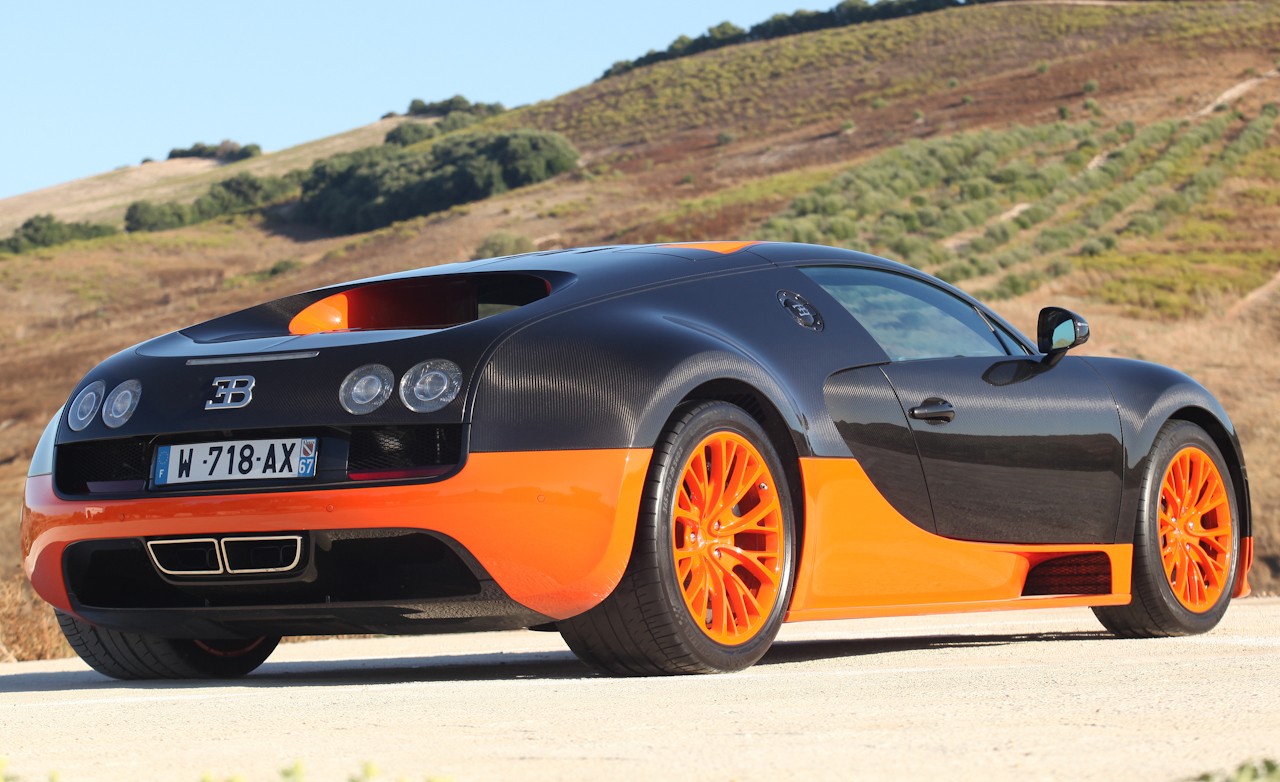
The 2011 Bugatti Veyron Super Sport remains one of the most significant engineering milestones of the early 21st century. Originally retailing for approximately $2.4 million to $2.7 million at its debut, the vehicle has seen a steady appreciation in the collector’s market. Today, in 2026, pristine examples command prices significantly higher than their initial MSRP, often exceeding $3.5 million depending on provenance and mileage.
The Genesis of the Super Sport
To understand the pricing and value of the 2011 Bugatti Veyron Super Sport, one must first recognize its place in automotive history. Introduced as the ultimate iteration of the Veyron platform, the Super Sport was designed to reclaim the production car speed record, a feat it accomplished in 2010 with a verified top speed of 267.8 mph (431 km/h).
The vehicle was not merely an engine upgrade; it featured comprehensive aerodynamic revisions, including a redesigned roof, an enlarged rear diffuser, and double-diffuser exhaust pipes. The quad-turbocharged 8.0-liter W16 engine was boosted from the standard Veyron’s 1,001 horsepower to a staggering 1,200 horsepower. Because only 30 examples of the Super Sport were ever produced—including the distinct "World Record Edition"—it immediately cemented its status as a cornerstone of modern automotive investment.
Understanding Original Pricing Dynamics
When the Veyron Super Sport reached the market in 2011, it occupied a rarefied space in the luxury automotive sector. Pricing was never a static figure because Bugatti operated on a bespoke, made-to-order model. The base price was heavily influenced by currency exchange rates, taxes, and the extensive options list offered by the Molsheim factory.
Buyers often spent hundreds of thousands of dollars on custom carbon fiber finishes, unique interior color schemes, and personalized badging. As a result, while the "base" MSRP was often cited in the $2.4 million range, the realized transaction price for many of these vehicles upon delivery was closer to $2.7 million or higher. This initial price point was calibrated to recoup the massive research and development costs associated with the Veyron project—a platform that was famously known for having an incredibly high cost of production per unit, sometimes cited as a net loss for the parent company, Volkswagen Group, for every car sold.
Market Evolution: From Depreciating Asset to Collectible
In the years immediately following 2011, the Super Sport followed a traditional trajectory for high-end luxury vehicles. During the first five to seven years, prices for used examples were relatively stagnant or saw slight dips as the novelty faded and newer hypercars entered the market. However, a major shift occurred around the mid-2010s as the industry transitioned toward hybrid powertrains.
The Veyron Super Sport represented the "pinnacle of internal combustion" and the end of an era. Collectors began to view the car not just as a vehicle, but as a piece of mechanical art. By 2020, market trends showed that the scarcity of the Super Sport—coupled with the brand's prestige—pushed secondary market values well above the original MSRP. By 2026, the car is firmly established in the "blue-chip" category of vehicle collecting. Its value is no longer tied to its utility or its performance specs compared to newer, faster electric hypercars, but rather its historical significance as the car that defined the 260-mph-plus era.
Factors Influencing 2026 Valuation
In the current market, the valuation of a 2011 Veyron Super Sport is governed by a strict set of variables that potential buyers and sellers must navigate:
- Provenance and Documentation: A vehicle with a complete service history from a certified Bugatti service partner holds significantly higher value. The Super Sport requires specialized, highly expensive maintenance, including tire changes that must be performed by authorized technicians.
- The "World Record Edition" Premium: Within the 30-unit production run, the few cars finished in the iconic black exposed carbon fiber and orange accents—the spec used to set the world speed record—command a significant premium over standard Super Sport configurations.
- Tire and Component Life: Because these vehicles are frequently stored rather than driven, the condition of the specialized tires and fluid systems is critical. Buyers in 2026 factor in the cost of a "full rejuvenation," which can easily reach $50,000 to $100,000.
- Low Mileage vs. Preserved Condition: Paradoxically, a car with extremely low mileage may be worth less than one that has been carefully exercised, as mechanical components in hypercars often require regular operation to maintain seals and lubricants.
Comparative Market Positioning
To visualize how the Super Sport’s pricing evolution stacks up against its predecessors and successors, consider the following table regarding historical and current market trends:
| Model Version | Production Window | Original Approx. MSRP | Est. 2026 Market Value |
|---|---|---|---|
| Veyron 16.4 | 2005–2011 | $1,500,000 | $1,800,000 - $2,200,000 |
| Veyron Grand Sport | 2009–2015 | $2,000,000 | $2,300,000 - $2,800,000 |
| Super Sport | 2011–2012 | $2,400,000+ | $3,500,000 - $4,200,000+ |
| Chiron | 2016–2024 | $3,000,000+ | $3,200,000 - $3,800,000 |
Note: Market values provided are estimates based on auction house trends and private brokerage data as of 2026.
The Cost of Ownership and Maintenance
The evolution of the Super Sport's price is not only defined by its purchase price but also by the "barrier to entry" regarding ownership. Maintaining a W16 engine is not a task for independent mechanics. In 2026, an annual service for a Veyron Super Sport typically ranges from $20,000 to $30,000.
Furthermore, the tires developed by Michelin specifically for this car are a recurring expense. They are essentially a limited-production item. The cost of a full set of tires and wheels, required every few thousand miles, adds a significant ongoing financial commitment that acts as a filter for who can realistically participate in the secondary market. This high cost of ownership actually supports the vehicle's resale value, as it discourages "flippers" and keeps the fleet in the hands of serious, well-capitalized collectors.
Common Mistakes in Market Valuation
Many prospective buyers make the mistake of valuing the Super Sport by looking at general automotive price indices. Standard inflation calculators do not apply to hypercars of this rarity. A common error is comparing the Super Sport to later models, such as the Chiron or the Divo. While those cars are technically superior in almost every measurable performance metric, they lack the historical "first" status of the Super Sport.
Another error involves ignoring the jurisdictional differences. Taxes, import duties, and local emissions certification requirements for these vehicles can vary wildly, particularly if a car is moving between the European, North American, and Middle Eastern markets. For a 2026 purchase, ensure the vehicle is fully compliant with local regulations, as retrofitting a 2011 supercar to meet modern safety or emissions standards can be prohibitively expensive or technically impossible.
Frequently Asked Questions
Why is the Super Sport worth more than other Veyron models? The Super Sport represents the pinnacle of the original W16 platform. With only 30 units produced compared to hundreds of base Veyrons, it offers significantly greater exclusivity. Its historical role in breaking the 267-mph speed record makes it a trophy for collectors.
How does mileage affect the value of a 2011 Super Sport? Unlike standard luxury cars where lower mileage equals higher value, hypercars like the Super Sport require careful balance. A car that has sat stagnant for 15 years may require extensive mechanical overhauls. A car with documented service history and consistent, low-intensity usage is often the most desirable for collectors.
Are there hidden costs when purchasing a pre-owned Super Sport? Yes. Beyond the purchase price, you must account for the "Bugatti service cycle." Major services, including the replacement of specific fuel system components and high-speed rated tires, are mandated based on time, not just mileage. Budgeting at least 5% to 10% of the vehicle's value annually for maintenance is a standard industry practice.
Will the Super Sport's value continue to rise through 2026 and beyond? The Super Sport has entered a phase of stabilization common among "museum-grade" vehicles. While it is unlikely to see the explosive growth of the last decade, it is considered a safe hedge against inflation due to its extremely limited supply and its status as a landmark of internal combustion engineering.
Is it difficult to source parts for a 2011 model? Bugatti maintains a robust support network for its legacy models. Through the "Bugatti Certified" program, the factory continues to provide parts and support for the Veyron line. However, the costs are non-negotiable and reflect the bespoke nature of the vehicle's engineering.
Final Recommendation for Prospective Buyers
If you are considering the acquisition of a 2011 Bugatti Veyron Super Sport in 2026, the primary action is to engage a specialized hypercar consultant or a reputable auction house with direct ties to Bugatti’s certified service network. Before committing to a purchase, mandate a pre-purchase inspection (PPI) performed by a factory-authorized technician. Do not rely on third-party shops, regardless of their reputation with high-end sports cars. Verify the authenticity of the vehicle’s records, ensure the tires are within their safe-life usage window, and confirm that all safety recalls—some of which have been issued throughout the vehicle's life—have been properly addressed by the manufacturer. The Super Sport is a pinnacle asset; treat the transaction with the diligence of an art acquisition.