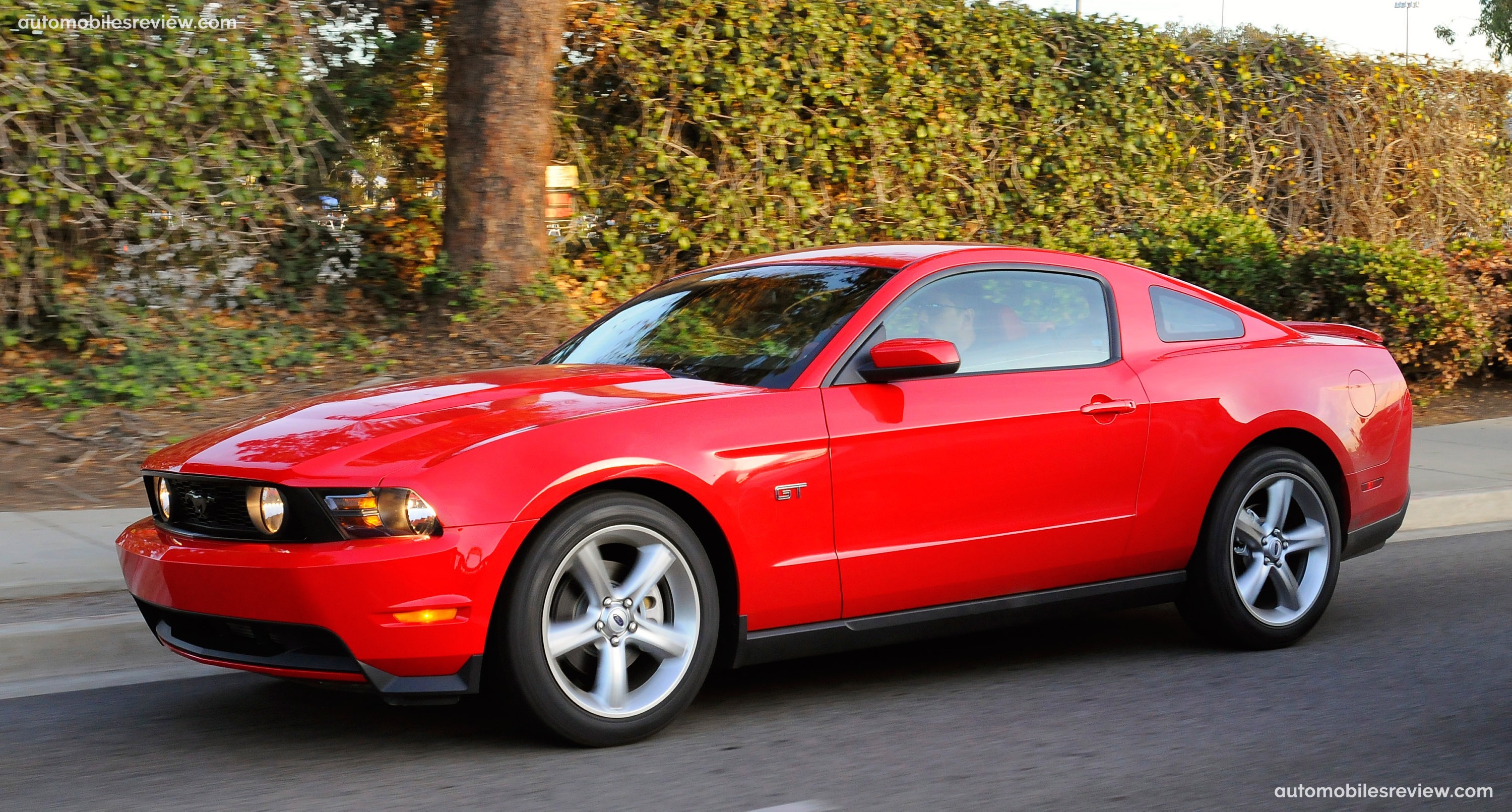
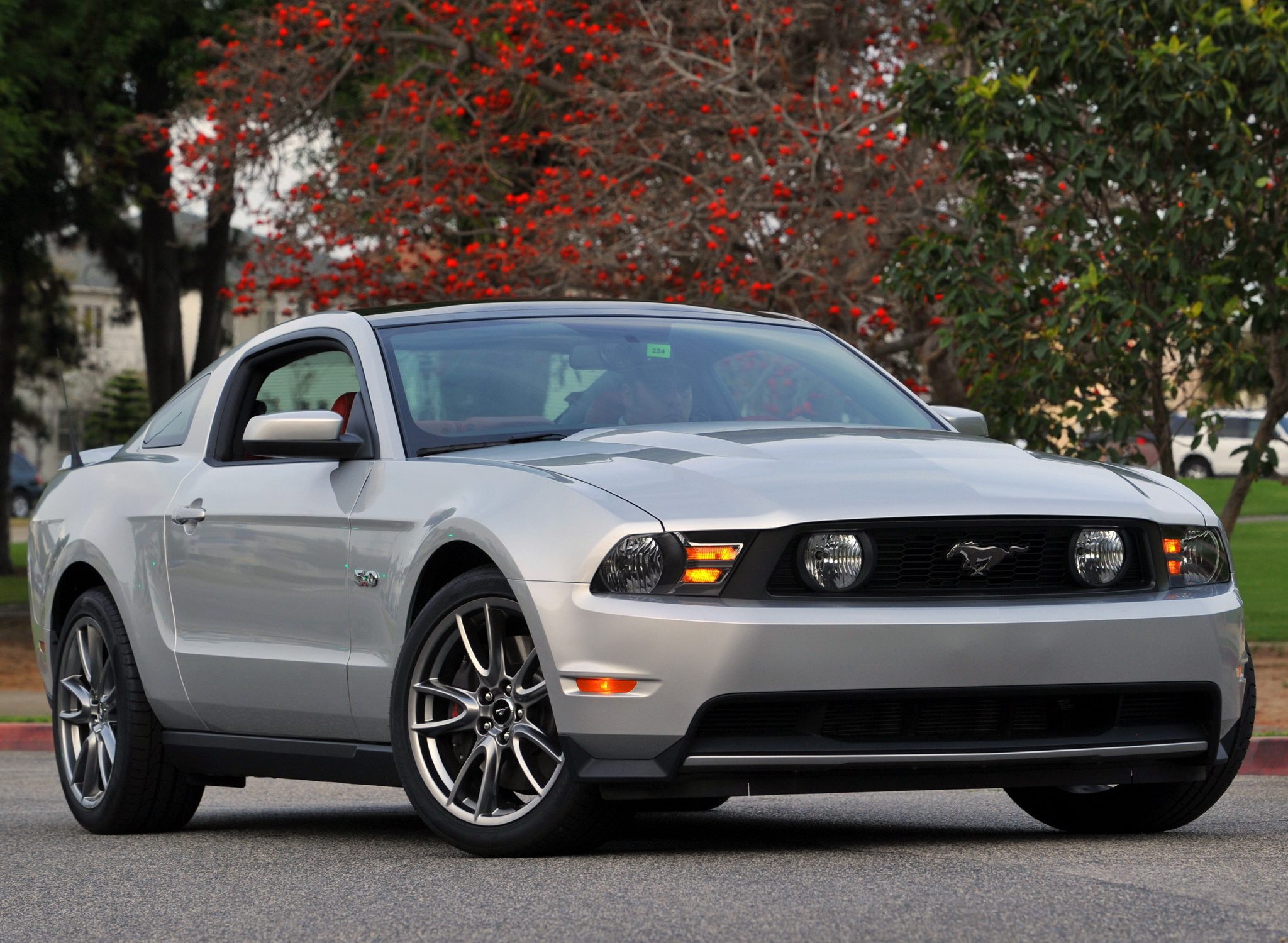
The 2010 Ford Mustang GT is equipped with a 4.6-liter 3-valve V8 engine that produces 315 horsepower at 6,000 RPM and 325 lb-ft of torque at 4,250 RPM. This iteration represents the final year of the modular 4.6L V8 before Ford transitioned to the more powerful 5.0L "Coyote" engine for the 2011 model year, marking a significant transition in modern American muscle car history.
Historical Context and Engine Architecture
The 2010 Ford Mustang GT occupies a unique space in the evolution of the S197 platform. While the 2010 model year featured a refreshed exterior design—characterized by a more aggressive stance, sequential tail lamps, and a more aerodynamic front fascia—it retained the internal combustion heart of its predecessors. Specifically, it utilized the Ford Modular 4.6L engine, a powerplant that had been the backbone of the Mustang GT since 2005.
The engine is a 90-degree V8 with an aluminum block and aluminum cylinder heads. It features a Single Overhead Cam (SOHC) design with three valves per cylinder—two intake and one exhaust. This configuration was designed to improve engine breathing compared to the older two-valve modular engines, providing a balance between low-end torque for daily driving and high-RPM power for spirited performance. By 2010, Ford had refined this engine through various intake and calibration changes, allowing the horsepower output to reach its zenith for the 4.6L displacement platform.
Breaking Down the Performance Numbers
Understanding the 315 horsepower figure requires looking at the broader drivetrain integration. Ford achieved this rating by incorporating a cold-air induction system that drew from the 2008-2009 "Bullitt" Mustang program. This allowed the engine to breathe more freely, contributing to the 15-horsepower increase over the 2009 model year, which was rated at 300 horsepower.
Key Performance Specifications
| Specification | Detail |
|---|---|
| Engine Type | 4.6L 3-Valve V8 |
| Peak Horsepower | 315 hp @ 6,000 RPM |
| Peak Torque | 325 lb-ft @ 4,250 RPM |
| Compression Ratio | 9.8:1 |
| Bore x Stroke | 3.55 in x 3.54 in |
| Redline | 6,500 RPM |
The torque curve of the 4.6L 3-valve is notably flat, which provides consistent acceleration when exiting corners or merging onto highways. Because the peak torque arrives at 4,250 RPM, the car offers a responsive "push" that drivers often associate with the classic V8 feel, even if it lacks the high-revving top end of later 5.0L models.
Transmission and Drivetrain Impact
The horsepower reaches the pavement through two primary transmission options: the Tremec TR-3650 five-speed manual or the 5R55S five-speed automatic. The choice of transmission alters the perception of power.
The manual transmission allows the driver to hold gears closer to the 6,500 RPM redline, taking full advantage of the power curve. Conversely, the automatic transmission is geared for comfort and fuel efficiency, though it often sacrifices some of the perceived "punch" of the manual transmission due to taller gear ratios and the torque converter’s power loss. Owners often modify these vehicles with shorter rear-end gear ratios (such as 3.73 or 4.10) to artificially enhance the acceleration feel, making the 315 horsepower feel significantly more aggressive during standing starts.
Comparison: 2010 vs. 2011 Powertrain Transition
It is impossible to discuss the 2010 Mustang GT without acknowledging the subsequent model year. In 2011, Ford introduced the "Coyote" 5.0L V8, which surged to 412 horsepower. This massive jump in power often leads to misconceptions that the 2010 model is "underpowered."
However, the 2010 Mustang GT represents the end of an era for the 4.6L modular engine. For enthusiasts, the 2010 model offers a distinct character. The 4.6L engine is widely regarded as a reliable, well-understood platform with an extensive aftermarket ecosystem. While it cannot match the raw output of the 5.0L, it remains a capable performer that serves as a bridge between the classic pushrod V8 eras and the modern high-revving overhead-cam era.
Real-World Considerations for Enthusiasts
If you are evaluating a 2010 Mustang GT today, it is important to understand that the stated factory horsepower is a "crank" measurement. Factors such as maintenance history, fuel quality, and altitude can impact the actual power delivered to the wheels.
- Maintenance: A neglected 4.6L engine with restricted fuel filters or dirty intake sensors will struggle to hit factory performance targets. Regular oil changes using the manufacturer-specified 5W-20 weight are critical for maintaining the variable camshaft timing (VCT) components.
- Aftermarket Modifications: Many 2010 GTs on the road have been modified. Common upgrades include long-tube headers, cat-back exhaust systems, and engine management "tunes." A high-quality cold air intake combined with a custom engine tune can often push the 315 horsepower figure toward 330-340 at the crank, but these modifications should be verified for compliance with local emissions regulations.
- Chassis Dynamics: With 315 horsepower, the chassis is well-balanced. However, the factory suspension from 2010 may show signs of age after 16 years. Upgrading bushings, struts, and shocks often provides a more significant improvement in performance than chasing minor horsepower gains through engine modifications.
Frequently Asked Questions
Does the 2010 Mustang GT require premium fuel?
While the 4.6L engine is designed to run on 87 octane, it features an adaptive ignition system. If you use 91 or 93 octane, the computer can advance the ignition timing slightly, which may result in a small improvement in performance, though it will not significantly change the peak horsepower rating without an aftermarket tune.
Why is there a large power gap between 2010 and 2011 models?
The 2011 model introduced the 5.0L "Coyote" engine, which featured Twin Independent Variable Camshaft Timing (Ti-VCT) and a 4-valve-per-cylinder head design. This allowed for much better airflow at high RPMs, accounting for the nearly 100-horsepower difference between the two years.
Can I easily increase the horsepower of my 2010 Mustang GT?
Yes. Because the 4.6L 3-valve engine is a well-supported platform, it responds well to "bolt-on" modifications like cold air intakes, custom tunes, and exhaust work. For more significant gains, many owners opt for a supercharger, which can safely push the internal components to 450+ horsepower.
Is the 2010 Mustang GT a reliable platform?
The 4.6L modular V8 is generally considered one of Ford's most reliable engines. Common issues are typically limited to the VCT solenoids or minor oil leaks as the vehicle ages. As long as the engine has received regular maintenance, it is capable of high mileage.
How does the 2010 weight affect the power-to-weight ratio?
The 2010 Mustang GT weighs approximately 3,500 to 3,600 pounds depending on the configuration. With 315 horsepower, the power-to-weight ratio is roughly 11.1 pounds per horsepower. This provides a respectable acceleration profile for the era, suitable for both street driving and track days.
Where can I verify my specific vehicle's specs?
You can check the engine code in your Vehicle Identification Number (VIN). The 8th digit of the VIN for the 2010 Mustang GT will be an "H," indicating the 4.6L 3-valve V8 engine.
Next Steps for Owners
If you own or are looking to acquire a 2010 Mustang GT, your next step should be a full mechanical health check. Prioritize the cooling system and the integrity of the ignition system to ensure the engine reaches its full potential. If you intend to increase power, focus first on "supporting mods"—ensuring your brakes, tires, and suspension can handle the existing 315 horsepower before adding more. For those maintaining the vehicle, stick to high-quality synthetic oils and OEM-grade replacement parts to preserve the longevity of the 4.6L block.