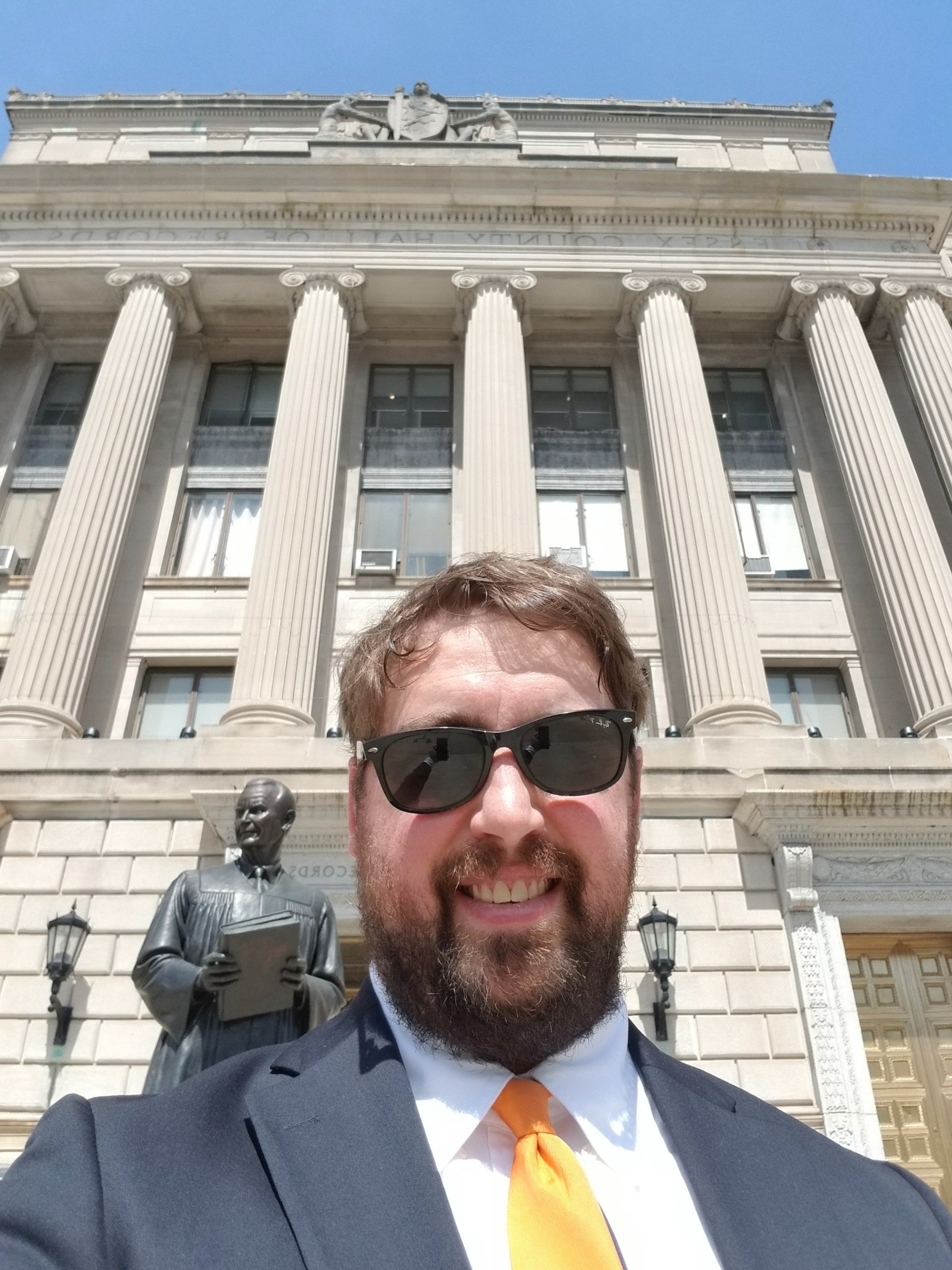
Andrew H. Leavitt is a veteran Las Vegas criminal defense and civil litigation attorney with more than three decades of experience practicing law in Nevada. Admitted to the Nevada State Bar in 1991, Leavitt handles complex felony trials, misdemeanor defense, federal criminal proceedings, personal injury claims, and appeals across Clark County and federal courts.
Professional Background and Legal Credentials
Understanding an attorney’s qualifications, educational background, and court admissions is essential when evaluating potential legal representation. Andrew Leavitt has spent over 30 years representing clients in Southern Nevada’s state and federal court systems, establishing a long-standing practice centered in Las Vegas.
Educational Foundation and Bar Admissions
Andrew H. Leavitt completed his undergraduate studies at Brigham Young University, earning a Bachelor of Science degree in 1988. He pursued his legal education at the University of San Diego School of Law, receiving his Juris Doctor (J.D.) in 1991. Following his graduation, Leavitt sat for the Nevada bar examination and was formally admitted to practice law in Nevada in September 1991 (Nevada State Bar Bar Number 4475).
Beyond the state courts of Nevada, Leavitt maintains active admissions to practice before higher jurisdiction tribunals. These credentials allow him to handle cases that cross municipal, state, and federal boundaries:
- State Bar of Nevada: Admitted 1991; authorized to practice before all Nevada state justice, district, and appellate courts.
- U.S. District Court, District of Nevada: Authorized to handle federal trials, criminal indictments, and civil federal actions.
- U.S. Court of Appeals for the Ninth Circuit: Authorized to argue federal appellate cases originating from Nevada federal district courts.
Professional Experience and Track Record
Throughout his career, Leavitt has focused primarily on criminal defense litigation, managing thousands of cases ranging from routine traffic and misdemeanor charges to complex capital murder cases and federal white-collar prosecutions. His legal work has included high-profile jury trials in the Eighth Judicial District Court of Clark County, as well as arguments before the Nevada Supreme Court.
Operating through the Law Offices of Andrew H. Leavitt in Las Vegas, his practice combines trial advocacy with pre-trial motion practice, plea negotiation, and appellate advocacy. Over thirty years in local courtrooms provides familiarity with local judicial procedures, prosecutorial tactics, and Clark County court administrative rules.
Primary Areas of Practice
A legal practice in a major metropolitan area like Las Vegas requires adaptability to handle both local resident cases and visitors facing legal issues away from home. Andrew Leavitt concentrates his practice on several core legal domains.
- Andrew H. Leavitt Practice
- State Criminal Defense
- Felony Trials
- DUI & Misdemeanors
- Domestic Violence
- Probation Violations
- Federal Criminal Defense
- Drug Trafficking
- White-Collar Fraud
- Weapons Offenses
- Racketeering (RICO)
- Civil Litigation & Personal Injury
- Auto Accidents
- Slip & Fall Claims
- Wrongful Death
- Negligence Recovery
- State Criminal Defense
State Criminal Defense
State-level criminal charges in Nevada are governed by the Nevada Revised Statutes (NRS). Criminal defense representation involves analyzing law enforcement conduct, evaluating evidence gather methods, and preparing defense strategies tailored to specific statutory elements.
- DUI and Traffic Offenses: Defending against Driving Under the Influence charges under NRS 484C, involving breathalyzer calibration challenges, blood test accuracy reviews, and field sobriety test evaluations.
- Violent Crimes and Felonies: Representation in charges such as battery domestic violence, assault with a deadly weapon, robbery, burglary, and homicide. Defense strategies often focus on self-defense claims, constitutional rights violations, or lack of intent.
- Controlled Substance Charges: Handling cases involving simple possession, possession for sale, and drug trafficking under Nevada law.
- Sex Offenses and Domestic Relations: Addressing sensitive allegations that carry long-term registry implications or mandatory minimum sentencing structures under Nevada law.
Federal Criminal Defense
Federal criminal charges differ significantly from state charges. Federal cases are investigated by agencies such as the FBI, DEA, ATF, or IRS, and are prosecuted by the United States Attorney's Office under the Federal Rules of Criminal Procedure and the Federal Sentencing Guidelines.
Leavitt represents clients facing federal indictments in the U.S. District Court for the District of Nevada. Common federal defense matters include:
- White-Collar Crimes: Wire fraud, mail fraud, bank fraud, tax evasion, and healthcare fraud scheme allegations.
- Large-Scale Narcotics Conspiracy: Federal drug distribution networks involving interstate commerce or mandatory minimum federal sentences.
- Federal Firearms Violations: Unlawful possession, interstate trafficking, or weapons offenses linked to federal predicate crimes.
- Cybercrime and Financial Crimes: Computer fraud, identity theft, and money laundering investigations.
Personal Injury and Civil Litigation
In addition to criminal defense, Andrew Leavitt handles civil personal injury matters for individuals who have suffered harm due to third-party negligence. In Nevada personal injury cases, financial recovery relies on establishing legal duty, breach, causation, and quantifiable damages under modified comparative negligence rules (NRS 41.141).
- Automobile and Trucking Accidents: Recovering medical expenses, lost wages, and pain and suffering from insurance providers following motor vehicle collisions on Southern Nevada roadways.
- Premises Liability: Representing tourists and local residents injured in hotel, casino, or commercial property slip-and-fall accidents caused by unsafe conditions.
- Wrongful Death: Pursuing statutory claims on behalf of surviving family members when negligence results in fatal injuries.
The Nevada Criminal Justice Process
Navigating a criminal charge in Southern Nevada requires understanding how a case moves from an initial arrest or citation to final disposition. The structural progression of a criminal case highlights where experienced legal representation impacts case outcomes.
- Arrest or Citation
- Arraignment & Bail
- Preliminary Hearing
- Pre-Trial Motions
- Trial or Plea Settlement
1. Arrest, Booking, and Initial Appearance
When an individual is arrested in Clark County, they are typically transported to the Clark County Detention Center (CCDC) or the Las Vegas Detention Center. Within 72 hours of arrest, the defendant must receive an initial appearance or bail hearing.
During this proceeding, the judge determines whether probable cause supported the arrest and sets bail conditions. Defense attorneys present evidence regarding community ties, employment status, and criminal history to argue for Release on Own Recognizance (OR) or a reduced bail amount under Nevada's bail rules.
2. Arraignment and Preliminary Hearing
For felony and gross misdemeanor charges, the case begins in the Justice Court (such as Las Vegas Justice Court). The defendant is formally advised of the charges at arraignment and enters an initial plea.
If the case proceeds as a felony, a Preliminary Hearing is scheduled. At this evidentiary hearing, the prosecution must present sufficient evidence to demonstrate probable cause that a crime was committed and that the defendant committed it.
An experienced defense attorney uses the preliminary hearing to cross-examine state witnesses, uncover flaws in the prosecution's evidence, and create a sworn record for future trial impeachment or dismissal motions.
3. District Court Arraignment and Pre-Trial Motions
If the Justice Court judge finds probable cause at the preliminary hearing, the case is "bound over" to the Eighth Judicial District Court. The defendant is re-arraigned in District Court, where formal trial dates are scheduled.
The pre-trial motion phase allows defense counsel to file legal challenges aimed at narrowing the prosecution's case or securing a full dismissal. Key motions include:
- Motion to Suppress Evidence: Filed under the Fourth Amendment to exclude physical evidence obtained through unlawful searches, invalid warrants, or warrantless stops.
- Motion to Dismiss Indictment/Information: Filed under NRS 172.255 or general due process grounds when the charging document is legally deficient or lacks evidentiary support.
- Motion to Exclude Statements: Filed under the Fifth and Sixth Amendments to prevent prosecutors from using un-Mirandized or coerced statements.
4. Plea Negotiations vs. Jury Trial
The majority of criminal cases resolve prior to trial through negotiated plea agreements. A defense attorney evaluates the strength of state evidence, potential sentencing exposure under Nevada statutes, and the client's priorities to negotiate reduced charges, probation options, or diversion program enrollment (such as Drug Court or Veterans Court).
If a fair resolution cannot be reached, the case proceeds to a jury trial. In Nevada felony cases, a 12-person jury must unanimously find the defendant guilty beyond a reasonable doubt to render a conviction.
Practical Comparison: Nevada Court Systems & Proceedings
Legal cases vary based on jurisdiction and court level. Below is a detailed breakdown comparing how different legal matters are handled in Southern Nevada courts where Andrew Leavitt practices:
| Feature / Metric | Las Vegas Municipal Court | Clark County Justice Court | Eighth Judicial District Court | U.S. District Court (Nevada) |
|---|---|---|---|---|
| Jurisdiction Type | Misdemeanors / City Codes | Misdemeanors & Preliminary Hearings | Felonies, Gross Misdemeanors & Civil >$15k | Federal Crimes & Federal Civil Questions |
| Presiding Judicial Officer | Municipal Court Judge | Justice of the Peace | District Court Judge | Federal District Judge / Magistrate Judge |
| Jury Trial Right | Limited (DUI & domestic violence cases per recent NV precedent) | No (Bench trials for misdemeanors only) | Yes (12-person juries for felony trials) | Yes (12-person juries for federal criminal trials) |
| Bail & Release Guidelines | Local municipal bail schedules | Nevada statutory bail evaluations | District Court bail review hearings | Federal Bail Reform Act (Pretrial Services evaluation) |
| Common Practice Areas | Traffic, minor trespassing, city ordinance violations | Initial arraignments, preliminary hearings, petty theft | Felony trials, complex civil disputes, high-value injury claims | Federal narcotics, white-collar fraud, federal weapon charges |
| Appellate Pathway | Eighth Judicial District Court | Eighth Judicial District Court | Nevada Court of Appeals / Nevada Supreme Court | Ninth Circuit Court of Appeals |
Key Factors When Selecting Defense Counsel in Nevada
Selecting legal representation in Las Vegas involves evaluating local courtroom experience, statutory knowledge, and specific practice capabilities.
Local Knowledge of Clark County Courts
Nevada's legal community relies on specific local court rules and administrative orders. Attorneys who regularly practice in the Eighth Judicial District Court and local Justice Courts understand the tendencies of specific judicial departments, prosecutors, and administrative practices. This experience helps counsel accurately gauge risk levels during plea negotiations and trial preparation.
Trial Capability vs. Settlement Orientation
While negotiating a favorable settlement or plea agreement is often in a client's interest, a defense attorney must maintain active trial capabilities. Prosecutors recognize when defense counsel is prepared to try a case before a jury, which frequently yields better leverage during pre-trial negotiations.
Reviewing an attorney's history of jury verdicts, evidentiary motion practice, and appellate litigation provides insight into their trial readiness.
Federal vs. State Law Expertise
Federal criminal cases follow distinct rules of evidence, procedure, and sentencing guidelines. The Federal Sentencing Guidelines involve complex offense level calculations, criminal history categories, and mandatory minimum sentences.
If an individual faces federal investigation or indictment, hiring counsel with active admission to the U.S. District Court for the District of Nevada and proven experience with federal pretrial release, discovery rules, and plea agreements is critical.
Mandatory Legal Information and Limitations
Disclaimer: Legal rules, statutory deadlines (statutes of limitations), and judicial interpretations in Nevada change regularly. The information provided in this article is for general educational and informational purposes only and does not constitute formal legal advice.
Retaining an attorney requires executing a formal written representation agreement or retainer contract with the law firm. Individuals facing criminal charges or civil disputes should consult directly with a qualified attorney licensed in their jurisdiction to review the specific facts of their legal matter.
Frequently Asked Questions
What should I do immediately if I am arrested in Las Vegas?
Exercise your constitutional right to remain silent under the Fifth Amendment and request an attorney immediately. Do not answer questions from law enforcement officers or investigators regarding the alleged event until you have defense counsel present. Contact an experienced criminal defense attorney or have a family member contact one to handle your initial bail hearing at the Clark County Detention Center or Las Vegas Detention Center.
What is the difference between a felony and a misdemeanor in Nevada?
Under Nevada law, misdemeanors carry a maximum penalty of up to six months in jail and fines up to $1,000. Gross misdemeanors carry up to 364 days in jail and fines up to $2,000. Felonies are divided into five categories (Category A through Category E), with Category E being the least severe (often eligible for mandatory probation) and Category A being the most severe (carrying potential penalties of life imprisonment or the death penalty).
How long does a personal injury case take to resolve in Clark County?
The timeline for a personal injury claim varies based on medical treatment duration, case complexity, and insurance company negotiations. Clear liability cases with completed medical care may resolve within 3 to 6 months through direct settlement. Complex cases involving disputed liability, serious injuries, or formal litigation in the Eighth Judicial District Court can take 12 to 24 months or longer if a trial is required.
Can criminal records be sealed in Nevada?
Yes, Nevada law (NRS 179.245) permits individuals to petition the court to seal criminal records after fulfilling specific statutory waiting periods, provided all conviction terms and probation requirements were met. Dismissed charges or cases resulting in acquittal are generally eligible for sealing immediately. Felony convictions require waiting periods ranging from 1 to 10 years after case closure, depending on the crime category.
Why is a preliminary hearing important in a Nevada felony case?
A preliminary hearing acts as a judicial screening mechanism in Justice Court. The prosecution must present evidence and call witnesses to demonstrate probable cause. This hearing allows your defense attorney to cross-examine prosecution witnesses under oath, evaluate the strength of the state's case, establish record testimony for trial, and move to drop or reduce charges before the case reaches the District Court.
Actionable Next Steps for Legal Representation
If you or a family member face criminal charges, an ongoing law enforcement investigation, or a serious civil injury claim in Southern Nevada, follow these steps to protect your legal rights:
- Gather All Case Documentation: Collect any citations, charging documents, police property receipts, bail paperwork, or medical records associated with the event.
- Avoid Public Statements: Do not discuss the details of your case on social media platforms, with friends, or over recorded jail telephone lines.
- Verify Attorney Qualifications: Confirm an attorney's current standing, disciplinary history, and active license by searching the State Bar of Nevada Directory.
- Schedule a Confidential Consultation: Arrange an initial legal consultation to review the facts of your case, evaluate potential defenses, discuss legal fee structures, and outline a strategic plan for court appearances.