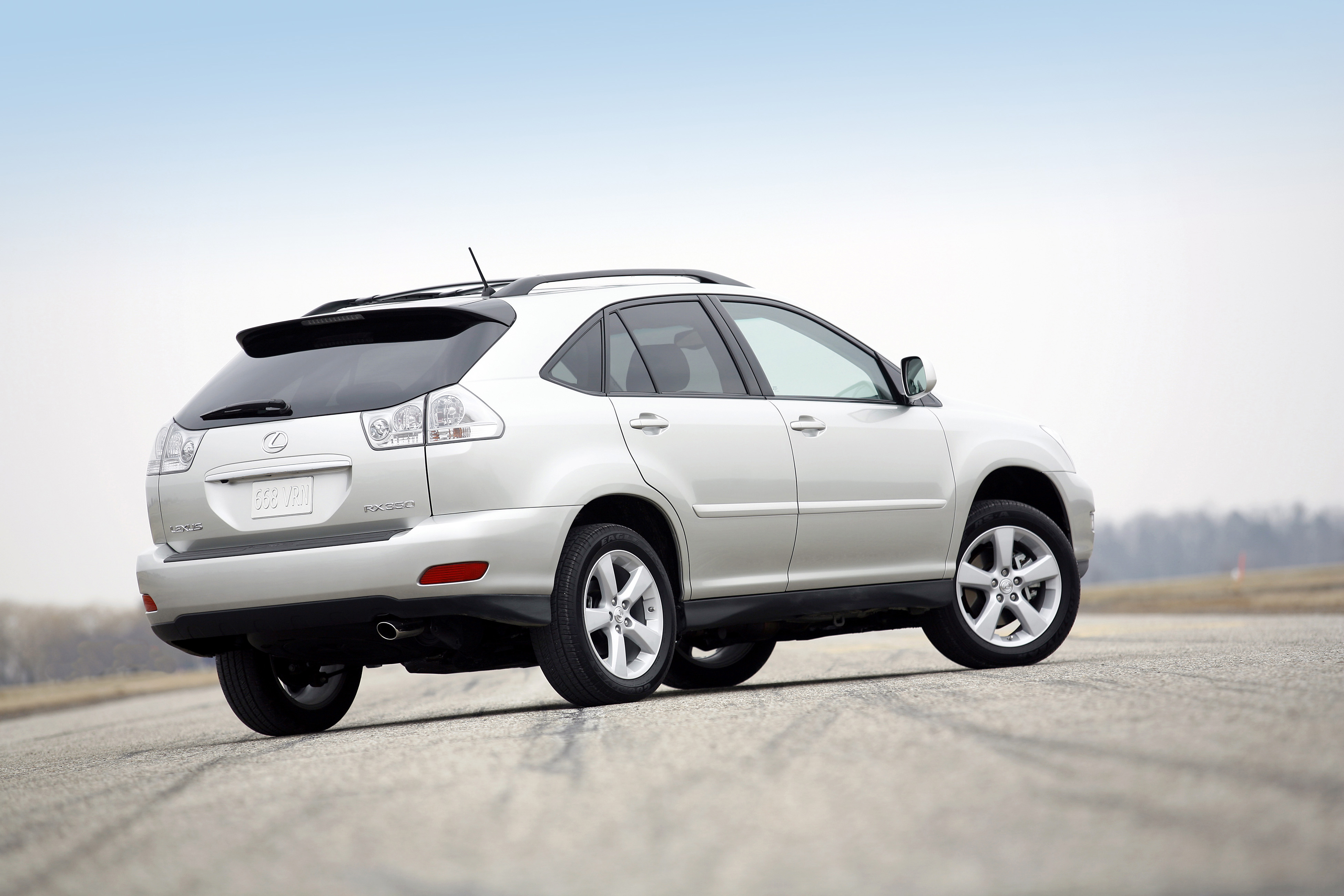
Replacing the serpentine belt on a 2007 Lexus RX 350 is a straightforward maintenance task that involves removing tension from the drive belt system to allow for the replacement of a single, long-reaching belt. The process requires a 14mm wrench or specialized serpentine belt tool to release the tensioner, careful routing around the alternator, power steering pump, water pump, and crankshaft pulley, and strict attention to avoiding misrouting or tensioner damage.
Understanding the Serpentine Belt System in the 2007 Lexus RX 350
The 2007 Lexus RX 350 is equipped with the Toyota 2GR-FE 3.5L V6 engine, a dual overhead cam powerplant known for its reliability. Unlike older vehicles that utilized multiple V-belts for different accessories, this model uses a single "serpentine" or multi-ribbed drive belt. This belt is responsible for driving the alternator, power steering pump, water pump, and the air conditioning compressor.
The drive system is managed by an automatic belt tensioner. This component contains an internal spring designed to maintain constant pressure on the belt throughout its lifespan. As the belt stretches over time or the internal spring of the tensioner weakens, the system becomes prone to slippage, squealing noises, or, in worst-case scenarios, total accessory failure. Understanding the mechanical layout is the first step in successful maintenance. The belt wraps through a serpentine path, meaning it travels over some pulleys on the grooved side and under others on the flat, smooth backside of the belt.
Required Tools and Preparation
Before you begin, ensure the engine is completely cool. Working on the belt system requires placing your hands and tools near the cooling fan assembly and the engine block, both of which can retain significant heat.
Essential Tools
- 14mm Offset Wrench or Serpentine Belt Tool: You need a long-handled tool to reach the tensioner pulley bolt. A dedicated serpentine belt tool provides the leverage needed to overcome the spring resistance of the tensioner.
- Flashlight or Work Light: The area around the passenger-side inner fender is dark and congested.
- Painter’s Tape or Marker: Useful for marking the path if you are unsure about the orientation before removal.
- Safety Glasses: Debris can fall from the undercarriage or engine bay during the process.
Visualizing the Routing: Parts Placement
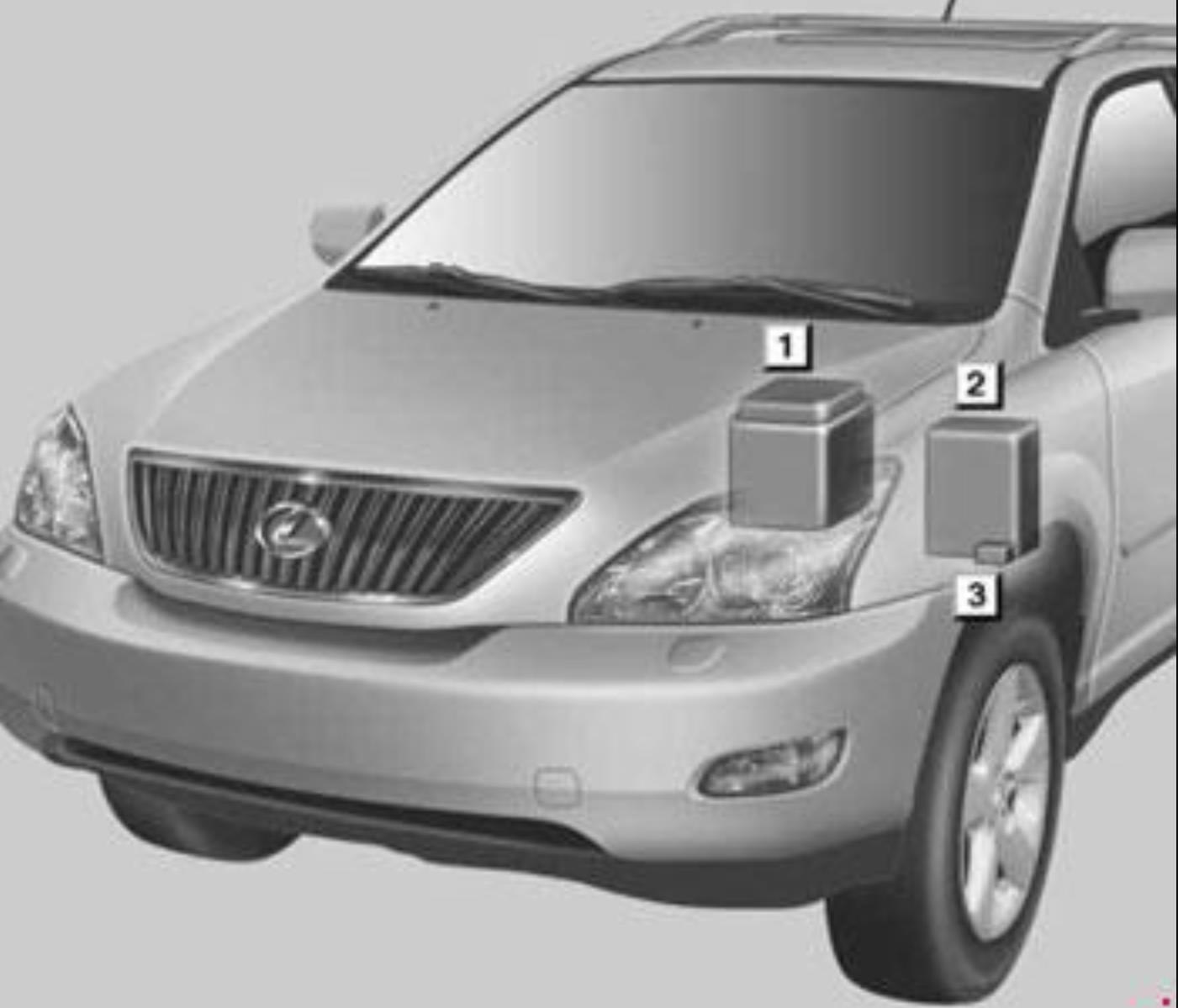
The belt follows a specific path through the engine's accessory drive. When standing at the front of the 2007 Lexus RX 350 looking at the engine, the drive system is located on the passenger side.
| Component | Contact Surface | Purpose |
|---|---|---|
| Crankshaft Pulley | Grooved | Drives the entire system |
| Alternator | Grooved | Provides power to the battery |
| Water Pump | Smooth | Circulates coolant |
| A/C Compressor | Grooved | Operates air conditioning |
| Power Steering Pump | Grooved | Assists steering hydraulic pressure |
| Tensioner Pulley | Smooth | Maintains belt tension |
To successfully install the belt, you must identify these pulleys accurately. The crankshaft pulley is the largest, located at the bottom of the assembly. The tensioner is generally located centrally, often identifiable by the bolt head on the arm of the pulley assembly itself.
Step-by-Step Replacement Procedure
- Access the Tensioner: Locate the tensioner pulley bolt. You will need to move the plastic splash shield inside the passenger-side wheel well to get a clear line of sight and tool access to the tensioner.
- Release Tension: Fit your 14mm tool onto the tensioner bolt. Rotate the tensioner (usually clockwise to compress the spring). As you rotate it, the belt will slacken.
- Removal: With the belt slack, slide it off one of the easier-to-reach pulleys—the alternator or the water pump is usually the easiest. Once the belt is off a pulley, slowly release the tensioner arm until it hits its stop, then fully remove the belt.
- Verification: Compare your old belt with the new one to ensure the length and the number of ribs match exactly.
- Installation: Route the new belt according to the factory diagram. It is standard practice to loop the belt around all static pulleys first, leaving the tensioner or the water pump for last.
- Final Tensioning: Once the belt is routed correctly, rotate the tensioner again using your 14mm tool. Slide the belt onto the final pulley.
- Check: Ensure every rib of the belt is perfectly seated inside the grooves of each pulley. Even a slight offset (misalignment) will cause the belt to shred or jump off shortly after startup.
Common Pitfalls and Troubleshooting
Even for experienced DIYers, the 2007 Lexus RX 350 belt replacement can present challenges. Avoiding these common mistakes will save time and prevent damage to expensive components.
The "Misaligned Rib" Error
The most common mistake is failing to verify that the belt is seated in the pulley grooves. If the belt is off by even one groove on the crankshaft or alternator pulley, it will create excessive friction and heat. Within minutes of running the engine, the belt will likely overheat, fray, and snap. Always use your fingers to feel the edges of the pulleys after installation to ensure the belt is perfectly centered.
Ignoring the Tensioner Condition
Many owners replace the belt because it is squealing, only to find the squeal returns after a few weeks. If the serpentine belt tensioner is old, its internal spring may have lost its tension. A weak tensioner cannot keep the belt tight enough, leading to "belt flutter." If you notice the tensioner pulley wobbling or making a bearing noise, you should replace the entire tensioner assembly rather than just the belt.
Access Constraints
The 2007 Lexus RX 350 is a front-wheel-drive platform with a transverse-mounted engine, which makes the side clearance very tight. Trying to reach the tensioner from the top without removing the wheel-well access panel is a common frustration that leads to rounded bolt heads or scraped knuckles. Always remove the wheel and the splash guard fasteners to provide adequate space.
Belt Orientation
It is surprisingly easy to flip the belt inside out during installation. The grooved side must face the grooved pulleys, and the smooth side must contact the smooth idler or tensioner pulleys. If you inadvertently run the smooth side of the belt against a grooved pulley, the belt will lack grip, the accessories will not function properly, and the belt will be destroyed instantly upon engine start.
Maintenance and Lifespan Expectations
In 2026, many 2007 Lexus RX 350 models have high mileage. The factory-recommended interval for belt inspection is usually every 30,000 to 60,000 miles, but in practice, most belts will last 80,000 to 100,000 miles unless exposed to oil leaks or extreme climate conditions.
Inspect your belt periodically for "glazing"—a shiny, hard appearance on the ribs. Glazing is a sign that the rubber has hardened and lost its friction coefficient, which typically causes the classic "chirping" or "squealing" sound on cold mornings. If you see cracks across the ribs (not just on the backing), the belt is compromised and should be replaced immediately to avoid a roadside breakdown.
Frequently Asked Questions
How do I know if the belt is too loose? A loose belt will typically squeal upon startup or under heavy electrical load (like turning on the headlights and A/C simultaneously). You can test the tension by pressing on the longest run of the belt; there should be no more than a half-inch of "give" or deflection.
Can I drive with a squeaky serpentine belt? While you may be able to drive for a short distance, a squealing belt is a sign of imminent failure. If the belt breaks while driving, you will immediately lose power steering assist, your alternator will stop charging the battery, and the water pump will cease to circulate coolant, which can lead to rapid engine overheating.
Does the 2007 Lexus RX 350 have a timing belt? No. The 2007 Lexus RX 350 features the 2GR-FE engine, which uses a timing chain. The belt discussed here is exclusively an external accessory drive belt. You do not need to perform the intensive labor associated with a timing belt service for this vehicle.
What if my belt keeps jumping off the pulleys? If the belt repeatedly jumps off, the issue is almost certainly a misaligned pulley or a failing tensioner. Check the pulley bearings by spinning them by hand while the belt is off; any grinding or excessive play indicates a component failure that a new belt will not fix.
Is there a specific way to route the belt? Yes. You must follow the exact routing diagram found in the Lexus service manual or on the emissions decal often located under the hood. There is typically only one correct path that allows the belt to reach all accessories while utilizing the tensioner for the necessary slack.
Professional Guidance and Final Recommendation
When working on your 2007 Lexus RX 350, safety is the highest priority. If you encounter a bolt that will not budge or if you are unsure about the routing of the belt, do not force the tensioner past its mechanical stop, as the casting can crack.
For the most reliable repair, source an OEM (Original Equipment Manufacturer) belt or a high-quality aftermarket equivalent from a reputable manufacturer. Avoid "bargain bin" rubber belts, as they often lack the heat resistance required for the tight, hot environment of the Lexus engine bay. If you find the tensioner bearing is noisy or the tensioner arm shows signs of binding, replace the tensioner assembly at the same time as the belt to ensure the longevity of your repair. Always double-check your belt routing against a diagram before starting the engine for the first time after a replacement.